Plan and listen to Verona Historic Center with Audiala.
Audio guide in your pocket, itinerary in your browser. Built for the way you actually visit.
Introduction
Verona’s historic center is a living chronicle of Italian history, where Roman ruins, medieval fortresses, Renaissance palaces, and Venetian influences blend seamlessly within cobbled streets and vibrant piazzas. As a UNESCO World Heritage Site, the city offers an immersive journey through more than 2,000 years of continuous development and urban transformation. Whether you’re drawn by the legendary Arena di Verona, the romantic allure of Juliet’s House, or the city’s world-class opera and cuisine, this guide provides everything you need for a rewarding visit—from practical details on visiting hours and tickets to travel tips and highlights of Verona’s top historical sites (World Heritage Sites; Italy Chronicles; Visit Verona).

Verona’s Historical Timeline: A Living Museum
Ancient Foundations and Roman Splendor
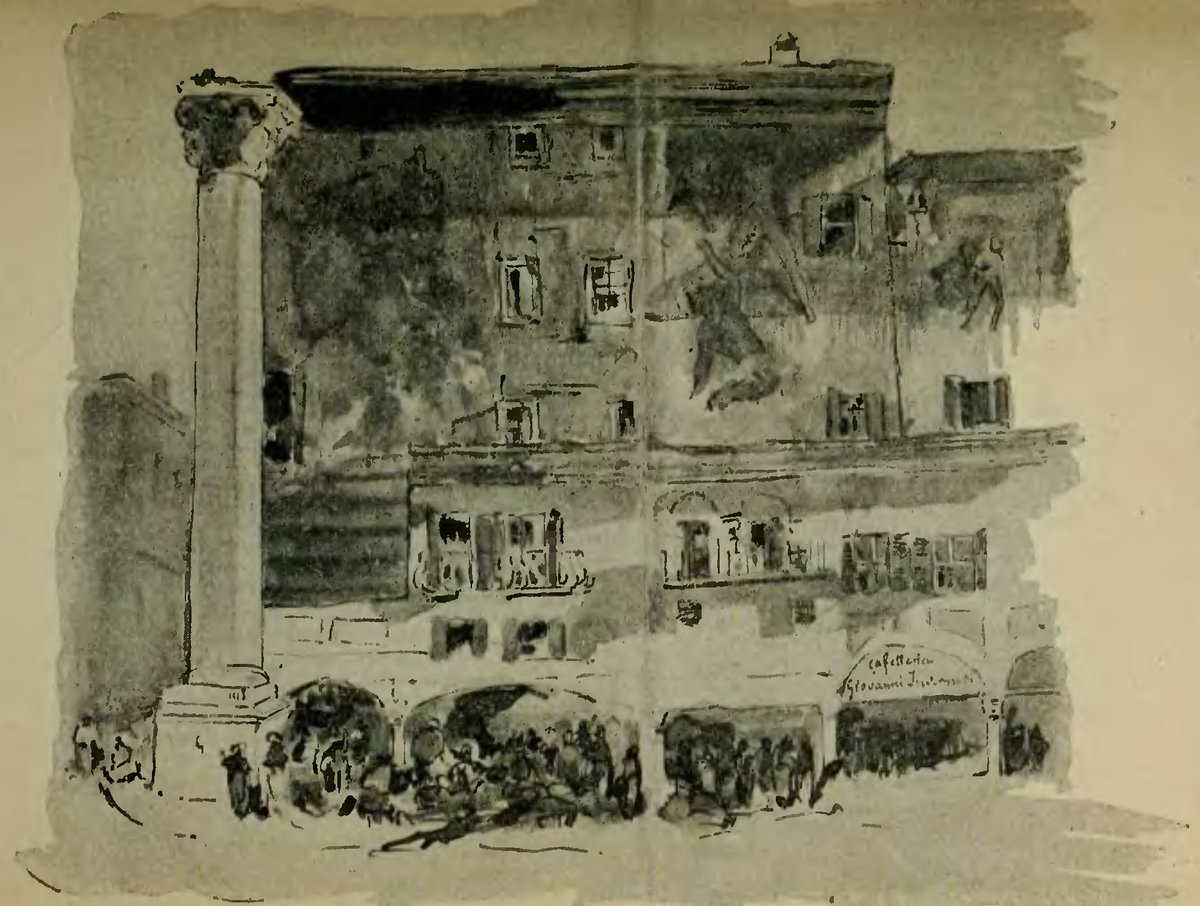
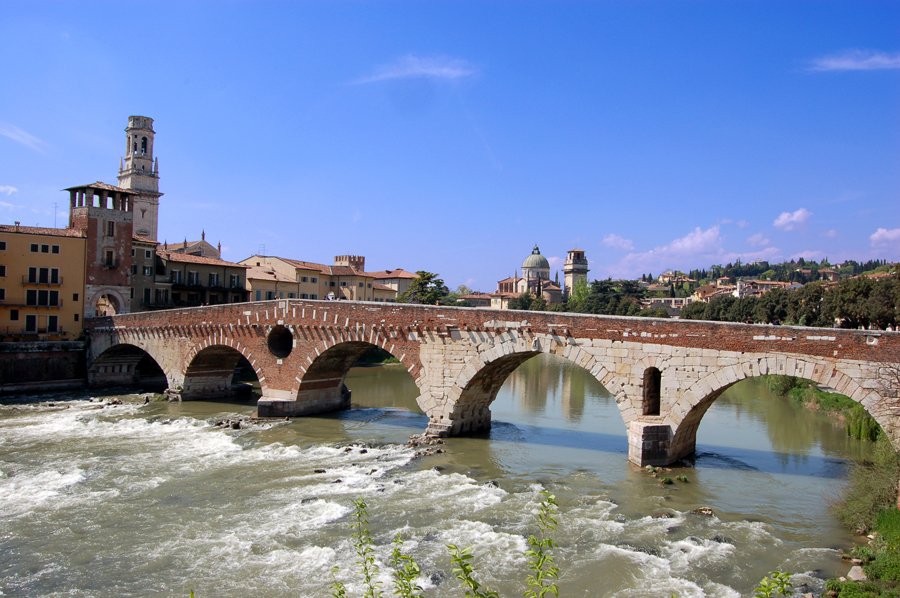
Verona’s roots extend to at least the 4th century BCE, flourishing under Roman rule as a strategic municipium along the Adige River. The city’s Roman grid pattern still shapes its historic center, and key monuments like the Arena di Verona, Ponte Pietra, and Porta Borsari remain remarkably well-preserved. The Roman forum, now Piazza delle Erbe, remains a lively marketplace (Italy Chronicles).
Medieval Transformations: The Scaligeri Era
After the Western Roman Empire’s fall, Verona witnessed turbulent times before emerging as a powerful city-state under the Scaligeri (della Scala) family in the 13th–14th centuries. They left an indelible mark with fortifications like Castelvecchio, the Scaliger Tombs, and expanded city walls (Visit Verona).
Renaissance and Venetian Influence
Voluntarily joining the Republic of Venice in 1405, Verona enjoyed centuries of prosperity and artistic flowering. Elegant squares (Piazza Bra, Piazza dei Signori), Renaissance palazzi, and churches like Basilica di San Zeno Maggiore showcase this era’s grandeur (ItalyScapes).
Modern History and UNESCO Recognition
After periods of French and Austrian rule, Verona became part of Italy in 1866. Despite wartime damage, the city has carefully restored its heritage. Its UNESCO World Heritage status since 2000 highlights the continuous layering of artistic, architectural, and urban features from all major historical periods (World Heritage Sites; Veneto Tourism).
Top Historical Monuments: Hours & Tickets
Below are the most significant sites in Verona’s city center, with key visitor information.
Arena di Verona
- Description: Roman amphitheater, world-famous for opera.
- Visiting Hours: Daily, 8:30 AM–7:30 PM (last entry 7:00 PM; hours may vary on performance days).
- Tickets: €10–€25 (varies by event); purchase online or onsite (Arena Official).
- Accessibility: Partial; some areas have steps.
Castelvecchio Museum & Ponte Scaligero
- Description: 14th-century fortress with an extensive art collection; picturesque fortified bridge.
- Visiting Hours: Tuesday–Sunday, 8:30 AM–7:30 PM; closed Mondays.
- Tickets: ~€6; combined tickets available.
- Accessibility: Partial.
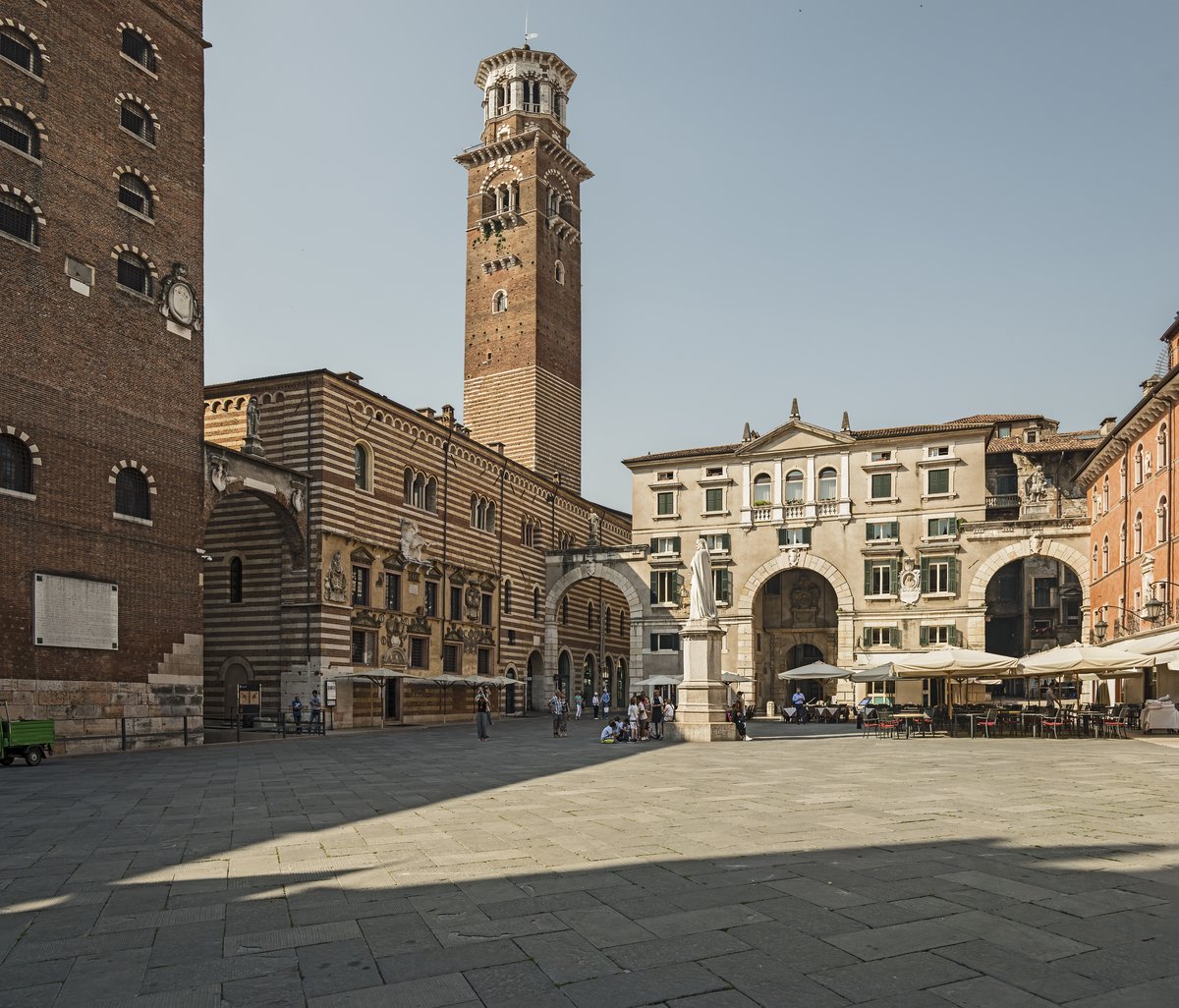
Torre dei Lamberti
- Description: Medieval tower with panoramic city views.
- Visiting Hours: Daily, 10:00 AM–6:00 PM.
- Tickets: ~€8; elevator available.
- Accessibility: Elevator to upper floors; final terrace reached by stairs.
Casa di Giulietta (Juliet’s House)
- Description: 13th-century house with the famous balcony.
- Visiting Hours: Daily, 8:30 AM–7:30 PM.
- Tickets: ~€6.
- Accessibility: Courtyard accessible; museum interior has stairs.
Basilica di San Zeno Maggiore
- Description: Romanesque church, renowned for its architecture and art.
- Visiting Hours: 8:00 AM–12:00 PM, 3:00 PM–6:30 PM.
- Tickets: Church free; small fee for crypt/museum.
- Accessibility: Partial.
Piazza delle Erbe & Piazza dei Signori
- Description: Heart of civic and social life, lined with historic buildings, markets, and cafes.
- Visiting Hours: Open 24/7; markets operate mornings to late afternoon.
- Accessibility: Fully accessible.
Giardino Giusti
- Description: Renaissance terraced gardens with city views.
- Visiting Hours: 9:00 AM–6:00 PM.
- Tickets: ~€10.
Tip: The Verona Card offers free or discounted entry to most major sites and unlimited city bus travel for 24 or 48 hours.
Visitor Essentials: Accommodation, Transport, and Passes
Where to Stay
- Centro Storico: Best for easy access to all attractions, but can be lively at night (travelhotelexpert.com).
- Veronetta or San Zeno: Quieter, with a more local feel and unique sights.
- Booking Tip: Reserve early, especially for summer opera season (timelesstravelsteps.com).
Getting Around
- On Foot: Most attractions are within a 10–15 minute walk.
- Public Buses: Extensive network; free with Verona Card.
- Hop-On, Hop-Off Bus: Covers major sites; ideal for those who prefer less walking.
- Cycling: Bike rentals and tours available.
- Arrivals: Porta Nuova train station (1.5 km from center); Verona Villafranca Airport is 12 km away.
Verona Card
- Benefits: Free/reduced entry to top attractions; unlimited city buses.
- Where to Buy: Tourist offices, hotels, or online.
Cultural Events, Food, and Shopping
Events
- Arena Opera Festival: June–September; world-class opera in a Roman amphitheater.
- Verona in Love: February celebrations themed on Romeo and Juliet.
- Christmas Markets: December, with festive spirit and local crafts (notaboutthemiles.com).
Food & Drink
- Cuisine: Try risotto all’Amarone, polenta, and regional Valpolicella wines.
- Aperitivo: Enjoy pre-dinner drinks in Piazza delle Erbe or Bra.
- Meal Times: Lunch 12:30–2:30 PM, dinner from 7:30 PM.
Shopping
- Piazza delle Erbe: Daily market.
- Via Giuseppe Mazzini: Fashion boutiques and Italian brands.
Accessibility, Safety, and Practical Tips
Accessibility
- Mobility: Many attractions are accessible, but some streets and sites have cobblestones or stairs. Check each site in advance.
- Families: Stroller-friendly in most areas; children welcome in squares and museums.
Safety
- General: Verona is safe, but be wary of pickpockets in crowded areas.
- Emergency: Dial 112 for police, medical, or fire services.
Practical Tips
- Best Seasons: Visit in spring (April–June) or autumn (September–October) for mild weather and fewer crowds.
- Dress: Comfortable shoes for walking; layers for variable weather.
- Payments: Euros; credit cards widely accepted, but carry some cash for markets.
- Language: Italian is official; English spoken in tourist areas.
Frequently Asked Questions (FAQ)
Q: What are the Arena di Verona’s opening hours?
A: Typically 8:30 AM–7:30 PM; check the official website for updates during performances.
Q: How can I buy tickets for major sites?
A: Online, at official box offices, or via the Verona Card.
Q: Is Verona accessible for travelers with mobility issues?
A: Many sites are accessible, but some have stairs or cobbled streets—plan ahead.
Q: When is the best time to visit?
A: Spring and early autumn offer pleasant weather and manageable crowds.
Q: Are guided tours available in English?
A: Yes, many walking and themed tours are offered in English.
Summary & Recommendations
Verona’s historic center is a tapestry of Roman antiquity, medieval grandeur, and Renaissance elegance. The city’s compact layout makes it ideal for exploration on foot, and its well-organized visitor infrastructure ensures a smooth experience. Maximize your visit by purchasing tickets in advance, considering the Verona Card for savings and convenience, and timing your trip to coincide with special events like the Arena Opera Festival (World Heritage Sites; Italy Chronicles; Visit Verona).
For deeper insights, guided tours can bring Verona’s layered history to life, while local cuisine and lively markets offer a true taste of the region. To streamline your experience, download the Audiala app for real-time updates, self-guided itineraries, and ticket booking. Verona awaits with open arms—immerse yourself in its timeless charm and create unforgettable memories.
Listen to the full story in the app
The whole Verona Historic Center,
told well.
Audio guides for 1,100+ cities across 96 countries. History, stories, and local insight — offline ready.
Verified, and shown.
Researched and written by the Audiala editorial team from historical records, architectural archives, and local expertise.
Researched from Wikidata, Wikipedia & official sources · fact-checked · How we make our guides →