Plan and listen to Torre Dei Lamberti with Audiala.
Audio guide in your pocket, itinerary in your browser. Built for the way you actually visit.
Introduction
The Torre dei Lamberti, located in the heart of Verona, Italy, is a towering monument of historical, architectural, and cultural significance. Constructed in the 12th century by the influential Lamberti family, this 84-meter tall structure has stood the test of time, bearing witness to the city’s evolving landscape through the Middle Ages, the Renaissance, and into the modern era. Today, it offers visitors not only a glimpse into Verona's storied past but also breathtaking panoramic views of the city from its observation deck. This comprehensive guide aims to provide detailed insights into the Torre dei Lamberti's rich history, architectural marvels, and practical information for visitors, ensuring a fulfilling and enjoyable experience at one of Verona's most iconic landmarks. Whether you are a history enthusiast, an architecture aficionado, or a casual traveler, the Torre dei Lamberti promises a unique and enriching visit. For more information on visiting hours and ticketing, you can check the official Verona tourism website.

History of Torre dei Lamberti
Origins and Construction
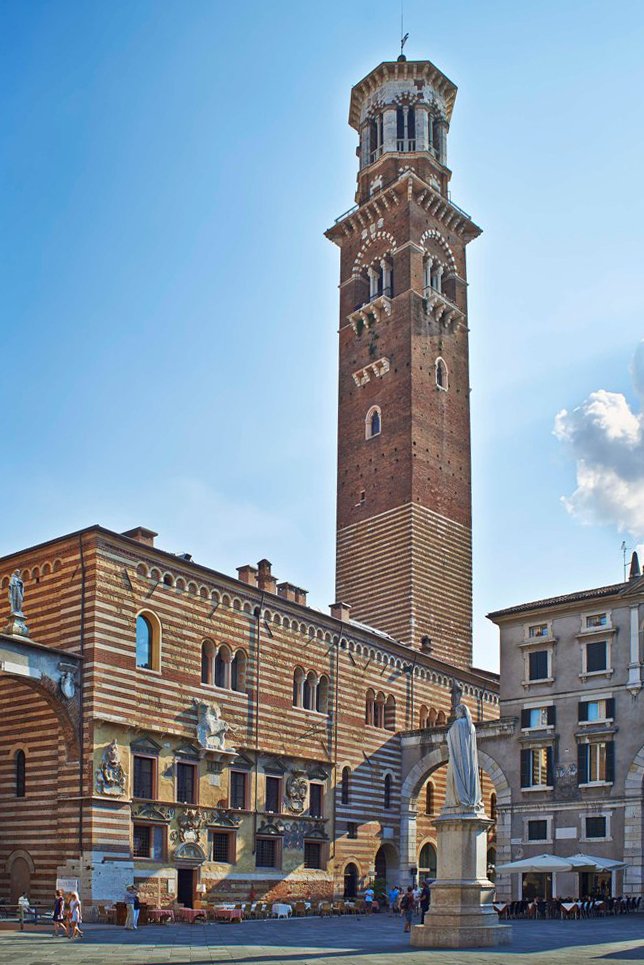
The Torre dei Lamberti, an iconic landmark in Verona, Italy, has a rich history that dates back to the 12th century. Construction of the tower began in 1172 by the powerful Lamberti family, one of the prominent families in Verona at the time. The initial structure was built using brick and tuff, materials commonly used in medieval architecture. The tower was intended to serve both as a symbol of the family's power and as a defensive structure.
Medieval Modifications
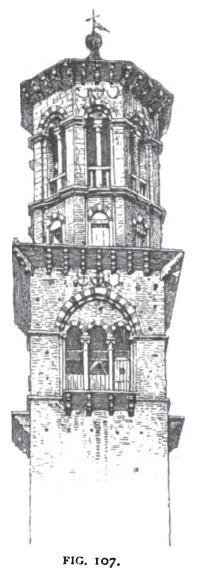
Throughout the Middle Ages, the Torre dei Lamberti underwent several modifications. In 1295, a lightning strike damaged the tower, necessitating repairs and leading to the addition of the distinctive octagonal belfry. This belfry was constructed using marble, which not only enhanced the tower's aesthetic appeal but also improved its structural integrity. The addition of the belfry marked a significant transformation in the tower's appearance, making it one of the tallest structures in Verona at the time.
Renaissance Enhancements
The Renaissance period brought further enhancements to the Torre dei Lamberti. In 1464, the tower was raised to its current height of 84 meters (275 feet). This extension was part of a broader effort to modernize the structure and make it more imposing. The tower was also equipped with a new clock, which was a significant technological advancement for the period. The clock, installed in 1779, remains one of the tower's most notable features.
Role in Verona's Civic Life
The Torre dei Lamberti has played a crucial role in Verona's civic life over the centuries. During the medieval period, the tower served as a lookout point for spotting potential invaders. Its height provided a strategic advantage, allowing guards to see far into the distance. The tower also housed bells that were used to signal important events, such as the opening and closing of the city gates, public announcements, and emergencies.
The Bells of Torre dei Lamberti
The tower is home to two significant bells - the "Rengo" and the "Marangona." The Rengo bell, the larger of the two, was used to summon the city's council and to signal emergencies. The Marangona bell, on the other hand, was used to mark the hours of the workday and to signal fires. These bells have been integral to the daily life of Verona's citizens for centuries and continue to be a symbol of the city's rich history.
Restoration and Preservation
In the 20th century, efforts were made to preserve and restore the Torre dei Lamberti. During World War II, the tower suffered minor damage, but it was quickly repaired. In the 1970s, a comprehensive restoration project was undertaken to address structural issues and to preserve the tower's historical features. This project included the reinforcement of the tower's foundation and the restoration of the clock and bells.
Modern-Day Significance
Today, the Torre dei Lamberti stands as a testament to Verona's rich history and architectural heritage. It is one of the city's most popular tourist attractions, offering panoramic views of Verona from its observation deck. The tower's historical significance and its role in the city's civic life make it a must-visit destination for anyone interested in the history and culture of Verona.
Architectural Features
The Torre dei Lamberti is a prime example of medieval and Renaissance architecture. Its base is constructed from brick and tuff, while the upper sections feature marble and stone. The octagonal belfry, added in the 13th century, is one of the tower's most distinctive features. The belfry's design reflects the architectural styles of the period, with its elegant arches and intricate stonework.
Cultural Impact
The Torre dei Lamberti has had a lasting impact on the culture of Verona. It has been featured in numerous works of art and literature, and it continues to be a symbol of the city's historical and cultural heritage. The tower's bells, in particular, have become an iconic part of Verona's soundscape, marking the passage of time and the rhythm of daily life in the city.
Visiting the Torre dei Lamberti
For visitors to Verona, the Torre dei Lamberti offers a unique opportunity to explore the city's history and enjoy breathtaking views. The tower is open to the public, and visitors can climb the 368 steps to the top or take an elevator. The observation deck provides a 360-degree view of Verona, including landmarks such as the Verona Arena, Piazza delle Erbe, and the Adige River. The tower also houses a small museum that showcases its history and significance.
Visiting Hours and Tickets
- Visiting Hours: The Torre dei Lamberti is open daily from 10:00 AM to 6:00 PM, with extended hours during the summer months. It's advisable to check the official website for any changes in visiting hours.
- Tickets: Tickets can be purchased at the entrance or online. The cost is approximately €8 for adults, with discounts available for children, students, and seniors. Combined tickets that include other nearby attractions are also available.
Nearby Attractions
While visiting the Torre dei Lamberti, consider exploring other nearby historical sites:
- Piazza delle Erbe: A bustling market square with shops, cafes, and historical buildings.
- Juliet's House: A must-see for fans of Shakespeare's "Romeo and Juliet."
- Verona Arena: An ancient Roman amphitheater still used for concerts and events.
Travel Tips
- Best Time to Visit: Early morning or late afternoon visits are recommended to avoid the crowds and enjoy the best lighting for photographs.
- Accessibility: The tower is accessible via an elevator, making it convenient for visitors with mobility issues.
- Guided Tours: Consider joining a guided tour to gain more insights into the tower's history and significance.
- Photography Spots: The observation deck offers excellent photographic opportunities, so don't forget your camera!
FAQ
Q: What are Torre dei Lamberti's visiting hours?
A: The Torre dei Lamberti is open daily from 10:00 AM to 6:00 PM, with extended hours during the summer months.
Q: How much are tickets for Torre dei Lamberti?
A: Tickets cost approximately €8 for adults, with discounts available for children, students, and seniors.
Q: Is the Torre dei Lamberti accessible?
A: Yes, the tower is accessible via an elevator.
Q: Are there guided tours available?
A: Yes, guided tours can be booked in advance or on-site to provide more in-depth historical context and insights.
Tickets & tours.
These are guided options from our partners — same price as booking direct.
Prices are indicative — final pricing and availability are confirmed at checkout. Audiala may earn a commission from bookings made through these links.
Listen to the full story in the app
The whole Torre Dei Lamberti,
told well.
Audio guides for 1,100+ cities across 96 countries. History, stories, and local insight — offline ready.
Verified, and shown.
Researched and written by the Audiala editorial team from historical records, architectural archives, and local expertise.
Researched from Wikidata, Wikipedia & official sources · fact-checked · How we make our guides →