Plan and listen to Forte Chievo with Audiala.
Audio guide in your pocket, itinerary in your browser. Built for the way you actually visit.
Introduction
Nestled in the picturesque Chievo district of Verona, Forte Chievo stands as a testament to the city's rich military history and architectural prowess. Originally known as Werk Kaiser Franz Josef, this mid-19th-century fortification was constructed between 1850 and 1852 under the supervision of Major Conrad Petrasch, the director of the Imperial Royal Office of Fortifications in Verona (source). As part of the extensive defensive system designed to protect the Austrian Empire's territories in Northern Italy, Forte Chievo played a crucial role in safeguarding Verona against potential invasions, particularly during the tumultuous period of the Italian Wars of Independence (source).
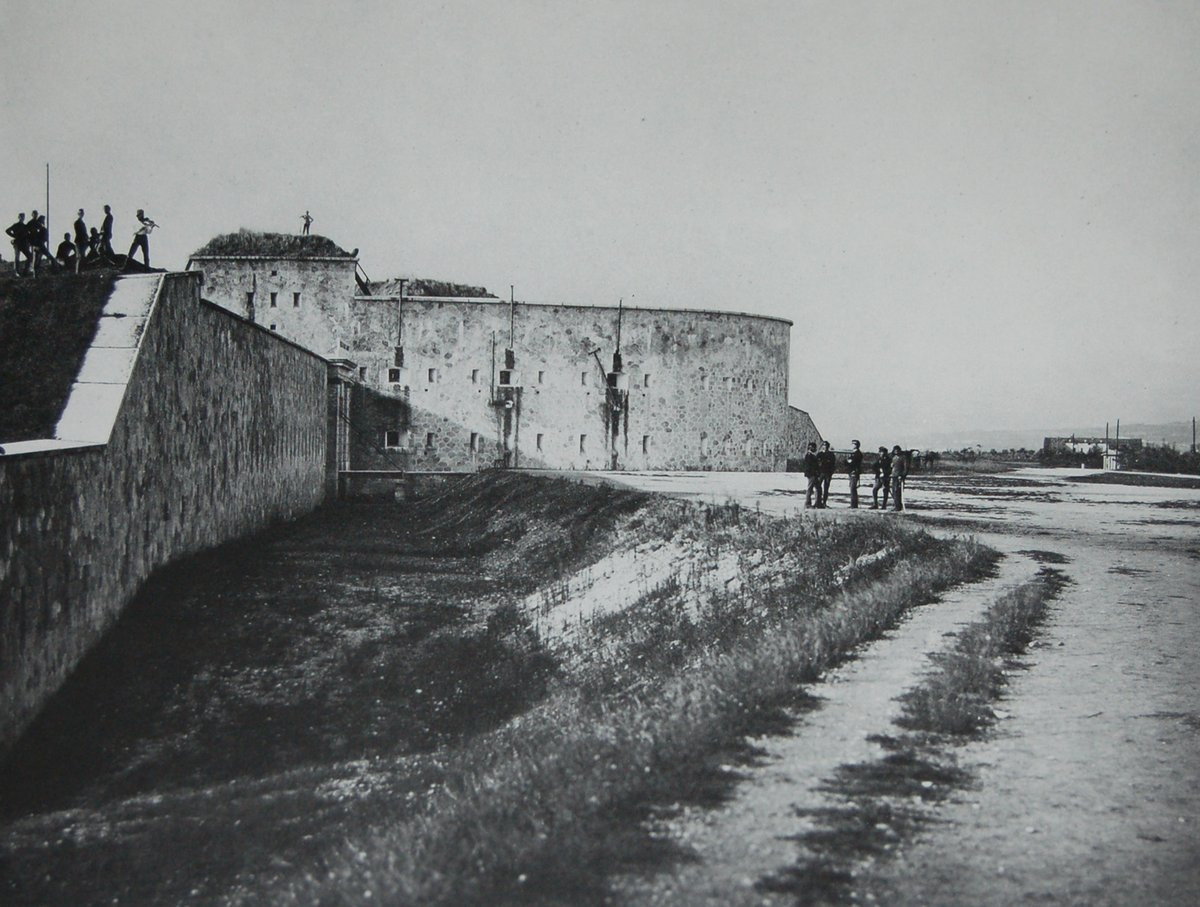
Visitors to Forte Chievo can expect to be transported back in time as they explore its well-preserved structures, including the central and gorge redoubts, which exhibit the polygonal layout typical of the Neo-German school of fortification. The fort's strategic positioning allowed it to effectively cover the terrain towards Pescantina and Peschiera, with its right flank and rear facing the Adige River, thus providing a robust defense for the railway line to Bolzano (source). Today, Forte Chievo is not only a significant historical site but also a cultural and educational resource, offering guided tours, educational programs, and historical reenactments that provide a deeper understanding of Verona's military heritage. This comprehensive guide aims to equip potential visitors with all the necessary information for a memorable visit, from practical travel tips to insights into the fort's historical and architectural significance.

History and Construction of Forte Chievo
Forte Chievo, originally known as Werk Kaiser Franz Josef, forms part of Verona's extensive defensive system. It was constructed between 1850 and 1852 under the supervision of Major Conrad Petrasch, the director of the Imperial Royal Office of Fortifications in Verona (source).
Strategic Importance in Verona's Defense
Strategically positioned to close the northern section of the entrenched field, Forte Chievo worked in conjunction with Forte Croce Bianca. This placement allowed it to cover the terrain towards the roads leading to Pescantina and Peschiera, with its right flank and rear facing the Adige River, thus covering the railway line to Bolzano (source).
Architectural Design and Features
Featuring a polygonal layout typical of the Neo-German school of fortification, Forte Chievo includes a central redoubt and a gorge redoubt, with a symmetrical lunette plan. This design maximized defensive capabilities and provided a robust structure against potential attacks (source).
Integration into Verona's Defensive Network
In 1861, Forte Chievo was integrated into the expanded line of the entrenched field, enhancing its defensive role within Verona's network. This was part of a broader effort to fortify the city during a period of significant political and military upheaval in Italy (source).
Historical Context and Role During the Risorgimento
Constructed during the mid-19th century, Forte Chievo played a critical role during the Risorgimento, the movement for Italian unification. As part of the Austrian Empire's efforts to maintain control over the region, it served as a formidable obstacle for Italian nationalist forces (source).
Post-Unification Period
After Italy's unification in 1866, Forte Chievo continued to serve as a military installation. Its role evolved with the changing political landscape, but it remained an integral part of Verona's defensive infrastructure (source).
Preservation and Current Status
Today, Forte Chievo stands as a well-preserved example of mid-19th century military architecture. It is recognized for its historical and architectural significance, and efforts have been made to preserve its structure for future generations (source).
Visitor Information
Visiting Hours and Tickets
Forte Chievo is open to visitors year-round. The visiting hours are from 10 AM to 6 PM daily. Tickets can be purchased at the entrance or online through the official website. General admission is €8 for adults, €5 for students, and free for children under 12.
Travel Tips and Accessibility
Forte Chievo is easily accessible by public transport and car. There is ample parking available on-site. The fort is wheelchair accessible, and guided tours are available in multiple languages.
Nearby Attractions
While visiting Forte Chievo, you can also explore nearby attractions such as the Verona Cathedral, Castelvecchio Museum, and the Roman Theater. These sites offer additional insights into Verona's rich historical tapestry.
Special Events and Guided Tours
The fort hosts special events throughout the year, including historical reenactments and educational workshops. Guided tours are available daily and provide in-depth information about the fort's history and architecture.
Photographic Spots
Forte Chievo offers numerous photographic opportunities, especially from its strategic viewpoints that provide panoramic views of the surrounding landscape.
Educational Value
Forte Chievo serves as an educational resource, offering insights into military engineering, historical fortifications, and the broader historical context of the Risorgimento and Italian unification. It is a valuable site for historians, students, and visitors interested in military history and architecture (source).
FAQ
Q: What are the visiting hours for Forte Chievo? A: Forte Chievo is open daily from 10 AM to 6 PM.
Q: How much are the tickets? A: General admission is €8 for adults, €5 for students, and free for children under 12.
Q: Is Forte Chievo wheelchair accessible? A: Yes, the fort is wheelchair accessible.
Q: Are guided tours available? A: Yes, guided tours are available daily in multiple languages.
Discover More
Forte Chievo remains a monumental symbol of Verona's rich military history and architectural ingenuity. Its construction during the mid-19th century and subsequent integration into the city's defensive network highlight its strategic importance and the role it played in various military campaigns, particularly during the Risorgimento (source). Today, the fort stands as a well-preserved example of military architecture, offering visitors a unique opportunity to explore its historical and cultural significance.
The fort's accessibility and array of visitor amenities, including guided tours, educational programs, and special events, ensure a comprehensive and enriching experience. Whether you're a history enthusiast, a student, or a casual visitor, Forte Chievo provides valuable insights into the military engineering advancements of the 19th century and the broader historical context of Italian unification. As you plan your visit, make sure to take advantage of the practical information provided in this guide, from visiting hours and ticket prices to travel tips and nearby attractions. Embrace the chance to immerse yourself in Verona's past and appreciate the enduring legacy of Forte Chievo. For more updates and travel tips, follow us on social media and check out our related posts and mobile app Audiala.
Listen to the full story in the app
The whole Forte Chievo,
told well.
Audio guides for 1,100+ cities across 96 countries. History, stories, and local insight — offline ready.
Verified, and shown.
Researched and written by the Audiala editorial team from historical records, architectural archives, and local expertise.
In Wikipedia
City of Verona
Along Dusty Roads
The Blonde Abroad
MominItaly
ItalyGuides
ATV Verona
NASA Climate Data
VeronaCard
Arena di Verona
Researched from Wikidata, Wikipedia & official sources · fact-checked · How we make our guides →