Plan and listen to St Mark'S Campanile with Audiala.
Audio guide in your pocket, itinerary in your browser. Built for the way you actually visit.
Introduction
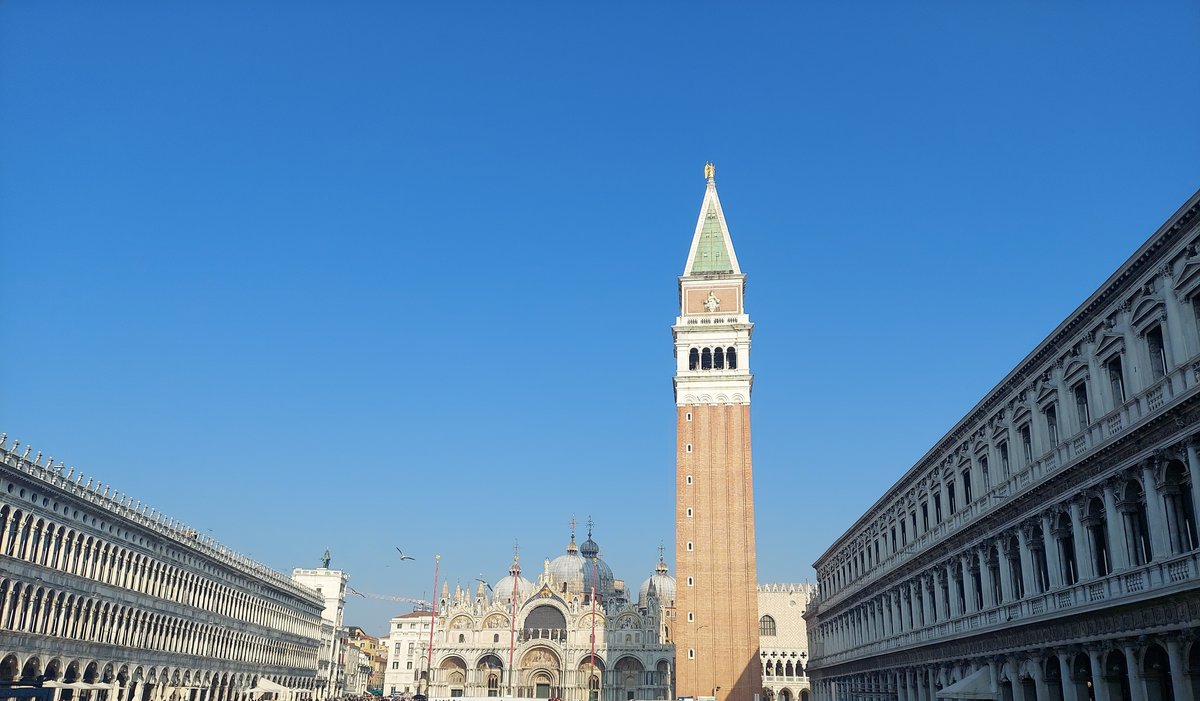
The Campanile of St. Mark, or Campanário de São Marcos, stands as a towering testament to Venice's rich history and architectural prowess. Over a thousand years old, this bell tower has witnessed the city's many transformations, serving as a beacon for ships, a watchtower against invaders, and a symbol of Venetian resilience (source). Originally constructed in the 9th century atop a Roman foundation, the Campanile has undergone significant changes, most notably its Renaissance-era renovation under Giorgio Spavento and its meticulous reconstruction following a catastrophic collapse in 1902. Today, at nearly 325 feet tall, it offers breathtaking panoramic views of Venice and the lagoon, drawing visitors from around the globe. This comprehensive guide will delve into the Campanile’s storied past, provide essential visitor information, and offer travel tips to make your Venetian adventure unforgettable.

A History Forged in Stone and Time
The Campanile of St. Mark, or Campanário de São Marcos as it is known in Italian, is more than just a bell tower; it is a testament to the enduring spirit of Venice. Its history, inextricably woven with that of the city itself, stretches back over a thousand years, marked by periods of both triumph and tribulation.
Early Beginnings and a Watchful Guardian (9th - 16th Century)
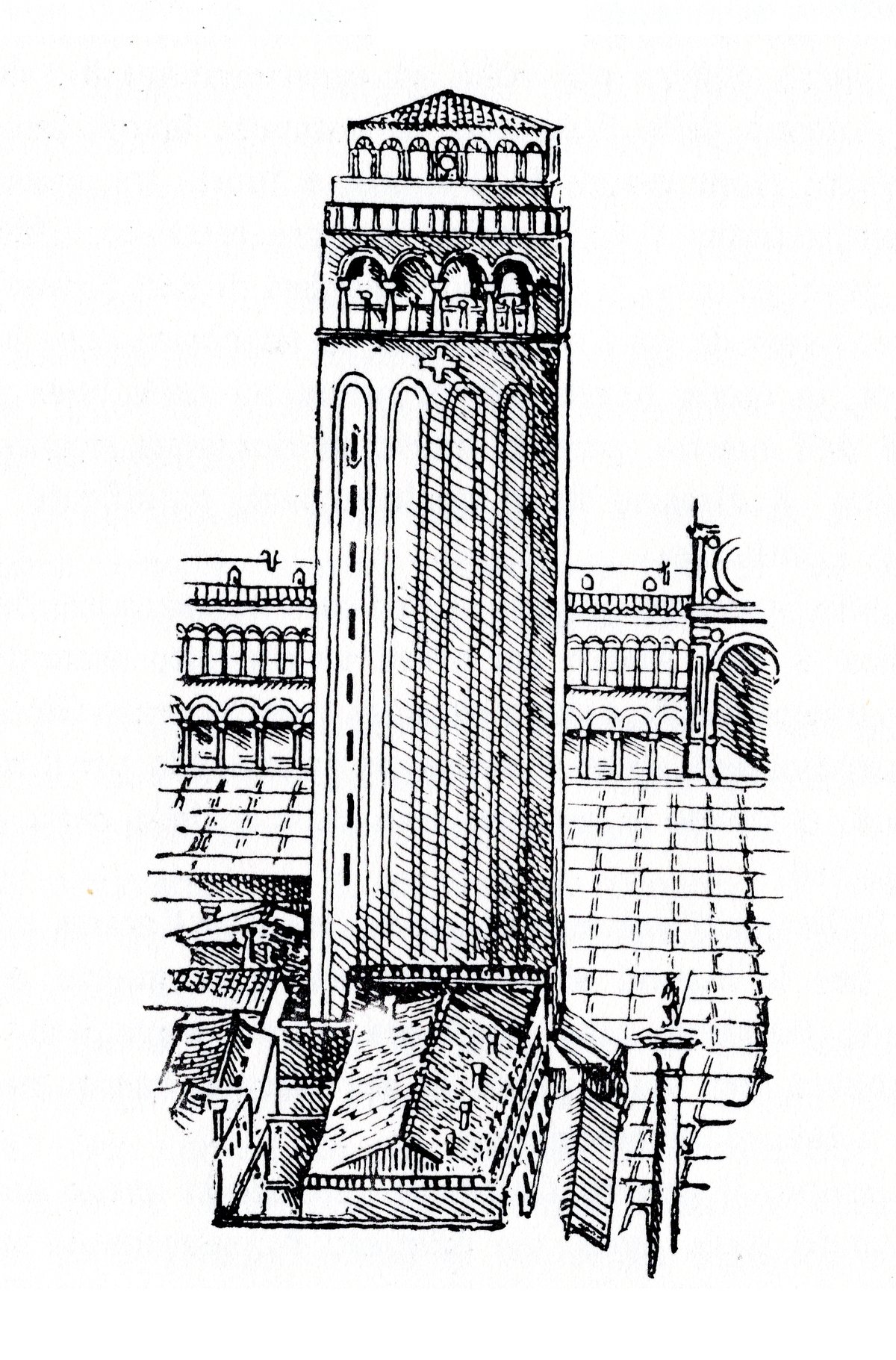
The Campanile's story begins in the 9th century, built upon the foundations of a Roman watchtower. Initially conceived as a beacon for ships navigating the Venetian Lagoon, its construction was completed in the 12th century. This early structure, however, bore little resemblance to the towering landmark we see today. It was shorter, simpler, and topped with a wooden spire, a common feature in medieval architecture.
Throughout the centuries, the Campanile served multiple purposes. Its height made it an ideal watchtower, providing early warning against approaching enemies or fires within the city. The tower also housed signal flags, communicating vital information to ships at sea and citizens within Venice.
A Renaissance Icon Emerges (16th Century)
The 16th century ushered in a period of significant transformation for the Campanile. Under the guidance of renowned architect Giorgio Spavento, the tower underwent extensive renovations. The wooden spire was replaced with a brick one, encased in gleaming white Istrian stone, and crowned with a golden statue of the Archangel Gabriel. This renovation, completed in 1514, gave the Campanile its iconic silhouette, forever etching it into the Venetian skyline.
Disaster and Rebirth (20th Century)
Tragedy struck in 1902 when, after centuries of standing sentinel over Venice, the Campanile unexpectedly collapsed. The cause was attributed to structural issues, exacerbated by years of weathering and vibrations from the nearby St. Mark's Clocktower. The collapse sent shockwaves through Venice and beyond, leaving a void in the city's heart.
However, the Venetians, known for their resilience, were determined to rebuild their beloved landmark. A massive reconstruction effort began almost immediately, utilizing modern engineering techniques while adhering to the original design. After a decade of meticulous work, the new Campanile, an exact replica of its predecessor, was inaugurated in 1912.
The Campanile Today - A Symbol of Venetian Spirit
Today, the Campanile stands tall at almost 325 feet (98.6 meters), a symbol of Venetian perseverance and architectural prowess. It remains one of the most recognizable landmarks in Italy, drawing visitors from around the globe who ascend to its summit for breathtaking panoramic views of Venice and the lagoon.
The Campanile's significance extends beyond its physical presence. It represents the enduring spirit of Venice, a city that has faced numerous challenges throughout its history, yet always risen to the occasion. The tower's collapse and subsequent reconstruction serve as a powerful metaphor for the city's ability to overcome adversity and emerge stronger than before.
Visitor Information
Tickets and Opening Hours
To visit the Campanile, you will need to purchase a ticket. Tickets can be bought on-site, but it is advisable to book in advance online to avoid long queues. The opening hours vary depending on the season, generally opening at 9:45 AM and closing between 3:45 PM and 9:15 PM. It is best to check the official website for the most current information.
Best Times to Visit
The best time to visit the Campanile is early in the morning or late in the afternoon to avoid the peak tourist crowds. Visiting during these times also provides the best lighting for photography, especially during sunset.
Travel Tips
How to Get There
The Campanile is located in St. Mark's Square, easily accessible by foot from most parts of Venice. If you're coming from farther away, you can take a vaporetto (water bus) to the San Zaccaria stop, which is a short walk from the square.
Accessibility
The Campanile is equipped with an elevator, making it accessible to visitors with mobility issues. However, it is always a good idea to check for any temporary restrictions or maintenance work that might affect accessibility.
Guided Tours
Guided tours are available and can provide a richer understanding of the Campanile's history and significance. Many tours also include other nearby attractions, making them a convenient option for exploring Venice.
Nearby Attractions
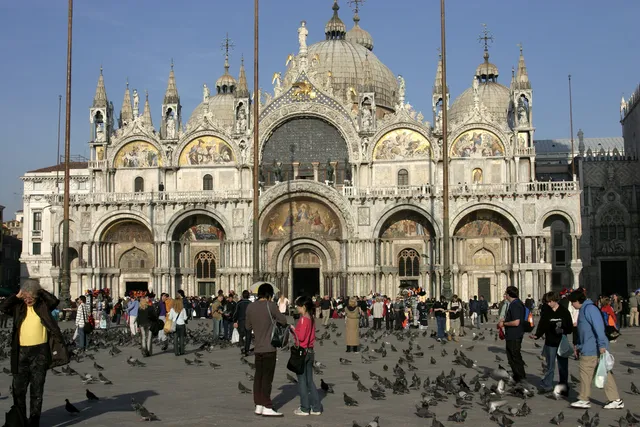
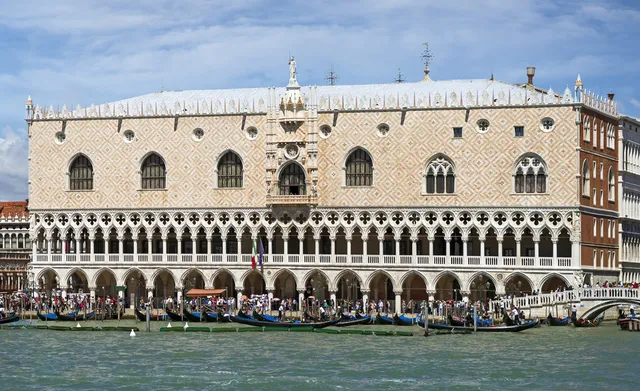
While visiting the Campanile, you can also explore other historical sites in St. Mark's Square. These include the magnificent St. Mark's Basilica, the Doge's Palace, and the Procuratie Vecchie. Each of these landmarks offers a unique glimpse into Venice's rich history and architectural splendor.
Special Events and Photographic Spots
The Campanile is a popular spot for various events, including concerts and cultural celebrations. Keep an eye on the official website or local event listings for any special events during your visit.
For photography enthusiasts, the Campanile offers stunning views of Venice. The best spots for capturing the tower itself are from the square or the nearby waterfront. For panoramic shots, the summit of the Campanile provides an unparalleled vantage point.
FAQ
Q: What are the Campanile of St. Mark's visiting hours?
A: The opening hours vary by season but generally range from 9:45 AM to 9:15 PM. Check the official website for the most current hours.
Q: How much are tickets for the Campanile of St. Mark?
A: Ticket prices vary, and it is recommended to book online in advance to avoid long queues. Refer to the official website for pricing details.
Q: Is the Campanile accessible for visitors with mobility issues?
A: Yes, the Campanile has an elevator for accessibility, but it is advisable to check for any temporary restrictions.
Q: What is the best time to visit the Campanile?
A: Early morning or late afternoon is ideal to avoid crowds and enjoy the best lighting for photos.
Tickets & tours.
These are guided options from our partners — same price as booking direct.
Prices are indicative — final pricing and availability are confirmed at checkout. Audiala may earn a commission from bookings made through these links.
Listen to the full story in the app
The whole St Mark'S Campanile,
told well.
Audio guides for 1,100+ cities across 96 countries. History, stories, and local insight — offline ready.
Verified, and shown.
Researched and written by the Audiala editorial team from historical records, architectural archives, and local expertise.
Mark - History, Visiting Hours, and Tips for Your Venetian Adventure, 2024, Anonymous
Mark's Basilica - Visiting Hours, Tickets, and Architectural Marvels, 2024, Anonymous
Mark's Campanile - Hours, Tickets, and Tips for a Memorable Trip, 2024, Anonymous
Researched from Wikidata, Wikipedia & official sources · fact-checked · How we make our guides →