Introduction: San Bartolomeo Venice—A Portal to History and Culture
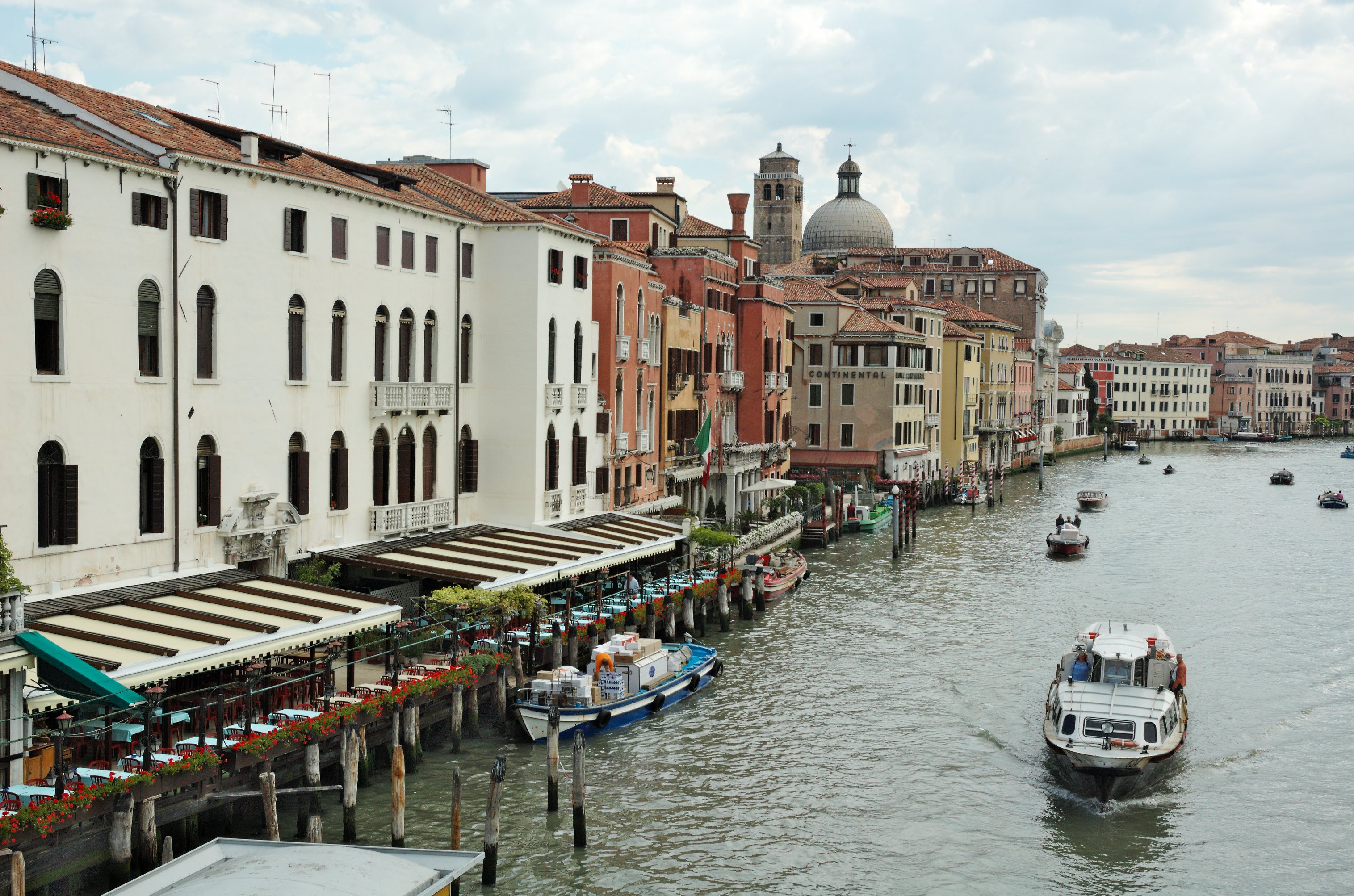
Situated at the heart of Venice’s bustling Rialto district, San Bartolomeo is a living testament to the city’s centuries-old cultural, religious, and mercantile traditions. Established as early as the 9th century, the church has witnessed numerous transformations—architectural, artistic, and social—making it a unique destination for travelers seeking to immerse themselves in authentic Venetian heritage. Originally the parish church for Venice’s influential German merchant community, San Bartolomeo is intimately linked with the adjacent Fondaco dei Tedeschi, symbolizing the city’s role as a global crossroads of commerce and culture.
Today, San Bartolomeo serves not only as a repository of remarkable artworks and architectural styles—from Byzantine and Romanesque to Gothic and Baroque—but also as a vibrant cultural venue for concerts and exhibitions. Visitors are welcomed into an oasis of history, art, and spirituality, just steps away from the iconic Rialto Bridge and the lively Campo San Bartolomeo.
For current details on visiting hours, tickets, and events, consult the Venice Music Project and Basilica di S. Bartolomeo all’Isola websites. Further insights can be found at Chiese di Venezia, Trips & Leisure, and Venice Travel Guide.
Early Foundations and Medieval Development
San Bartolomeo’s origins trace back to 828 CE. The church initially reflected strong Byzantine influences, representing the early Christian foundations of Venice. By the 12th century, it underwent significant reconstruction, incorporating Romanesque and Gothic elements that aligned with Venice’s emergence as a major trading power.
The German Merchant Community and the Fondaco dei Tedeschi
From the late 12th century, San Bartolomeo became the spiritual center for Venice’s German merchants, who resided and traded near the Fondaco dei Tedeschi. Their patronage enriched the church’s artistic and cultural fabric, fostering a blend of local Venetian and Northern European influences. This cosmopolitan legacy remains evident in the church’s art and architectural details.
Architectural Evolution
San Bartolomeo showcases a harmonious layering of styles: early medieval simplicity, 12th-century Romanesque-Gothic redesign, and a Baroque interior transformation led by Giovanni Scalfarotto in the 18th century. The church’s three-aisled plan, ogival arches, and distinctive bell tower capped with a Bavarian-style onion dome are particularly notable.
Artistic Heritage and Notable Works
While some celebrated artworks—such as Albrecht Dürer’s "Feast of the Rosary"—have been relocated, San Bartolomeo still houses paintings by Palma il Giovane, Sante Peranda, and others. These works, alongside the church’s German School legacy, underscore its role as a hub for artistic exchange (Trips & Leisure, Chiese di Venezia).
Napoleonic Suppression and Modern Revival
Suppressed and deconsecrated during the Napoleonic era, San Bartolomeo served non-religious purposes before resuming its role as a church and, more recently, as a cultural venue. The Venice Music Project now manages concerts and exhibitions, breathing new life into this historic space (Venice Music Project).
Exterior and Interior Architecture
Facade and Urban Integration
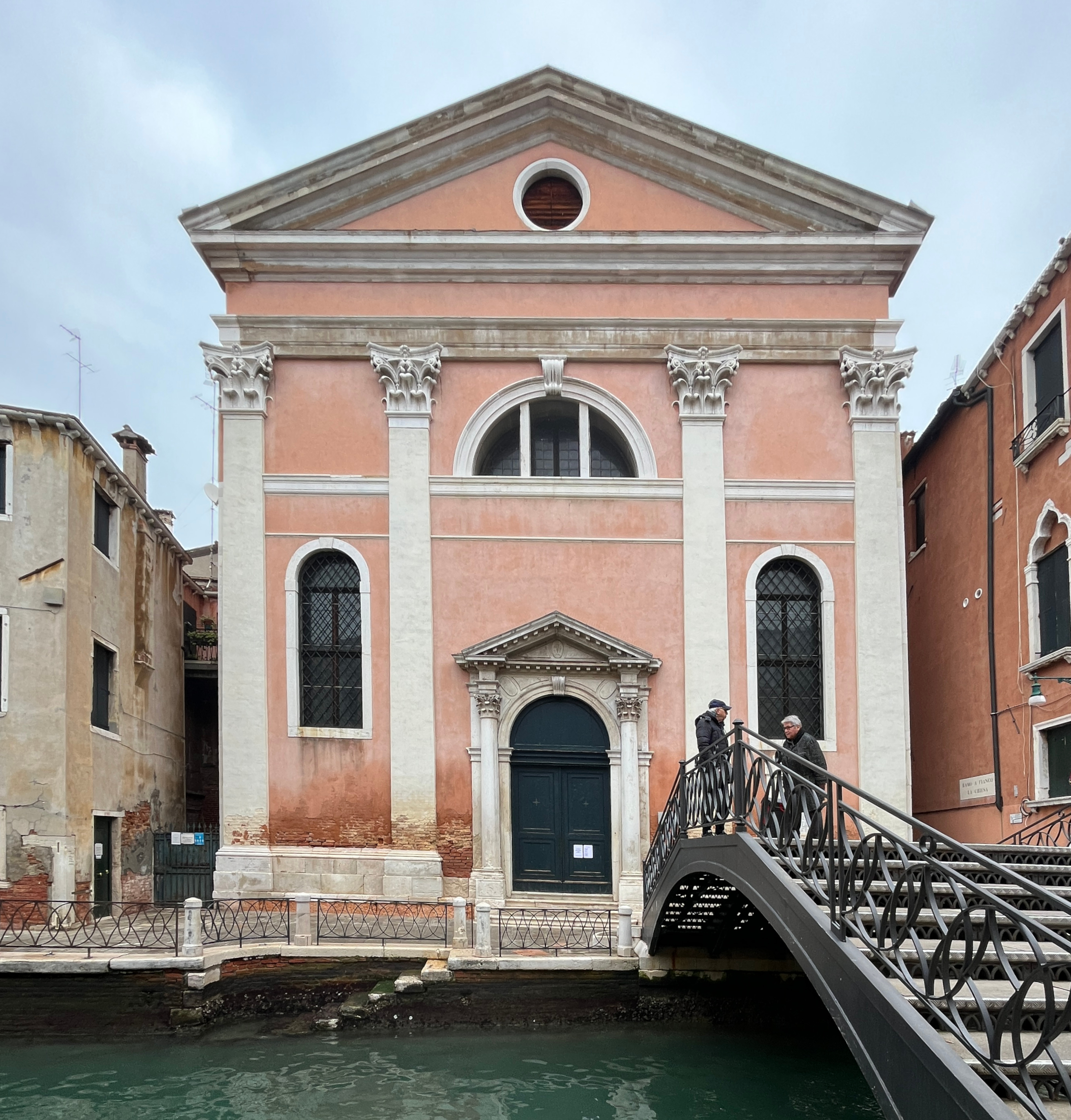
San Bartolomeo is almost hidden within the dense Rialto district, its orange-brick facade punctuated by a striking rose window. The church’s modest exterior belies the richness within and blends seamlessly into Venice’s organic urban landscape (Trips & Leisure).
Interior Layout and Atmosphere
Inside, a single nave flanked by chapels draws the eye toward the high altar. Natural light through the rose window creates a serene, contemplative ambiance, amplifying the impact of the church’s art and architectural features.
Artistic and Decorative Highlights
- High Altar by Bernardino Maccaruzzi: An 18th-century Baroque masterpiece, notable for its marble work and classical proportions (Chiese di Venezia).
- Paintings by Sante Peranda and Palma il Giovane: These works capture the transition from Mannerism to Baroque, with vivid color and dramatic religious scenes.
- Tintoretto and Giovanni De Franchi: Additional paintings by these artists contribute to the church’s diverse artistic collection.
- German School and Marian Cycle: Historic cycles dedicated to the Virgin Mary highlight the German community’s influence.
Decorative marble and stucco, particularly around the altar and chapels, as well as the Gothic rose window, reflect the evolving tastes of Venice’s elite and religious patrons.
Preservation and Restoration
San Bartolomeo has undergone several reconstructions, notably in the 17th century, to address both structural needs and artistic ambitions. Ongoing maintenance is vital due to Venice’s challenging climate, ensuring the preservation of its art and architecture for future generations (Chiese di Venezia).
Visiting San Bartolomeo: Practical Information
Hours and Tickets
- General Hours: Monday–Saturday, 09:30–13:30 and 15:30–17:30; Sunday, 09:30–13:00 and 15:30–17:30. Mass on Sundays and holidays at 11:30 and 19:00 (Basilica di S. Bartolomeo all’Isola).
- Admission: Free for general visits; donations welcomed. Special events or guided tours may require tickets.
- Chorus Pass: For those interested in visiting multiple Venetian churches, the Chorus Pass provides access to over a dozen sites (venice-guide.info).
Travel Tips and Accessibility
- Getting There: Located near the Rialto Bridge. The closest vaporetto stop is “Rialto” (lines 1 and 2). Walking from the train station is possible but involves navigating Venice’s bridges and alleys.
- Accessibility: The entrance is at ground level, though uneven pavement and steps inside may challenge those with limited mobility. Ramps are present at the entrance, but some interior areas may be less accessible.
- Facilities: No public restrooms inside; nearest facilities are by the Rialto Bridge.
Dress Code and Etiquette
- Modest dress (shoulders and knees covered) required.
- Remove hats upon entry. Silence is expected, especially during religious services.
Nearby Attractions
- Rialto Market: Venice’s vibrant food market.
- Fondaco dei Tedeschi: Historic trading post, now a shopping center with a rooftop terrace.
- Campo San Bartolomeo: Features the Carlo Goldoni statue and serves as a lively meeting place.
- Other Churches: Many historic sites are within walking distance or accessible by vaporetto.
Safety, Facilities, and COVID-19 Measures
- Venice is safe, but be alert for pickpockets, especially near crowded sights.
- Emergency number: 112.
- Most COVID-19 restrictions have been lifted as of July 2025, but carrying a mask for crowded indoor spaces is recommended.
Frequently Asked Questions (FAQ)
Q: What are San Bartolomeo’s visiting hours?
A: Monday–Saturday 09:30–13:30 and 15:30–17:30; Sunday 09:30–13:00 and 15:30–17:30. Check for updates on the official website.
Q: Is there an entry fee?
A: Entry is free, but donations are encouraged.
Q: Is San Bartolomeo accessible for visitors with disabilities?
A: Ramps are at the entrance, but some interior areas may have steps.
Q: Can I take photographs inside?
A: Generally yes, except during religious services.
Q: How do I get there?
A: The nearest vaporetto stop is Rialto; it’s a short walk from there.
Discover More
San Bartolomeo is a vibrant symbol of Venice’s religious devotion, mercantile influence, and artistic achievement. Its proximity to the Rialto Bridge, diverse artworks, and ongoing cultural programming make it a must-see for any visitor to Venice. To enrich your visit:
- Plan around the church’s opening hours and events.
- Respect local customs and dress codes.
- Consider attending a Baroque concert for a truly immersive experience.
For the most current information, visit Venice Music Project and Basilica di S. Bartolomeo all’Isola.
Download the Audiala app for personalized tours and real-time updates. Explore more Venice historical sites, and follow us for exclusive content and travel tips.
Listen to the full story in the app
Your Personal Curator, in Your Pocket.
Audio guides for 1,100+ cities across 96 countries. History, stories, and local insight — offline ready.
Audiala App
Available on iOS & Android
Join 50k+ Curators
Sources
- verified
- verified
- verified
- verified
- verified
- verified
Last reviewed: