Introduction to Porto Marghera: History and Cultural Significance
Porto Marghera, situated on the Venetian mainland, is a district where the rich industrial heritage of Venice meets ongoing cultural revitalization and environmental transformation. Conceived in the early 20th century as a solution to Venice’s spatial limitations, Porto Marghera was designed to solidify the city’s status as a European industrial leader. Over the decades, it has evolved from a hub of heavy industry and shipbuilding into an area of environmental remediation and artistic innovation.
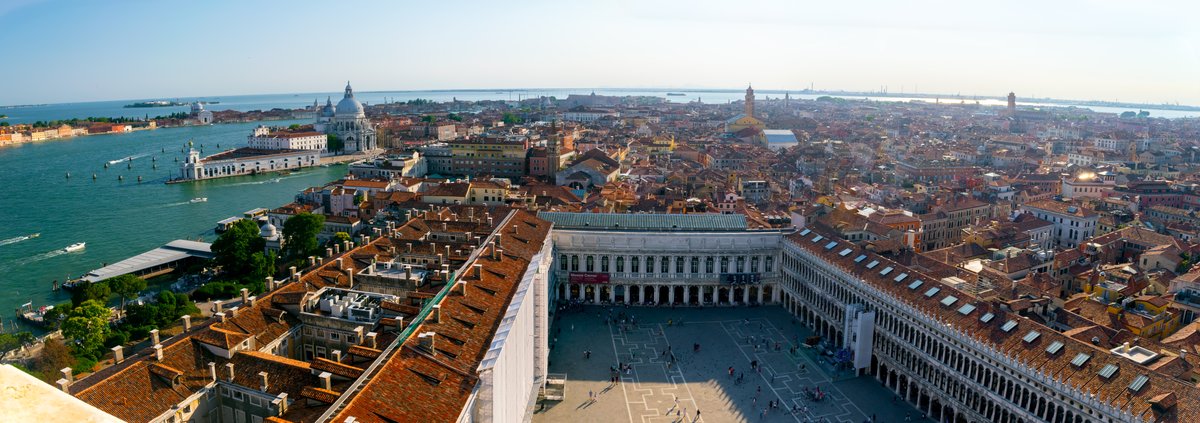
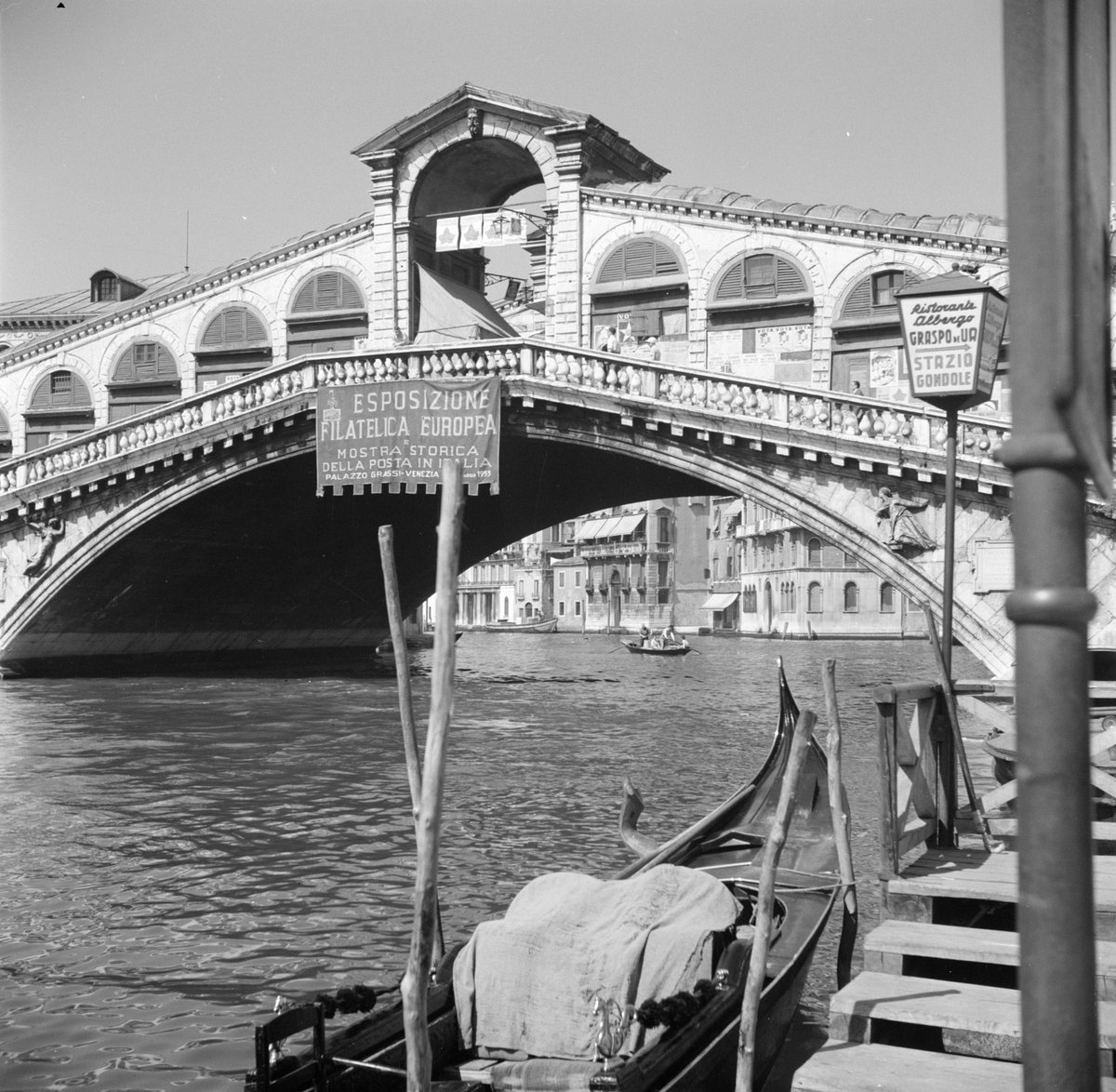
Today, Porto Marghera offers visitors a rare opportunity to explore historic factories, shipyards, and power plants—some repurposed, others in transition—against the backdrop of the Venetian lagoon. The area also functions as a key cruise terminal, providing direct access to Venice’s renowned sites like St. Mark’s Basilica, the Doge’s Palace, and the Rialto Bridge. Guided tours and cultural events in the district illuminate its multifaceted past and present.
This guide delivers comprehensive information on visiting hours, ticketing, transportation, accessibility, and highlights of Porto Marghera, ensuring travelers can make the most of their visit. For up-to-date details, refer to official resources such as the Venice Tourist Board, Bonjour Venise, ENI Rewind, and Venice the Future.
Early Industrial Ambitions and Foundations
By the late 19th century, Venice’s traditional economy faced spatial constraints, prompting a search for new industrial zones. The Marghera area, with its promising railway and port infrastructure, was identified as ideal for expansion. Giuseppe Volpi, a prominent entrepreneur, spearheaded the vision for a vast industrial complex that would propel Venice onto the European stage (Venice the Future, Bonjour Venise).
Extensive land reclamation and the construction of docks, railways, and canals marked the beginning of Porto Marghera’s transformation into one of Europe’s largest industrial areas (ENI Rewind).
Birth and Expansion (1917–1945)
Porto Marghera was officially established between 1917 and 1921, featuring a modern port complex capable of handling large steamships. By 1928, it housed more than 50 industrial plants specializing in steel, chemicals, shipbuilding, and energy (ENI Rewind). Notable structures included the Chiari & Forti mill and the “Giuseppe Volpi” thermoelectric plant, both symbols of the area’s industrial prowess (Bonjour Venise).
Postwar Growth and Industrial Peak (1945–1980s)
After World War II, Porto Marghera’s expansion accelerated. The Fincantieri shipyards, descendants of the original Breda yards, became world leaders in cruise ship construction. The area attracted major companies like Agip and Enichem, dominating Italy’s chemical and energy sectors (Bonjour Venise, ENI Rewind).
Environmental Challenges and Industrial Decline (1990s–2000s)
By the 1990s, industrial decline set in amid growing environmental concerns. Following the collapse of Enimont, remediation became a priority, with Porto Marghera declared a Site of National Priority in 2000 (ENI Rewind). Extensive cleanup projects targeted contaminated soil and water. By 2008, most heavy industry had ceased operations, shifting focus to environmental recovery.
Contemporary Transformation and Cultural Reappraisal (2010s–2025)
In recent years, Porto Marghera has attracted artists, researchers, and urban planners drawn to its industrial landscapes and potential for renewal (Bonjour Venise). Many obsolete facilities are being reimagined as logistics centers, research hubs, or creative spaces. The operational shipyards and new cruise terminal underscore Marghera’s enduring economic and logistical significance (Travel with the Greens).
Visiting Porto Marghera: Hours, Tickets, and Tours
Visiting Hours
Porto Marghera is primarily an operational industrial and port area. Public access is limited, but guided tours and special events are generally available from 9:00 AM to 5:00 PM. Always confirm specific times with tour operators or local information centers.
Tickets and Guided Tours
Due to safety and operational restrictions, individual access to most industrial sites is not permitted. Guided tours, available through specialized agencies or cultural organizations, often grant access to historic buildings, select shipyards, and environmental projects. Ticket prices vary; some public events and exhibitions are free.
Accessibility and Travel Tips
- Getting There: Reachable by car, bus, and water taxi from Venice’s center. Public buses run frequently.
- Accessibility: Some areas are wheelchair-friendly, but industrial zones may have uneven surfaces. Check with tour providers for details.
- Best Visiting Period: Spring and autumn offer mild weather.
Nearby Attractions
- Venice Landmarks: St. Mark’s Basilica, Doge’s Palace, and Rialto Bridge are easily accessible.
- Mulini Stucky: A converted industrial complex now serving as a hotel and event venue.
- Venice Cruise Terminal: Porto Marghera acts as a gateway for cruise passengers heading into Venice.
Cultural Significance, Events, and Unique Features
Porto Marghera’s industrial landscapes have inspired a vibrant cultural scene. Highlights include:
- Art Installations and Exhibitions: Frequent shows explore the interplay between industry and nature.
- Environmental Projects: Ongoing remediation efforts are integrated into educational and visitor experiences.
- Photography Hotspots: Unique vistas juxtapose industrial relics with lagoon views.
Regular festivals, open-air exhibitions (such as Giorgio Bombieri’s “Tracce”), and local markets like the Mercato di Marghera foster a lively community spirit (Portus Online, Gangwaze).
Visiting Venice from Porto Marghera: Key Information
Arrival and Port Logistics
Large cruise ships and cargo vessels dock at Porto Marghera, as Venice’s historic center restricts access for sizable ships (Nautical Flock). Shuttle buses transfer passengers to Piazzale Roma—the primary gateway to Venice—where you can continue by water bus (vaporetto), water taxi, or on foot (The Points Guy). Always check your cruise line’s instructions, as check-in procedures may vary.
Navigating Venice: Hours, Tickets, and Accessibility
- St. Mark’s Basilica: Open 9:30 AM–5:00 PM (last entry 4:45 PM); museum and terrace require tickets.
- Doge’s Palace: Open 8:30 AM–7:00 PM.
- Rialto Market: Generally open early morning to 2:00 PM.
Tickets: Purchase online in advance for major attractions to skip lines. Vaporetto single tickets are €9.50; day and multi-day passes available.
Accessibility: Venice poses challenges, but key routes and attractions offer ramps and accessible boats (Visit Venice Accessibility Guide).
Visitor Experience Highlights
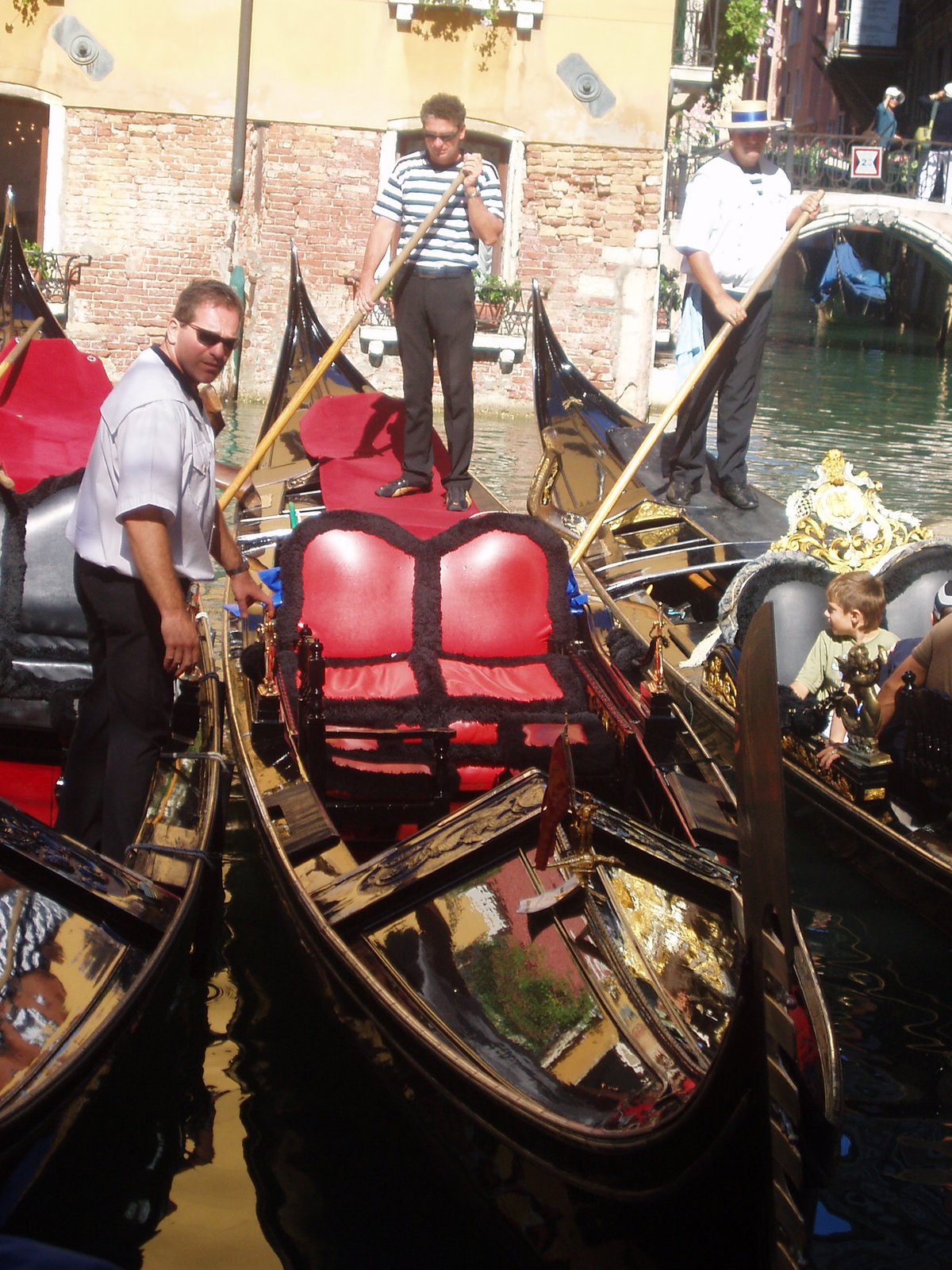
- Guided Tours: Walking tours, gondola rides, and themed excursions enrich your visit; book early for availability and skip-the-line access.
- Island Excursions: Murano and Burano are easily reached by vaporetto, offering artisan workshops and quiet charm.
- Dining & Shopping: Venture beyond tourist hotspots for authentic cuisine and local crafts—Murano glass, Venetian masks, and marbled paper are popular souvenirs.
Practical Tips and Exploring Beyond Venice
- Venice Entry Fee: As of 2025, a €5 fee applies for day visitors; overnight guests must register online (Earth Trekkers).
- Weather: Summer can be humid and crowded; pack light, breathable clothing and sun protection.
- Nearby Destinations: Explore Mira (Villa Foscari), Mestre, Stra, and Lido di Venezia for additional cultural and natural attractions (Visit Italy, One Port at a Time).
Frequently Asked Questions (FAQ)
Q: What are Porto Marghera’s visiting hours?
A: Guided tours and events generally operate from 9:00 AM to 5:00 PM; check with operators for specifics.
Q: Do I need tickets to visit Porto Marghera?
A: Access to industrial and cultural sites usually requires guided tour tickets; some public events are free.
Q: How do I reach Porto Marghera from Venice?
A: Regular buses, taxis, water taxis, and shuttles connect the two areas.
Q: Are there accessible routes for wheelchairs?
A: Some areas and attractions are accessible, but check with tour providers and consult official accessibility guides.
Q: What’s the best way to get from Porto Marghera to Venice’s center?
A: Shuttle bus to Piazzale Roma, followed by vaporetto or walking; water taxis are a faster, more expensive option.
Visuals and Media Recommendations
- Historical images: Porto Marghera’s industrial development (alt: "Historical view of Porto Marghera industrial zone")
- Current photography: Shipyards, docks, cultural events (alt: "Porto Marghera shipyards and docks")
- Maps: Highlighting visitor routes and key attractions (alt: "Map of Porto Marghera visitor attractions")
- Exhibition shots: Art installations and festivals (alt: "Art exhibition in Porto Marghera")
Listen to the full story in the app
Your Personal Curator, in Your Pocket.
Audio guides for 1,100+ cities across 96 countries. History, stories, and local insight — offline ready.
Audiala App
Available on iOS & Android
Join 50k+ Curators
Sources
- verified
- verified
- verified
- verified
- verified
- verified
- verified
- verified
- verified
- verified
- verified
Last reviewed: