Introduction
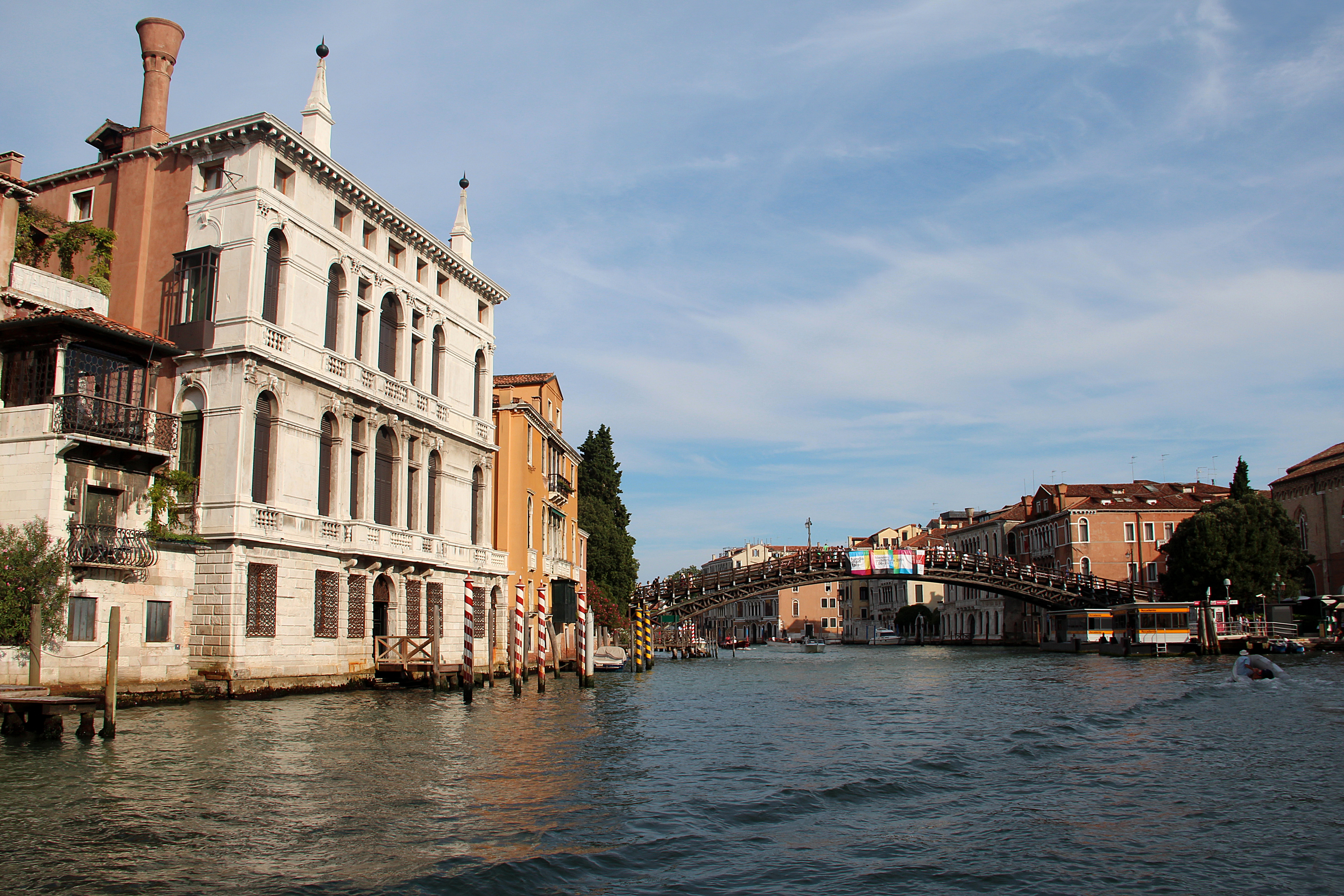
Palazzo Tiepolo, also known as Palazzo Tiepolo Passi, stands as a striking emblem of Venice’s Renaissance and Rococo heritage. Situated on the Grand Canal in the San Polo district, this palace represents centuries of Venetian aristocratic life, architectural innovation, and artistic achievement. Originally built for the influential Tiepolo family in the 16th century, the palazzo not only showcases the transition from Gothic to Renaissance styles but also preserves a legacy of decorative arts and cultural events. Today, Palazzo Tiepolo is a living venue, hosting exhibitions and concerts, and is a must-visit for enthusiasts of art, history, and architecture.
This guide details the palazzo’s history, architectural features, artistic highlights, practical visiting tips, ticketing, accessibility, and nearby attractions—providing everything you need for an enriching visit. For the most up-to-date information, always check with official sources and cultural partners (La Biennale di Venezia, Le Dimore del Quartetto, The Art Story).
Origins and Construction
Commissioned in the mid-16th century by the Tiepolo family, Palazzo Tiepolo occupies a prime stretch of the Grand Canal between Palazzo Pisani Moretta and Palazzo Tiepoletto. Its Renaissance Lombard-style facade, distinguished by balanced symmetry and quadrifora windows, marks the city’s architectural shift from Gothic to the Renaissance. The palazzo’s structural foundation rests on thousands of wooden piles, a testament to Venetian engineering (Parametric Architecture).
The Tiepolo Family Legacy
The Tiepolo family left an indelible mark on Venetian society as doges, diplomats, and patrons of the arts. Their legacy is enshrined in the palace’s history, with notable residents and visitors, including the German writer Franz Joseph von Bülow prior to World War I. The Tiepolo name is most closely linked to the celebrated Rococo painter Giambattista Tiepolo, whose influence shaped the artistic narrative of the palazzo and Venice at large (The Art Story).
Artistic and Architectural Highlights
Palazzo Tiepolo’s exterior features original frescoes by Andrea Meldolla (Lo Schiavone), visible on the upper facade. The interiors, especially the noble floors, are adorned with 18th-century frescoes, stucco work, terrazzo floors, and period furnishings, many of which are showcased during public events (Le Dimore del Quartetto).
Architectural Context
Facade and Structural Features
The palace’s Renaissance facade is notable for its central axis, four-light windows, and distinctive twin water portals—reflecting its historical use by two families. The use of durable Istrian stone, restrained ornamentation, and the piano nobile’s large, airy rooms exemplify the transition from Venetian Gothic verticality to Renaissance harmony (La Biennale di Venezia).
Interior Decoration
Inside, Palazzo Tiepolo boasts elegant frescoed ceilings, polychrome stucco, and original terrazzo floors. These details have been carefully preserved and restored, especially in the noble floors now used for exhibitions and concerts during special events.
Restoration and Contemporary Use
Ongoing restoration supports the palazzo’s adaptive reuse as a cultural venue. Its private dock, courtyard, and garden enhance its suitability for art, music, and dance events, particularly during the Venice Biennale (La Biennale di Venezia).
Artistic Legacy
Giambattista Tiepolo and the Venetian Rococo
Giambattista Tiepolo, a descendant of the palace’s founding family, is renowned as the leading figure of Venetian Rococo. His luminous, allegorical frescoes, characterized by dramatic foreshortening and pastel hues, are celebrated throughout Europe. Though Palazzo Tiepolo does not house his most famous works, it remains a vital site for understanding his legacy and the broader network of Venetian decorative arts (The Art Story).
Notable Frescoes and Decorative Art
While the palace’s best-known frescoes are remnants by Andrea Meldolla, its Rococo interiors reflect the taste and aspirations of Venice’s nobility. Gilt-carved furniture, elaborate stucco, and pastel-colored panels contribute to a unified aesthetic. The Tiepolo family’s artistic ties extended to other leading artists, reflecting the city’s vibrant 18th-century cultural scene (Finestre sull’Arte).
Visiting Palazzo Tiepolo
Visiting Hours and Tickets
Unlike many museums, Palazzo Tiepolo Passi is a private residence and cultural venue, opening primarily during special exhibitions, concerts, and events. Hours generally align with event schedules—typically 10:00 AM–6:00 PM during public openings. Always confirm dates and times through official sources or partners such as Le Dimore del Quartetto.
- Tickets: Prices vary by event, generally €10–€20 for exhibitions, with discounts for students, seniors, and children. Some concerts may be free; booking online in advance is recommended.
- Guided Tours: Available for many events in Italian and English; check event listings for details.
Accessibility
The ground floor and some public areas are accessible, but upper noble floors often require stair access. Visitors with mobility concerns should contact organizers before attending.
Guided Tours and Events
Palazzo Tiepolo is a sought-after venue for cultural programming, including art exhibitions during the Venice Biennale, contemporary shows like “Beauty and the Beast,” and classical concerts by groups such as Le Dimore del Quartetto (Architectural Digest).
How to Get There
The palazzo is accessible via vaporetto (waterbus) stops at San Tomà or Ca’ Rezzonico. It is a short walk from the Rialto Bridge, Campo San Polo, and other major landmarks. Private water taxis can dock directly at the twin water portals.
Tips and Best Times to Visit
- Best Times: Spring and autumn offer pleasant weather and more frequent events. Early mornings or late afternoons are quieter.
- Dress Code: Smart attire is recommended for concerts or evening events.
- Photography: Permitted in most areas (non-flash), but always confirm with staff.
Events and Cultural Programming
Palazzo Tiepolo is a dynamic cultural venue, hosting contemporary art exhibitions, concerts, and occasional themed events, especially during major festivals like the Venice Biennale. Advance booking is essential due to limited capacity.
Nearby Attractions
Located in the heart of San Polo, Palazzo Tiepolo is close to:
- Palazzo Pisani Moretta — another historic palace renowned for its Carnival balls (Opera Tickets Italy)
- Rialto Bridge — Venice’s most famous crossing
- Campo San Polo — a lively square surrounded by historic architecture
- Frari Church — home to masterpieces by Titian
Visitor Experience and Practical Tips
- Advance Booking: Reserve tickets online for events due to limited public access.
- Mobility: Contact organizers ahead for accessibility support if needed.
- Restrooms and Cloakroom: Available during events; facilities may be limited.
- Language Support: Tours and signage are typically in Italian and English.
Seasonal Considerations
Peak seasons (spring and autumn) feature more events but larger crowds. Winters are quieter and suited for visitors seeking a more intimate experience. Dress accordingly for the season, as Venice can be humid in summer and cool in winter (Venice Travel Tips).
Safety and Visitor Conduct
- Security: Bag checks are common at public events.
- Respect: Please refrain from touching artworks or architectural features.
Frequently Asked Questions (FAQ)
Q: What are the typical visiting hours?
A: Palazzo Tiepolo is open during special exhibitions and events; check official calendars for details.
Q: How do I purchase tickets?
A: Tickets are available online via official event websites or through cultural partners.
Q: Is the palazzo accessible for those with mobility issues?
A: The ground floor is accessible; upper floors may require stairs. Contact organizers for assistance.
Q: Are guided tours offered?
A: Yes, for many events and exhibitions; check event details.
Q: Is photography allowed?
A: Usually permitted without flash; confirm at entry.
Visuals and Media Suggestions
- High-resolution photos of the palace’s facade, noble floors, and frescoes (with alt text such as “Palazzo Tiepolo Passi Renaissance facade”)
- Interactive maps pinpointing the location along the Grand Canal
- Links to virtual tours or event videos, where available
Contact and Further Information
- Le Dimore del Quartetto – Palazzo Tiepolo Passi
- Beauty and the Beast Exhibition
- Venice Biennale Official Site
For private or group visits, consult the official websites for contact details.
Listen to the full story in the app
Your Personal Curator, in Your Pocket.
Audio guides for 1,100+ cities across 96 countries. History, stories, and local insight — offline ready.
Audiala App
Available on iOS & Android
Join 50k+ Curators
Sources
- verified
- verified
- verified
- verified
- verified
Last reviewed: