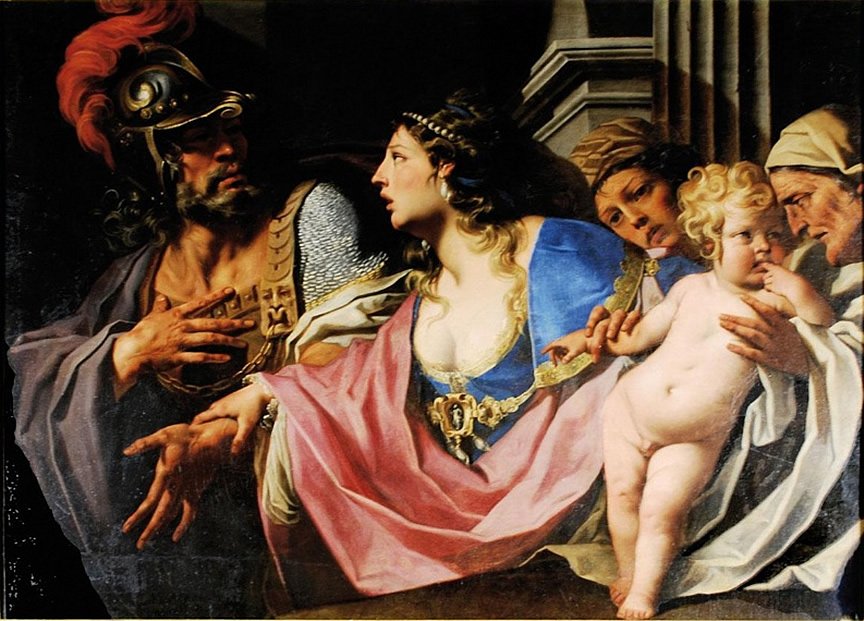
Plan and listen to Palazzo Pisani Moretta with Audiala.
Audio guide in your pocket, itinerary in your browser. Built for the way you actually visit.
Introduction
Nestled along the Grand Canal in Venice, Palazzo Pisani Moretta stands as a stunning example of Venetian Gothic architecture. Constructed in the second half of the 15th century by the Bembo family, this historical gem has undergone numerous renovations and expansions over the centuries, most notably during the 18th century (ItalyScapes). The palace transitioned to the ownership of the Pisani family in 1629, specifically the Pisani Moretta branch, which played a significant role in its architectural and artistic evolution (Wikipedia). The interior of Palazzo Pisani Moretta is a treasure trove of artistic masterpieces, featuring works by renowned artists such as Giambattista Tiepolo, Giambattista Piazzetta, and Jacopo Guarana (Schmidt Holidays). Throughout its illustrious history, the palace has hosted numerous notable guests, including Tsar Paul I of Russia and Joséphine de Beauharnais, underscoring its significance as a center of social and political activity in Venice (Wikipedia). This comprehensive guide explores the rich history, architectural significance, and essential visitor information, including ticket prices, opening hours, and travel tips for making the most of your visit to one of Venice's most iconic landmarks.


Origins and Early History
Palazzo Pisani Moretta, constructed in the second half of the 15th century by the Bembo family, is a stunning example of Venetian Gothic architecture. This period marked a significant era in Venice's architectural development, characterized by the fusion of Byzantine and Gothic styles. The palace's initial design reflected the grandeur and opulence that would come to define its later iterations (ItalyScapes).
Transition to the Pisani Family
In 1629, the palace transitioned to the ownership of the Pisani family, specifically the Pisani Moretta branch. The name "Moretta" is derived from a mispronunciation of Almorò Pisani, the founder of this family branch. This period marked the beginning of significant renovations and expansions that would continue over the centuries (Wikipedia).
18th Century Renovations
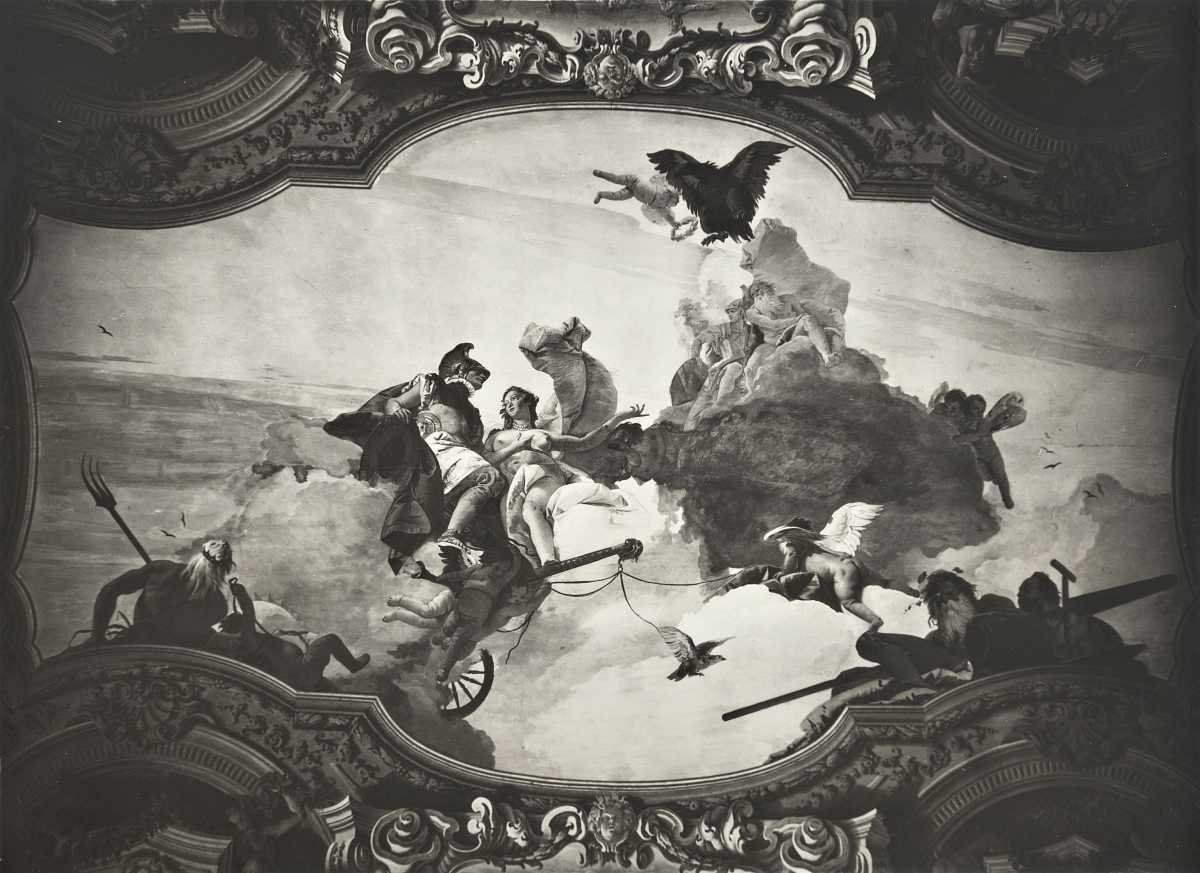
The 18th century was a transformative period for Palazzo Pisani Moretta. The palace underwent extensive renovations, which included the addition of valuable interior decorations. Many of these enhancements were commissioned by Francesco Pisani Moretta, the last male descendant of the family. The interior was adorned with frescoes and stuccoes by renowned artists such as Giambattista Tiepolo, Giambattista Piazzetta, and Jacopo Guarana (Schmidt Holidays).
Notable Guests and Events
Throughout its history, Palazzo Pisani Moretta has hosted numerous illustrious guests. Notable figures include Tsar Paul I of Russia, Joséphine de Beauharnais, and Joseph II, Holy Roman Emperor. These visits underscore the palace's significance as a center of social and political activity in Venice (Wikipedia).
Architectural Evolution
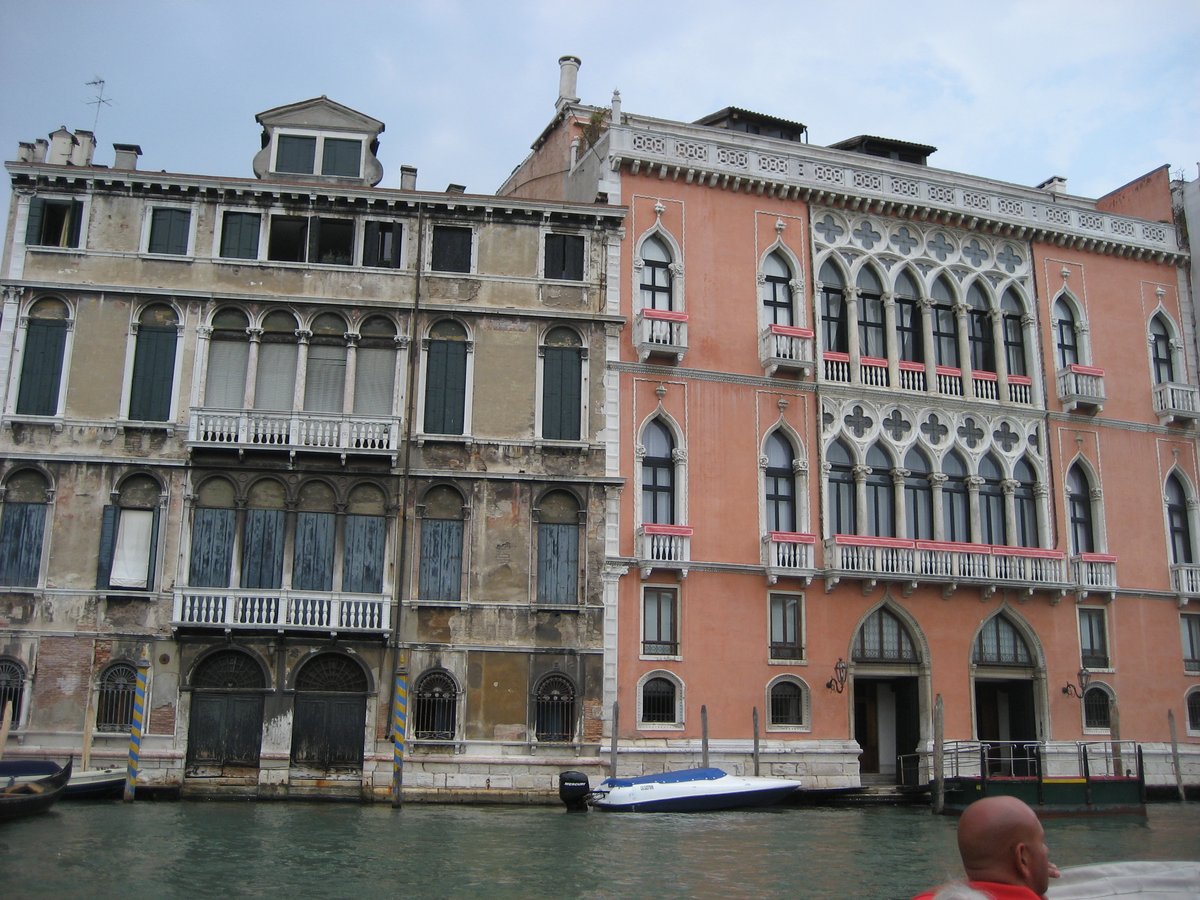
The architectural evolution of Palazzo Pisani Moretta is a testament to the changing tastes and influences over the centuries. The facade, characterized by its Venetian Gothic floral style, features two floors of six-light mullioned windows with ogival arches, reminiscent of the loggia of the Doge's Palace. The ground floor includes two central pointed arched doorways opening onto the canal, a feature that highlights the importance of waterways in Venice's transportation system (ItalyScapes).
Artistic Significance
The interior of Palazzo Pisani Moretta is a treasure trove of artistic masterpieces. The grand staircase, designed by Giuseppe Sardi in the late 17th century, is particularly noteworthy. The ceiling of the staircase showcases one of Tiepolo's most celebrated works, "The Glory of the Pisani Family." Additionally, the first noble floor features frescoes by Jacopo Guarana, while side rooms house works by Giambattista Tiepolo and Pietro Longhi (Schmidt Holidays).
Ownership and Preservation
The Pisani family retained ownership of the palace until the family line died out in 1880. Despite this, the building remains privately owned and has been meticulously preserved. Recent renovations have ensured that the palace continues to host sumptuous masquerade balls during the Carnival of Venice, maintaining its historical and cultural significance (ItalyScapes).
Visitor Information: Ticket Prices, Opening Hours, and Travel Tips
While Palazzo Pisani Moretta is a private residence and not regularly open to the public, it opens its doors for special events, particularly during the annual Venice Carnival. During these occasions, visitors can explore the splendid ballrooms, ornate reception rooms, and magnificent halls, providing a glimpse into Venice’s opulent past. Ticket prices vary depending on the event, so it is recommended to check the official website for the latest information. Typically, the palace opens its doors in the evenings for exclusive masquerade balls, with prices starting from approximately €500 per person.
Opening Hours
- Special Events: Limited to specific dates, usually during the Venice Carnival.
- Tickets: Prices vary; check the official website for updates.
Travel Tips
- Book in advance: Given the exclusivity of events, tickets sell out quickly.
- Dress code: Formal attire is often required for events, especially masquerade balls.
- Arrival: Arrive early to enjoy the full experience and avoid the last-minute rush.
Nearby Attractions and Accessibility
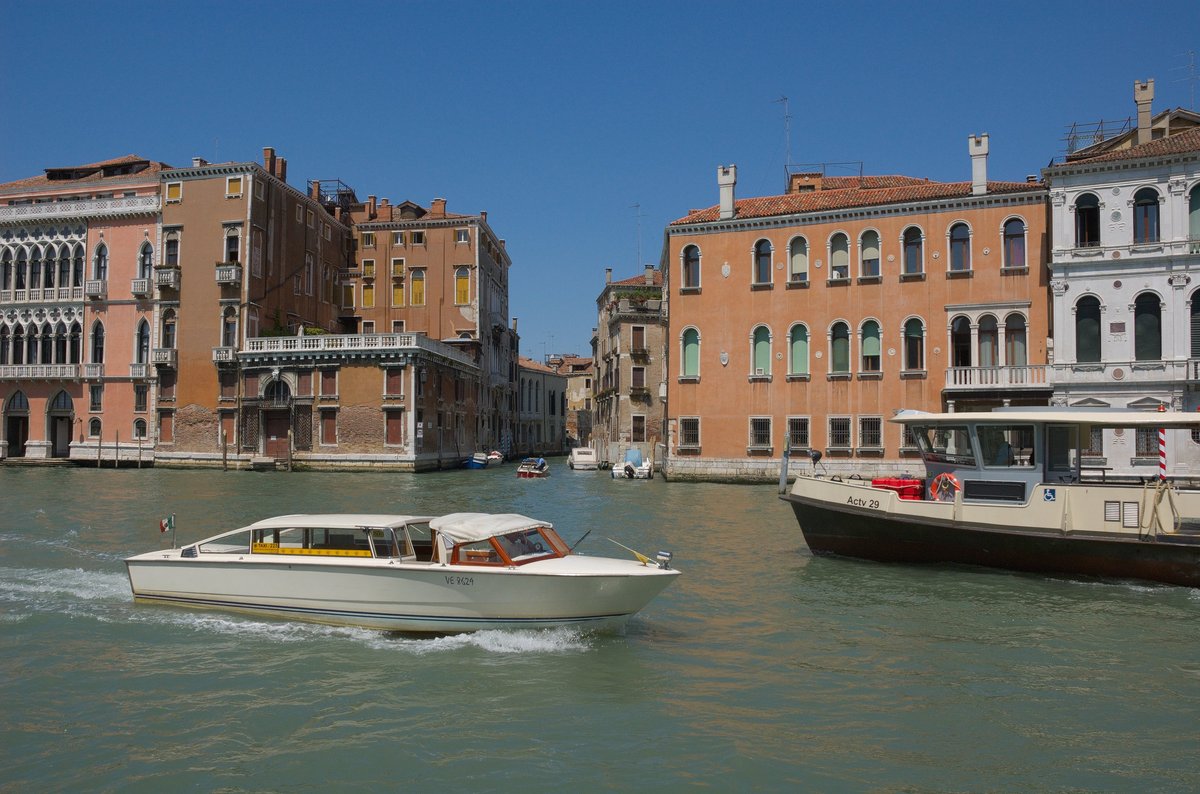
Palazzo Pisani Moretta is conveniently located in the San Polo district, overlooking the Grand Canal between Palazzo Barbarigo della Terrazza and Palazzo Tiepolo. It is approximately 1.1 kilometers on foot from the Santa Lucia railway station. The closest vaporetto stop is San Toma, about 250 meters away, serviced by waterbus Lines 1 and 2. Nearby attractions include the Rialto Bridge, the Basilica dei Frari, and the Scuola Grande di San Rocco (Rialto Bridge; Basilica dei Frari; Scuola Grande di San Rocco).
Special Events and Guided Tours
One of the most notable events held at the palace is the annual masquerade ball, Il Ballo del Doge, which attracts visitors from around the world. Guided tours are occasionally available during special events, offering insights into the palace’s history, architecture, and art.
Best Photographic Spots
- The Grand Staircase: Capture the grandeur of the staircase designed by Giuseppe Sardi.
- The Ballrooms: The opulent ballrooms provide a perfect backdrop for stunning photos.
- The Canal View: The palace's facade and canal view offer quintessential Venetian scenery.
FAQ
Q: Is Palazzo Pisani Moretta open to the public? A: The palace is a private residence and is only open for special events, primarily during the Venice Carnival.
Q: How much do tickets cost for events at Palazzo Pisani Moretta? A: Ticket prices vary depending on the event. For exclusive masquerade balls, prices start from approximately €500 per person.
Q: What is the best time to visit Palazzo Pisani Moretta? A: The best time to visit is during the Venice Carnival when the palace hosts special events and masquerade balls.
Q: Are guided tours available? A: Guided tours are occasionally available during special events.
Q: How do I get to Palazzo Pisani Moretta? A: The palace is located in the San Polo district, approximately 1.1 kilometers from the Santa Lucia railway station. The closest vaporetto stop is San Toma.
Tickets & tours.
These are guided options from our partners — same price as booking direct.
Prices are indicative — final pricing and availability are confirmed at checkout. Audiala may earn a commission from bookings made through these links.
Listen to the full story in the app
The whole Palazzo Pisani Moretta,
told well.
Audio guides for 1,100+ cities across 96 countries. History, stories, and local insight — offline ready.
Verified, and shown.
Researched and written by the Audiala editorial team from historical records, architectural archives, and local expertise.
Palazzo Pisani Moretta
Palazzo Pisani Moretta
Palazzo Pisani Moretta: A Journey into Venice's Noble Past
Researched from Wikidata, Wikipedia & official sources · fact-checked · How we make our guides →