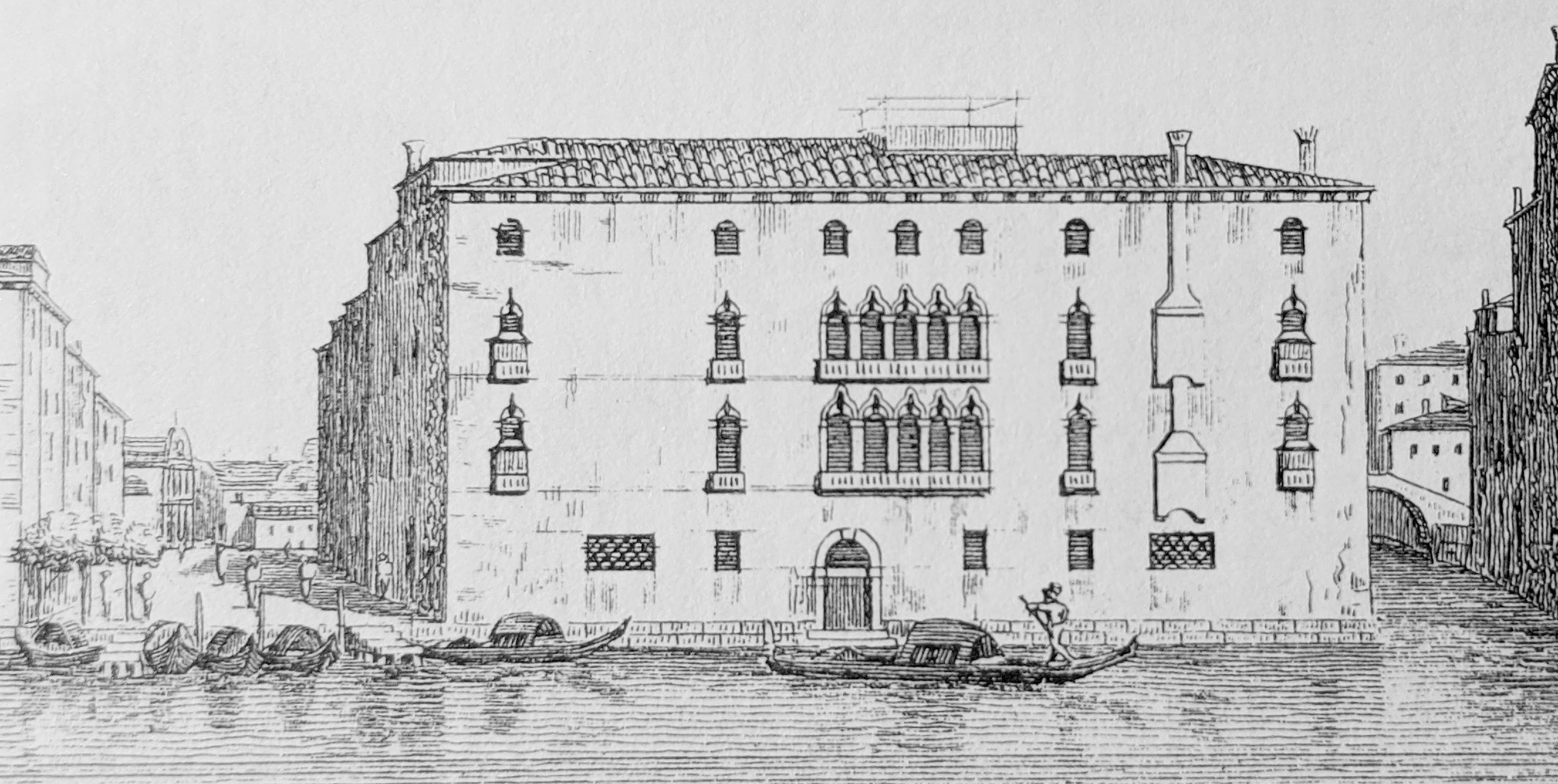
Introduction: The Enduring Significance of Palazzo Pisani Gritti
Palazzo Pisani Gritti—today known as The Gritti Palace—stands as one of Venice’s most illustrious historical and architectural treasures. Overlooking the Grand Canal, the palazzo is a living testament to the city’s evolution from medieval maritime powerhouse to modern cultural capital. Built for the influential Pisani family in the mid-15th century and later acquired by the renowned Gritti family, including Doge Andrea Gritti, the structure embodies Venetian Gothic and Renaissance grandeur, enriched by centuries of political, artistic, and social significance (WGA; Trek Zone).
Today, The Gritti Palace operates as a luxury hotel, seamlessly integrating historical artistry with modern amenities. Its lavish interiors feature Murano glass chandeliers, period furnishings, and a curated collection of art reflecting the tastes of Venetian aristocracy. The palazzo’s strategic location near Piazza San Marco and the Accademia Gallery further cements its role as a cultural epicenter (Veneto Secrets; Luxury Guide USA).
This detailed guide provides essential information on visiting hours, ticketing, guided tours, and nearby attractions, ensuring travelers can fully experience the historic and cultural riches of Palazzo Pisani Gritti.
Origins and Historical Evolution
Early Foundations
Constructed in the mid-15th century for the Pisani family, Palazzo Pisani Gritti originally showcased the wealth and influence of one of Venice’s foremost dynasties (WGA). The façade facing the Grand Canal was adorned with five-lancet windows and Istrian stone quoins, symbolizing the Venetian Gothic style’s hallmark elegance and verticality. Artistic flourishes, including frescoes attributed to Giorgione, once decorated its exterior, though these masterpieces have been lost to history.
Architectural Transformation
With its transfer to the Gritti family in the 16th century, the palazzo saw Renaissance enhancements that introduced a greater sense of proportion, symmetry, and refined detail (Trek Zone; Luxury Guide USA). Over subsequent centuries, Baroque and later modern interventions added new layers, culminating in its transformation into a luxury hotel in the 19th century while preserving its historic core (Conoscere Venezia).
Architectural Highlights
- Venetian Gothic Façade: Distinctive five-lancet windows, stone balconies, and twisted columns.
- Renaissance and Baroque Interiors: Grand spiral staircase with diamond-pointed arches, richly decorated salons, and period woodwork.
- Murano Glass and Artistic Furnishings: Opulent use of Murano glass chandeliers, silver-leafed ceilings, and Venetian-stucco walls (This is Glamorous).
- Preserved Artistic Heritage: While many frescoes have faded, the palazzo’s interiors remain filled with period art and decoration.
Notable Residents and Guests
Palazzo Pisani Gritti has been home to Venetian elites and Doge Andrea Gritti, whose leadership marked a period of prosperity for the city. Throughout its history, the palace has hosted a range of illustrious figures, including John Ruskin, Ernest Hemingway, and W. Somerset Maugham, who have contributed to its literary and artistic legacy (Veneto Secrets).
The palazzo also served as a center for social gatherings, diplomatic meetings, and the residence of Vatican ambassadors, highlighting its political and international significance (Italyscapes).
Cultural and Artistic Significance
- Artistic Legacy: The palace is closely associated with Venetian masters, including Giorgione, and has inspired writers and artists for centuries.
- Literary Connections: Ruskin penned parts of The Stones of Venice here; Hemingway set scenes from Across the River and Into the Trees within its walls.
- Cultural Hub: Today, the palazzo remains a focal point for Venetian hospitality, fine dining, and exclusive events, especially during major festivals like the Biennale and Carnival (Luxury Guide USA; Veneto Secrets).
Visiting Hours, Tickets, and Booking
- Hotel Public Areas: Open daily; lobby, Club del Doge restaurant, and Gritti Terrace accessible to non-guests from 11:00 AM to midnight. Reservations are recommended for dining (Veneto Secrets).
- Guided Tours: Tours of historical interiors and special exhibitions require advance ticketing, often available through the Venice Conservatory or Venice Tourism Board. Guided tours typically last about one hour.
- Tickets: Standard guided tour tickets are €15, with discounts for residents and students. Details and booking links are available online.
- Accessibility: The hotel is partially accessible; some historic areas lack elevator access. The guided tour route includes 195 stairs to the rooftop terrace and is not suitable for wheelchair users.
Travel Tips and Access
- Getting There: Located at Campo Santa Maria del Giglio, accessible by vaporetto lines 1 and 2 (San Samuele or Santa Maria del Giglio stops). The palace is a short walk from both the Venezia Santa Lucia train station and central bus stations.
- Best Time to Visit: Early mornings and late afternoons offer the most tranquil experience and optimal lighting for photography.
- Dress Code: Modest, comfortable attire and walking shoes are recommended; large bags may be restricted.
Guided Tours and Visitor Experience
- Tour Content: The guided tour covers the grand halls, frescoed salons, and the renowned Conservatory Library, home to rare manuscripts including the only original Vivaldi score in Venice.
- Unique Features: Visitors will discover hidden Masonic symbols, period furnishings, and stories of the palazzo’s former residents.
- Conservatory of Music: Since the 19th century, the building has housed the Venice Conservatory of Music, and occasional encounters with students and musicians add to the living atmosphere.
Rooftop Terrace: Venice’s Highest Viewpoint
The palazzo’s rooftop terrace, at 31 meters, is Venice’s highest accessible point for panoramic views. It offers breathtaking vistas of the Grand Canal, lagoon, and city skyline—ideal for photographers and visitors seeking a unique perspective on Venice. The terrace is also a distinguished venue for special events and film locations, having featured in productions like "007" and "Mission Impossible."
Frequently Asked Questions (FAQs)
Q: What are the visiting hours for Palazzo Pisani Gritti?
A: Guided tours are available Wednesday through Monday, 9:00 am to 7:00 pm; closed Tuesdays. The hotel’s public spaces are open daily, with the terrace and restaurant from 11:00 AM to midnight.
Q: How do I book tickets or a stay?
A: Book through the official Gritti Palace website, Venice Conservatory, or Venice Tourism Board.
Q: Is the palazzo wheelchair accessible?
A: Some hotel areas are accessible, but guided tours involve stairs and are not suitable for those with mobility challenges.
Q: Are guided tours available in multiple languages?
A: Yes, tours are offered in English and Italian.
Q: Can I visit independently?
A: Access to the historic interiors and rooftop is by guided tour only.
Visuals and Media
- Façade and Canal Views: Images of the Venetian Gothic façade and panoramic Grand Canal vistas.
- Interior Highlights: Photographs of Murano glass chandeliers, frescoed ceilings, and the grand staircase.
- Rooftop Terrace: Breathtaking cityscape views from the terrace.
- Alt Text for SEO: Use descriptive alt text such as "Venetian Gothic façade of Palazzo Pisani Gritti on the Grand Canal" for accessibility and search optimization.
Explore virtual tours and image galleries on the Venice Tourism website and Conservatory site.
Related Articles
- Top Venice Historical Sites to Visit
- Venetian Gothic Architecture: A Guide
- Venice Travel Tips: Navigating by Vaporetto
Listen to the full story in the app
Your Personal Curator, in Your Pocket.
Audio guides for 1,100+ cities across 96 countries. History, stories, and local insight — offline ready.
Audiala App
Available on iOS & Android
Join 50k+ Curators
Sources
- verified
- verified
- verified
- verified
- verified
- verified
- verified
- verified
- verified
- verified
- verified
Last reviewed:


