Introduction: Discovering Palazzo Grimani di San Luca
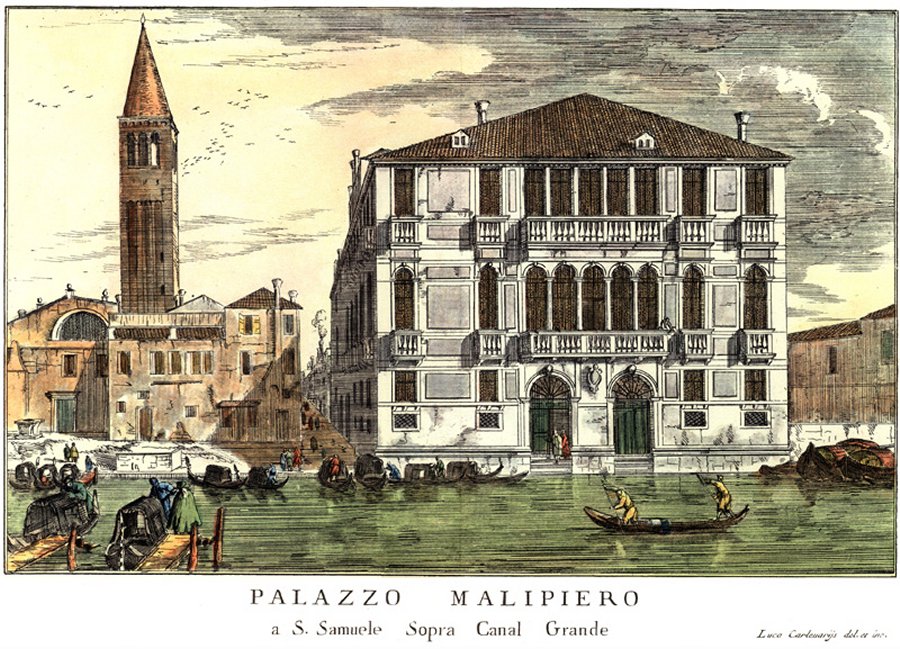
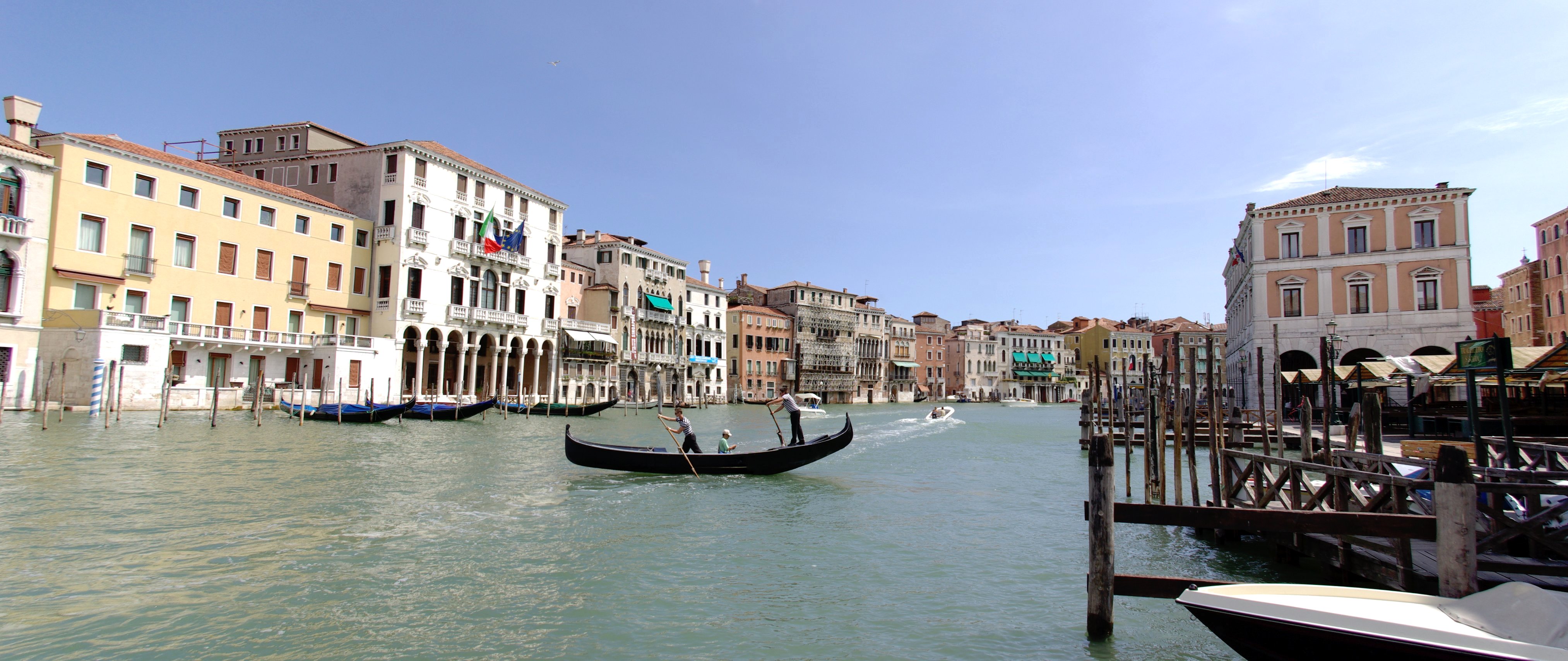
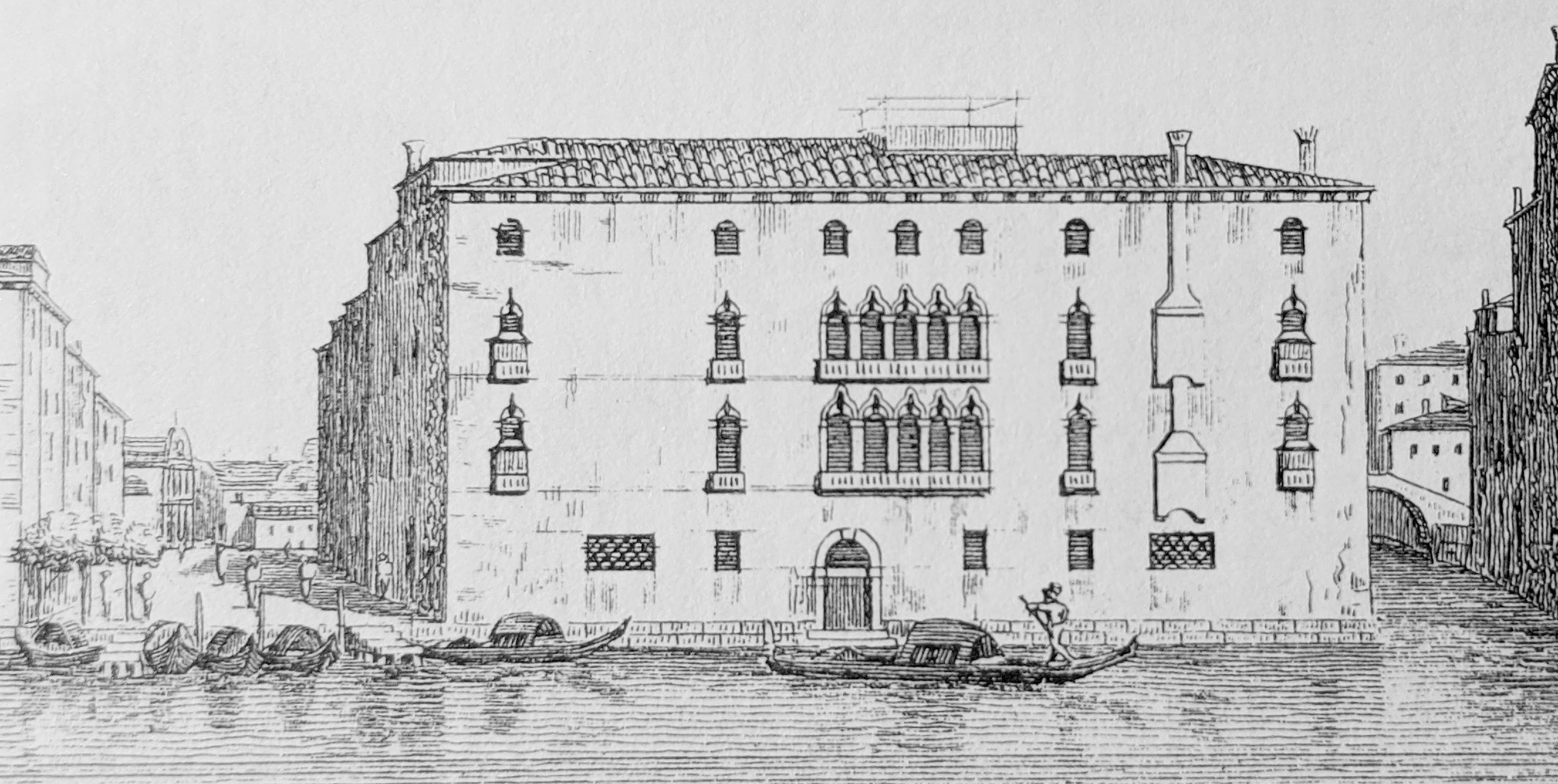
Palazzo Grimani di San Luca is a masterwork of Venetian Renaissance architecture and a cultural treasure in the heart of Venice. Situated between the Castello and San Marco districts—near Campo Santa Maria Formosa and facing the Grand Canal—this historic palace represents the intersection of Venetian and Roman traditions, the intellectual ambitions of the Grimani family, and the evolution of humanist collecting. Today, it stands as both a museum and a living monument, offering visitors a unique journey through centuries of art, architecture, and history (Images of Venice, Venice Architecture Guide, Veneto Secrets).
Origins and Historical Background
The roots of Palazzo Grimani di San Luca trace back to the early 16th century, when Antonio Grimani—who became Doge of Venice in 1521—acquired the property. His grandsons, Giovanni and Vettore Grimani, transformed the original medieval structure into one of the city’s most innovative Renaissance palaces (Images of Venice, Love Venice). Their vision reflected the family’s status as leading intellectuals and collectors, laying the groundwork for the palace’s future as a cradle of art and culture.
Architectural Highlights
Exterior and Facade
The palace’s façade is a striking example of Renaissance classicism, with monumental white Istrian stone, robust cornices, and a tripartite arrangement inspired by ancient Roman triumphal arches. Fluted Corinthian pilasters and serliana windows create a sense of grandeur along the Grand Canal (Italyscapes). The design, initiated by Michele Sanmicheli and completed by Giangiacomo de’ Grigi, stands apart from the Venetian Gothic tradition, opting for Roman-inspired elements and spatial symmetry (Venice Architecture Guide, Wikipedia).
Interior and Spatial Organization
Inside, the palace features a central atrium, a grand staircase, and a series of salons and private chambers. Notable rooms include the Tribuna—a domed chamber inspired by the Pantheon—along with the Camaron d’Oro, Chamber of Psyche, Foliage Room, and more. These spaces are adorned with frescoes, stuccoes, and rare marbles from leading artists such as Giovanni da Udine, Francesco Salviati, and Camillo Mantovano (My Art Guides, Veneto Secrets).
Stylistic Innovations
Palazzo Grimani di San Luca’s design influenced later Venetian architecture and even inspired buildings beyond Italy, such as New York’s Tiffany & Co. building. The palace’s classical proportions, doubled columns, and innovative use of light and space marked a departure from traditional Venetian palazzi (Venice Architecture Guide).
The Grimani Collection and The Wunderkammer
The Grimani family were renowned collectors, amassing one of Europe’s finest collections of Greco-Roman antiquities. Giovanni Grimani’s Wunderkammer (cabinet of wonders) included over 200 sculptures, rare marbles, bronzes, gems, coins, and natural curiosities (Veneto Secrets, SnapTaste). The Tribuna was specifically designed to display this collection, allowing visitors to experience the intellectual spirit of Renaissance collecting.
After Giovanni’s death, the collection was donated to the Venetian Republic and transferred to the Biblioteca Marciana, forming the foundation of the National Archaeological Museum of Venice (Images of Venice). In recent years, significant efforts have been made to restore and reinstall some of these treasures in the palace, recreating the original Wunderkammer experience (World of Interiors).
Visiting Hours and Ticket Information
- Opening Hours: Typically open Tuesday to Sunday, 10:00 AM to 6:00 PM. Closed Mondays and some holidays.
- Tickets: Standard admission is €10–€14 for adults. Discounts are available for students, seniors, and children; children under 18 may enter free. Some exhibitions may have supplementary charges (Trip.com).
- Purchase: Tickets can be bought online (recommended during peak seasons) or at the entrance.
- Guided Tours: Available in multiple languages; booking in advance is advised.
Accessibility and Visitor Amenities
- Accessibility: Main exhibition areas are accessible via stairs, with limited elevator access. Visitors with mobility challenges should contact the palace in advance for assistance.
- Facilities: Restrooms, cloakroom, and a small gift shop are available. No on-site café, but the central location offers many nearby dining options.
- Photography: Permitted without flash or tripods; restrictions may apply during special exhibitions.
Notable Events and Temporary Exhibitions
Palazzo Grimani frequently hosts temporary exhibitions and cultural events, especially during the Venice Biennale and other major festivals. Recent highlights include the “A Cabinet of Wonders” exhibition (through May 2025), which reconstructs the Renaissance Wunderkammer and features artworks and objects from contemporary collector George Loudon (The Venice Insider, World of Interiors).
Travel Tips and Nearby Attractions
- Getting There: Easily reached by vaporetto (water bus) stops at Rialto or San Silvestro; a short walk from each.
- Nearby Attractions: Combine your visit with sites such as the Rialto Bridge, Piazza San Marco, Palazzo Contarini del Bovolo, and the Natural History Museum (GPSmyCity).
- Best Times: Early mornings and late afternoons offer a quieter experience. Spring and autumn are ideal seasons to avoid peak tourist crowds.
Frequently Asked Questions
Q: What are the opening hours of Palazzo Grimani di San Luca?
A: Open Tuesday to Sunday, 10:00 AM to 6:00 PM; last entry at 5:30 PM. Closed Mondays.
Q: How much do tickets cost?
A: €10–€14 for adults; discounts for students, seniors, and children. Free for under 18s.
Q: Is the palace accessible for visitors with disabilities?
A: Main areas are accessible, but some spaces may be challenging. Contact ahead for assistance.
Q: Are guided tours available?
A: Yes, in multiple languages. Advance booking recommended.
Q: Can I take photos inside?
A: Yes, generally without flash or tripods. Check for restrictions during exhibitions.
Listen to the full story in the app
Your Personal Curator, in Your Pocket.
Audio guides for 1,100+ cities across 96 countries. History, stories, and local insight — offline ready.
Audiala App
Available on iOS & Android
Join 50k+ Curators
Sources
- verified
- verified
- verified
- verified
- verified
- verified
- verified
- verified
- verified
- verified
Last reviewed: