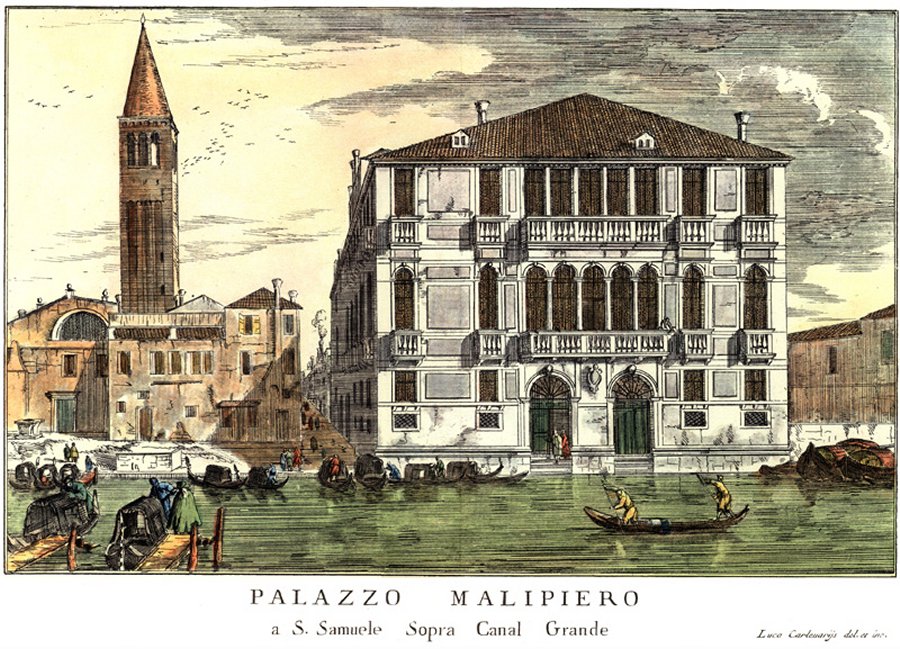
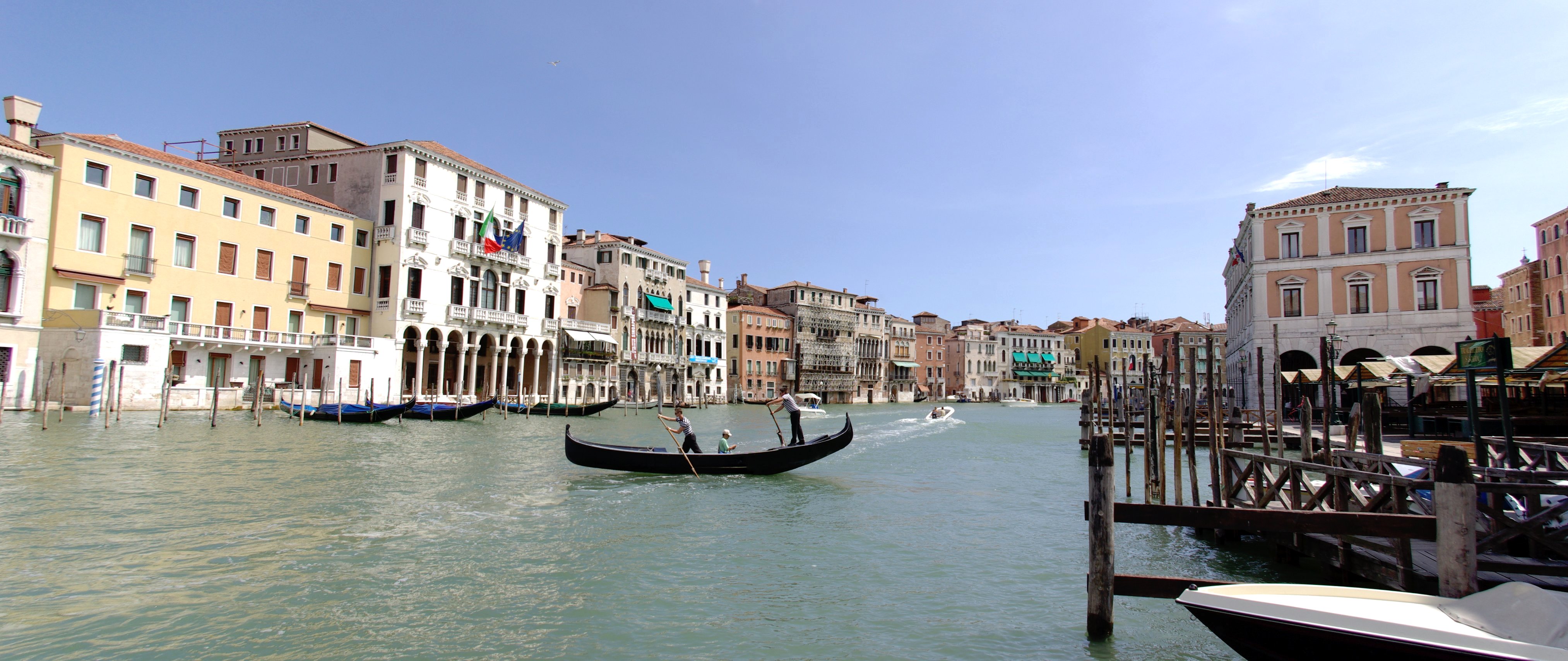
Introduction to Palazzo Giustinian and Its Significance in Venice
Palazzo Giustinian is one of Venice’s most captivating historical landmarks, offering visitors a remarkable journey through centuries of Venetian art, architecture, and culture. Commanding a prominent position along the iconic Grand Canal, the palace stands as a testament to the city’s aristocratic legacy and architectural innovation. Its harmonious blend of Venetian Gothic and Renaissance styles is evident in its elegant façades, ogival windows, and multi-lobed arches, creating a striking visual narrative of Venice’s evolving identity.
Once home to illustrious figures including composer Richard Wagner and novelist George Eliot, Palazzo Giustinian has played a pivotal role in the city’s social and cultural history. Known also as Ca’ Giustinian, the palace today serves as a vibrant cultural venue, especially during the Venice Biennale. Whether through its restored interiors, serene gardens, or active engagement with contemporary events, Palazzo Giustinian continues to bridge the city’s aristocratic past with its dynamic present.
This guide provides essential information for visiting Palazzo Giustinian, including up-to-date visiting hours, ticket options, accessibility notes, and practical travel tips. For the most current details on exhibitions, ticket bookings, and visitor services, consult the official Palazzo Giustinian website and the Venice Biennale portal (Palazzo Giustinian Official Site; La Biennale di Venezia).
Welcome to Palazzo Giustinian: A Must-Visit Historical Gem in Venice
Set in the picturesque Dorsoduro district, overlooking the Grand Canal, Palazzo Giustinian offers visitors a unique opportunity to explore Venice’s rich heritage, from its architectural splendors to its ongoing role in contemporary art. This guide will help you plan your visit, discover must-see highlights, and get practical tips for a memorable experience.
Quick Visitor Information
- Location: Dorsoduro district, Grand Canal, Venice
- Visiting Hours: Typically Monday–Saturday, 10:00 AM–6:00 PM (seasonal variations; confirm before visiting)
- Tickets: Approx. €12 for adults; discounts for students, seniors, and children under 12
- Guided Tours: Available in multiple languages; pre-booking recommended
- Accessibility: Partial wheelchair access; inquire in advance for assistance
- Official Website: Palazzo Giustinian Official Site
Origins and Architectural Highlights
Palazzo Giustinian is a late 15th-century masterpiece of Venetian Gothic architecture. Initially two adjacent residences, its unified façade features six-arch arcades with multi-lobed circles, ogival windows, and an L-shaped plan spanning four floors. Notable architectural elements include:
- The Gothic staircase in the Ca' Giustinian dei Vescovi courtyard
- A rare private garden in Ca' Giustinian dalle Zogie
- Intricate mullioned windows and façade details reminiscent of neighboring Ca' Foscari
Notable Residents and Cultural Legacy
Palazzo Giustinian has hosted many notable figures:
- Richard Wagner: Composed part of "Tristan und Isolde" here
- Princess Louise of Artois: Last Duchess of Parma
- Natale Schiavoni and Franz von Vecsey: Renowned artist and violinist
- George Eliot: English novelist who stayed on her honeymoon
These residents underscore the palace’s significance as a center of artistic and cultural life.
19th & 20th Century Transformation and Modern Restoration
Following its sale in the 19th century, Palazzo Giustinian’s two wings diverged in use—one joining Ca' Foscari University, the other remaining private. The 20th century saw major restorations, preserving terrazzo floors and silk tapestries. In the 21st century, designer Vincenzo De Cotiis reimagined the piano nobile, blending original Venetian elements with modern art, now housing the Vincenzo De Cotiis Foundation.
How to Visit Palazzo Giustinian
Getting There
- Vaporetto: Lines 1 and 2, stop at Ca' Rezzonico or Accademia (10-minute walk)
- On Foot: Accessible from the Accademia Bridge area
Tickets and Tours
- Reserve tickets online to secure your visit
- Guided tours offer deep dives into the palace’s history and design
Accessibility
- Partial wheelchair access; some historic areas present challenges—contact in advance for details
Nearby Attractions and Photography Tips
- Ca' Foscari University: Next door, with impressive architecture
- Gallerie dell'Accademia: Major art museum nearby
- Santa Maria della Salute: Stunning Baroque church across the canal
Photography Tips:
- Golden hour provides warm light on the façade
- The sottoportego alleyway offers unique frames
- Evening canal shots with the palace illuminated are extraordinary
Frequently Asked Questions (FAQ)
Q: Is Palazzo Giustinian open year-round?
A: Generally, yes, but hours may change seasonally or for events. Check the official website in advance.
Q: Can I take photographs inside?
A: Photography is mostly allowed; flash and tripods may be restricted.
Q: Are there facilities for visitors with disabilities?
A: Partial accessibility; contact the palace for full details.
Q: Are children allowed?
A: Yes, with free or discounted admission for those under 12.
Q: Are there any special events?
A: The Vincenzo De Cotiis Foundation regularly holds exhibitions and events—check their online schedule.
Ca’ Giustinian Venice: Visiting Hours, Tickets, and Architectural Highlights
Architectural Evolution and Historical Layers
Origins and Construction
Ca’ Giustinian (Palazzo Giustinian) is a quintessential late Venetian Gothic palace, built in 1471 as a merger of two structures—the larger Giustinian and the smaller Badoer-Tiepolo—resulting in its distinctive asymmetrical façade (Italia.it; Venice Tourism; Wikipedia).
Venetian Gothic Style
The palace is a masterwork of Venetian Gothic, with pointed arches, ogival windows, and elaborate tracery. Its hexafora and pentafora windows, framed by slender columns, create a façade of “lightness and grace” (Ermak Vagus; En.Venezia.net).
Materials and Techniques
Built from Istrian stone and brick for durability in Venice’s lagoon, the palace features polychrome plaster, marble inlays, and stone balconies, all supported by wooden pile foundations (Italia.it).
Visiting Ca’ Giustinian: Tickets and Hours
- Open primarily during major events such as the Venice Biennale; hours vary (Biennale official site)
- Tickets: Entry often included with Biennale tickets; special tours may require separate booking
- Guided tours: Available during open periods; private group tours on request
Travel Tips and Accessibility
- Location: At the start of the Grand Canal; nearest vaporetto stop is San Marco Vallaresso
- Accessibility: Recent renovations have improved facilities, but some areas remain challenging for those with mobility issues
- Best time to visit: Early mornings during Biennale events are quieter; sunset views are exceptional
Nearby Attractions
- Bauer Hotel, Hotel Monaco & Grand Canal: Next to the palace
- Piazza San Marco, Ca’ d’Oro, Palazzo Ducale: All within walking distance
Interior Spaces and Renovations
The palace’s interiors feature grand halls and ornate schemes. It was converted to the Hotel Europa in the 19th century, then to the Biennale headquarters. Renovations have preserved its architectural lines while introducing contemporary design (Venice Tourism).
Architectural Innovations and Influence
Ca’ Giustinian bridges Gothic and early Renaissance styles, with lightweight materials and wooden piles adapting to Venice’s unique terrain (Ermak Vagus).
Artistic and Decorative Elements
Rich with sculpted capitals, floral motifs, and heraldic shields, the palace’s interiors now also display contemporary art curated by the Biennale (Italia.it).
Preservation and Visitor Experience
Ongoing restoration protects its integrity. Guided tours during events offer insights, and open terraces provide views of the Grand Canal (Venice Tourism).
Frequently Asked Questions (FAQs)
- What are the visiting hours? Open mainly during the Venice Biennale; times vary. Check the Biennale website.
- Are tickets required? Yes, usually included with Biennale passes or special events.
- Is it accessible? Improved, but some areas remain difficult.
- Are there guided tours? Offered during open periods.
- How to get there? Vaporetto to San Marco Vallaresso.
Discover Palazzo Giustinian: Venice's Iconic Renaissance Palace
Palazzo Giustinian is a significant symbol of Venice’s aristocratic heritage and Renaissance architecture, offering insight into the city’s social, cultural, and artistic history.
The Giustinian Legacy and Venetian Nobility
The palace reflects the prominence of the Giustinian family—doges, diplomats, and art patrons. After passing to the Persico family in 1685, the palazzo became a symbol of Venice’s evolving aristocracy.
Architectural Significance and Stylistic Innovation
The façade, inspired by Mauro Codussi, combines red plaster with Renaissance symmetry, highlighted by four-light windows and balconies overlooking the Grand Canal.
Visiting Palazzo Giustinian: Hours, Tickets, and Tours
- Public access to the interior is limited; exterior can be seen year-round.
- Guided tours are sometimes available—check Venice tourism sources for updates.
Accessibility
Historic architecture and Venice’s layout mean accessibility may be limited. Always inquire in advance.
Nearby Attractions
Close to Palazzo Papadopoli and the San Polo district, making integrated itineraries easy.
Role in Venice’s Social and Artistic Life
The palace has been a hub for artists and intellectuals and remains central to Venice’s cultural scene.
Symbolism and Identity
Its location and design are integral to the Grand Canal’s visual identity.
Preservation and Contemporary Relevance
Preservation efforts balance authenticity and modern needs, keeping the palace relevant today.
Educational and Interpretive Value
The palace is a rich resource for art history and architecture education.
Community Engagement and Cultural Events
Palazzo Giustinian hosts concerts, exhibitions, and conferences, maintaining its community role.
Practical Visitor Information
- Location: About 1.1 km from Santa Lucia station
- Vaporetto: San Tomà stop (lines 1 and 2), 180 meters away
- Tips: Exterior view always available; interior by special arrangement
Frequently Asked Questions (FAQ)
- Can I visit the interior? Only during special tours/events.
- Opening hours? Exterior viewable anytime; interior access depends on events.
- Tickets needed? Not for exterior; tickets required for tours/events.
- Accessible? Limited; inquire in advance.
- Nearby sites? Palazzo Papadopoli, San Polo.
Location and Access
Palazzo Giustinian is in San Marco, Venice, at San Marco 1364/A, directly on the Grand Canal. Reachable via vaporetto stops (Accademia, San Samuele) or on foot from major sites (La Biennale di Venezia).
Visiting Hours and Best Times to Visit
- During Biennale Architecture 2025: 10 May–23 November 2025
- Closed Mondays (except select dates)
- Summer: 11:00–19:00; Autumn: 10:00–18:00
- Best times: Weekdays and early hours for fewer crowds (La Biennale di Venezia)
Tickets and Entry Fees
- Tickets: Included with Biennale or event admission; available as single-entry or multi-day passes
- Discounts: For students, seniors, groups, visitors with disabilities, and children under 6
- Purchase: Online (Biennale Ticketing), at Biennale Store, or on site
Accessibility and Visitor Services
- Wheelchair access: Electric car service, wheelchairs, and accessible restrooms
- Guided tours: For visually impaired, blind, and deaf visitors available by reservation
- Maps and staff assistance: Provided at entrances (La Biennale di Venezia)
Facilities and Amenities
- Cloakroom: For small items (no large luggage)
- Food/Drink: Bar and restaurant services available
- Bookshop: Purchase catalogues and guides (Biennale Store)
- Dog services: Paid custody and accompaniment by reservation
Architectural Features and Interior Access
Palazzo Giustinian comprises two palaces joined by a central water gate. The left palace retains ornate 18th-century interiors; the right includes restored stairways and a vera di pozzo. Some areas are public during special events (Venice Architecture Guide).
Events and Special Exhibitions
The palace is a central Biennale venue and regularly hosts exhibitions, press conferences, and educational programs. Check the Biennale Agenda for up-to-date event listings.
Essential Visitor Tips
- Book ahead: Popular venues fill up (Lonely Planet)
- Arrive early: Quieter experience on weekdays (Rossi Writes)
- Plan your route: Venice’s alleys can be confusing; use digital maps or the Bloomberg Connects App
- Respect access fees: Venice enforces a fee on select dates (official city website)
- Stay hydrated and snack smart: Bring a water bottle; try local cicchetti
- Photography etiquette: Avoid blocking narrow paths (Happy to Wander)
- Explore nearby: Combine with visits to Palazzo Garzoni, Corner Spinelli, Accademia Bridge (Trek Zone)
Frequently Asked Questions (FAQ) About Visiting Palazzo Giustinian
- What are the visiting hours? Aligned with Biennale event schedules.
- How to buy tickets? Online, at the Biennale Store, or on site.
- Is it accessible? Yes, with services for mobility and sensory needs.
- Are pets allowed? Small/medium pets in green areas; dog services by reservation.
- Can I visit outside Biennale events? Only with special arrangements.
Visuals and Media
Enhance your visit with images of the façade, interiors, and event spaces. Explore virtual tours via the Biennale website and Bloomberg Connects App.
Example image alt tags:
- "Facade of Palazzo Giustinian on the Grand Canal"
- "Ornate frescoes and stuccoes in the piano nobile"
- "Courtyard with restored stairways and vera di pozzo"
Discover More
Palazzo Giustinian remains a vital part of Venice’s heritage, seamlessly blending history and modern culture. Book tickets in advance, check current hours, and explore nearby landmarks for a full experience. For real-time updates and exclusive content, download the Audiala app and monitor official Biennale channels.
Stay connected by visiting La Biennale di Venezia for event news and visitor information.
Contact and Further Information
- Address: Ca’ Giustinian, San Marco 1364/A, 30124 Venice, Italy
- Phone: +39 041 5218711
- Email: [email protected]
- Official Website: La Biennale di Venezia
Always refer to the official Biennale website for the latest information.
Summary
Palazzo Giustinian stands as a premier destination for those seeking Venice’s rich artistic, architectural, and cultural tapestry. Its unique fusion of Gothic and Renaissance styles, illustrious history, and ongoing role in contemporary culture make it a must-visit. While interior access is often event-based, the palace’s Grand Canal façade and vibrant surroundings offer year-round inspiration. With careful planning and the support of digital tools like the Audiala app, visitors can fully appreciate one of Venice’s most treasured locations (Palazzo Giustinian Official Site; La Biennale di Venezia).
Listen to the full story in the app
Your Personal Curator, in Your Pocket.
Audio guides for 1,100+ cities across 96 countries. History, stories, and local insight — offline ready.
Audiala App
Available on iOS & Android
Join 50k+ Curators
Sources
- verified
- verified
- verified
- verified
- verified
- verified
- verified
- verified
Last reviewed: