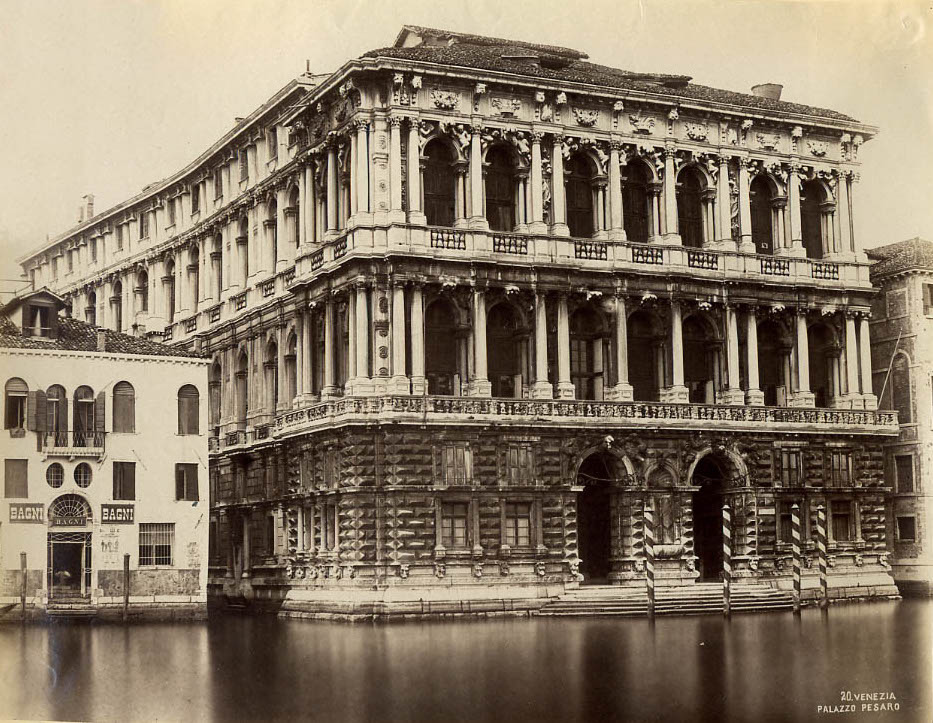
Introduction: Palazzo Corner Spinelli and Its Significance
Overlooking Venice’s iconic Grand Canal, Palazzo Corner Spinelli stands as a quintessential emblem of the city’s transition from Gothic to Renaissance architecture. Designed by Mauro Codussi between 1480 and 1500, the palazzo was originally commissioned by the Lando family and later acquired by the influential Corner (Cornaro) family. The building’s design—marked by harmonious proportions, classical elements, and symmetry—set a precedent for future Venetian palaces and reflected the city’s evolving aesthetic and social ambitions (Conoscere Venezia).
Though today it serves mainly as a private residence, Palazzo Corner Spinelli’s façade and its celebrated artworks—including Giorgio Vasari’s Renaissance ceiling panels—continue to captivate art historians and visitors. The recent restoration and reassembly of Vasari’s ceiling at the Gallerie dell’Accademia in 2024 has made this masterpiece accessible to the public and further strengthened the palace’s cultural legacy (Venice in Peril).
This guide provides a comprehensive overview of Palazzo Corner Spinelli’s history, architecture, artistic highlights, and all the practical details you need, including visiting hours, tickets, accessibility, and travel tips. Whether you’re admiring the palace’s façade from the Grand Canal or exploring the Vasari ceiling at the Gallerie dell’Accademia, you’ll discover why this Renaissance landmark remains a must-see in Venice. For up-to-date visitor information, consult official tourism platforms such as Venice Unica.
Discover Palazzo Corner Spinelli: A Renaissance Masterpiece
Palazzo Corner Spinelli is a key site in Venice’s San Marco district, renowned both for its elegant Renaissance façade and for its association with some of Venice’s most powerful families. The palace blends architectural innovation, noble history, and artistic patronage, making it an essential stop for those interested in Venice’s cultural and architectural heritage.
History and Ownership
From Lando to Corner
Constructed between 1480 and 1500, the palace was commissioned by the Lando family to showcase their wealth and status. Its proximity to major landmarks like the Rialto Bridge and Palazzo Querini Dubois underscored the family’s ambitions.
Shortly after its completion, the palace was acquired by the Corner (Cornaro) family, whose members included doges, queens, and cardinals. The Corners commissioned Michele Sanmicheli to redesign the entrance and staircase, integrating classical elements that set the tone for the building’s later reputation as a model of Renaissance taste.
The Spinelli Era
In the mid-18th to early 19th century, the Spinelli family, newly ennobled silk merchants, leased the palace, giving it the name by which it is now known. Subsequent ownership passed to the Cornoldi family, reflecting the ever-evolving composition of Venice’s elite (Conoscere Venezia).
19th–20th Century and Modern Use
Despite economic decline in 19th-century Venice, the palace retained its status and, in 1966, became the headquarters of the Rubelli textile company, linking its commercial history to its present. Rubelli maintains historic archives within the building.
Architectural and Artistic Highlights
Architectural Innovation
Mauro Codussi’s design marked a departure from Venetian Gothic, introducing symmetry, round arches, and harmonious proportions—hallmarks of the Renaissance style (Conoscere Venezia). The façade features Istrian stone, a noble floor with central quadrifora windows, and understated Renaissance detailing that has inspired subsequent Venetian architecture.
Interior Features
Inside, surviving historic elements include Lombard-style ceilings and gilded woodwork. The palace once boasted a renowned rococo alcove and a suite of nine oil paintings by Giorgio Vasari, originally installed in a lavishly carved and gilded ceiling (Conoscere Venezia). The monumental fireplace by Jacopo Sansovino further attests to the Corners’ status as patrons of the arts.
The Vasari Ceiling: Dispersal, Rediscovery & Legacy
Artistic Commission and Original Installation
In 1542, Giovanni Corner commissioned Giorgio Vasari to create a coffered, allegorical wooden ceiling for the palace’s grand reception room. The program featured nine painted panels: five depicting the Virtues (Charity, Faith, Hope, Justice, Patience) and four with putti bearing inscribed tablets (Finestre sull’Arte), with the central panel, Charity, at the heart of the composition. Vasari’s Mannerist language marked a pivotal artistic moment in Venice, influencing artists such as Tintoretto and Veronese (Venice in Peril).
Dispersal and Restoration
Following the decline of the Venetian Republic, the ceiling panels were gradually removed and scattered across collections in Italy and abroad. Beginning in the 1980s, the Italian Ministry of Culture and international partners, including the Venice in Peril Fund, launched a campaign to recover and restore the surviving panels. By 2024, eight panels were reassembled and meticulously conserved, culminating in a public display at the Gallerie dell’Accademia (The Vermilion).
Modern Exhibition and Cultural Impact
The Vasari ceiling’s reinstallation has been celebrated as a triumph of cultural heritage preservation. The panels are exhibited in a dedicated room at the Gallerie dell’Accademia, suspended on the ceiling to evoke their original setting. The 2024 inauguration included guided tours and a Renaissance music concert, underscoring the ongoing cultural vitality of this masterpiece (Venice Insider Guide).
Visiting Information: Hours, Tickets, Accessibility
Palazzo Corner Spinelli
- Public Access: The palace remains a private residence and is not open for regular public tours.
- Viewing the Façade: The exterior can be admired from the Grand Canal or from nearby bridges and walkways.
Vasari Ceiling at Gallerie dell’Accademia
- Location: Campo della Carità, Dorsoduro 1050, Venice.
- Hours: Tuesday–Sunday, 8:15 AM–7:15 PM (last admission 6:30 PM). Closed Mondays and select holidays. Always check the official website for updates.
- Tickets: About €15 for adults, reduced rates for EU citizens 18–25, free for under 18s. Purchase online or at the entrance.
- Accessibility: The museum is wheelchair accessible, with elevators and ramps; assistance available upon request.
Special Events and Guided Tours
- Tours: Guided tours focused on the Vasari ceiling are offered periodically. Check the Gallerie dell’Accademia’s event calendar.
- Cultural Events: Occasional concerts and lectures accompany major exhibitions.
Nearby Attractions & Visitor Tips
- Rialto Bridge: A short walk or vaporetto ride away.
- Palazzo Querini Dubois & Campo Sant’Angelo: Nearby palaces and scenic squares.
- Teatro La Fenice: Venice’s historic opera house.
- Gallerie dell’Accademia: See the Vasari ceiling and masterpieces of Venetian painting.
Tips:
- Visit in early morning or late afternoon for the best light on the façade.
- The Grand Canal offers the best vantage points for photography.
- Use the vaporetto for easy access; nearby stops include Sant’Angelo and San Samuele.
- For accessibility information, consult Venice Unica.
Frequently Asked Questions (FAQ)
Can I visit the interior of Palazzo Corner Spinelli?
No regular public access is permitted. Occasional special events may allow entry; check with local tourism resources.
Where can I see the Vasari ceiling?
The restored panels are on display at the Gallerie dell’Accademia.
Are tickets required for Palazzo Corner Spinelli?
No tickets are needed to view the exterior. Tickets are required for the Gallerie dell’Accademia.
Is the Gallerie dell’Accademia accessible?
Yes, it offers full accessibility for visitors with mobility needs.
Are guided tours available?
Yes, guided tours of the Vasari ceiling at the Gallerie dell’Accademia are offered periodically.
Summary & Recommendations
Palazzo Corner Spinelli is a testament to Venice’s noble, architectural, and artistic heritage. While its interiors are not generally open to the public, the palace’s exterior and its legendary Vasari ceiling—now restored and exhibited at the Gallerie dell’Accademia—offer a unique insight into the city’s Renaissance splendor. Combine your visit with nearby landmarks and use official resources to check for special events or guided tours. Download the Audiala app for insider tips and self-guided audio tours.
Listen to the full story in the app
Your Personal Curator, in Your Pocket.
Audio guides for 1,100+ cities across 96 countries. History, stories, and local insight — offline ready.
Audiala App
Available on iOS & Android
Join 50k+ Curators
Sources
- verified
- verified
- verified
- verified
- verified
- verified
- verified
Last reviewed: