Introduction
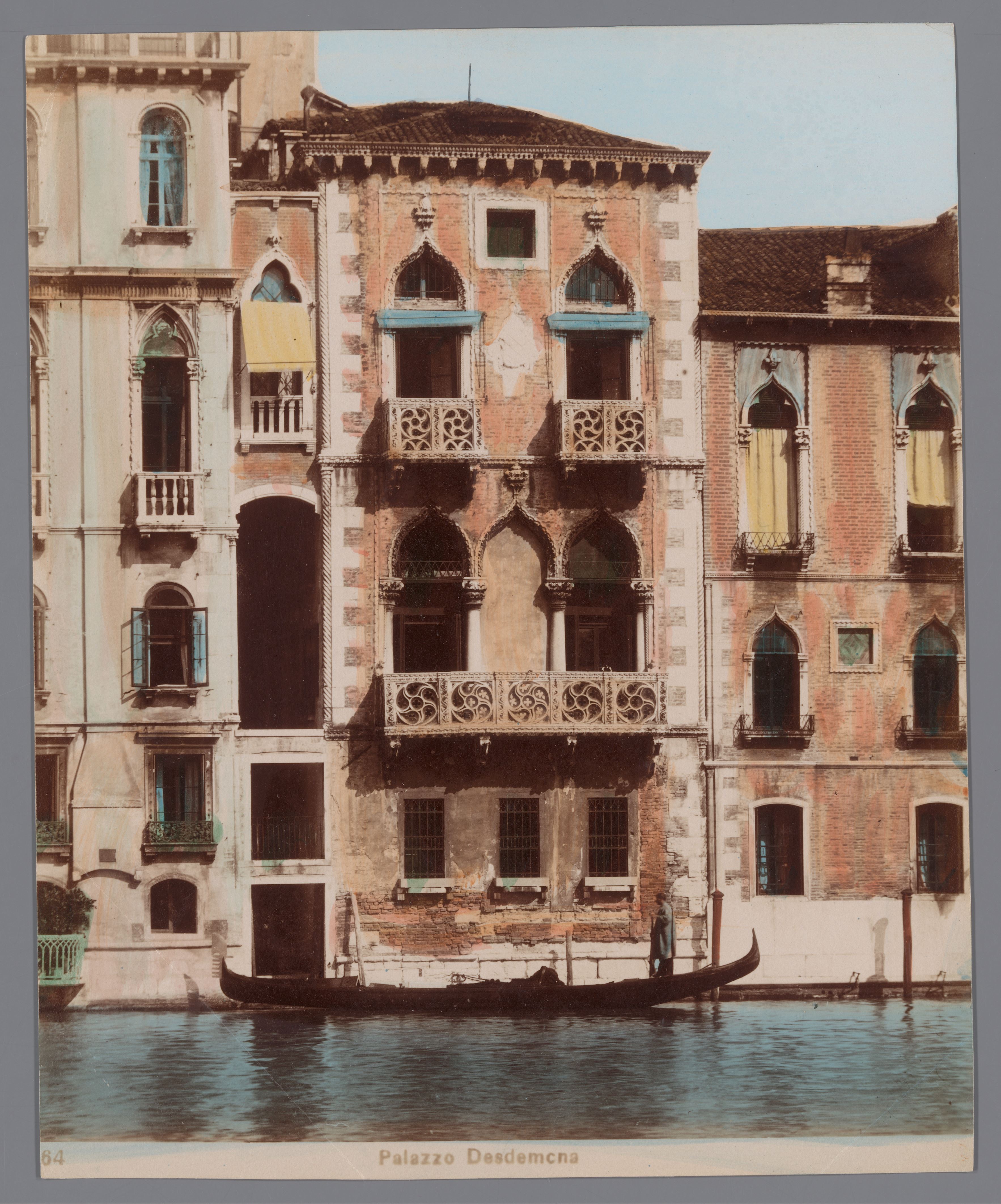
Palazzo Bollani Erizzo stands as a distinguished emblem of Venice’s deep-rooted history and evolving architectural grandeur. Nestled along the tranquil Rio della Pietà in the city’s authentic Castello district, this Renaissance palazzo traces its origins to the 15th and 16th centuries. It reflects the stylistic transition from Gothic and Byzantine influences to the symmetry and proportion of the Renaissance, marking Venice’s ascent as a mercantile and maritime powerhouse.
The palace is not only an architectural marvel—characterized by its elegant pentafora windows, ornate marble portals, and harmonious façades—but also a vital cultural hub. Over centuries, it has hosted prominent Venetian families, Renaissance humanists, literary salons, and, more recently, international art exhibitions such as those of the Venice Biennale. Visitors today encounter a carefully preserved yet living space where the past and present of Venetian culture converge.
This comprehensive guide details the historical evolution of Palazzo Bollani Erizzo, practical information on visiting hours and ticketing, accessibility, highlights of nearby attractions, and insider travel tips to enrich your Venetian experience. For further details, always consult the Palazzo Bollani Erizzo Official Site and the Venice Biennale portal.
Origins and Early History
Palazzo Bollani Erizzo’s roots reach back to the late medieval and early Renaissance periods. Located at Castello 3647, the structure reflects architectural innovations of the 15th and 16th centuries (palazzobollani.it). The Bollani family, though not originally Venetian, quickly became influential in the city’s political and social life, notably aiding the Venetian Republic during the War of Chioggia (1378–1381).
Architectural Features and Evolution
The palace is a sterling example of Venetian Renaissance architecture. Its symmetrical façade, facing the Rio della Pietà, is dominated by a pentafora window supported by Ionic columns and an elegant balcony. The marble portal, slightly offset due to later expansions, is accessed from Corte Bollani and highlights the adaptive nature of Venetian urban development.
Inside, the layout follows the classic Venetian palazzo plan: a central portego (hallway) flanked by suites of rooms, maximizing light and canal views. Distinctive decorative details include zoomorphic reliefs and heraldic stones—features catalogued by John Ruskin in The Stones of Venice—such as the relief of St. George slaying the dragon and unique “pietra di Nanto” fireplace stones (palazzobollani.it).
The Bollani Family Legacy
The Bollani family’s influence extended beyond mere wealth. Patrons of literature, philosophy, and science, they were associated with figures like Candido Bollani and Domenico Bollani (Bishop of Brescia), and fostered a vibrant intellectual environment. The family’s generosity in forgiving state debts during times of crisis, such as the War of Chioggia, earned them lasting gratitude (palazzobollani.it). Their connections to luminaries such as Pietro Aretino and Claudio Monteverdi further cemented the palace’s reputation as a center of Venetian culture.
The Palace’s Role in Venetian Society
Palazzo Bollani Erizzo mirrors the aspirations of Venice’s patrician class. Its blend of Gothic, Byzantine, and Renaissance motifs exemplifies the city’s architectural evolution. The palace’s location and design reflect the practical needs of Venice’s watery environment—façades open to narrow alleys and internal courtyards, integrating seamlessly into the urban fabric (parametric-architecture.com).
In modern times, the palace has hosted international art exhibitions, notably during the Venice Biennale, enhancing its role as a bridge between historical heritage and contemporary cultural innovation.
Visitor Information
Visiting Hours and Tickets
For 2025, Palazzo Bollani Erizzo will host the exhibition “Mika Ninagawa with EiM: INTERSTICE,” curated by Eriko Kimura, from May 10 to July 21. Opening hours are Tuesday to Sunday, 11:00 AM to 7:00 PM; the palace is closed on Mondays. Admission to this exhibition is free of charge (Venice Biennale).
Visiting hours and ticket policies may vary with future exhibitions or special events. Always consult the official website for the most current information.
Accessibility
As a historic structure, Palazzo Bollani Erizzo has some limitations for visitors with mobility impairments. Ramps and elevators are present where feasible, but some areas remain inaccessible. Contact the venue in advance to discuss accommodations.
Guided Tours and Special Events
Guided tours are occasionally available, particularly during major exhibitions. These tours, offered in multiple languages, provide deeper insights into the palace’s history and architecture. Special events, performances, and art installations are scheduled periodically. Check the Venice Biennale website or inquire at the entrance for details.
Nearby Attractions and Travel Tips
Palazzo Bollani Erizzo is situated in the Castello district, near the Arsenale and Giardini della Biennale. The area is known for its authentic Venetian atmosphere, with charming cafés, artisan shops, and quiet calli (lanes). Key nearby attractions include:
- Arsenale di Venezia: Historic naval complex and Biennale venue
- Giardini della Biennale: Gardens with national pavilions
- Via Garibaldi: Lively local street with shops and bacari (traditional bars)
- San Pietro di Castello: Historic cathedral
The palace is a short walk from the Arsenale vaporetto stop, making public transport a convenient option.
Photographic Highlights
The palace façade facing the Rio della Pietà is especially photogenic during golden hour. Interior courtyards and period architectural details offer excellent opportunities for photography enthusiasts. Always ask staff about photography restrictions during exhibitions.
Frequently Asked Questions (FAQ)
Q: What are the visiting hours for Palazzo Bollani Erizzo?
A: For the 2025 exhibition, Tuesday to Sunday, 11:00 AM to 7:00 PM; closed Mondays. Check the official website for updated hours.
Q: Is there an admission fee?
A: Admission is free for the current exhibition.
Q: Is the palace wheelchair accessible?
A: Accessibility is limited due to the historic nature of the building; contact the venue in advance for assistance.
Q: Are guided tours available?
A: Guided tours may be offered during major events or exhibitions; check with staff or consult the Venice Biennale website.
Q: Can I take photographs inside?
A: Photography is generally permitted, but restrictions may apply for certain exhibitions.
Listen to the full story in the app
Your Personal Curator, in Your Pocket.
Audio guides for 1,100+ cities across 96 countries. History, stories, and local insight — offline ready.
Audiala App
Available on iOS & Android
Join 50k+ Curators
Sources
- verified
- verified
- verified
- verified
- verified
- verified
Last reviewed: