Introduction
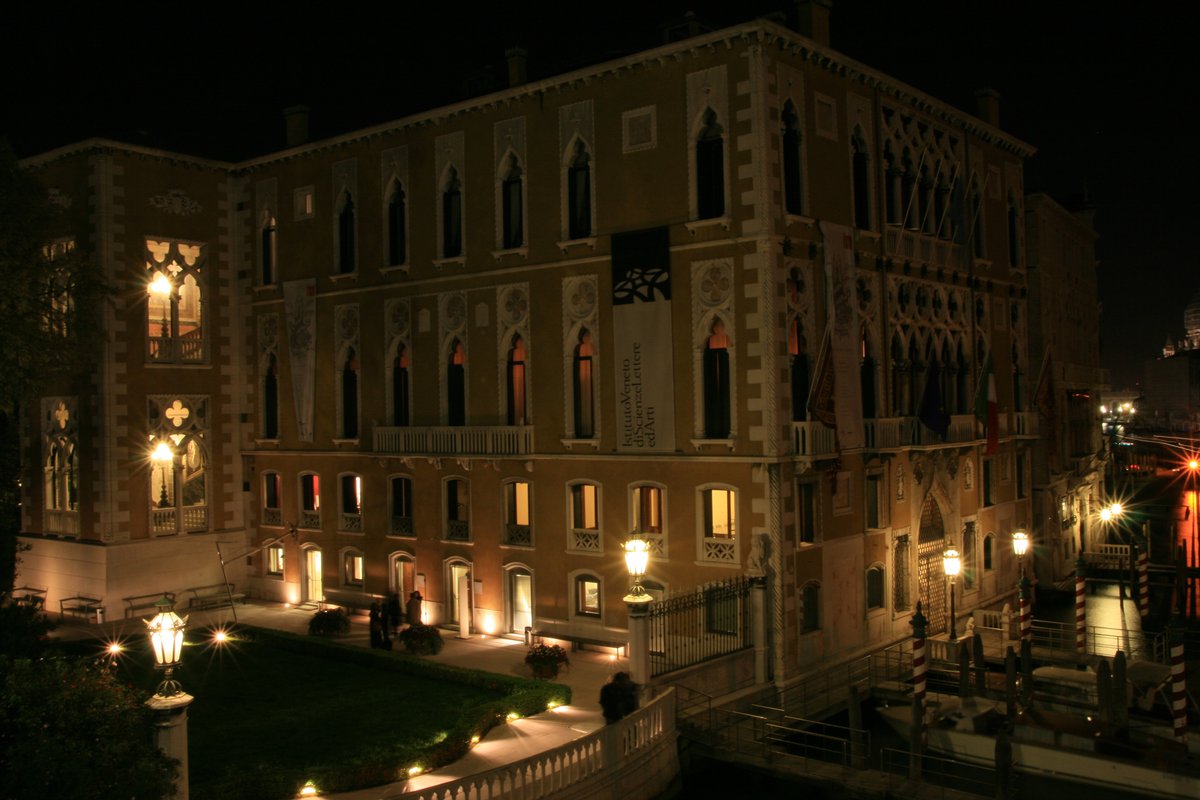
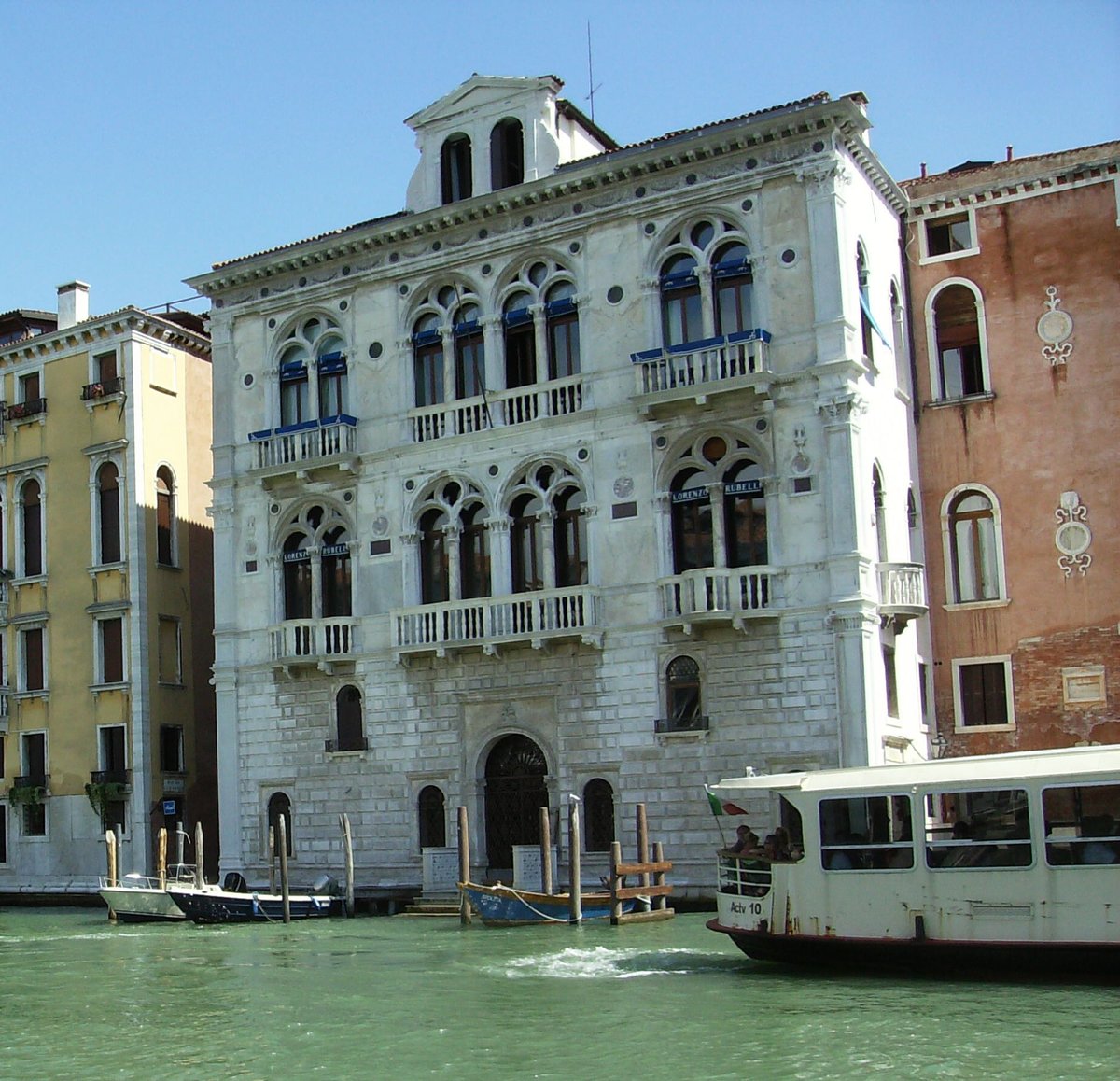
Palazzo Bernardo di Canal—also known as Palazzo Nani Bernardo—is one of the Grand Canal’s most distinguished historical landmarks. With roots tracing back to the late 14th or early 15th centuries, this Venetian palace seamlessly blends Gothic, Renaissance, and Baroque influences, reflecting Venice’s legacy as a crossroads of art, commerce, and culture. Although primarily a private residence today, the palazzo is a focal point for cultural events and exclusive gatherings, and its façade remains a highlight for all visitors to Venice (Nomad Epicureans; itsliquid.com). This guide provides detailed historical insight, essential visitor information, and practical tips for experiencing the palazzo and its surroundings.
Photo Gallery
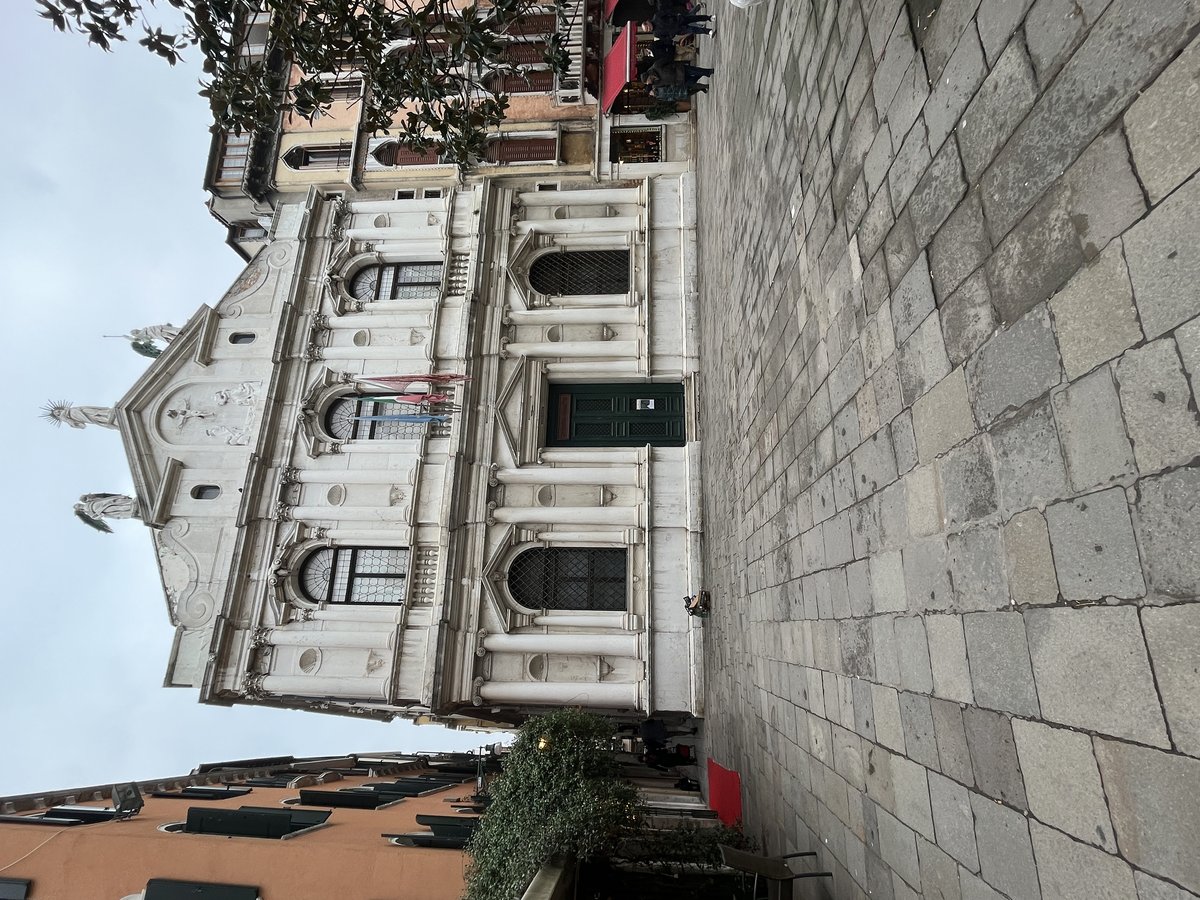
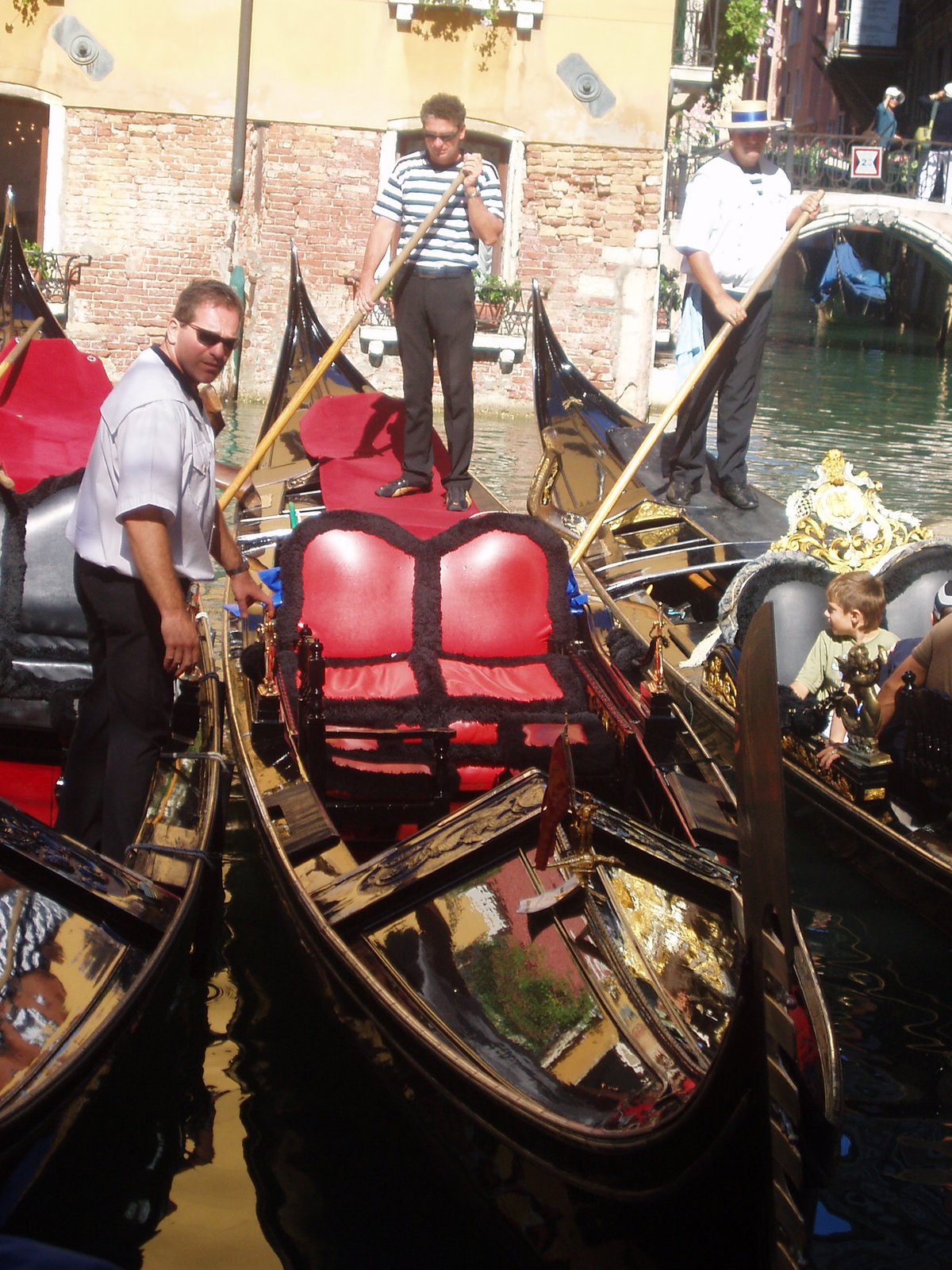
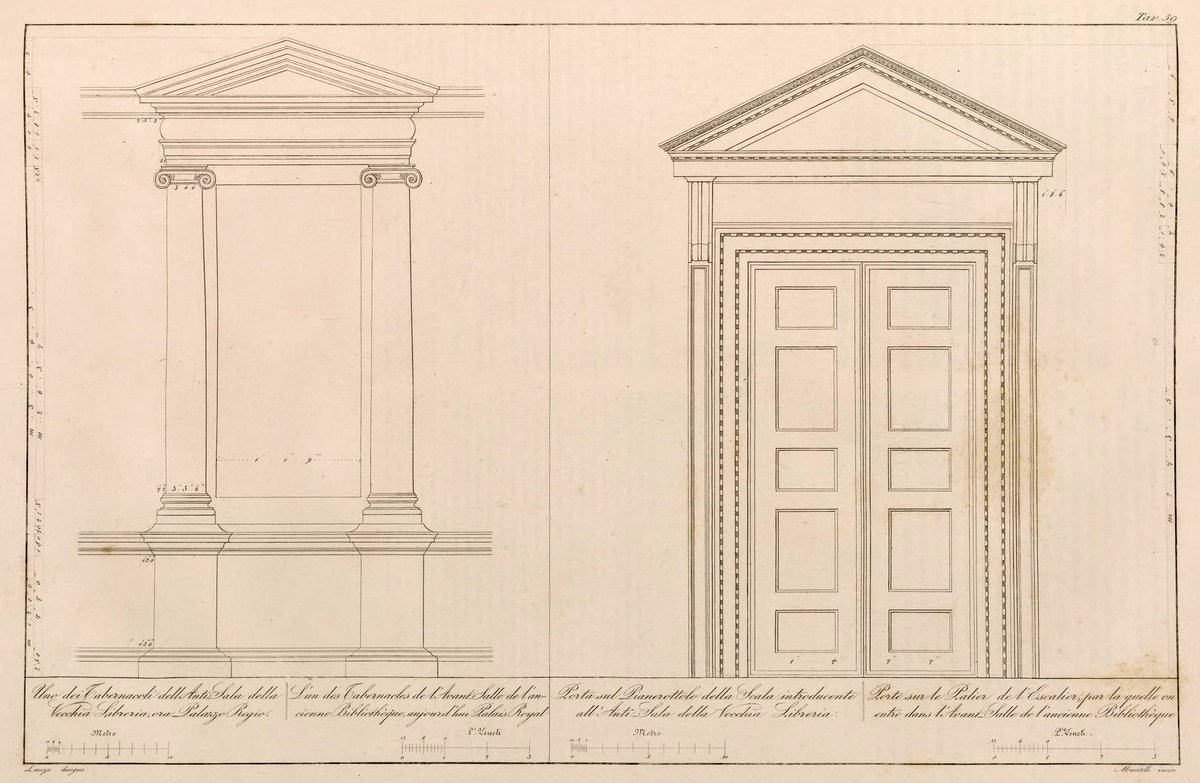
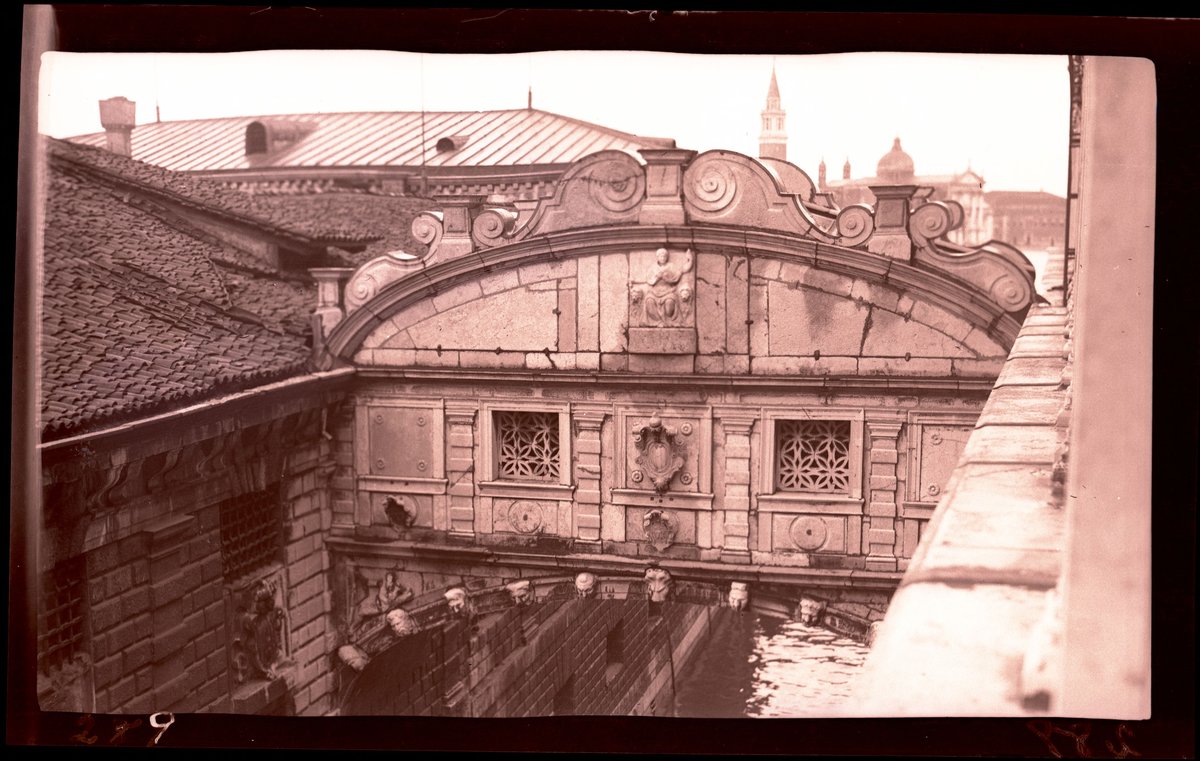
Explore Palazzo Bernardo Di Canal in Pictures

Origins and Architectural Evolution
Palazzo Bernardo di Canal was commissioned by the noble Bernardo family between the late 14th and early 15th centuries, at the height of Venice’s mercantile power (Nomad Epicureans). Initially constructed in the Venetian Gothic style—characterized by pointed arches, ornate tracery, and mullioned windows—the palazzo later incorporated Renaissance symmetry and Baroque flourishes, especially during its 16th-century renovations (itsliquid.com). This architectural layering illustrates the evolving tastes of Venetian high society and the city’s openness to artistic innovation.
The Bernardo Family and Legacy
The Bernardo family were prominent patricians, engaged in trade and politics. Their residence was both a family home and a venue for social, political, and business gatherings, embodying the multifunctional nature of Venetian palaces. Over centuries, the palazzo became a symbol of their wealth, influence, and enduring legacy.
Urban Significance on the Grand Canal
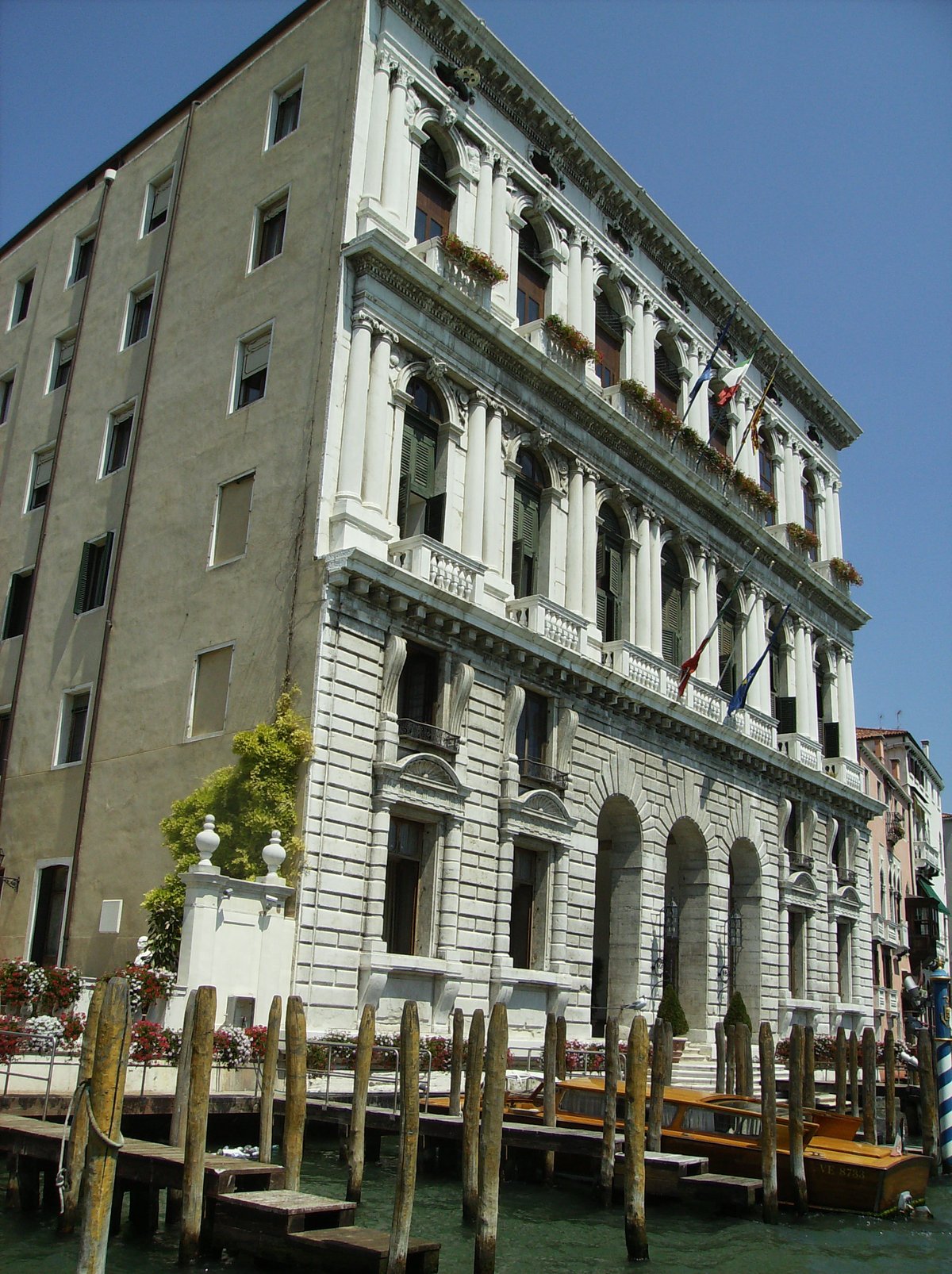
Strategically located on the Grand Canal in the Dorsoduro district, the palazzo sits between notable neighbors like Ca’ Foscari and Ca’ Rezzonico (palazzonanibernardo.it). Its canal-facing façade was designed to impress, and its corner position enhances visibility for those traveling by vaporetto, gondola, or on foot. This prime location anchors the palazzo within Venice’s most prestigious architectural ensemble.
Transformations and Preservation
Throughout the centuries, Palazzo Bernardo di Canal underwent significant modifications, including 19th-century expansion of its rear gardens and restoration of its interiors. Despite periods of decline, diligent preservation efforts have maintained the palazzo’s original façade, period details, and rare Italian garden, ensuring its continued role in Venice’s cultural landscape (itsliquid.com).
Artistic and Cultural Contributions
Renowned for its artistic patronage, the palazzo hosted musicians, poets, and artists, contributing to Venice’s cultural vibrancy during the Renaissance and Baroque ages. Its interiors—adorned with frescoes, stuccoes, and period furnishings—reflect the refined tastes of its successive owners. John Ruskin, in The Stones of Venice, praised the palazzo as “the noblest of all in Venice after the Ducal Palace” (labiennale.org).
Notable Events and Residents
Over time, the palazzo was associated with historical events such as the Napoleonic occupation and later hosted dignitaries, artists, and intellectuals. In the modern era, it serves as a sought-after venue for exclusive events, art exhibitions, and high-profile gatherings, often in partnership with international cultural organizations (itsliquid.com).
Visiting Information
Visiting Hours & Tickets
- Regular Public Access: Palazzo Bernardo di Canal is a private residence and is not open for regular public visits.
- Special Access: Visits are possible by advance appointment, typically for private events, guided tours, or during special cultural occasions (palazzonanibernardo.it).
- Tickets: There are no standard tickets for public entry. For private tours or events, ticketing details are provided upon inquiry or booking.
- Event Access: During events like the Venice Biennale, special tickets may be available (labiennale.org).
Accessibility
- General Accessibility: The historic structure means accessibility may be limited. There are some adaptations for events, but visitors with reduced mobility should confirm details in advance.
- Entrance: The primary entrance is from Calle San Bernardo, with water access from the Grand Canal.
Guided Tours & Special Events
- Guided Tours: Available by prior arrangement. Tours typically include the piano nobile, garden, and reception rooms, offering insights into Venetian noble life.
- Events: The palazzo hosts private dinners, weddings, art exhibitions, and cultural programs in partnership with organizations like ITSLIQUID (itsliquid.com). Event access is strictly by reservation.
Getting There
- Vaporetto: Nearest stops are Ca’ Rezzonico and San Tomà (Line 1), both a short walk from the palace.
- On Foot: Easily accessible from nearby attractions in Dorsoduro and San Polo.
- Address: Calle San Bernardo, Sestiere Dorsoduro, 3198, Venezia (VE), Italy (palazzonanibernardo.it).
Best Viewing Points
- Grand Canal: The façade is best admired from a vaporetto, gondola, or the opposite bank near Ca’ Rezzonico.
- Walking Route: Strolling along the Dorsoduro side offers excellent views and photo opportunities.
Architectural Highlights
- Façade: Noted for its pale Istrian stone, pointed Gothic arches, trifora windows, and rope-like corner pillars.
- Water Entrances: Double “porta d’acqua” for direct canal access.
- Interior: Grand staircase, portego (central hallway), piano nobile, 18th-century frescoes, and original furnishings (viewable during private tours).
- Decorative Elements: Floral motifs, heraldic shields, and unique sculpted arms on the façade.
- Attic and Roofline: Tall attic windows and a crenellated parapet crown the structure.
Italian Garden & Unique Features
- Garden: A rare, elongated Italian garden at the rear, extended in the 19th century and home to Venice’s tallest palm tree. This oasis offers a tranquil contrast to Venice’s urban density and frequently hosts cultural events (itsliquid.com).
- Atmosphere: The interiors and garden together create an ambiance of aristocratic elegance and secluded peace.
Nearby Attractions
Enhance your visit by exploring:
- Ca’ Rezzonico: Museum of 18th-century Venice.
- Ca’ Foscari: Historic university palace.
- Palazzo Grassi: Contemporary art exhibitions.
- Rialto Bridge: Iconic Renaissance bridge and market.
- Frari Basilica: Notable Gothic church with masterpieces by Titian.
Visitor Tips
- Advance Booking: Private tours or event attendance require early reservation via the official website (palazzonanibernardo.it).
- Best Time to Visit: Early spring or autumn for garden beauty; during Venice Biennale or Carnival for cultural events.
- Dress Code: Smart attire is suggested, especially for events.
- Photography: May be restricted in interiors; check policy in advance.
- Accessibility: Confirm any mobility needs before booking, as historic features may limit access.
FAQs
Can I visit without a reservation?
No, visits require prior arrangement due to the palazzo’s private status.
Are guided tours available?
Yes, but only by appointment. Tours typically include main rooms and the garden.
What are the ticket prices?
Pricing varies based on the type of event or visit; inquire directly for details.
Is there public access to the Italian garden?
No, but access is included with private tours or certain events.
Is the palazzo wheelchair accessible?
Accessibility is limited; advance inquiry is recommended.
Are virtual tours available?
Not currently, but high-quality images and information are available on the official website.
Listen to the full story in the app
Your Personal Curator, in Your Pocket.
Audio guides for 1,100+ cities across 96 countries. History, stories, and local insight — offline ready.
Audiala App
Available on iOS & Android
Join 50k+ Curators
Sources
- verified
- verified
- verified
- verified
- verified
- verified
Last reviewed: