Introduction
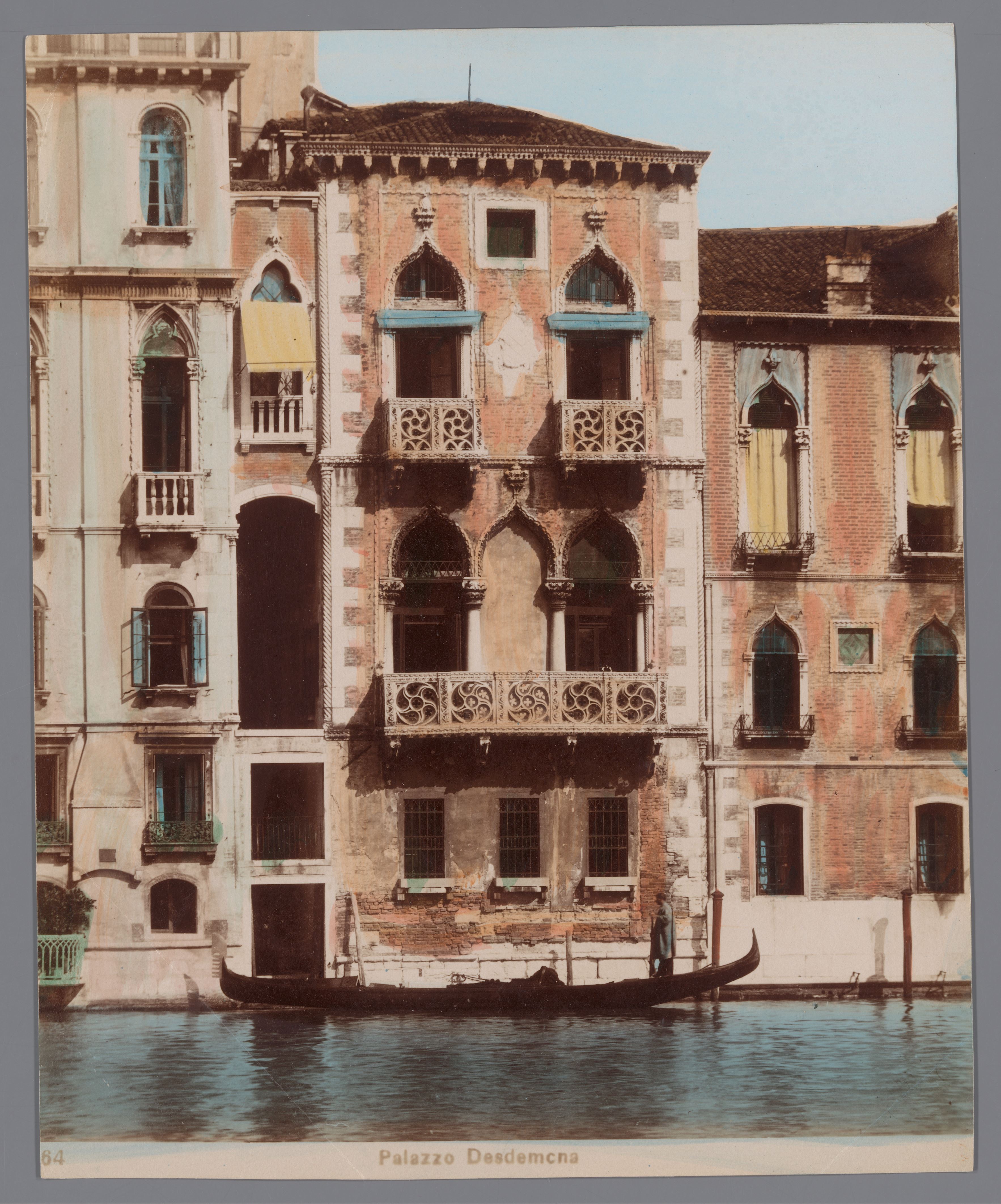
Palazzo Barozzi Emo Treves De Bonfili stands as a striking testament to Venice’s layered history and evolving architectural landscape. Overlooking the iconic Grand Canal, this palazzo unites Baroque grandeur, Neoclassical refinement, and Art Nouveau innovation, offering visitors a rare window into the city’s noble legacies, Jewish heritage, and artistic vibrancy. Originally commissioned by the Barozzi family in the late 17th century, and shaped further by the Emo and Treves De Bonfili families, the building chronicles centuries of social, cultural, and mercantile history (Venipedia, Jewish Museum of Venice).
Today, the palazzo is both a symbol of Venice’s aristocratic past and a venue for contemporary cultural events. Its unique blend of styles and stories makes it a must-see for architecture aficionados, history enthusiasts, and cultural travelers alike. This guide provides essential visitor information, including opening hours, ticketing, accessibility, highlights of architectural and historical interest, and practical travel tips for an enriching experience (Venice Jewish Heritage, Venice Official Tourism Portal, Venice Biennale).
Origins and Early History
The palazzo’s roots trace back to the late 17th century, when the Barozzi family, one of Venice’s oldest noble lineages, commissioned its construction as a symbol of status and a hub for mercantile activity on the bustling Grand Canal (Venipedia). The building’s initial Baroque design reflected the era’s preference for ornate façades, symmetrical layouts, and decorative detailing.
The Emo and Treves De Bonfili Families
In the 18th and 19th centuries, the palazzo passed through the hands of other distinguished families. The Emo family, renowned for their naval exploits and social influence, introduced Neoclassical elements and a private rear garden, enhancing the property’s prestige (Civico Museo Correr, Venice Naval History). The late 19th century saw its acquisition by the Treves De Bonfili family, prominent Jewish bankers from Trieste. Their stewardship ushered in Art Nouveau interiors, cosmopolitan flair, and the palazzo’s emergence as a center for arts, philanthropy, and cultural integration (Jewish Museum of Venice, Venice Jewish Heritage).
Architectural Highlights
Palazzo Barozzi Emo Treves De Bonfili is a showcase of Venice’s architectural evolution:
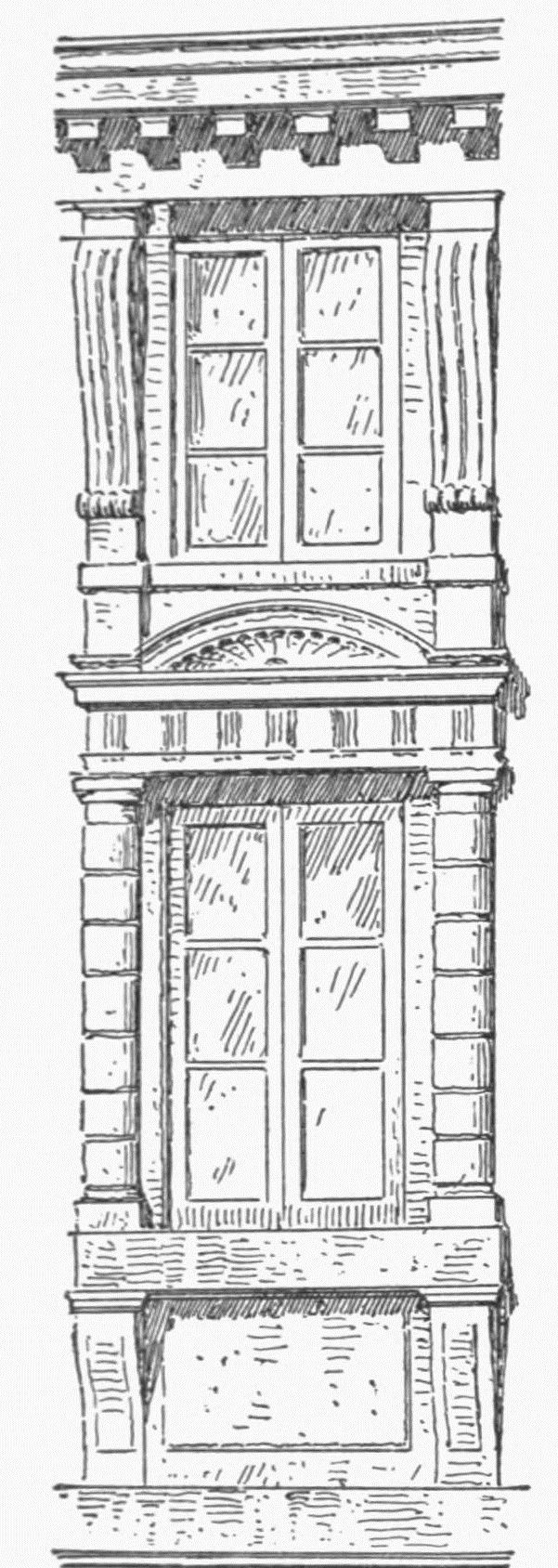
- Baroque Foundation: The façade’s harmonious proportions, arched windows, and sculpted stonework reflect the Baroque style’s dynamism and drama.
- Neoclassical Interiors: The Emo family’s renovations brought marble floors, stucco decoration, and frescoed ceilings, evoking classical elegance.
- Art Nouveau Touches: The Treves De Bonfili era added stained glass, intricate wrought ironwork, and elegant wooden details, signifying late 19th-century tastes (Venetian Palaces).
- Private Garden: Rare in Venice, the palazzo’s garden offers tranquil green space amidst the urban landscape.
A recent restoration, overseen by the Soprintendenza, has preserved original materials and restored wooden window frames, ensuring the palazzo’s historic character endures (Official site: Settengenesio.it).
Cultural Significance
Beyond its architectural merit, the palazzo is a symbol of Venice’s multicultural fabric. The Treves De Bonfili family’s ownership marked a turning point in Jewish integration into Venetian society, hosting literary salons, supporting local artists, and building bridges between communities (Jewish Venice). The residence has also been a venue for important social gatherings, political meetings, and artistic events, contributing to Venice’s reputation as a cosmopolitan center (Regata Storica).
Visiting Information
Location
Address: San Polo 30125, Venice, Italy (San Polo district, Grand Canal).
Nearest Vaporetto stop: San Tomà (5-minute walk).
Easily accessible from the Rialto Bridge (10 minutes) and Piazza San Marco (20 minutes) (Venice Vaporetto Map).
Opening Hours
- General Public: As of July 2025, the palazzo is privately owned and does not maintain regular daily visiting hours.
- Access: Entry is typically available during special events (e.g., Venetian Heritage Days, Biennale exhibitions) or by advance booking for private guided tours.
Tickets
- Pricing: €10–€20 per person, subject to event and tour type.
- Where to Buy: Tickets are available online, through cultural organizations, or at the entrance during public openings. Advance booking is highly recommended due to limited group sizes (Venice Official Tourism Portal).
Guided Tours
- Languages: Italian and English.
- Group Size: Limited to 10–20 visitors to protect interiors.
- Duration: 45–90 minutes.
- Content: Explore frescoed salons, private rooms, and the garden, with expert commentary on art, architecture, and family history.
- Booking: Check event calendars and contact local associations or specialized tour operators (Venice Private Tours).
Special Events
The palazzo hosts art exhibitions, chamber music concerts, and cultural lectures, especially during the Venice Biennale (Venice Biennale). Consult event listings and the official website for updates.
Visitor Facilities and Accessibility
- Restrooms: Not always available inside; use public facilities at Campo San Polo or near the Rialto Bridge.
- Cloakroom/Luggage: Not provided; travel light.
- Accessibility: Due to historical architecture (stairs, uneven floors), access for those with mobility impairments is limited. Contact organizers in advance to discuss needs.
- Photography: Non-flash photography is generally allowed in public areas. Restrictions apply in private rooms or during exhibitions.
- Dress Code & Conduct: Respectful attire and behavior are encouraged due to the palazzo’s cultural and residential status.
Practical Travel Tips
- Plan Ahead: Monitor official calendars and book early due to limited openings.
- Combine Visits: The palazzo’s San Polo location makes it ideal to pair with nearby sites:
- Campo San Polo: Venice’s largest square.
- Scuola Grande di San Rocco: Home to Tintoretto masterpieces (Scuola Grande di San Rocco).
- Basilica dei Frari: Features works by Titian and Bellini (Basilica dei Frari).
- Weather: Venice is humid in summer, damp in winter, and subject to acqua alta (high water) from October to January (Venice Tides). Dress accordingly.
- Safety: Watch belongings in crowds. Emergency number: 112; nearest police station: Campo San Polo.
Sustainable and Respectful Tourism
Support Venice’s heritage by:
- Booking smaller group tours during off-peak times.
- Supporting local businesses.
- Following preservation guidelines (Venice Sustainable Tourism).
Frequently Asked Questions (FAQ)
Q: When is Palazzo Barozzi Emo Treves De Bonfili open to visitors?
A: The palazzo is accessible during special events and by private tour; check official sources for current schedules.
Q: How can I purchase tickets?
A: Tickets are sold online or through cultural organizations during public events. Advance booking is advised.
Q: Is the palazzo accessible for wheelchair users?
A: Accessibility is limited. Contact organizers in advance for assistance.
Q: Are tours available in English?
A: Yes, most guided tours are conducted in both Italian and English.
Q: What nearby attractions should I visit?
A: Campo San Polo, Scuola Grande di San Rocco, Basilica dei Frari, Rialto Bridge, and St. Mark’s Basilica.
Contact and Further Information
For current visiting conditions, ticketing, and events, consult:
- Venice Official Tourism Portal
- Venice Biennale
- Venice Vaporetto Map and Timetables
- Official Canova Venice Website
- Save Venice Committee
- Scuola Grande di San Rocco
- Basilica dei Frari
Listen to the full story in the app
Your Personal Curator, in Your Pocket.
Audio guides for 1,100+ cities across 96 countries. History, stories, and local insight — offline ready.
Audiala App
Available on iOS & Android
Join 50k+ Curators
Sources
- verified
- verified
- verified
- verified
- verified
- verified
- verified
- verified
- verified
- verified
- verified
- verified
- verified
- verified
- verified
- verified
- verified
- verified
- verified
- verified
- verified
Last reviewed: