Introduction
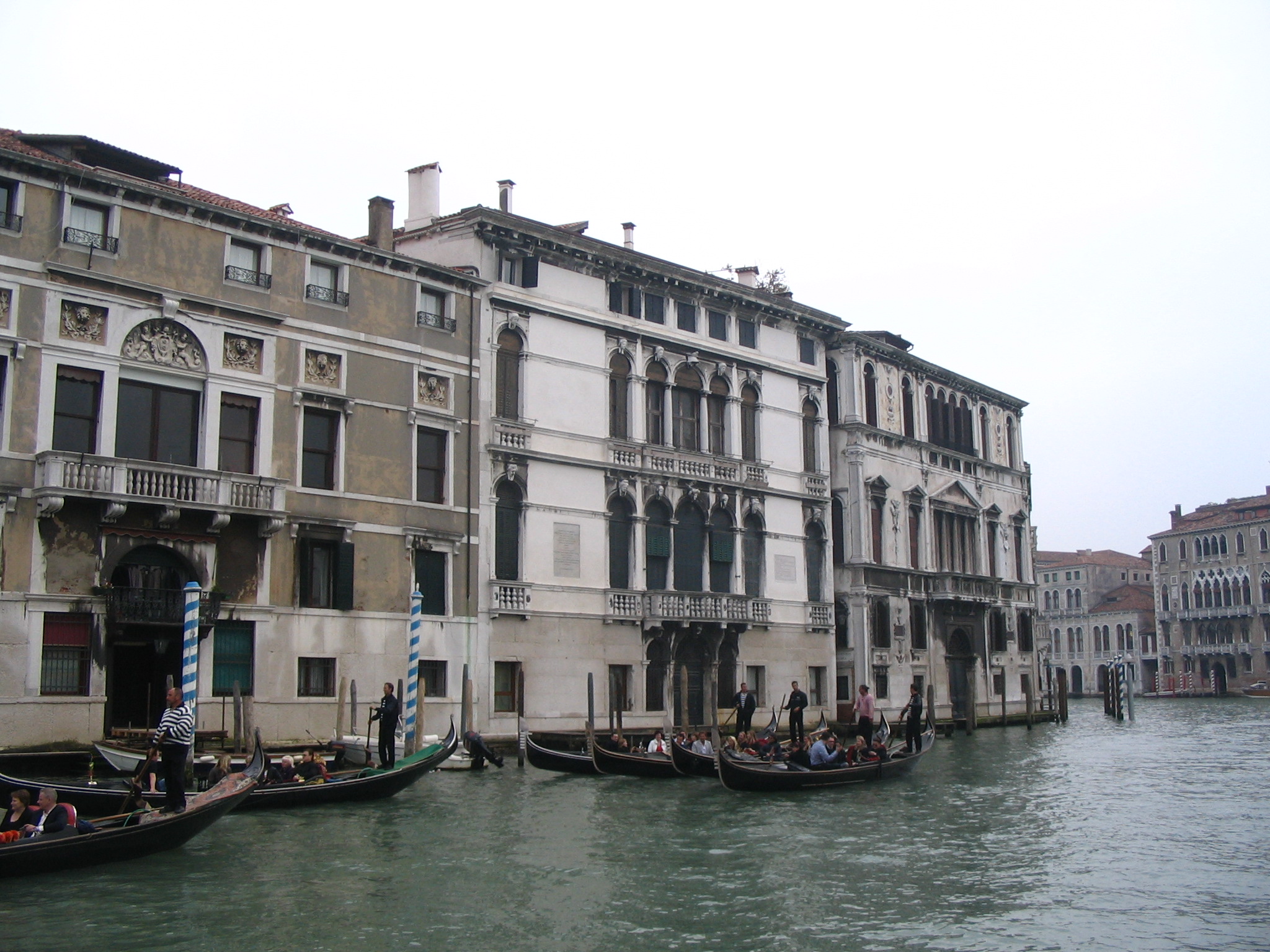
Set along Venice’s iconic Grand Canal, Palazzi Barbaro is a pair of adjoining palaces that exemplify the city’s layered history, artistic innovation, and aristocratic tradition. Renowned for their striking Venetian Gothic and Baroque architecture, these palaces have long served as a nexus for culture, creativity, and cosmopolitan exchange. Once home to the influential Barbaro family and later a hub for artists and writers under the American Curtis family, Palazzi Barbaro continues to captivate visitors, even though its interiors remain largely private.
This guide offers a comprehensive overview for travelers and enthusiasts, covering essential details about visiting hours, ticketing, architectural highlights, the palaces’ historical and cultural significance, and practical tips for exploring the surrounding area. Whether you hope to catch a rare glimpse inside during a special event or simply want to admire its grandeur from the Grand Canal or Ponte dell’Accademia, this resource will help you make the most of your Venetian journey (Italy Tourist Information, Wanderlog, Venice Tourism Board).
Origins and Architectural Development
Palazzi Barbaro consists of two palaces—the older Venetian Gothic structure, completed around 1425, and the later Baroque addition constructed between 1694–1698. Both were commissioned by the prominent Barbaro family, Venetian patricians whose influence shaped the city’s political and artistic life for centuries.
The Gothic palazzo, attributed to master stonemason Giovanni Bon, displays hallmark features of the style: pointed arches, elaborate tracery, and a façade adorned with quatrefoil windows and decorative stonework. In the late 17th century, Antonio Gaspari designed the Baroque wing, introducing dramatic proportions, stucco embellishments, and a grand ballroom with ceiling paintings by Sebastiano Ricci and Giambattista Piazzetta (Italy Tourist Information, A Guide in Venice, Goparoo).
The Barbaro Family and Their Legacy
The Barbaro family was one of Venice’s oldest and most influential aristocratic lineages. Their residence at Palazzi Barbaro reflected both their wealth and their commitment to intellectual and artistic pursuits. Notably, Daniele Barbaro (1514–1570) was a distinguished scholar, diplomat, and patron who collaborated with Andrea Palladio and Paolo Veronese. The family’s stewardship of the palazzo until the early 19th century preserved its role as a center for cultural and social gatherings (byemyself.com).
Cultural and Artistic Significance
During the late 19th and early 20th centuries, Palazzi Barbaro became a vibrant salon for artists, writers, and intellectuals thanks to its acquisition by Daniel Sargent Curtis of Boston. The so-called “Barbaro Circle” included figures such as Henry James, John Singer Sargent, Claude Monet, Robert Browning, Isabella Stewart Gardner, and Edith Wharton (marble.nd.edu). Their gatherings fostered cross-cultural exchange and inspired significant works of art and literature. Notably, Claude Monet painted the palazzo in 1908, and Henry James set “The Aspern Papers” within its atmospheric rooms.
Visiting Hours, Tickets, and Practical Information
Public Access
Palazzi Barbaro is a private residence and does not offer regular public visiting hours. Interior access is typically restricted to invitation-only events, cultural gatherings, or occasional private tours, often organized around major festivals or special exhibitions (Veneziablog).
Viewing the Palazzi
- Exterior Viewing: The palaces can be admired at any time from public vantage points such as the Grand Canal or the Ponte dell’Accademia.
- Interior Access: Rare, available only during special events or by arrangement with cultural associations.
Tickets and Entry
- Regular Ticketing: There is no standard ticketing system for Palazzi Barbaro.
- Event/Exhibition Fees: Entry fees apply only for special events and are set by organizers.
- Booking: For occasional tours or events, check the Venice Tourism Board or contact authorized tour operators.
Accessibility
Due to the palazzo’s historic structure, accessibility is limited—many areas include stairs and narrow passages. Visitors with mobility concerns should inquire in advance.
Architectural Features and Interior Highlights
- Gothic Wing: Features pointed arches, pentafora windows, ornate balconies, and a blend of Byzantine, Moorish, and Gothic influences.
- Baroque Wing: Designed by Antonio Gaspari, it boasts a grand ballroom with stucco and frescoes by Ricci and Piazzetta, and a distinguished 18th-century library with a ceiling painting by Tiepolo.
- Canal Façade: Durable Istrian stone frames resist lagoon humidity and add striking contrast to the brickwork.
- Interiors: Once adorned with frescoes by Giambattista Tiepolo (now lost) and period furnishings that evoke Venice’s golden age (Goparoo, byemyself.com).
Notable Residents and Guests
Throughout its history, Palazzi Barbaro welcomed an impressive array of guests, including writers, artists, diplomats, and members of the international intelligentsia. Under the Curtis family, the palazzo became a creative haven—its salons were renowned for fostering artistic and literary innovation (marble.nd.edu).
Palazzi Barbaro in Art and Literature
The palazzo's evocative presence has inspired prominent artistic and literary works:
- Claude Monet: Painted Palazzi Barbaro from the Grand Canal in 1908, capturing its interplay of light and water (byemyself.com).
- Henry James: Used the palazzo as a setting in “The Aspern Papers” and drew inspiration for “The Wings of the Dove.”
- John Singer Sargent: Created several paintings during his stays at the palazzo, depicting its interiors and the Venetian light.
Preservation, Private Ownership, and Visitor Experience
While Palazzi Barbaro remains a private residence, its legacy is preserved through the works it inspired and its continued maintenance by private owners. Occasional open houses and special events provide limited public access. The palazzo’s preservation is also supported by city-wide efforts such as the Venice Access Fee, designed to support conservation and manage tourism (Visit Venezia).
Location, Access, and Nearby Attractions
Location
- Address: Sestiere San Marco 2840–2842, Venice, Italy
- Closest Landmarks: Between Ponte dell’Accademia and Palazzo Cavalli-Franchetti; visible from the Ponte dell’Accademia (Opreismetco)
How to Get There
- By Vaporetto: Accademia stop (Line 1 or 2). Short walk along the Grand Canal.
- On Foot: 10–15 minutes from St. Mark’s Square via Calle Larga XXII Marzo.
- By Gondola/Water Taxi: Stunning views from the water; prices vary.
Nearby Attractions
- Gallerie dell’Accademia: Venice’s renowned art museum.
- Campo Santo Stefano: Vibrant square with dining options.
- Basilica di Santa Maria della Salute: Iconic Venetian church, visible from the palazzo.
- Peggy Guggenheim Collection: World-class modern art museum in Dorsoduro.
Travel Tips
- Best Viewing Times: Early morning and late afternoon offer optimal lighting and smaller crowds.
- Photography: The Ponte dell’Accademia provides the best panoramic views.
- Venice Access Fee: As of 2025, day-trippers must pay a city access fee during peak periods—check the official website for details.
- Accessibility: The area features bridges and uneven pavements; plan accordingly.
- Nearby Facilities: Restrooms are available near Campo Santo Stefano and the Accademia vaporetto stop; luggage storage is at Piazzale Roma and Santa Lucia train station (Venice Tourism Board).
Frequently Asked Questions (FAQ)
Q: Can I visit the interiors of Palazzi Barbaro?
A: Interior access is limited to select events, private tours, or by invitation.
Q: How do I book tickets for Palazzi Barbaro?
A: Tickets are only available for special events or tours, through event organizers or authorized tour operators.
Q: What is the best way to view Palazzi Barbaro?
A: The best views are from the Ponte dell’Accademia or by taking a vaporetto or gondola along the Grand Canal.
Q: Is Palazzi Barbaro accessible to visitors with mobility issues?
A: Accessibility is limited due to historic architecture—contact event organizers or tour operators for details.
Q: Are there nearby attractions to combine with a visit to Palazzi Barbaro?
A: Yes. Gallerie dell’Accademia, Peggy Guggenheim Collection, Campo Santo Stefano, and the Salute church are all nearby.
Listen to the full story in the app
Your Personal Curator, in Your Pocket.
Audio guides for 1,100+ cities across 96 countries. History, stories, and local insight — offline ready.
Audiala App
Available on iOS & Android
Join 50k+ Curators
Sources
- verified
- verified
- verified
- verified
- verified
- verified
- verified
Last reviewed: