Introduction: Discovering the Giudecca Canal
Venice’s Giudecca Canal is a sweeping waterway that separates the historic city center from the tranquil island of Giudecca. This iconic canal, stretching approximately 1.2 kilometers, has played a pivotal role in Venice’s maritime history and urban development. Renowned for its stunning views, rich cultural landmarks, and vibrant local life, the Giudecca Canal offers visitors an authentic Venetian experience—away from the bustling tourist crowds (letterstobarbara.com). This comprehensive guide provides essential information on the canal’s history, visiting hours, ticketing, transport, accessibility, local events, and top attractions.
Early Development
The Giudecca Canal, once bordering a modest fishing village known as Spinalunga, has evolved over centuries into a vital Venetian artery (imagesofvenice.com). The island of Giudecca, originally a cluster of smaller islands, was settled around 500 AD. Its name is debated: while some link it to “Judaica,” there is no evidence of a Jewish community here. More likely, it comes from “zudegà,” meaning “judged,” referring to noble families exiled to the island (veneziaunica.it).
Medieval and Renaissance Flourishing
By the 12th century, Giudecca became a preferred retreat for Venetian aristocracy, with palatial residences, monasteries, and verdant gardens springing up along the canal (imagesofvenice.com). Religious institutions, such as the Gesuati and Dominicans, established significant landmarks along the canal, including the Church of St. Mary of the Visitation and Santa Maria del Rosario (veniceophthalmologysummerschool.eu). The canal’s width and depth also made it a crucial route for trade and naval defense.
Industrial and Modern Era
The 19th and 20th centuries saw the rise of industrial complexes, most notably the neo-Gothic Molino Stucky flour mill, which has since been transformed into a luxury hotel. Today, Giudecca is celebrated for its blend of aristocratic, industrial, and residential character, reflected in its diverse architecture and community life (letterstobarbara.com).
Physical Geography and Canal Layout
The Giudecca Canal runs east-west, linking the Bacino di San Marco with the Venetian Lagoon to the west. It is flanked by the vibrant Zattere promenade on the Dorsoduro side and the quieter, residential waterfront on Giudecca. Its breadth and unobstructed views provide an exceptional vantage point of Venice’s skyline, including the domes of Santa Maria della Salute and St. Mark’s Campanile (letterstobarbara.com).
Visiting the Giudecca Canal: Hours, Tickets, and Accessibility
Main Attractions and Visiting Hours
- Il Redentore Church (Chiesa del Santissimo Redentore): Open daily, 9:00 AM–6:00 PM. Free entry; donations appreciated.
- Santa Maria del Rosario (I Gesuati): Tuesday to Sunday, 10:00 AM–5:00 PM. €5 entrance; reduced rates for students/seniors. Wheelchair accessible.
- Casa dei Tre Oci: Tuesday to Sunday, 10:00 AM–6:00 PM. Closed Mondays. €10 entrance; discounts available.
- Molino Stucky Hotel (Skyline Bar): Public areas and rooftop bar open daily to non-guests during operating hours; no entry fee.
- Le Zitelle: Open during mass or guided tours; check local schedules.
Ticket Information
Most churches and public spaces are free or require a modest fee. Tickets for art exhibitions, Casa dei Tre Oci, and guided tours can be booked online or at the venue. For major festivals (like Festa del Redentore), advanced booking is recommended.
Accessibility
- Promenades and Vaporetto Stops: Generally wheelchair accessible, with ramps at most vaporetto stops.
- Historic Sites: Some may have limited accessibility due to steps or uneven paving; check venue details in advance.
Transportation: How to Reach the Giudecca Canal
- Vaporetto (Water Bus): ACTV Lines 2, 4.1, 4.2, 5, and 6 serve the Giudecca waterfront. Main stops: Zitelle, Redentore, Palanca (veniceconnected.com).
- Water Taxi: Private, more expensive option for direct transfers.
- Walking: The island is about 2 km long; perfect for exploration on foot.
Tip: Early morning and late afternoon offer the best light and fewer crowds for sightseeing and photography.
Cultural and Architectural Highlights
- Il Redentore: Designed by Andrea Palladio, a symbol of Venice’s resilience after the 1575–1576 plague (italia.it).
- Santa Maria della Presentazione (Le Zitelle): Renaissance church with a harmonious design.
- Molino Stucky: Neo-Gothic former flour mill, now a Hilton hotel with panoramic views (veniceinsiderguide.com).
- Casa dei Tre Oci: Neo-Gothic home turned art venue, renowned for photography exhibitions (indigovenice.com).
Special Events: Festa del Redentore
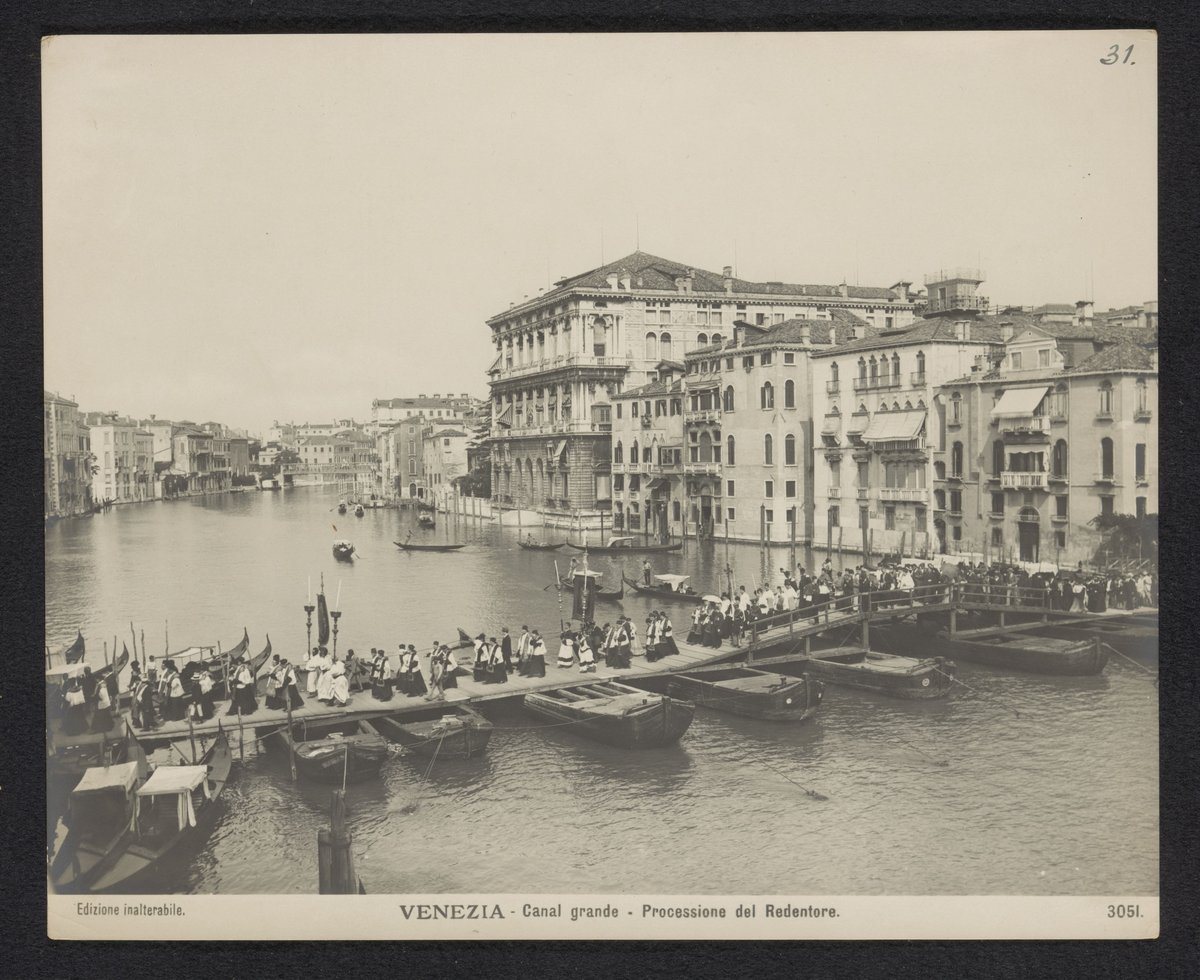
Every July, the Festa del Redentore transforms the Giudecca Canal into Venice’s most festive stage. A floating pontoon bridge connects the city center to Il Redentore Church on Giudecca for religious processions, spectacular fireworks, and communal celebrations. This event is a highlight of Venice’s social calendar and draws both locals and visitors (italia.it).
Suggested Itinerary and Nearby Attractions
Morning: Visit Il Redentore and Santa Maria del Rosario. Lunch: Enjoy waterfront dining with canal views. Afternoon: Explore Zattere promenade by vaporetto or on foot. Evening: Sunset photography and drinks at the Molino Stucky’s rooftop bar.
Nearby, discover San Giorgio Maggiore Island (accessible by vaporetto), the Zattere promenade, and artisanal shops and gardens unique to the Giudecca community.
Local Life and Visitor Experience
Giudecca’s residential nature offers a quieter alternative to the main city. Artisan workshops, community gardens (such as the female prisoners’ garden), and authentic cafes provide opportunities to engage with local culture. Accommodations range from boutique guesthouses to luxury hotels like the Hilton Molino Stucky, often at better value than central Venice (letterstobarbara.com).
Practical Tips for Visitors
- Tickets: Vaporetto tickets cost ~€7.50 per journey; multi-day passes are available.
- Accessibility: Check with individual sites for accessibility; most public spaces are adapted for mobility needs.
- Dress Code: Wear comfortable shoes for cobblestone streets; casual attire is acceptable at most venues.
- Visitor Fee: A €3–€10 access fee applies to day-trippers (April–October); overnight guests are exempt (italy-tourist-information.com).
Frequently Asked Questions (FAQ)
Q: What are the Giudecca Canal visiting hours?
A: Outdoor areas are open dawn to dusk; Il Redentore Church: 9:00 AM–6:00 PM; Casa dei Tre Oci: 10:00 AM–6:00 PM (Tues–Sun).
Q: Are tickets required for attractions?
A: Public spaces are free. Churches may charge €5; art exhibitions and tours require tickets, often bookable online.
Q: Is the Giudecca Canal accessible for disabled visitors?
A: Most promenades and vaporetto stops are accessible; some historic sites may have limitations.
Q: How do I get to Giudecca from central Venice?
A: Take ACTV vaporetto Lines 2, 4.1, 4.2, 5, or 6 to Zitelle, Redentore, or Palanca.
Q: When is the best time to visit?
A: Spring and early autumn are ideal; summer is lively but crowded.
Q: Can I swim in the Giudecca Canal?
A: Swimming is not permitted due to safety and boat traffic.
Visuals and Media Suggestions
- Include images of the Giudecca Canal at sunrise/sunset, Il Redentore Church, the Molino Stucky rooftop, and Festa del Redentore fireworks.
- Use descriptive alt text (e.g., “Giudecca Canal Venice panoramic view”).
- Maps showing vaporetto stops and key landmarks enhance visitor orientation.
Plan Your Visit
- Download the Audiala app for updated schedules, guided tours, and exclusive tips.
- Visit official Venice tourism sites for current events and accessibility details.
- Follow Audiala and Venice travel resources on social media for inspiration and news.
Listen to the full story in the app
Your Personal Curator, in Your Pocket.
Audio guides for 1,100+ cities across 96 countries. History, stories, and local insight — offline ready.
Audiala App
Available on iOS & Android
Join 50k+ Curators
Sources
- verified
- verified
- verified
- verified
- verified
- verified
- verified
- verified
- verified
- verified
- verified
Last reviewed: