Introduction
Esedra, a lesser-known treasure in the heart of Venice, Italy, offers a rich tapestry of history, culture, and architectural splendor. Derived from the Greek term 'exedra,' meaning a semicircular or rectangular space often used for gatherings, Esedra's design and function have evolved significantly over the centuries. This area, deeply intertwined with the history of the Venetian Republic, showcases an array of architectural styles from medieval Gothic to Renaissance symmetry and Baroque grandeur. Notably, prominent landmarks such as the Palazzo Grimani and the Church of Santa Maria della Salute highlight the extraordinary architectural journey of Esedra (Venice Architecture). As a cultural hub, Esedra has hosted numerous artistic and intellectual events, with the Teatro La Fenice being a significant cultural landmark contributing to its vibrant artistic scene (Teatro La Fenice). This guide aims to provide a comprehensive overview of Esedra's historical significance, visitor information, and travel tips, ensuring an enriching experience for all who visit this hidden gem.
Origins and Early Development
Esedra has roots that trace back to the early days of the Venetian Republic. The term 'Esedra' itself is derived from the Greek word 'exedra,' meaning a semicircular or rectangular space, often used for gatherings and discussions in ancient times. This architectural feature was adopted by the Romans and later influenced Venetian design.
Medieval Period
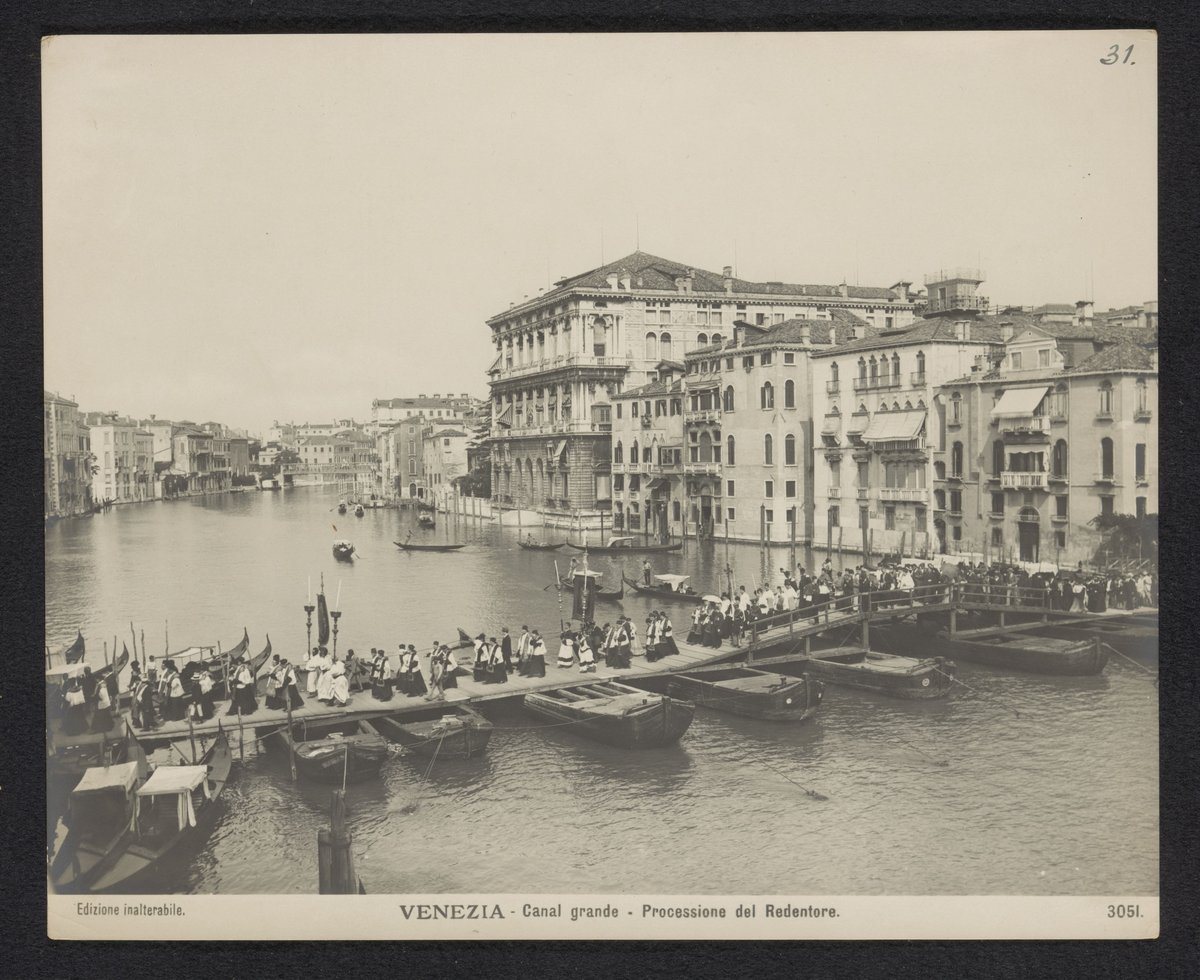
During the medieval period, Esedra became a significant part of Venice's urban landscape. The area was known for its strategic location, which facilitated trade and commerce. Venice, being a major maritime power, saw Esedra as a crucial point for the docking and unloading of goods. The medieval architecture of Esedra reflects the Gothic style prevalent during this era, characterized by pointed arches, ribbed vaults, and flying buttresses.
Renaissance Influence
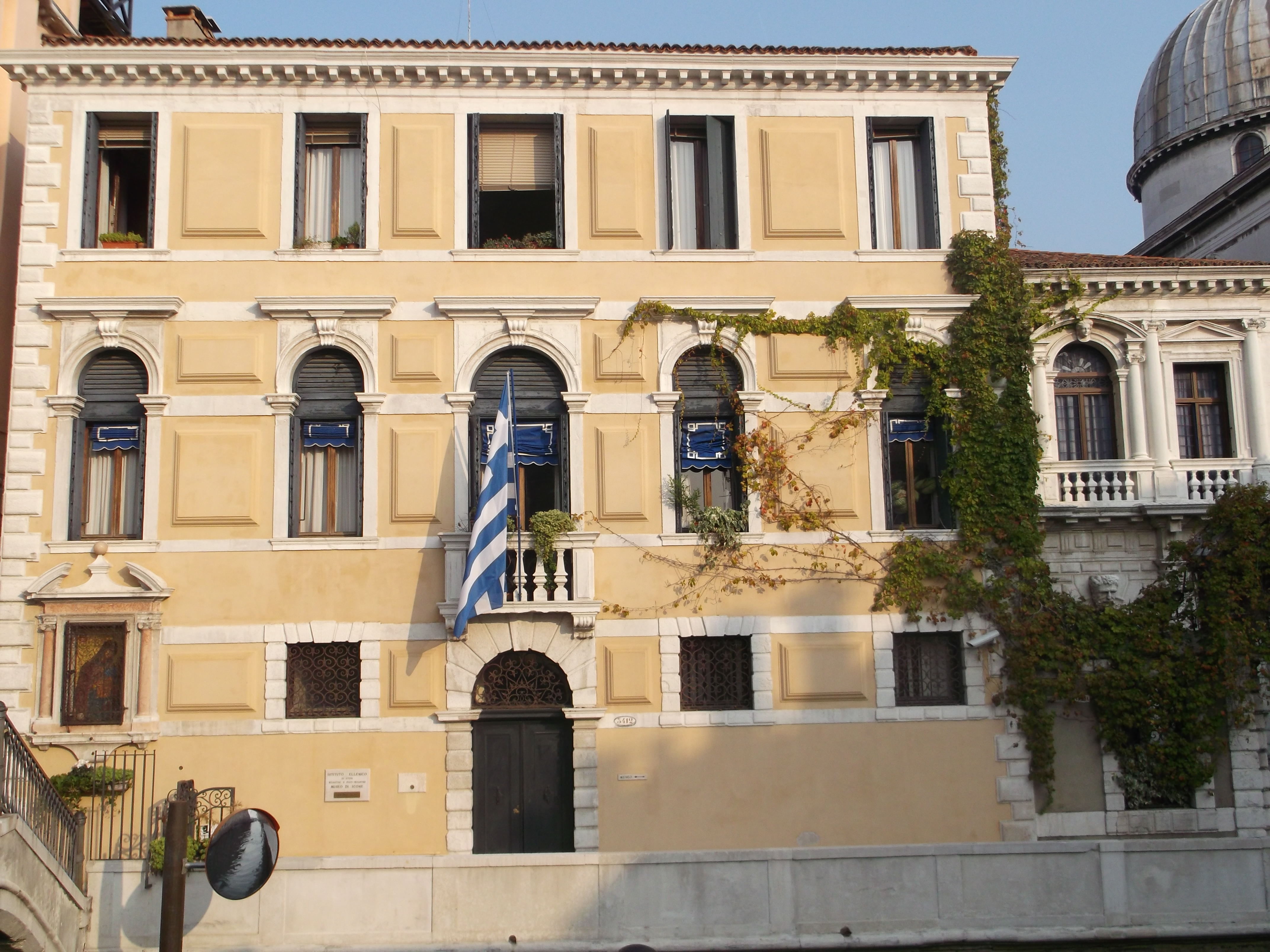
The Renaissance period brought a wave of artistic and architectural transformation to Venice, and Esedra was no exception. Influenced by the works of renowned architects like Andrea Palladio, the area saw the construction of several palatial buildings and public spaces. The Renaissance style in Esedra is marked by symmetry, proportion, and the use of classical elements such as columns and pilasters. One notable example is the Palazzo Grimani, which showcases the grandeur of Renaissance architecture (Venice Architecture).
Baroque and Rococo Periods
The Baroque and Rococo periods further enriched Esedra's architectural landscape. The Baroque style, known for its dramatic use of light and shadow, ornate details, and grandeur, is evident in several buildings in the area. The Church of Santa Maria della Salute, although not located directly in Esedra, influenced the architectural trends of the time with its Baroque elements (Santa Maria della Salute).
The Rococo period, which followed the Baroque, introduced a lighter, more playful aesthetic. This style is characterized by intricate stucco work, pastel colors, and elaborate decorations. The influence of Rococo can be seen in the interior designs of several buildings in Esedra, adding a layer of artistic richness to the area.
19th and 20th Centuries
The 19th and 20th centuries brought significant changes to Esedra, reflecting broader trends in European history. The fall of the Venetian Republic in 1797 and subsequent Napoleonic and Austrian rule left their marks on the area. During this period, Esedra saw the introduction of neoclassical architecture, which emphasized simplicity and symmetry, drawing inspiration from ancient Greek and Roman designs.
The 20th century, particularly the post-World War II era, brought modernization and restoration efforts to Esedra. The area underwent several urban development projects aimed at preserving its historical heritage while accommodating modern needs. These efforts have helped maintain the unique character of Esedra, blending historical charm with contemporary functionality (Venice Restoration).
Cultural Significance
Esedra holds a special place in Venetian culture and history. It has been a hub for artistic and intellectual activities for centuries. The area has hosted numerous cultural events, including art exhibitions, literary gatherings, and musical performances. The rich cultural tapestry of Esedra is reflected in its museums, galleries, and theaters, which continue to attract visitors from around the world.
One of the most significant cultural landmarks in Esedra is the Teatro La Fenice, one of the most famous opera houses in Italy. Although not located directly within Esedra, its influence on the cultural scene of the area is undeniable. The theater has hosted premieres of works by composers like Verdi and Rossini, contributing to Venice's reputation as a center of musical excellence (Teatro La Fenice).
Modern-Day Esedra
Today, Esedra is a vibrant area that seamlessly blends its historical heritage with modern amenities. The area is a popular destination for tourists seeking to explore Venice's rich history and culture. Visitors can stroll through its narrow streets, admire the architectural marvels, and enjoy the local cuisine at one of the many cafes and restaurants.
Efforts to preserve Esedra's historical and cultural heritage continue to this day. Various organizations and government bodies are involved in restoration projects aimed at maintaining the area's unique character. These efforts ensure that Esedra remains a living testament to Venice's glorious past while adapting to the needs of the present and future (Venice Preservation).
Visitor Information
- Visiting Hours: Esedra is accessible to the public at all times, but specific sites within the area may have their own visiting hours. It is advisable to check the official websites or contact local tourist information centers for the most accurate details.
- Tickets: While strolling through Esedra is free, some historical sites and museums may require tickets. Prices vary, so checking ahead is recommended. Online booking options are often available (Esedra Tickets).
- Travel Tips: Wear comfortable shoes as the narrow streets and cobblestone paths can be challenging. Consider visiting early in the morning or late in the afternoon to avoid crowds.
- Nearby Attractions: In addition to the architectural marvels of Esedra, visitors can explore nearby attractions such as the Rialto Bridge, St. Mark's Basilica, and the Doge's Palace.
- Accessibility: While many parts of Esedra are accessible, some areas may pose challenges for visitors with mobility issues. Checking accessibility options in advance can ensure a smoother visit.
Special Events and Guided Tours
Esedra hosts a variety of special events throughout the year, including art exhibitions, historical reenactments, and music festivals. Guided tours are available and can provide deeper insights into the area's rich history and cultural significance. Photographic spots are abundant, offering picturesque views perfect for capturing memories.
Listen to the full story in the app
Your Personal Curator, in Your Pocket.
Audio guides for 1,100+ cities across 96 countries. History, stories, and local insight — offline ready.
Audiala App
Available on iOS & Android
Join 50k+ Curators
Sources
- verified
- verified
- verified
- verified
- verified
- verified
Last reviewed: