Plan and listen to Campo Santi Giovanni E Paolo with Audiala.
Audio guide in your pocket, itinerary in your browser. Built for the way you actually visit.
Introduction
Campo Santi Giovanni e Paolo, also known as San Zanipolo in Venetian dialect, is a captivating historical site nestled in the heart of Venice, Italy. Revered as one of the city's most significant squares, it is dominated by the monumental Gothic Basilica of Santi Giovanni e Paolo. This basilica, often referred to as the "Pantheon of Venice," is renowned for its architectural splendor and historical importance, serving as the burial site for numerous doges and notable Venetians (Luxury Travel Book). The area also houses the Scuola Grande di San Marco, a grand Renaissance building that played a pivotal role in Venetian social and religious life. This comprehensive guide aims to provide detailed insights into the historical background, architectural marvels, and practical visitor information for Campo Santi Giovanni e Paolo, making it an indispensable resource for both history enthusiasts and casual travelers.

Historical Background
Origins and Early History
Campo Santi Giovanni e Paolo, a significant historical site in Venice, has roots tracing back to the 13th century. The area is named after the Basilica of Santi Giovanni e Paolo, a monumental Gothic church commissioned by the Dominican Order in 1246 and completed in 1430. It was constructed on land donated by Doge Jacopo Tiepolo, who envisioned the site as a central place for religious and civic activities (Travel Passionate).
Architectural Significance
The Basilica of Santi Giovanni e Paolo, one of Venice's largest churches, is often referred to as the "Pantheon of Venice" due to the numerous doges and notable Venetians buried there. Its architecture exemplifies Venetian Gothic style, characterized by pointed arches, ribbed vaults, and flying buttresses. The relatively plain façade contrasts with the richly decorated interior, featuring the tombs of 25 doges, the Chapel of the Rosary, and an impressive altarpiece by Giovanni Bellini (Luxury Travel Book).
The Scuola Grande di San Marco
Adjacent to the basilica is the Scuola Grande di San Marco, one of Venice's six major confraternities. Founded in 1260, it played a crucial role in Venetian social and religious life. The current building, constructed in the late 15th century after a fire, features a Renaissance façade designed by Pietro Lombardo and Giovanni Buora. Inside, visitors can explore a library and a museum with medical artifacts and historical documents (Luxury Travel Book).
Historical Events and Cultural Impact
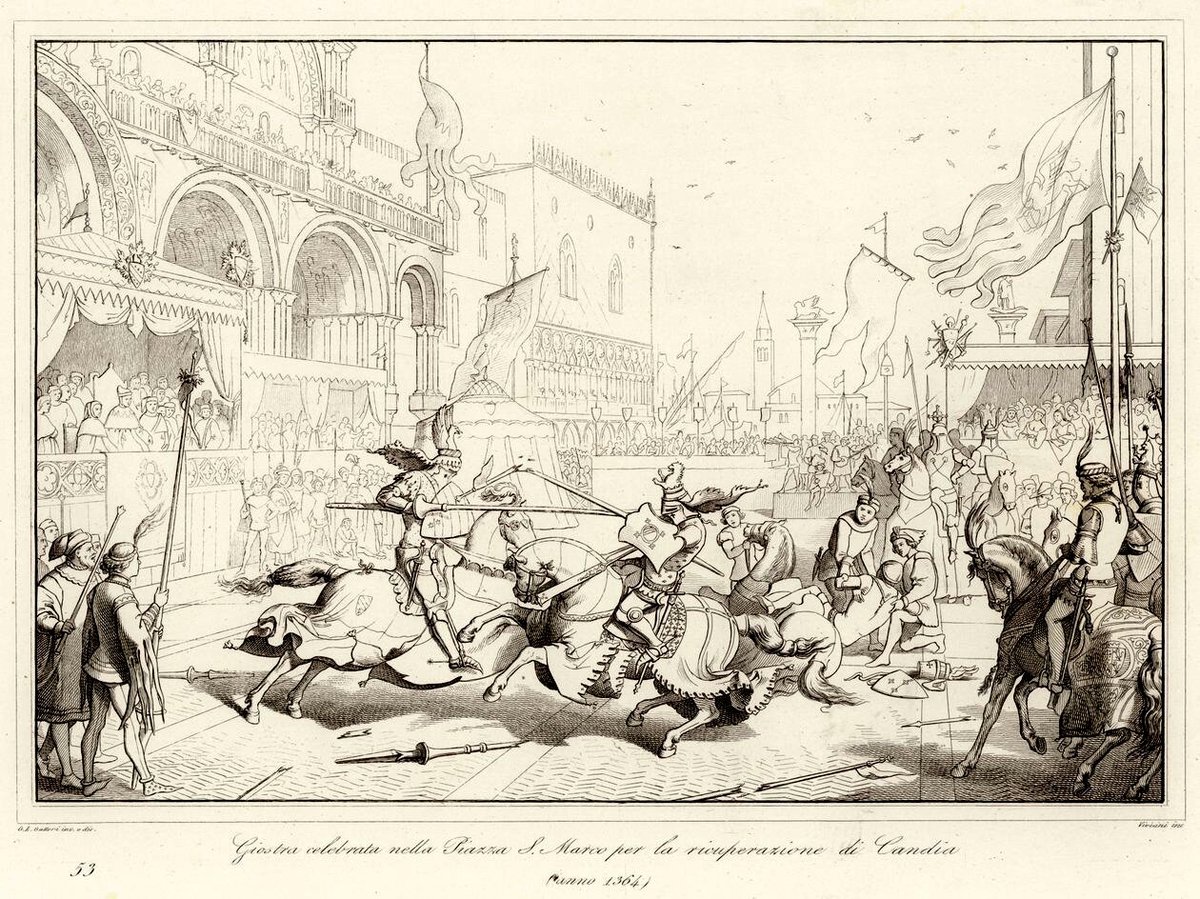
The Campo Santi Giovanni e Paolo has hosted numerous historical events and played a significant role in Venetian culture. The square was a popular gathering place for public ceremonies, processions, and festivals, including the annual Festa della Sensa, celebrating Venice's maritime dominance. During this festival, the doge would symbolically "marry" the sea in a ceremony aimed at securing favorable tides and trade.
Visitor Information
Ticket Prices
Current ticket prices for visiting the Basilica of Santi Giovanni e Paolo are as follows:
- Adults: €3.50
- Students (with valid ID): €1.50
- Seniors (65+): €2.50
- Children under 12: Free
Discounts are available for groups and during certain events.
Opening Hours
The basilica is open to visitors during the following hours:
- Monday to Saturday: 9:00 AM - 6:00 PM
- Sunday: 12:00 PM - 6:00 PM
Please note that hours may vary during holidays and special events.
Accessibility
The Basilica of Santi Giovanni e Paolo is wheelchair accessible through a side entrance. Guided tours for visitors with disabilities are available upon request. The Scuola Grande di San Marco also offers accessible facilities, including ramps and elevators.
Nearby Attractions
While visiting Campo Santi Giovanni e Paolo, consider exploring these nearby attractions:
- Rialto Bridge: One of Venice's most iconic landmarks, offering stunning views of the Grand Canal.
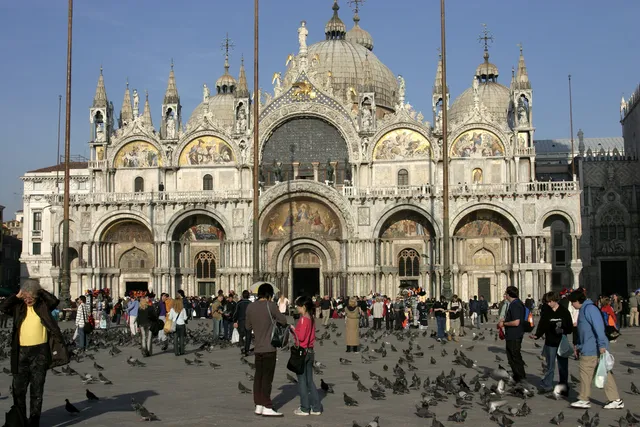
- St. Mark's Basilica: A masterpiece of Byzantine architecture located at Piazza San Marco.
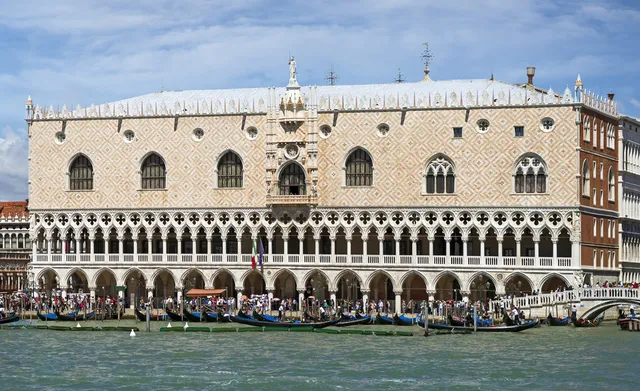
- Doge's Palace: A historic palace that once served as the residence of the Doge of Venice.
- Murano Island: Famous for its glass-making workshops and beautiful canals.
Travel Tips
- Best Time to Visit: The best time to visit is during the spring (April to June) or fall (September to October) when the weather is pleasant and the crowds are smaller.
- How to Get There: Campo Santi Giovanni e Paolo is accessible by vaporetto (water bus) from various parts of Venice. The nearest stop is "Ospedale."
- Local Customs: When visiting religious sites, dress modestly. Be respectful of local customs and traditions.
FAQ
Q: Can I take photos inside the Basilica? A: Photography is allowed, but flash and tripods are prohibited.
Q: Are guided tours available? A: Yes, guided tours are available in multiple languages. It's recommended to book in advance.
Q: Is there a dress code? A: Yes, visitors are required to dress modestly, covering shoulders and knees.
Tickets & tours.
These are guided options from our partners — same price as booking direct.
Prices are indicative — final pricing and availability are confirmed at checkout. Audiala may earn a commission from bookings made through these links.
Listen to the full story in the app
The whole Campo Santi Giovanni E Paolo,
told well.
Audio guides for 1,100+ cities across 96 countries. History, stories, and local insight — offline ready.
Verified, and shown.
Researched and written by the Audiala editorial team from historical records, architectural archives, and local expertise.
Researched from Wikidata, Wikipedia & official sources · fact-checked · How we make our guides →