Introduction
Nestled in the heart of Venice’s historic San Polo district, Campo San Polo stands as the city’s second-largest public square and a vibrant testament to Venice’s layered history, culture, and community life. Originally a marshy agricultural area, it was transformed over centuries into a grand paved square that has served as a central hub for social gatherings, markets, festivals, and civic events since the Middle Ages. From hosting Renaissance bullfights and masquerade balls to contemporary open-air concerts and film screenings, Campo San Polo embodies the dynamic blend of tradition and modernity that defines Venice.
This detailed guide explores Campo San Polo’s rich historical background, architectural highlights, and cultural significance. It also offers practical information on visiting hours, accessibility, ticketing, and nearby attractions—ensuring a rewarding visit whether you are a first-time traveler or a returning visitor seeking hidden gems. Dive into the stories behind iconic landmarks like the Church of San Polo and the elegant surrounding palazzi, and discover tips for enjoying seasonal events such as the Venice Carnival and Christmas markets. With easy access by foot or vaporetto and a welcoming local atmosphere, Campo San Polo invites you to immerse yourself in the authentic Venetian experience (venicexplorer.com, bestveniceguides.it, veniceinsiderguide.com).
Early Origins and Settlement
Campo San Polo traces its origins to Venice’s early development in the 9th century, situated on higher ground within the Realtine Islands. Its elevation provided protection from flooding, making it desirable for settlement. Initially, the site was used as pasture and for agriculture before evolving into a communal space as the population grew (venicexplorer.com, venetoway.com).
Medieval Transformation: From Pasture to Public Arena
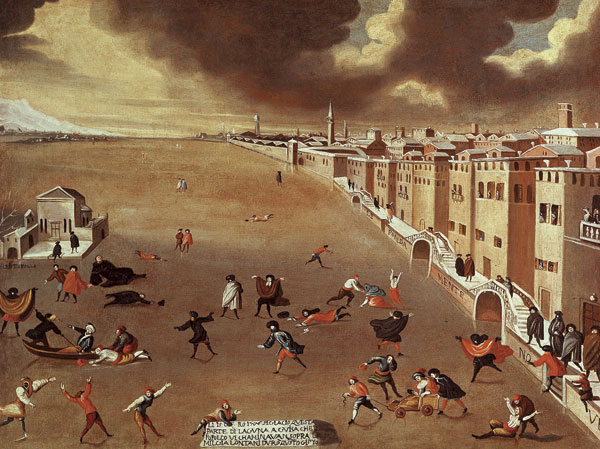
By the Middle Ages, Campo San Polo had become a key venue for public life. Its vast expanse—second only to Piazza San Marco—made it ideal for gatherings, celebrations, tournaments, and even bullfights. Regulations in the 17th century limited certain activities, reflecting the square’s importance to Venice’s civic order (venetoway.com).
Economic and Social Hub
The construction of the original Rialto Bridge in 1173 transformed San Polo into a strategic commercial area. The surrounding campo became a marketplace where fishermen, farmers, and artisans traded goods. Proximity to the Rialto market and financial institutions solidified its role as the beating heart of Venice’s economic and social life (venicexplorer.com).
Architectural and Cultural Flourishing
The wealth generated in San Polo fostered architectural advancements. The Church of San Giacomo di Rialto, the city’s oldest, and the Church of San Polo, with its Gothic features and artworks, became landmarks. The campo itself was paved in 1493, and elegant palazzi reflecting Renaissance and Baroque styles rose around its perimeter (venicexplorer.com, bestveniceguides.it).
Transition to a Cultural Landmark
As Venice’s mercantile dominance waned, Campo San Polo embraced its heritage, hosting public festivities, religious processions, and theatrical performances. Restoration efforts in the modern era have preserved iconic structures like the Rialto Bridge and Basilica dei Frari, ensuring the campo’s continued relevance (venicexplorer.com).
Campo San Polo in Contemporary Venice
Today, Campo San Polo remains a lively gathering place for concerts, film screenings, and seasonal festivals. Its blend of history, architecture, and everyday Venetian life makes it an essential destination for visitors seeking authenticity (venicexplorer.com).
Practical Visitor Information
Visiting Hours and Tickets
- Opening Hours: Campo San Polo is a public square open 24/7, year-round.
- Entry Fee: Access to the square is free. Some nearby sites, like the Church of San Polo and Scuola Grande di San Rocco, may require tickets (typically €5–€10). Book online in advance during peak seasons for convenience (venicexplorer.com).
Accessibility
- Getting There: The campo is centrally located, about 500 meters west of Rialto Bridge and 800 meters southeast of Santa Lucia Station (venice-guide.info). Reachable by foot, vaporetto (nearest stops: San Tomà, San Silvestro, Rialto Mercato, Rialto), or water taxi (thegeographicalcure.com).
- Mobility: The square is paved and relatively flat, suitable for wheelchairs and strollers, though some surrounding streets and bridges may present challenges. Accessibility maps are recommended for planning.
Travel Tips
- Footwear: Wear comfortable shoes for cobblestones.
- Timing: Visit early morning or late afternoon for fewer crowds and beautiful light.
- Navigation: Use a map or navigation app, and follow yellow signs to landmarks.
Nearby Attractions
- Rialto Bridge: Historic market area and iconic bridge, 10 minutes away.
- Basilica di Santa Maria Gloriosa dei Frari: Gothic masterpiece with significant artworks, 200 meters west.
- Scuola Grande di San Rocco: Renowned for Tintoretto’s paintings.
- Ca’ d’Oro: A striking Gothic palace and art museum, within walking distance.
Guided Tours and Photographic Spots
- Many walking tours and audio guides (including the Audiala app) feature Campo San Polo in their itineraries (veniceinsiderguide.com).
- Photographers will appreciate the campo’s open space, architectural backdrops, and the play of light during golden hour.
Events and Activities
- Winter: Christmas market and ice rink (Dec–Jan), offering festive stalls and skating for a fee (sintraexplorers.com).
- Summer: Open-air cinema linked to the Venice Film Festival, as well as outdoor concerts and cultural performances (venice-travel-guide.com).
- Carnival: Central venue for masked balls, parades, and street performances during Venice’s legendary Carnival.
- Community Life: Locals and families gather in the afternoons and evenings; children play around the historic wellhead, and neighbors socialize on benches.
Urban Features and Amenities
- Size and Layout: Covering about 5,810 square meters with a perimeter of 355 meters, Campo San Polo is second only to Piazza San Marco in size (openresearch.amsterdam).
- Paving and Greenery: Paved with traditional Venetian stone, featuring mature trees and benches for respite.
- Historic Wellhead: The central pozzo is a relic of Venice’s water collection system and a popular meeting point.
- Public Amenities: Drinking fountains, nearby restrooms (usually paid), and a mix of cafes, bakeries, and shops on the southern and eastern edges (openresearch.amsterdam).
- Architectural Highlights: The Church of San Polo (Gothic with artworks by Tintoretto and Palma il Giovane), Gothic palazzi of the De Bugni and Soranzo families, and historic residences lining the campo (bestveniceguides.it).
Frequently Asked Questions (FAQ)
Q: What are Campo San Polo’s opening hours?
A: The square is open 24 hours a day, year-round.
Q: Is there an entry fee to visit Campo San Polo?
A: No, the square is free to access. Some nearby churches and museums require tickets.
Q: Is Campo San Polo wheelchair accessible?
A: The square is flat and paved, making it accessible, but nearby streets and bridges may present difficulties.
Q: Are there guided tours available?
A: Yes, walking and audio tours are available and often include Campo San Polo.
Q: When is the best time to visit?
A: Early mornings, late afternoons, and festival days offer unique atmospheres.
Listen to the full story in the app
Your Personal Curator, in Your Pocket.
Audio guides for 1,100+ cities across 96 countries. History, stories, and local insight — offline ready.
Audiala App
Available on iOS & Android
Join 50k+ Curators
Sources
- verified
- verified
- verified
- verified
- verified
- verified
- verified
Last reviewed: