Plan and listen to Ca' Pesaro with Audiala.
Audio guide in your pocket, itinerary in your browser. Built for the way you actually visit.
Introduction to Ca' Pesaro
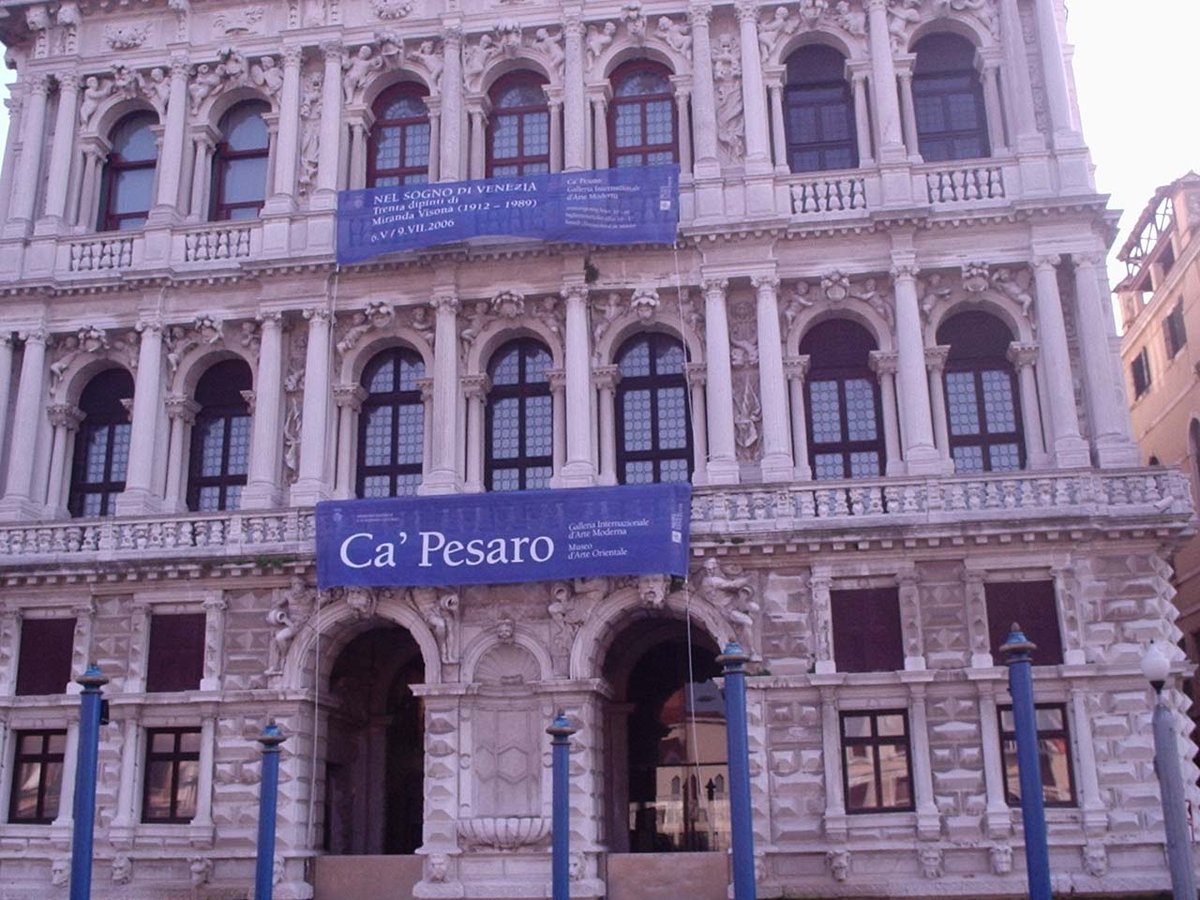
Ca' Pesaro, a remarkable Baroque palace situated on the Grand Canal in Venice, Italy, stands as both an architectural marvel and a significant cultural institution. Envisioned by the renowned architect Baldassare Longhena, Ca' Pesaro was constructed in the mid-17th century and reflects the grandeur typical of Baroque aesthetics. Originally built for the prominent Pesaro family, whose influence in Venice spanned from the 13th to the 18th centuries, the palace is a testament to their wealth and power. Over the centuries, Ca' Pesaro has evolved from a family residence into a vibrant hub for art and culture, housing the International Gallery of Modern Art and the Museum of Oriental Art. This transformation began under the visionary stewardship of Countess Felicita Bevilacqua, who bequeathed the palace to the city of Venice in the late 19th century (Ca' Pesaro - History, Visiting Hours, and Tickets for Venice's Baroque Masterpiece). Today, Ca' Pesaro attracts visitors from around the world, offering a unique opportunity to explore Venetian history, art, and architectural splendor.

History and Significance
The Pesaro Family - Power and Prestige
The palace owes its existence to the prominent Pesaro family, a name synonymous with Venetian power and influence during the 16th and 17th centuries. The family's roots can be traced back to the 13th century, and their rise to prominence was marked by their involvement in trade, politics, and military endeavors.
The Pesaro family produced several notable figures, including:
- Doge Leonardo Pesaro (1658-1659) - Leonardo's reign as Doge, though brief, marked the pinnacle of the family's political power. His image, immortalized in a statue within the palace, serves as a reminder of their legacy.
- Benedetto Pesaro (1659-1715) - A prominent figure in the Venetian navy, Benedetto's victories against the Ottoman Empire further solidified the family's standing.
The construction of Ca' Pesaro was not merely an act of creating a grand residence; it was a statement of the Pesaro family's wealth, power, and commitment to showcasing their status within Venetian society.
Building a Masterpiece - Architectural Evolution
The construction of Ca' Pesaro began in the mid-17th century, a period when Venice was experiencing a flourishing of Baroque architecture. The renowned architect Baldassare Longhena, already celebrated for his work on the Basilica di Santa Maria della Salute, was commissioned for this ambitious project.
Longhena's design for Ca' Pesaro was groundbreaking. He envisioned a structure that would embody the grandeur of Baroque aesthetics while simultaneously reflecting the Pesaro family's power and prestige. The palace's construction unfolded in stages:
- 1659-1679 - The initial phase focused on the construction of the side facing the Grand Canal, showcasing Longhena's mastery of Baroque ornamentation and his innovative approach to light and space.
- Late 17th - Early 18th Century - The second phase saw the completion of the palace's interior, adorned with opulent decorations, frescoes, and sculptures, reflecting the family's refined taste and significant art collection.
However, the palace's construction faced a significant setback with Longhena's death in 1682. His pupil, Antonio Gaspari, took over the project, successfully completing the Grand Staircase and the second floor, adhering to Longhena's original vision.
From Family Home to Cultural Hub - A Legacy Transformed
Ca' Pesaro remained the residence of the Pesaro family until the early 19th century. Following the fall of the Venetian Republic in 1797 and the subsequent decline of the Pesaro family's fortunes, the palace was inherited by the last surviving member, Countess Felicita Bevilacqua.
Countess Bevilacqua, a visionary in her own right, bequeathed Ca' Pesaro to the city of Venice in 1898, with a specific purpose - to transform the grand palace into a hub for art and culture. Her vision led to the establishment of two significant institutions within the palace walls:
- International Gallery of Modern Art - Founded in 1900, the gallery houses an impressive collection of 19th and 20th-century art, including works by renowned artists like Klimt, Chagall, and Kandinsky.
- Museum of Oriental Art - Established in 1901, the museum showcases a fascinating collection of Asian art, reflecting Venice's historical trade links with the East.
Visitor Information
Ticket Prices and Opening Hours
- Opening Hours - Ca' Pesaro is open Tuesday to Sunday from 10:00 AM to 6:00 PM. The palace is closed on Mondays and major holidays.
- Ticket Prices - General admission costs €10.00, while reduced tickets (for students, seniors, etc.) are available for €7.50. Children under the age of 6 can enter for free.
- Online Tickets - Tickets can be purchased online through the official Ca' Pesaro website or at the entrance.
Guided Tours and Special Events
- Guided Tours - Guided tours are available in multiple languages and can be booked in advance. These tours offer deeper insights into the history and art collections of Ca' Pesaro.
- Special Events - The palace frequently hosts temporary exhibitions, cultural events, and educational workshops. Check the official website for current and upcoming events.
Travel Tips and Nearby Attractions
Location
Ca' Pesaro is located at Santa Croce, 2076, 30135 Venice, Italy, on the Grand Canal.
Getting There
The palace is easily accessible by vaporetto (water bus) with stops at San Stae or Ca' d'Oro. Walking from the Rialto Bridge takes approximately 10 minutes.
Nearby Attractions
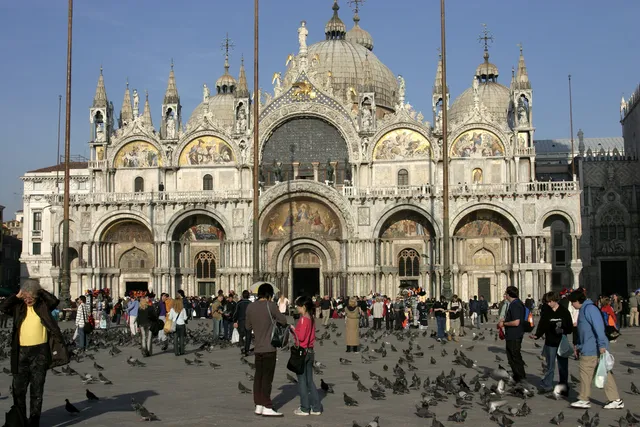
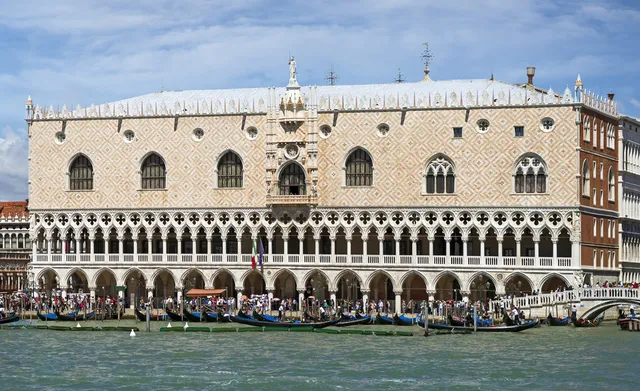
Consider visiting other historical sites nearby, such as the Rialto Bridge, St. Mark's Basilica, and the Doge's Palace.
Dining
Numerous cafes and restaurants are located near Ca' Pesaro, offering a variety of Venetian cuisine.
Accessibility
Ca' Pesaro is committed to ensuring accessibility for all visitors. The palace is equipped with ramps and elevators to accommodate wheelchair users. Accessible restrooms are also available.
Visuals and Media
 Alt - Exterior view of Ca' Pesaro on the Grand Canal
 Alt - Grand staircase inside Ca' Pesaro
FAQ
Q: What are the visiting hours for Ca' Pesaro? A: Ca' Pesaro is open Tuesday to Sunday from 10:00 AM to 6:00 PM and is closed on Mondays and major holidays.
Q: How much do tickets cost? A: General admission is €10.00, with reduced tickets available for €7.50. Children under 6 can enter for free.
Q: Are there guided tours available? A: Yes, guided tours are available in multiple languages and can be booked in advance.
Q: Is Ca' Pesaro accessible for visitors with disabilities? A: Yes, the palace is equipped with ramps, elevators, and accessible restrooms.
Tickets & tours.
These are guided options from our partners — same price as booking direct.
Prices are indicative — final pricing and availability are confirmed at checkout. Audiala may earn a commission from bookings made through these links.
Listen to the full story in the app
The whole Ca' Pesaro,
told well.
Audio guides for 1,100+ cities across 96 countries. History, stories, and local insight — offline ready.
Verified, and shown.
Researched and written by the Audiala editorial team from historical records, architectural archives, and local expertise.
Researched from Wikidata, Wikipedia & official sources · fact-checked · How we make our guides →