Introduction
Ca’ Loredan stands as one of Venice’s most evocative palaces, offering a tangible link to the city’s medieval and Renaissance history. Located on the Grand Canal in the San Marco district, this 13th-century palace is celebrated for its rare Romanesque architecture and its evolution as a focal point of Venetian civic and cultural life. Once the private residence of the powerful Loredan family, Ca’ Loredan today serves as Venice’s municipal council seat and is a symbol of the city’s governance, artistic legacy, and architectural resilience (artchive.com; trek.zone). This guide presents a thorough overview of Ca’ Loredan’s history, architecture, visitor information, and practical tips to enrich your Venetian experience.
Photo Gallery
Explore Ca' Loredan in Pictures
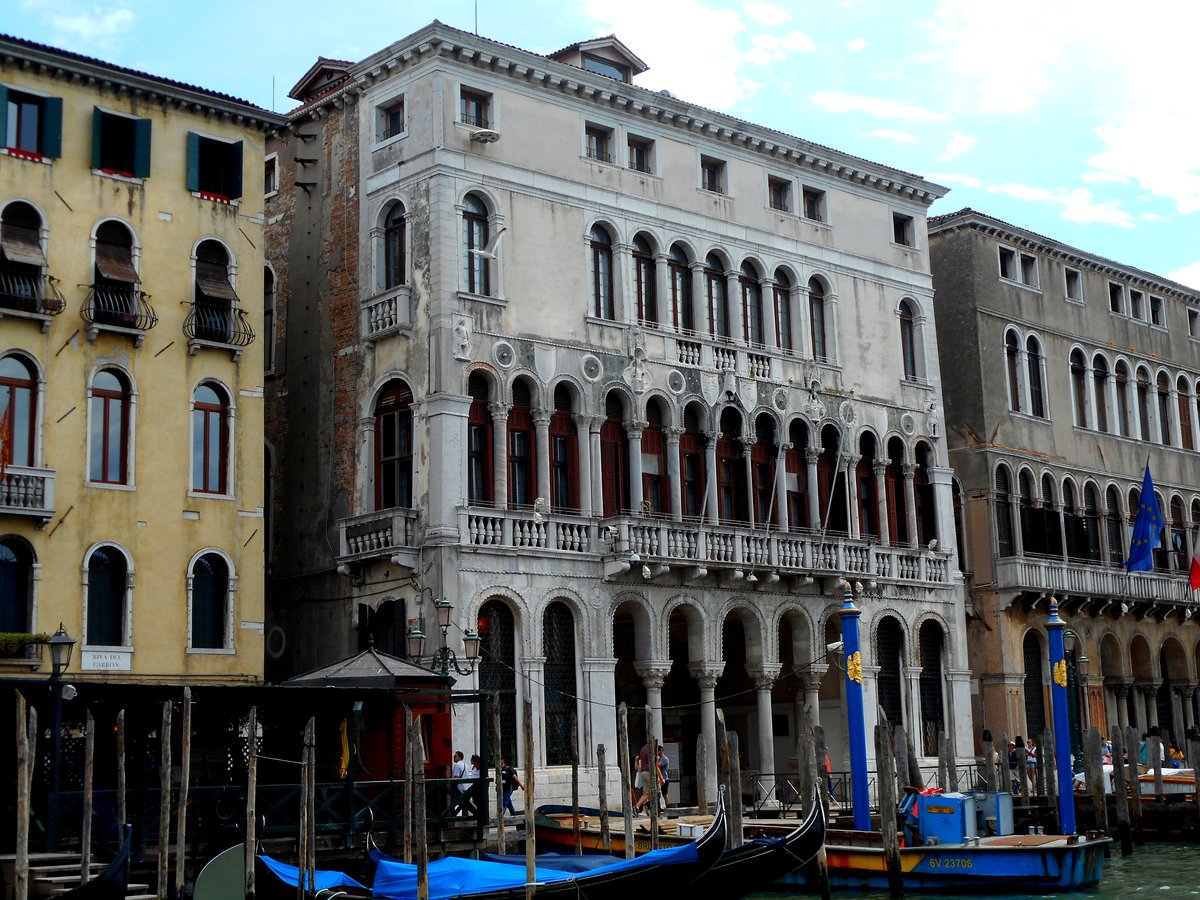
Loredan Palace featuring 12th-13th century Byzantine architectural style on the ground and first floors, with 16th century Renaissance balconies and upper levels, situated on Canal Grande in Venice.
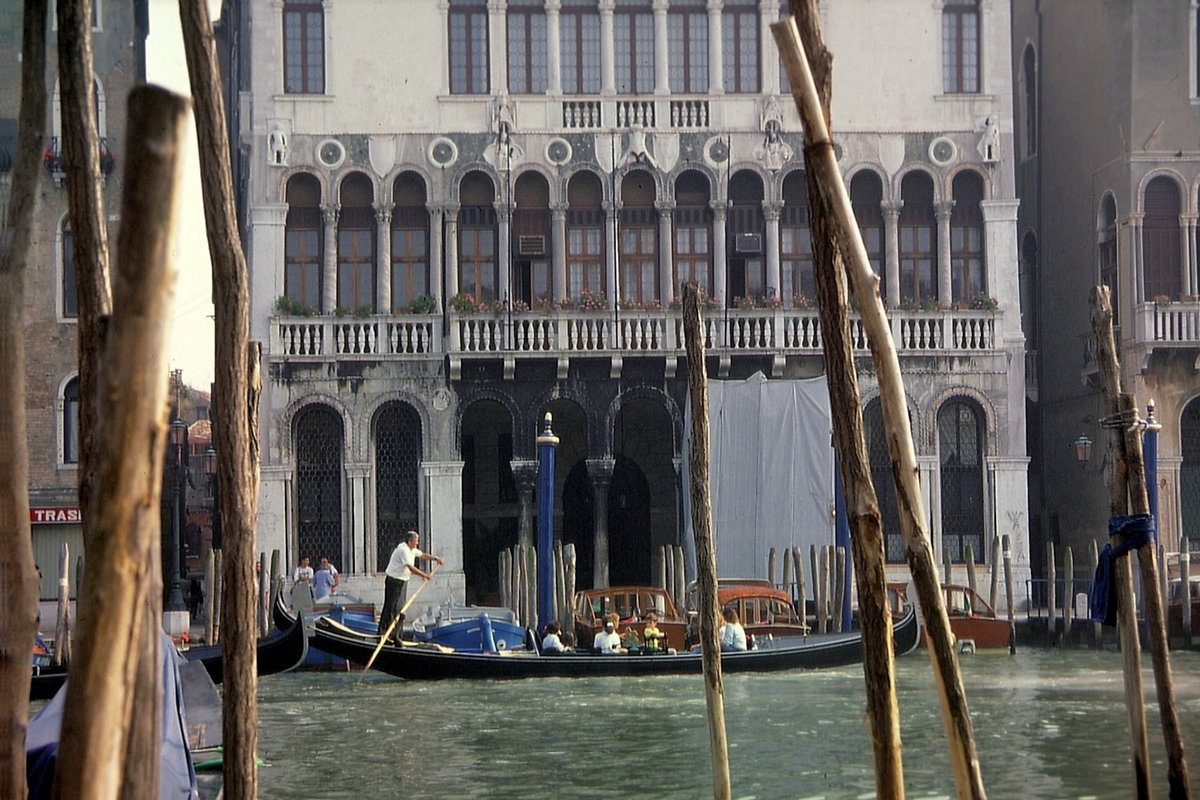
View of Ca' Loredan, a historic Venetian palace featuring classic Venetian Gothic architecture along the Grand Canal in Venice, Italy.
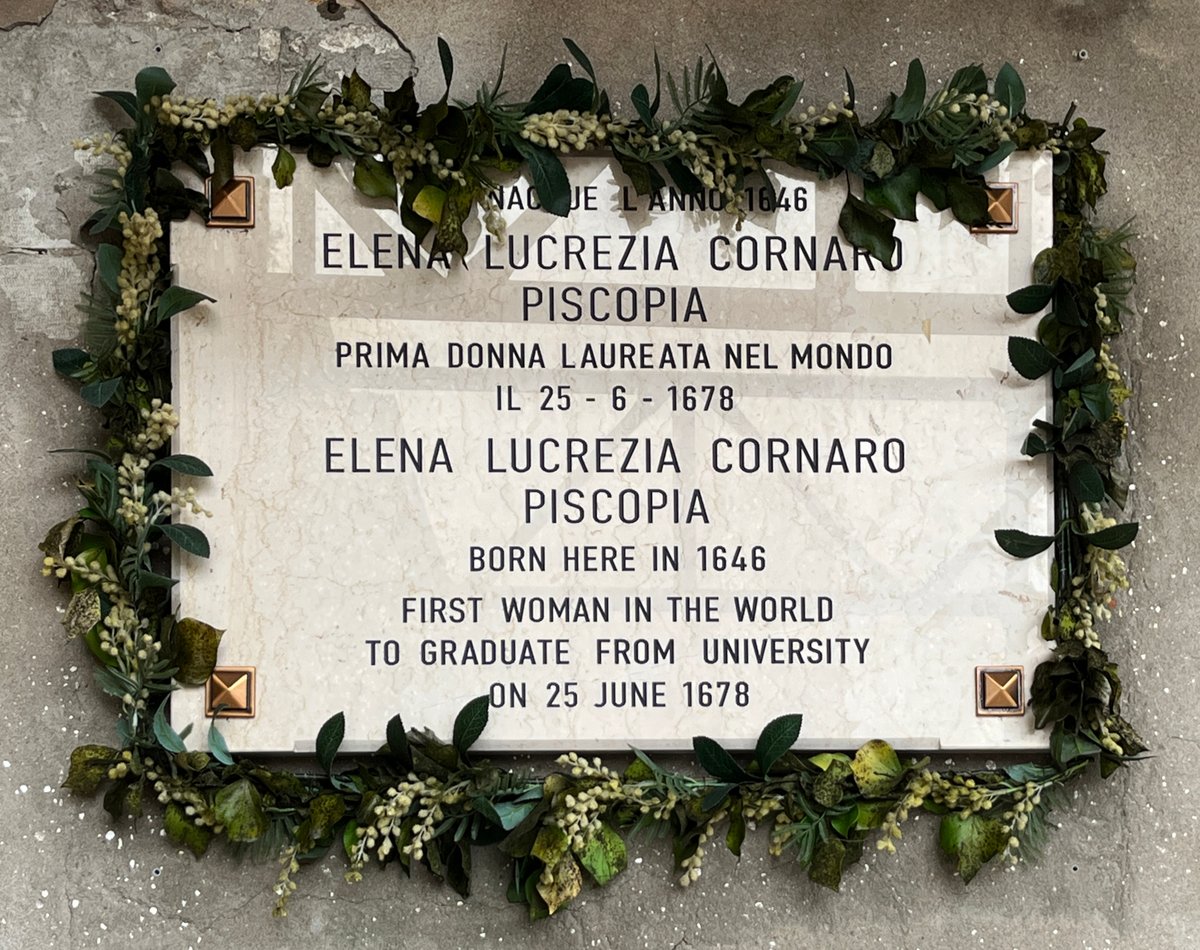
Photograph of the plaque dedicated to Elena Cornaro Piscopia in Venice, taken in December 2022
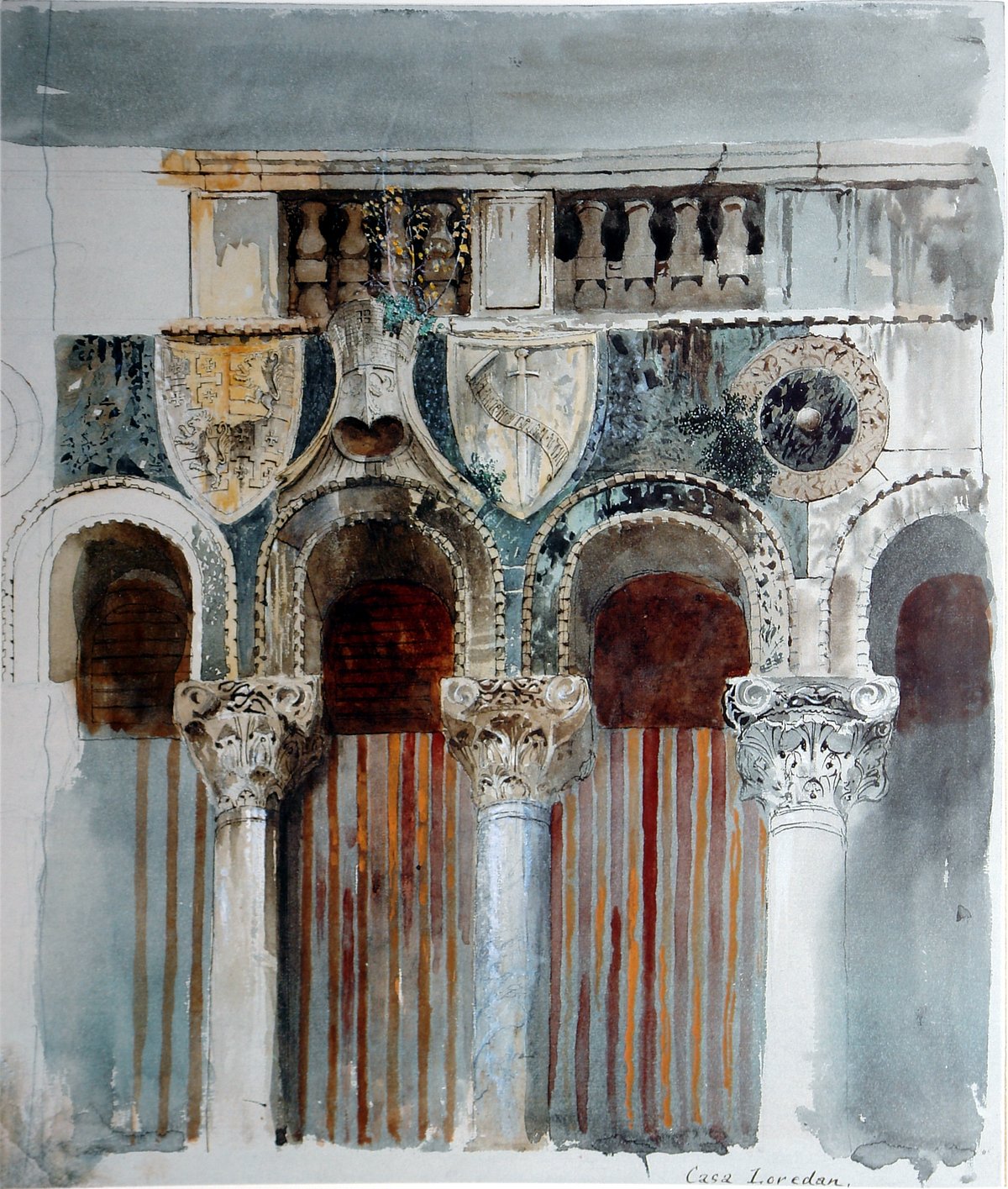
Pencil, watercolour, and bodycolour study of the marble inlay on the front facade of Casa Loredan, Venice, measuring 32 x 26.7 cm.
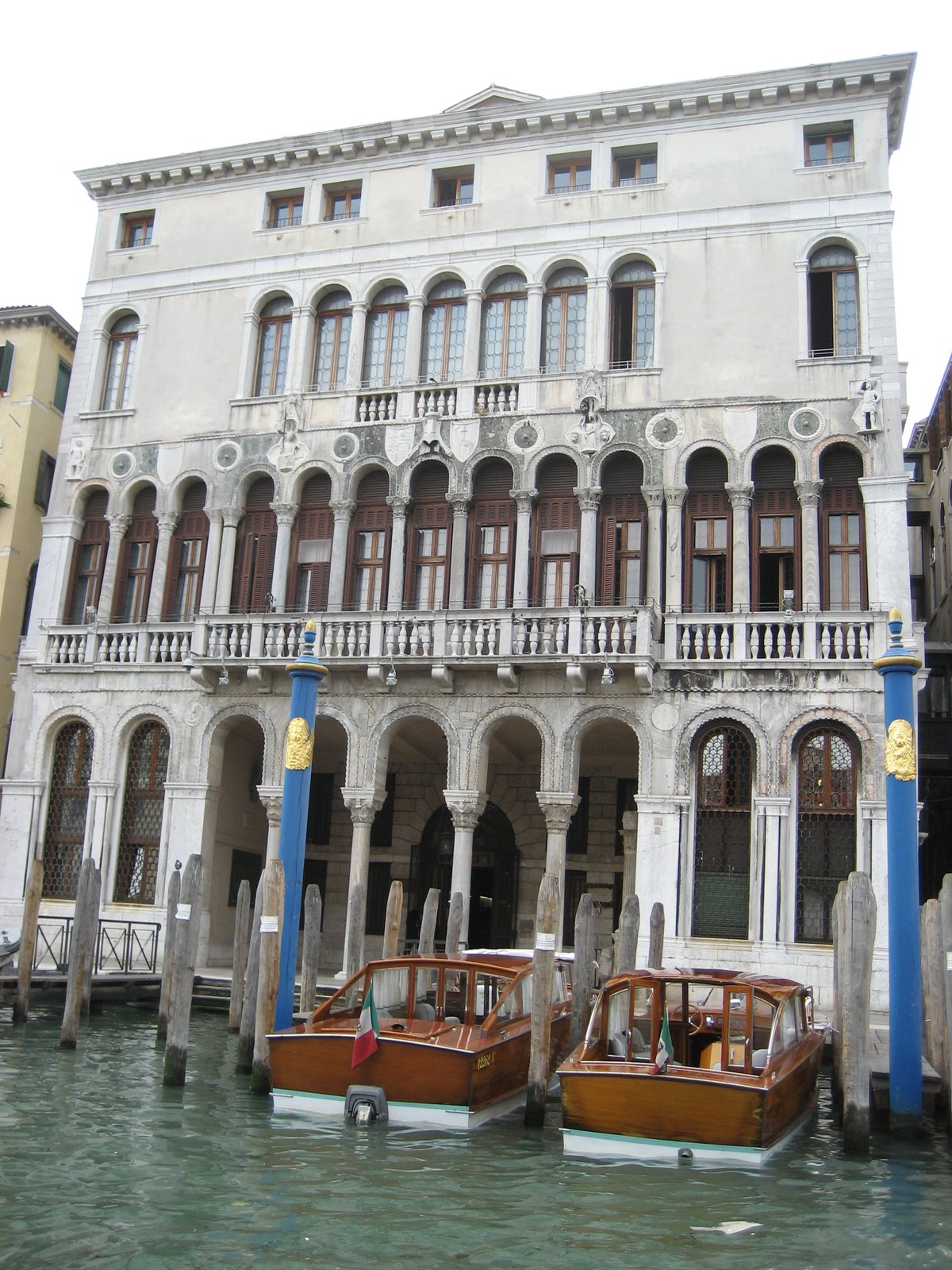
Scenic view of Venice, Italy featuring the canal with gondolas and the historic Ca' Loredan building along the waterfront
Origins and Early Development
Constructed around 1250, Ca’ Loredan is a rare Venetian example of Romanesque architecture, characterized by rounded arches, robust stone walls, and symmetrical facades. Originally commissioned by the Loredan family—a leading noble lineage involved in Venice’s political, economic, and artistic affairs—the palace’s prime location near the Rialto Bridge positioned it at the heart of commercial and administrative Venice (artchive.com; trek.zone).
Architectural Evolution
Over centuries, Ca’ Loredan underwent Gothic and Renaissance modifications, integrating pointed arches and decorative flourishes while retaining its Romanesque core. The palace’s robust ground floor opens directly onto the Grand Canal, facilitating both private and commercial access by boat—a hallmark of Venetian palatial design. The upper floors are distinguished by grouped arched windows and subtle decorative motifs, reflecting both Western and Eastern artistic influences (artchive.com).
The Loredan Family and Cultural Legacy
The Loredans were instrumental in Venetian history, producing doges, admirals, and diplomats, and serving as patrons of the arts. Notably, Andrea di Nicolò Loredan enriched the palace’s interiors with Renaissance artworks, including pieces by Titian, such as the “Flight into Egypt” (academia.edu). This tradition of patronage solidified Ca’ Loredan’s place in Venice’s artistic and civic narrative.
Ca’ Loredan’s Role in Civic Life
By the 19th century, Ca’ Loredan transitioned from a noble residence to a public institution, now hosting Venice’s city council alongside the neighboring Ca’ Farsetti (trek.zone). The Council Hall is notable for its civic functions and houses important artworks reflecting Venice’s artistic tradition.
A notable historical highlight is the birthplace of Elena Lucrezia Cornaro Piscopia, the first woman in the world to earn a university degree (1678). A marble plaque commemorates her at Ca’ Loredan, underscoring the palace’s significance in women’s educational history.
Visiting Ca’ Loredan: Hours, Tickets, and Access
Visiting Hours
Ca’ Loredan is primarily an administrative building and is not open for regular public tours. Access is generally limited to special events, citywide celebrations (such as the Venice Carnival), or by appointment during official open days. Always check the Venice Municipality Official Website or local tourism boards for current opening dates and times.
Tickets and Admission
No standard tickets are required as there is no routine public access. Entry during special events or public openings is generally free, but guided tours may require advance booking or a small fee. For those interested in the building’s exterior and history, guided walking, boat, or gondola tours along the Grand Canal frequently feature Ca’ Loredan as a highlight (venezia.net).
Guided Tours and Accessibility
Specialized cultural tours occasionally include interior visits during public openings. While the palace’s historic architecture presents some accessibility limitations, the surrounding area is generally accessible. Contact the municipal office in advance for specific needs.
Photography and Viewing Tips
The palace’s façade is best viewed from the Grand Canal, especially by gondola or vaporetto. The area near the Rialto Bridge offers excellent photo opportunities of the building’s striking architecture.
Nearby Attractions
Ca’ Loredan’s central location in the San Marco district provides convenient access to:
- Rialto Bridge: Iconic Venetian bridge with vibrant market nearby.
- Piazza San Marco: Home to St. Mark’s Basilica and Doge’s Palace.
- Teatro La Fenice: Venice’s renowned opera house.
- T Fondaco dei Tedeschi: Historic shopping center with panoramic rooftop views (ca-loredan.all-hotels-venice.com).
Explore these sites on foot, by vaporetto, or by joining a guided tour for a comprehensive Venice experience (timeout.com; venicetraveltips.com).
Practical Visitor Information
Getting There
Ca’ Loredan is easily reached by vaporetto with nearby stops at Rialto and San Marco. From Venice Marco Polo Airport, take the Alilaguna water bus or a private water taxi. Venice Santa Lucia train station is also well connected.
Accessibility
While exterior viewing is accessible, the palace’s interior may present challenges due to its historic features. Contact ahead for assistance if needed.
Facilities
If staying at the Ca’ Loredan guesthouse, note that amenities include air conditioning, Wi-Fi, and modern conveniences. There is no on-site restaurant, but many options are available nearby (KAYAK).
Seasonal Tips
June brings mild weather but is peak tourist season. Book accommodations and tours in advance, wear comfortable shoes, and pack light for Venice’s unique streets and bridges (venicetraveltips.com).
Preservation and Modern Context
Ongoing conservation efforts safeguard Ca’ Loredan’s structure and heritage amidst challenges like rising sea levels and tourism (trek.zone). Restoration projects focus on foundation stabilization and preservation of original features, ensuring the palace remains a central part of Venice’s living history.
Frequently Asked Questions (FAQ)
Q: What are Ca’ Loredan’s visiting hours?
A: There are no standard visiting hours. Check official sources for public openings or special events.
Q: Are tickets required?
A: No tickets are needed for exterior viewing. Entry during special events is typically free; some guided tours may require a fee.
Q: Can I tour the interior?
A: Interior access is limited to special occasions or by appointment during public openings.
Q: Is Ca’ Loredan accessible for those with mobility challenges?
A: Exterior viewing is accessible, but interiors may have limited accessibility.
Q: What are the best nearby attractions?
A: Rialto Bridge, Piazza San Marco, Doge’s Palace, Teatro La Fenice, and T Fondaco dei Tedeschi.
Summary: Why Visit Ca’ Loredan?
Ca’ Loredan encapsulates Venice’s evolution from medieval mercantile city to modern municipality. Its Romanesque façade, enriched by centuries of artistic patronage and civic use, tells the story of Venice’s adaptability and grandeur. Even if you cannot tour the interior, admiring Ca’ Loredan from the Grand Canal or nearby walkways is a quintessential Venetian experience. For deeper exploration, join a guided tour, consult the Venice Municipality Official Website, or use the Audiala app for up-to-date cultural information.
Listen to the full story in the app
Your Personal Curator, in Your Pocket.
Audio guides for 1,100+ cities across 96 countries. History, stories, and local insight — offline ready.
Audiala App
Available on iOS & Android
Join 50k+ Curators
Sources
- verified
-
verified
Trek Zone
Ca’ Loredan Venice
- verified
- verified
- verified
Last reviewed: