
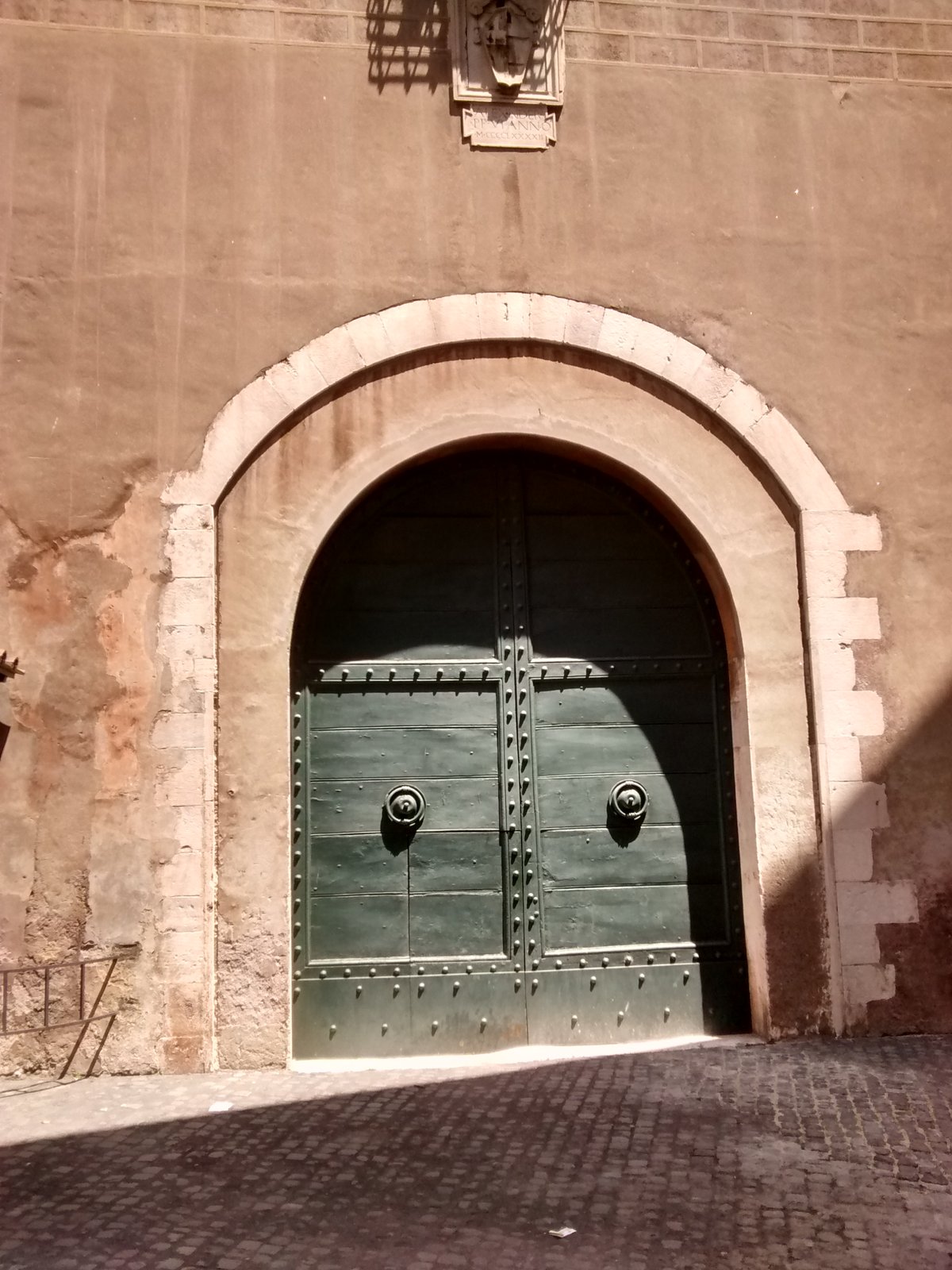
Origins and Early History
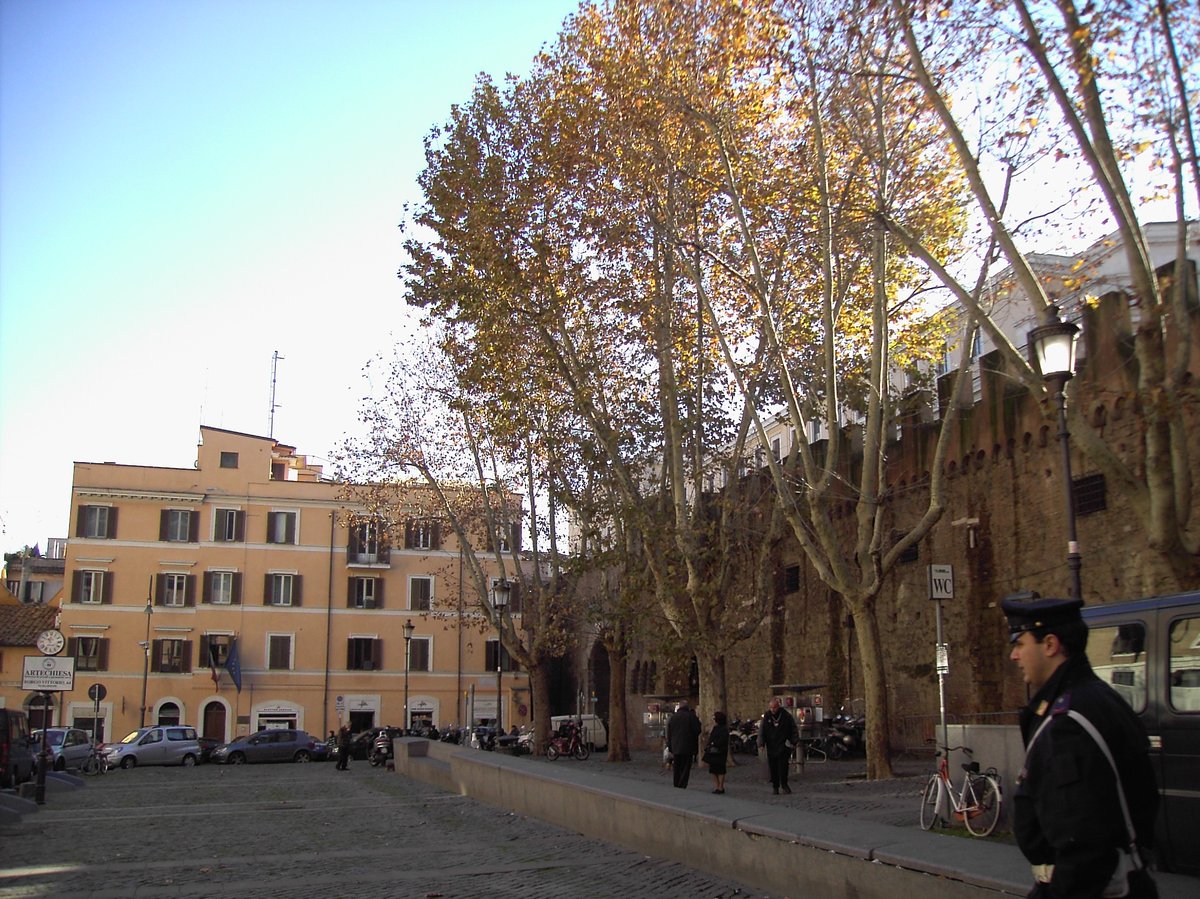
Commissioned during the 9th century by Pope Leo IV, Porta San Pellegrino was integral to the Vatican’s defenses against Saracen raids. Originally one of three main entrances in the Leonine Walls, the gate was known by several names—“Porta Aurea,” “Porta Cassia,” “Porta Sancti Petri,” and “Porta Viridaria”—each reflecting its shifting role and proximity to the Vatican Gardens and the nearby Church of San Pellegrino.
Strategic and Religious Significance
Historically, Porta San Pellegrino marked the northern entrance to the Vatican along the ancient Via Trionfale. This route was vital for pilgrims and dignitaries entering the city, and the gate's location near the Apostolic Palace and Vatican Gardens reinforced its ceremonial significance. It symbolized the transition from the secular world to the sacred heart of Catholicism.
Architectural Features and Renaissance Influence
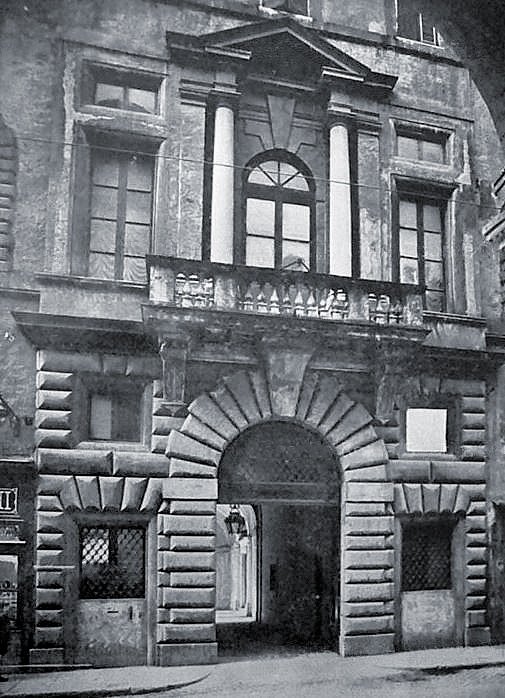
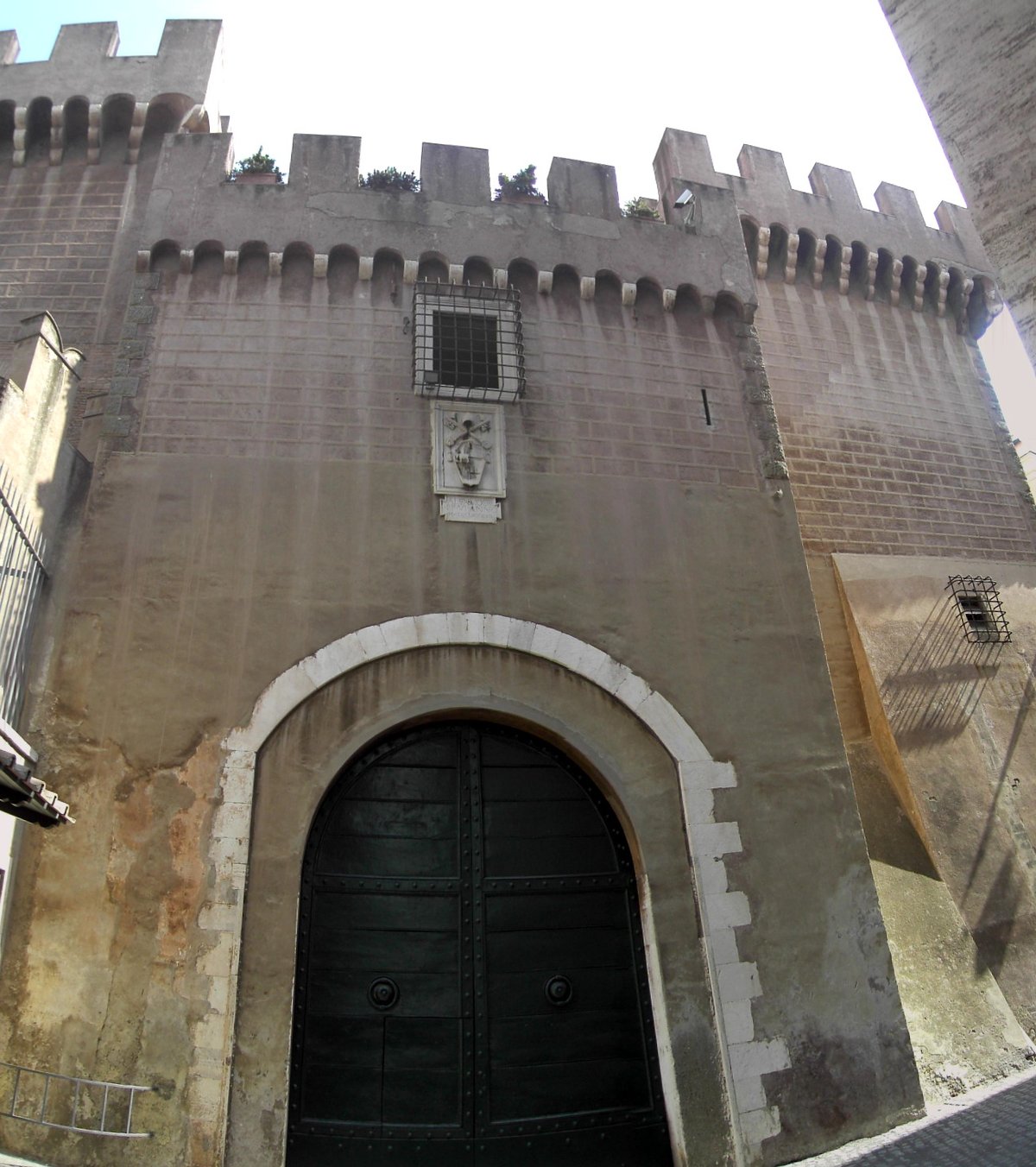
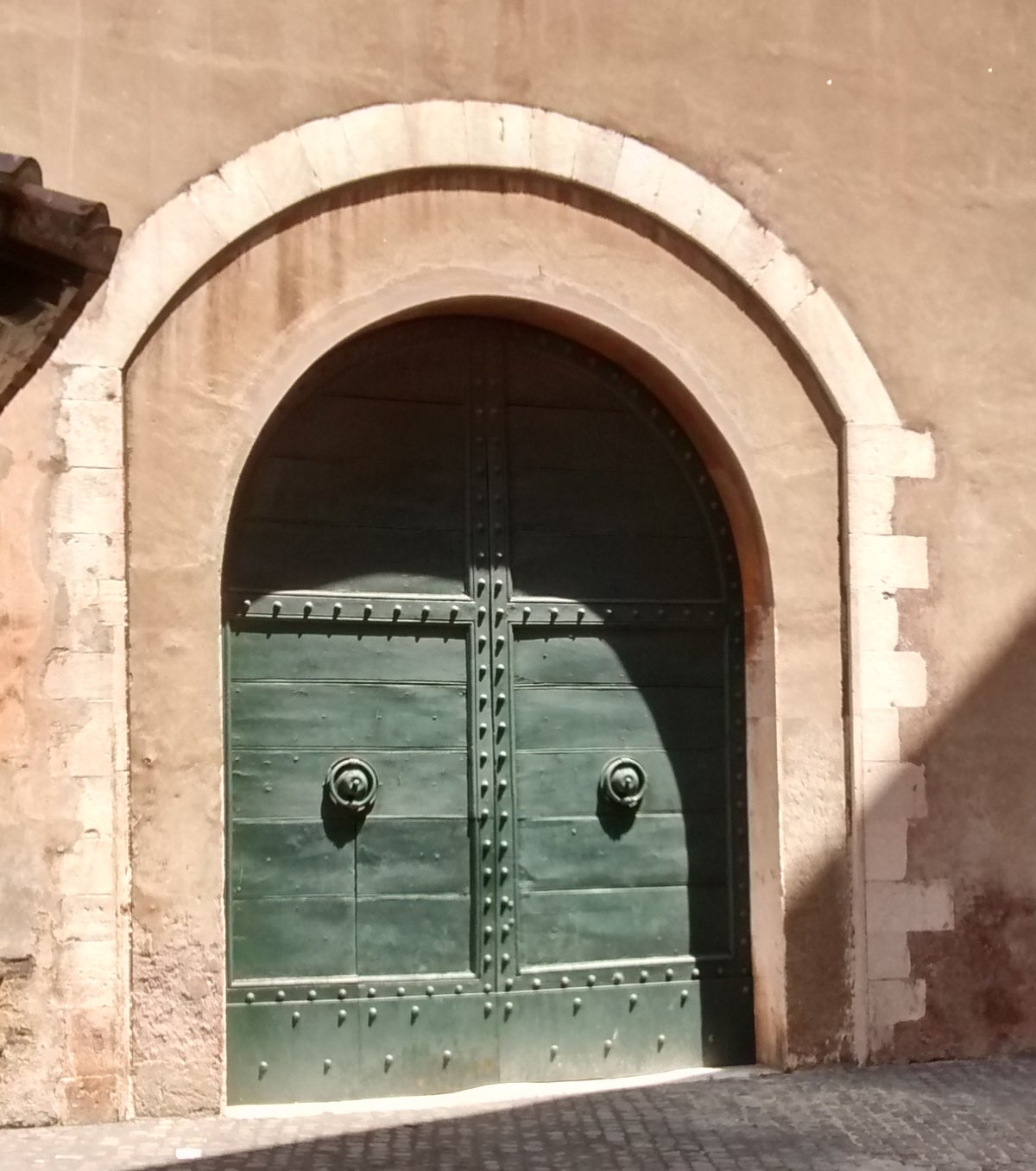
Porta San Pellegrino’s robust ashlar masonry, semicircular stone arch, and Renaissance detailing exemplify the Vatican’s enduring craftsmanship. The gate features defensive elements such as crenellated towers—added during Pope Alexander VI’s 1492 reconstruction—and machicolated parapets for protection. Above the interior arch, the Borgia family coat of arms and commemorative Latin inscriptions celebrate the work of Popes Leo IV and Alexander VI.
Evolution Through the Centuries
After its initial construction, the gate underwent several modifications. In the 15th century, Pope Nicholas V expanded the surrounding walls, and Pope Alexander VI’s late-15th-century restoration added towers and heraldic emblems. The gate was permanently closed to public passage in 1563 after further urban development, though it remained a ceremonial and symbolic structure.
Visiting Porta San Pellegrino: Hours, Tickets, and Accessibility
Visiting Hours
- General Public Access The gate itself is not open for entry but can be admired from the outside at any time when Vatican City is accessible.
- Nearby Landmarks St. Peter’s Basilica is open from 7:00 a.m. to 7:00 p.m. (April–September) and 7:00 a.m. to 6:30 p.m. (October–March) (Basilica di San Pietro).
Tickets and Entry
- Porta San Pellegrino No ticket required to view the gate’s exterior.
- Nearby Sites Vatican Museums, Sistine Chapel, and guided tours require tickets, which are best purchased online or at official entrances.
Accessibility
- Gate Area Some cobblestone and uneven surfaces; the gate itself lacks dedicated accessibility features.
- Vatican Facilities Major sites like St. Peter’s Basilica and the Vatican Museums are wheelchair accessible. Contact visitor services for additional support.
Nearby Attractions and Photographic Spots
- St. Peter’s Basilica Renowned for its architecture and Michelangelo’s Pietà.
- Vatican Museums & Sistine Chapel House world-famous art collections.
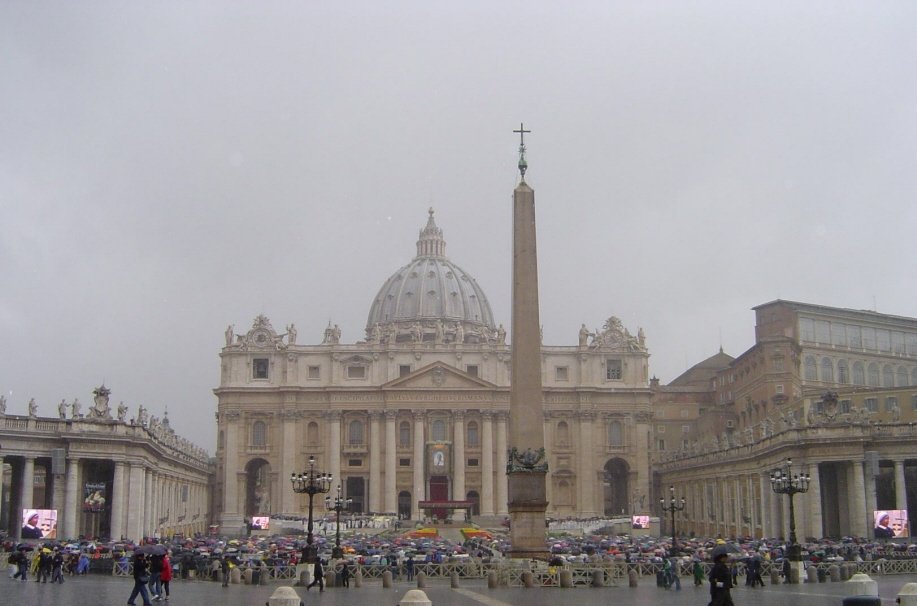
- Bernini’s Colonnade Offers dramatic perspectives and excellent photo opportunities.
- Church of San Pellegrino in Vaticano One of the Vatican’s oldest churches, closely linked to the gate.
- Passetto di Borgo Historic corridor connecting the Vatican to Castel Sant’Angelo.
Role in Vatican Ceremonies and Daily Life
Porta San Pellegrino remains integral to Vatican ceremonies, reserved for official processions and dignitaries. Its proximity to the Pontifical Swiss Guard and the Apostolic Palace underscores its continued role in the daily life and traditions of the Vatican.
Preservation and Contemporary Context
The Vatican carefully preserves Porta San Pellegrino as a monument reflecting its medieval and Renaissance legacy. Unlike the bustling main entrances, the gate provides a peaceful vantage point for those seeking a contemplative experience away from crowds.
Notable Inscriptions and Artistic Elements
The gate bears two significant inscriptions: one from Pope Leo IV commemorating the Leonine Walls, and another from Pope Alexander VI, alongside the Borgia coat of arms, marking the 1492 restoration. These relics highlight the Vatican’s dedication to historical memory and artistic excellence.
Porta San Pellegrino Among Vatican Walls and Gates
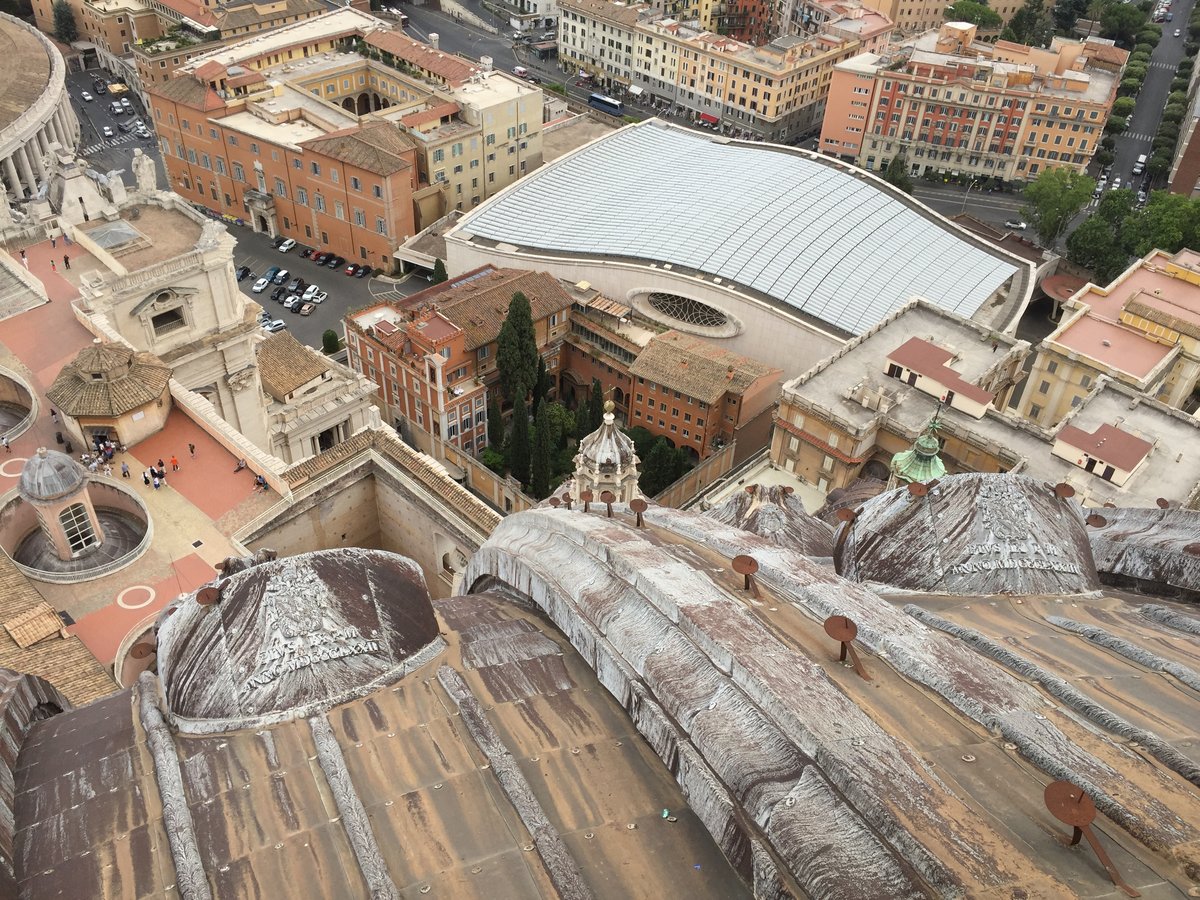
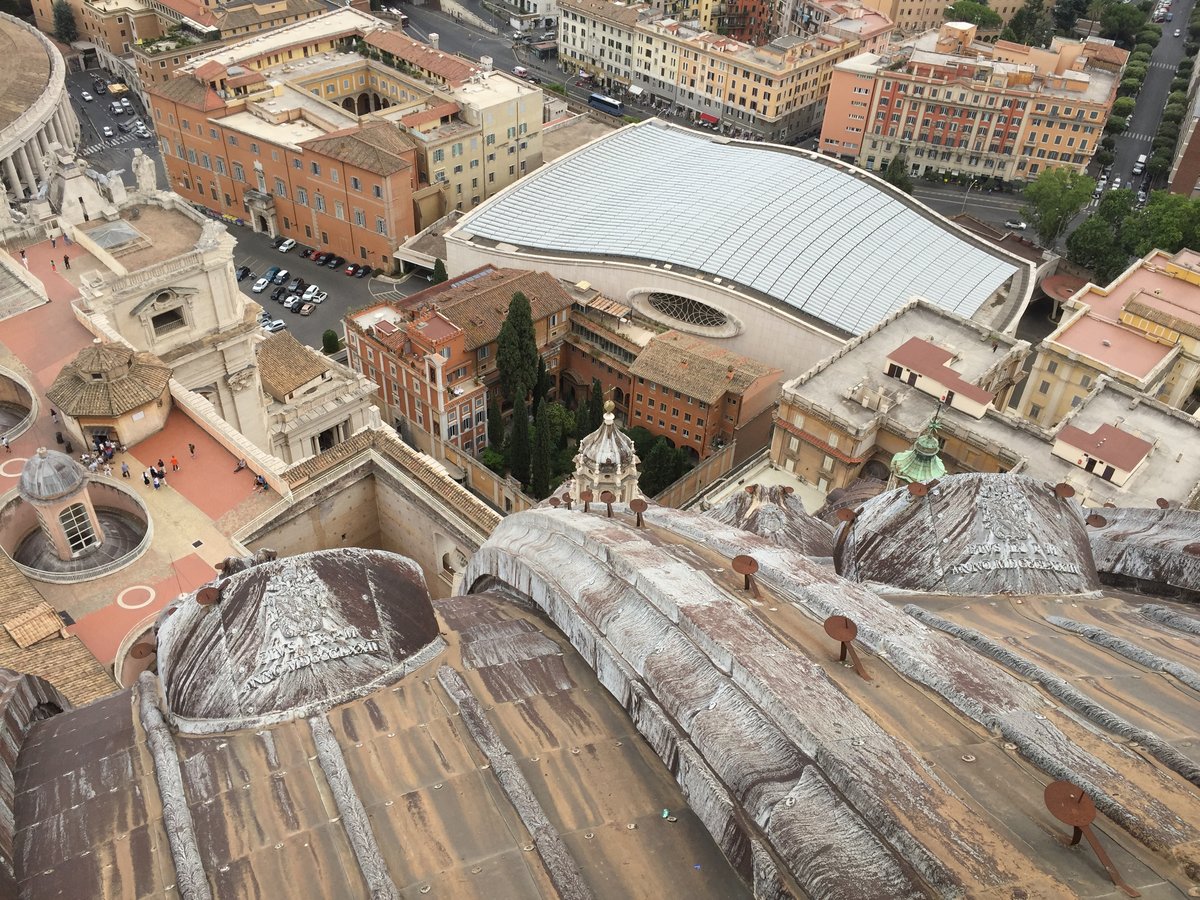
Porta San Pellegrino is distinguished among the Vatican’s many gates for its blend of defensive architecture, Renaissance artistry, and ceremonial function. Its location beneath the Apostolic Palace and adjacent to Bernini’s colonnade connects it to the Vatican’s broader transformation into a global religious center.
Visitor Information
Location and Access
- Address Via di Porta Angelica, Vatican City (north of St. Peter’s Basilica)
- Metro Ottaviano (Line A), 10-minute walk
- Bus Bus 49 and others stop near the Vatican Museums entrance (Walks of Italy)
Dress Code and Security
- Shoulders and knees must be covered; sleeveless tops, shorts, and miniskirts are not permitted.
- Security screenings with bag checks and metal detectors are standard.
Facilities
- Restrooms Available near St. Peter’s Square and Vatican Museums.
- Food/Drink Cafés and restaurants nearby.
- Accessibility Services Wheelchair access at major sites.
Modern Use and Welfare Facilities
In 2015, the Vatican opened a welfare facility adjacent to Porta San Pellegrino, offering showers, barber services, and hygiene kits for homeless pilgrims—reflecting the Vatican’s ongoing social outreach.
Interfaith and Global Significance
Porta San Pellegrino, while rooted in Catholic tradition, also represents the Vatican’s commitment to welcoming pilgrims and visitors from around the world, fostering dialogue and cultural exchange (Catholicism Website).
Pilgrimage, the Jubilee Tradition, and Porta San Pellegrino
During Jubilee Years (such as 2025), Porta San Pellegrino’s historical role as a pilgrim’s entrance gains renewed importance. Though not a Holy Door, its proximity to main pilgrimage routes and spiritual symbolism make it a meaningful stop (Supereva).
Guided Tours and Photographic Spots
Guided tours of Vatican historical sites often highlight Porta San Pellegrino’s architecture and spiritual significance. Early morning and late afternoon offer optimal lighting for photographs, with the gate’s stonework and inscriptions beautifully illuminated (Evendo).
Practical Tips for Visiting Porta San Pellegrino
- Arrive Early/Late Avoid crowds for a more peaceful experience.
- Monitor Events Check the Jubilee 2025 calendar and Vatican’s official site for event updates.
- Use Public Transport Metro Line A (Ottaviano) and local buses offer convenient access.
- Prepare for Security Allow extra time for screenings during peak periods.
- Follow Dress Code Essential for entry to Vatican sites.
- Stay Hydrated Especially in summer.
- Download Apps The Jubilaeum 25 APP provides live updates, maps, and event info.
FAQ: Porta San Pellegrino
Q: Do I need a ticket to visit Porta San Pellegrino?
A: No ticket is required to view the gate’s exterior.
Q: What are the visiting hours?
A: The gate can be viewed during Vatican City’s general opening hours.
Q: Is Porta San Pellegrino wheelchair accessible?
A: The area has uneven surfaces, but major Vatican sites nearby are accessible.
Q: Are guided tours available?
A: Yes, many Vatican tours include the gate as a stop; booking in advance is recommended.
Q: What is the dress code?
A: Shoulders and knees must be covered; sleeveless tops, shorts, and miniskirts are not allowed.