

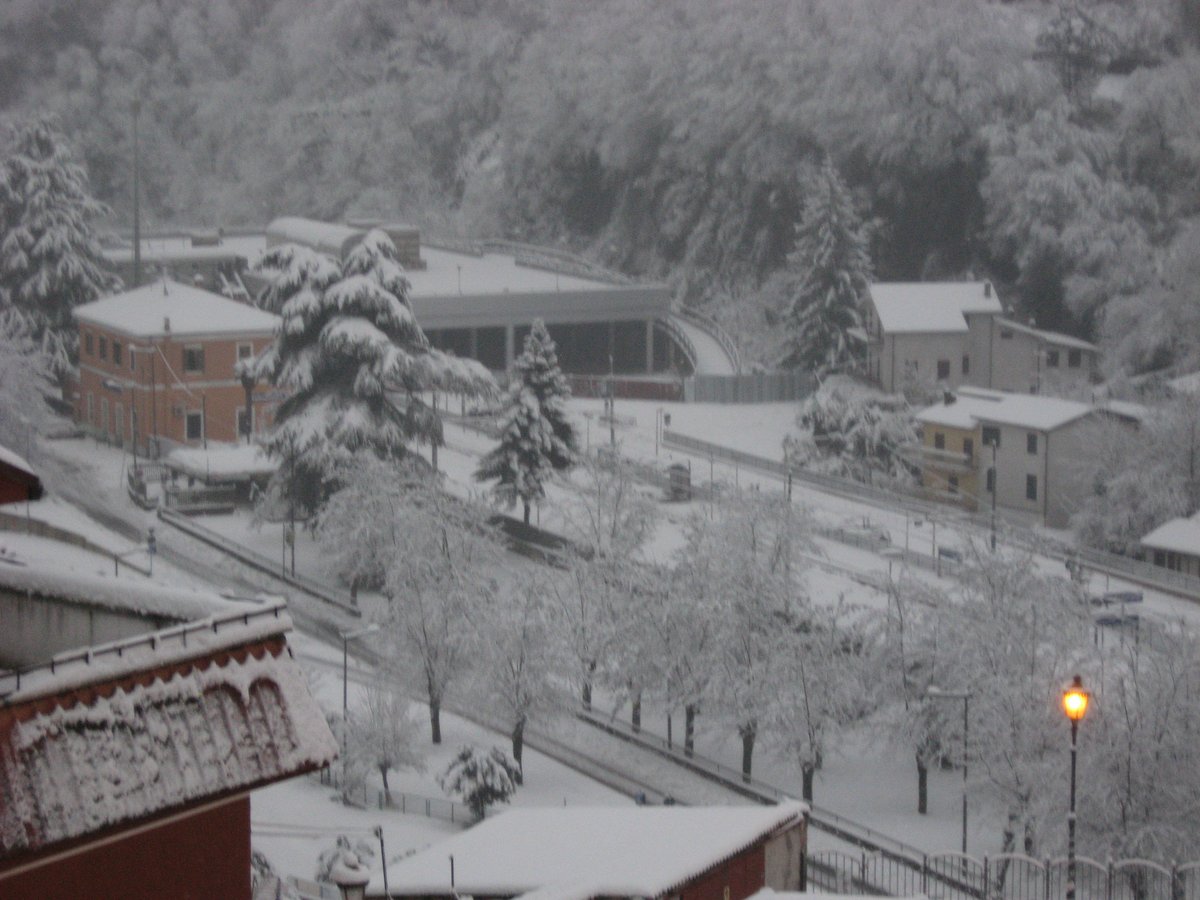

A Bold Start: Discover the Allure of Valmontone
Welcome to Valmontone, a hidden gem nestled just 40 kilometers southeast of Rome, where history and modernity dance together in perfect harmony. Imagine stepping onto ancient paths once tread by Roman soldiers, and moments later, finding yourself amidst the bustling Valmontone Outlet, one of Italy’s largest fashion hubs. This town's rich tapestry weaves together ancient ruins, medieval fortresses, Renaissance palaces, and vibrant modern attractions, making it a captivating destination for every kind of traveler.
Valmontone’s story begins long before the grandeur of Rome took center stage. It is believed that the ancient ruins here may be remnants of Labicum, a settlement founded by Glaucus, the son of Minos. Transforming from a Roman castrum to a medieval fortified citadel, Valmontone has seen the rise and fall of powerful families like the Conti, the Sforza, the Barberini, and the Pamphili, each leaving an indelible mark on its landscape (Wikipedia).
The town's resilience is most evident in its recovery from World War II, where it was heavily bombed, resulting in the destruction of 80% of its ancient buildings. Yet, Valmontone rose from the ashes, blending its historical charm with modern-day vibrancy (Wikipedia). Today, visitors can marvel at the Palazzo Doria Pamphilj, now housing an Archaeology Museum, or enjoy a day of fun at the Rainbow MagicLand theme park (Summer in Italy; Travopo).
Whether you are a history enthusiast, a shopping aficionado, or an adventure seeker, Valmontone promises a journey through time and tradition that you won't soon forget.
History of Valmontone
Ancient and Pre-Roman Roots
Valmontone is a town with a history as rich as a perfectly brewed espresso. Imagine stepping onto a hilltop where ancient villagers once tread, long before the grandeur of Rome took center stage. Some historians speculate that these ruins, visible up until the 18th century, may be the remnants of the ancient Labicum, purportedly founded by Glaucus, the son of Minos. Labicum eventually fell to Rome and transformed into a Roman castrum, a fortified castle. Picture wandering through the ancient post-station Ad Bivium on the Via Latina, or stumbling upon a village of coal-makers, and even furnaces for tiles and vases. Such remnants whisper tales of a bygone era (Wikipedia).
Medieval Period
Fast forward to the Middle Ages, when Valmontone's story takes on new chapters filled with intrigue and power plays. Founded in 1052, the fortified citadel of 'Castrum Lateranensis' became Church property. The surrounding landscape was a predominantly rural scene, yet several Benedictine orders had already established the convent of Pope Zosimo back in the 8th century (Terre d'Amare). During this period, Valmontone became a prized possession passed among Rome's influential families, including the Conti, the Sforza, the Barberini, and finally the Pamphili, who left their mark by building a grand palace and enriching the town with new structures (Summer in Italy).
Renaissance and Baroque Periods
The Pamphili family played a significant role in shaping Valmontone during the Renaissance and Baroque periods. They constructed the Palazzo Doria Pamphilj, which now houses the Archaeology Museum. Imagine strolling through its salons adorned with intricate frescoes, a testament to the town's rich cultural heritage (Summer in Italy). This era brought architectural splendor and cultural vibrancy, making Valmontone a significant landmark in the region.
19th Century Developments
In 1843, Valmontone received a nod of recognition from Pope Gregory XVI, who elevated it to the rank of 'city' (Wikipedia). This new status marked a fresh chapter in Valmontone's narrative, further cementing its importance in the region.
World War II and Reconstruction
Valmontone's strategic location turned it into a focal point during World War II. On January 22, 1944, the Allies launched Operation Shingle, an amphibious landing at Anzio aimed at outflanking German defenses. Valmontone was a crucial target en route to Rome, and the Allies believed it was garrisoned by German forces. Consequently, the town was heavily bombed, leading to the destruction of 80% of its ancient buildings, including fortified gates, the monastery on Colle Sant’Angelo, fountains, and churches (Wikipedia).
Post-war reconstruction efforts significantly altered Valmontone's medieval and baroque charm, leaving only a few historical sights intact. Yet, the town's resilient spirit has preserved its rich history, attracting visitors keen on exploring its storied past.
Modern-Day Valmontone
Today, Valmontone is a delightful blend of history, culture, and modern attractions. The renowned Valmontone Outlet, one of Italy’s largest fashion outlets, draws in fashion enthusiasts from far and wide (Italy of All). Meanwhile, the popular Rainbow MagicLand theme park offers thrills for families and adventure seekers alike (Travopo).
Key Historical Sites
Palazzo Doria Pamphilj
This historic palace is a must-visit. With its stunning architecture and a museum that showcases a collection of art and historical artifacts, the Palazzo Doria Pamphilj is a window into Valmontone's past. The frescoes in the salons are a particular highlight, offering a glimpse into the town's cultural richness (Summer in Italy).
Valmontone Castle
Dating back to the 12th century, the Valmontone Castle stands as a testament to the town's medieval history. This well-preserved fortress offers breathtaking views of the surrounding countryside and provides insights into Valmontone's storied past (Travopo).
Archaeological Museum of Valmontone
For history buffs, the Archaeological Museum of Valmontone is a treasure trove of artifacts that shed light on the town's ancient roots. Housed in the Palazzo Doria Pamphilj, the museum features a range of exhibits that highlight the region's archaeological significance (Terre d'Amare).
Visitor Tips
Best Time to Visit
Spring and fall are the ideal seasons to explore Valmontone, offering mild and pleasant weather. Summers can be hot and crowded, while winters are often chilly and rainy (Travopo).
Local Cuisine
Don't miss out on Valmontone's culinary delights. Traditional dishes like porchetta (roast pork), homemade pasta, and delicious desserts such as cannoli are culinary must-tries (Travopo).
Festivals and Events
Valmontone hosts various festivals and events throughout the year, celebrating local traditions and culture. Checking the local calendar can enhance your visit with unique cultural experiences (Travopo).
Discovering the Charm of Valmontone, Metropolitan City of Rome, Italy
Welcome to Valmontone: A Hidden Gem
Picture this: a quaint Italian town where history whispers through cobblestone streets and modern attractions hum with excitement. Welcome to Valmontone, a place that perfectly blends the old and the new, offering a treasure trove of experiences just waiting to be discovered. From ancient Roman roads to bustling shopping centers, Valmontone is a delightful mix of tradition and modernity.
Time Travel: Historical Significance
Do you hear the echoes of Roman soldiers marching along Via Casilina? This ancient road once connected Rome to the southern reaches of Italy, and Valmontone was a crucial pit stop for traders and travelers. Fast forward to the Middle Ages, and you'll find a fortified town with a castle that stood firm against invasions. The Renaissance period saw the rise of the magnificent Palazzo Doria Pamphilj, built by the influential Pamphilj family in the 17th century. This grand palace is more than just a building; it's a testament to Valmontone's rich historical narrative.
A Feast for the Senses: Cultural Significance
Valmontone is not just about history; it's a vibrant cultural hub. Imagine the aroma of traditional Italian food wafting through the air during the Feast of San Luigi Gonzaga, the town's patron saint. This festival is a sensory delight, with processions, music, and mouth-watering local delicacies. The Palazzo Doria Pamphilj isn't just a historical landmark; it's a treasure trove of artworks and frescoes that offer a glimpse into the artistic soul of the region.
Shop Till You Drop: Economic Significance
Modern Valmontone is a shopper's paradise. The Valmontone Outlet, one of Italy's largest shopping centers, attracts millions of visitors each year. It's not just about shopping; it's an economic powerhouse that provides jobs and boosts local businesses. Just a stone's throw away is the Rainbow MagicLand theme park, a wonderland of rides and attractions that draw families from all over, adding another feather to Valmontone's economic cap.
Learning and Growing: Educational Significance
Education is the heartbeat of Valmontone. The town is home to various educational institutions that offer a range of programs. Schools and universities frequently organize field trips to Valmontone, turning the town into a living classroom where students can immerse themselves in Italy's rich history and culture.
Nature's Bounty: Environmental Significance
Valmontone is nestled in a region renowned for its natural beauty. Imagine lush landscapes, rolling hills, and pristine forests – a paradise for nature lovers. The local government is committed to preserving these natural resources, implementing policies for sustainable development and environmental conservation. Parks and green spaces abound, offering recreational opportunities and serving as habitats for diverse plant and animal species.
Architectural Marvels: Architectural Significance
Stroll through Valmontone's historical center, and you'll be transported back in time. Narrow cobblestone streets, ancient buildings, and charming piazzas tell tales of the past. The Palazzo Doria Pamphilj is a masterpiece of Baroque architecture, while the modern parts of town boast sleek, contemporary designs. This blend of old and new creates a unique architectural landscape that's both visually stunning and functionally efficient.
Faith and Tradition: Religious Significance
Religion is the soul of Valmontone. The Church of Santa Maria Assunta, dating back to the 12th century, is a beacon of faith and history. Religious festivals like the Feast of San Luigi Gonzaga bring the community together, weaving a rich tapestry of tradition and celebration.
Community Spirit: Social Significance
Valmontone is a close-knit community where social ties run deep. Social clubs, community centers, and recreational facilities abound, fostering a sense of belonging. The town's commitment to inclusivity and diversity ensures that everyone feels welcome, making it a harmonious place to live and visit.
A Tourist's Delight: Tourism Significance
Tourism is the lifeblood of Valmontone. From historical landmarks to modern attractions like the Valmontone Outlet and Rainbow MagicLand, there's something for every traveler. The town's well-developed tourism infrastructure ensures a comfortable and enjoyable visit, while sustainable tourism initiatives preserve its natural and cultural heritage.
Visitor Tips for Valmontone, Metropolitan City of Rome, Italy
Discover the Magic of Valmontone
Ever dreamt of stepping into a fairy tale? Valmontone, nestled just 40 kilometers southeast of Rome, offers a charming blend of history, culture, and modern attractions that will make you feel like you're living in a storybook. From its medieval center to thrilling amusement parks, there's something for everyone in this delightful Italian town.
Getting There and Around
Valmontone is easily accessible and well-connected by various modes of transportation:
-
By Train Hop on a train at Rome Termini station and you'll arrive in Valmontone in about 40 minutes. The local trains are part of the Rome-Cassino-Naples line, ensuring a smooth and scenic journey. For schedules and tickets, visit the Trenitalia website.
-
By Car Prefer driving? Take the A1 Autostrada del Sole and exit at Valmontone. Car rentals are available at Rome’s airports and major train stations. For navigation, use GPS coordinates 41.783333, 12.916667.
-
By Bus Several bus services operate between Rome and Valmontone. Check the Cotral website for routes and schedules.
Best Time to Visit
Valmontone enjoys a Mediterranean climate, making it a year-round destination. However, the best times to visit are during the spring (April to June) and autumn (September to October) when the weather is mild and pleasant. Summer months can be hot, with temperatures often exceeding 30°C (86°F), while winter is cooler but rarely freezing.
Accommodation
- Fashion Hotel Located near the Valmontone Outlet and Rainbow MagicLand, this hotel offers modern amenities and easy access to major attractions. More info.
- B&B Luna For a more intimate experience, this cozy B&B provides personalized service. More info.
- Vacation Rentals For longer stays or larger groups, vacation rentals such as those listed on Airbnb offer the convenience of home-like amenities.
Attractions and Activities
- Valmontone Outlet Shop till you drop at one of Italy’s largest outlet malls, featuring over 180 stores. After shopping, enjoy a meal at one of the many restaurants serving local and international cuisines. More details.
- Rainbow MagicLand This amusement park is perfect for families and thrill-seekers, with rides, shows, and attractions inspired by fairy tales and fantasy worlds. Tickets and information.
- Historic Center Wander through Valmontone’s picturesque historic center, where you can admire medieval architecture and charming streets. Key sites include the Valmontone Castle and the Church of Santa Maria dell’Assunta.
- Santuario Madonna del Buon Consiglio A place of pilgrimage and spiritual reflection, this sanctuary features beautiful frescoes and a serene atmosphere. Learn more.
Dining and Cuisine
- Local Specialties Don't miss local dishes like porchetta (roasted pork) and Roman-style artichokes. Pair your meal with a glass of regional wine for an authentic taste of Lazio.
- Ristorante Il Bersagliere Known for its delicious pasta dishes and warm hospitality. More info.
- Gelateria La Dolce Vita Enjoy a leisurely coffee or indulge in a scoop of gelato at this popular spot. More info.
Wellness and Relaxation
- Valmontone Terme Spa This luxurious wellness center offers a range of treatments, including massages, facials, and thermal baths. The natural thermal waters are known for their therapeutic properties. More information.
Day Trips
- Gardens of Ninfa Just a short drive away, these enchanting gardens feature a stunning array of flora, serene streams, and ancient ruins. Plan your visit.
- Palestrina Located 7 kilometers from Valmontone, Palestrina is home to the impressive Santuario della Fortuna Primigenia and the Museo Archeologico Nazionale di Palestrina. Learn more.
- Artena Just 4 kilometers away, Artena offers a glimpse into medieval life with its narrow streets and historic buildings. The town is also known for its archaeological museum.
Festivals and Events
- Religious Processions Experience the town’s spiritual side by attending one of its religious processions, which often feature elaborate costumes and traditional music.
- Historical Reenactments These events bring Valmontone’s rich history to life with performances and parades.
- Food Festivals Savor local flavors at one of the town’s food festivals, where you can sample regional specialties and enjoy live entertainment.
For a calendar of events, visit the Valmontone Municipality website.
Practical Tips
- Language While Italian is the official language, many locals speak basic English, especially in tourist areas. Learning a few Italian phrases can enhance your experience.
- Currency The currency used is the Euro (€). ATMs are widely available, and credit cards are accepted in most establishments.
- Safety Valmontone is generally safe for tourists. However, as with any destination, it’s advisable to stay aware of your surroundings and take standard precautions.
- Local Etiquette Italians value politeness and respect. Greet people with a friendly “Buongiorno” (Good morning) or “Buonasera” (Good evening). When dining, it’s customary to say “Buon appetito” before starting your meal.
By following these tips, you can ensure a memorable and enjoyable visit to Valmontone, a charming town that offers a perfect blend of history, culture, and modern attractions.
Join the Fun: Explore Valmontone with Audiala
As you wander through Valmontone, you’ll find that each corner of this charming town tells a story, from its ancient roots to its modern-day allure. The architectural marvels like the Palazzo Doria Pamphilj, the remnants of Valmontone Castle, and the treasures within the Archaeological Museum provide a vivid glimpse into the past, while the Valmontone Outlet and Rainbow MagicLand offer contemporary thrills and indulgences (Terre d'Amare; Summer in Italy; Travopo).
This delightful blend of history, culture, and modernity encapsulates the essence of Valmontone. From savoring local culinary delights like porchetta and homemade pasta to participating in vibrant festivals and events, every moment spent here is a feast for the senses (Travopo). Practical details like the best times to visit, transportation options, and accommodation choices ensure a smooth and enjoyable journey.
Embark on your Valmontone adventure today, and let the Audiala app be your ultimate travel companion. With beautifully crafted audio guides, Audiala helps you unlock Valmontone's secrets and stories, making your exploration even more enriching. Download Audiala before your visit to experience Valmontone in all its splendor, from its historical landmarks to its hidden gems.