Introduction
The University of Turin (Università degli Studi di Torino, UniTo) stands as one of Europe’s oldest and most venerated academic institutions, founded in 1404 by Prince Ludovico di Savoia. Located in the heart of Turin, Italy, UniTo is not only a symbol of scholarly prestige but also a vibrant cultural and historical hub. Visitors can explore a diverse urban campus composed of more than 120 buildings, ranging from baroque palazzos to modern research centers, lush botanical gardens, and renowned museums such as the Luigi Rolando Human Anatomy Museum and the Museum of Criminal Anthropology (Times Higher Education, EduRank).
This guide presents comprehensive visitor information, including opening hours, ticketing options, accessibility, guided tours, and highlights of must-see sites. It also offers practical travel advice, nearby attractions like the Castello del Valentino and the Mole Antonelliana, and answers to frequently asked questions, ensuring a seamless and enriching experience for all visitors (Turin Tourism Portal).
Photo Gallery
Explore University of Turin in Pictures
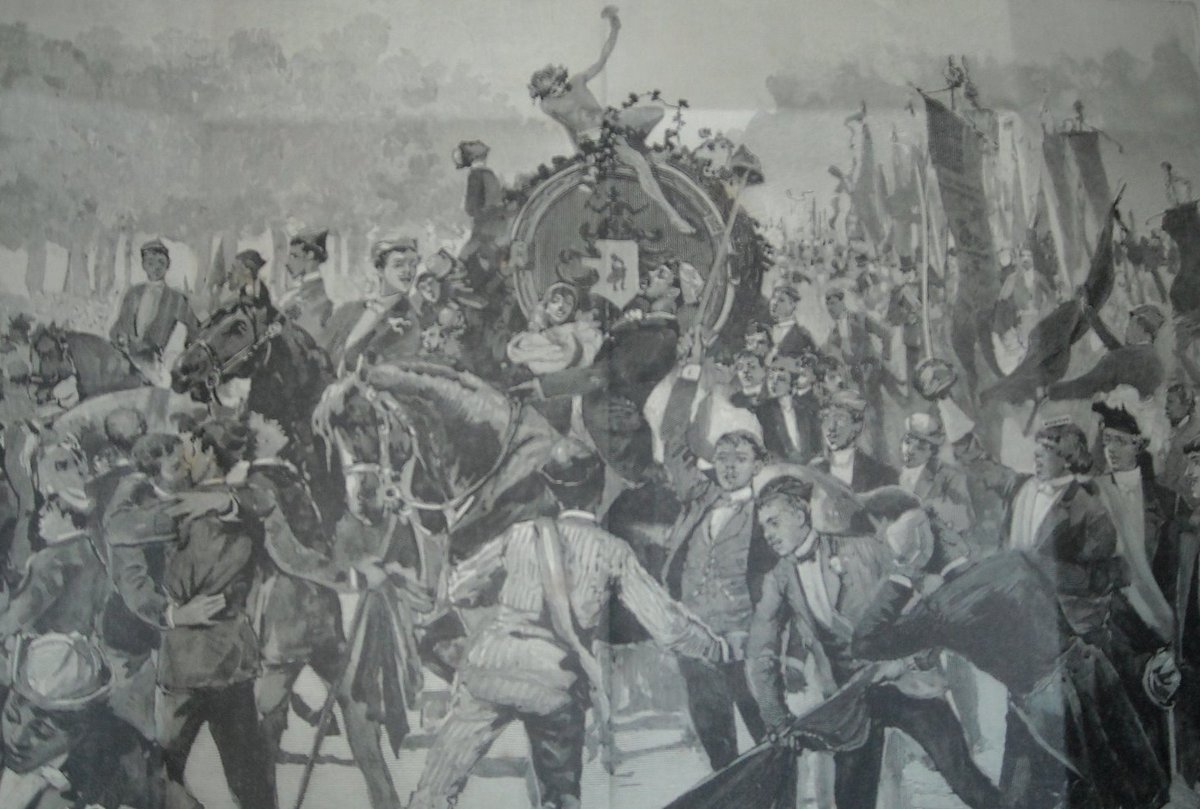
Historic image showing the arrival of the barrel sent by students from Turin to their counterparts in Bologna during the 8th centenary celebrations of the University of Bologna in 1888, capturing a significant moment of student camaraderie and tradition.
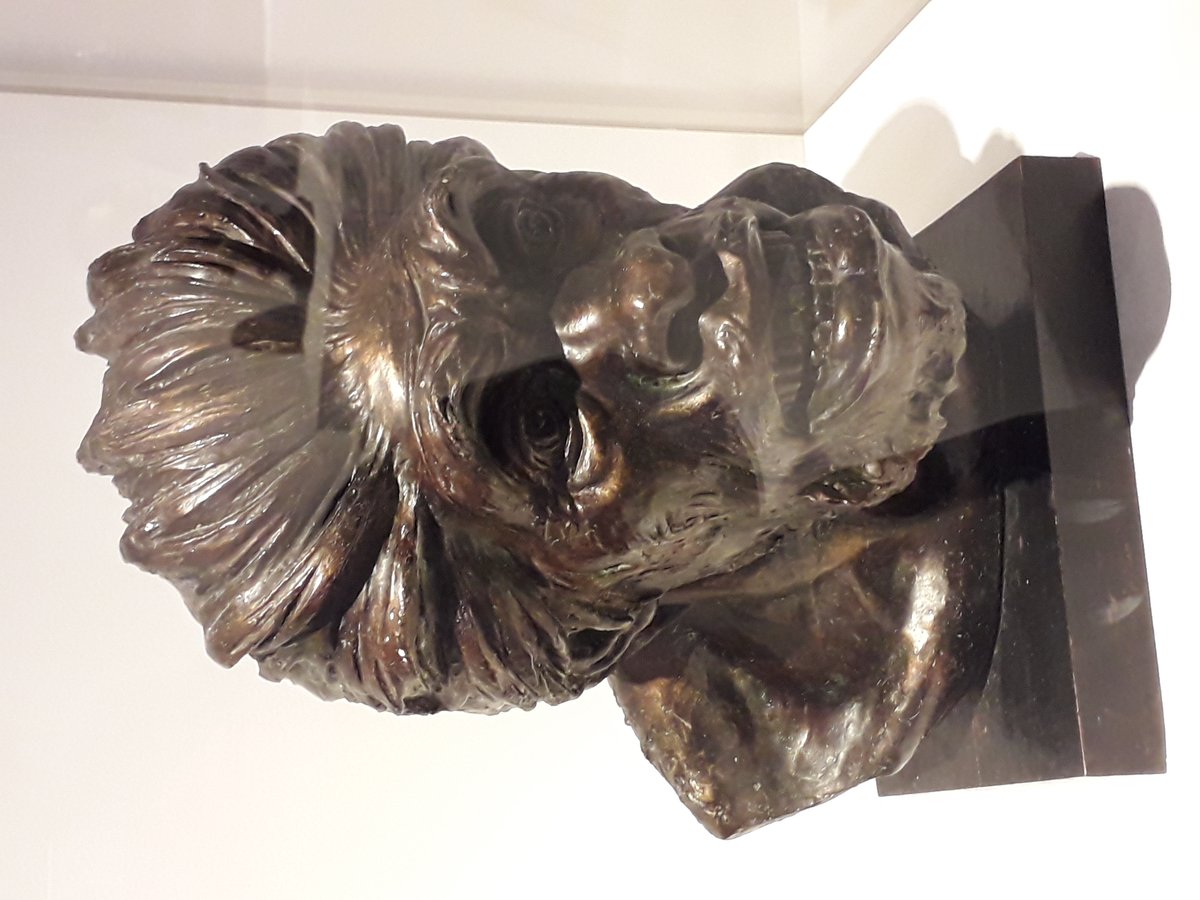
Bronze bust representing the reconstructed face of the Neanderthal man by Norberto Montecucco around 1908, commissioned by Cesare Lombroso. Part of the Cesare Lombroso criminal anthropology museum collection, University of Turin. Photographed at the 'Neanderthal, l'expo' exhibition at the Musée de l
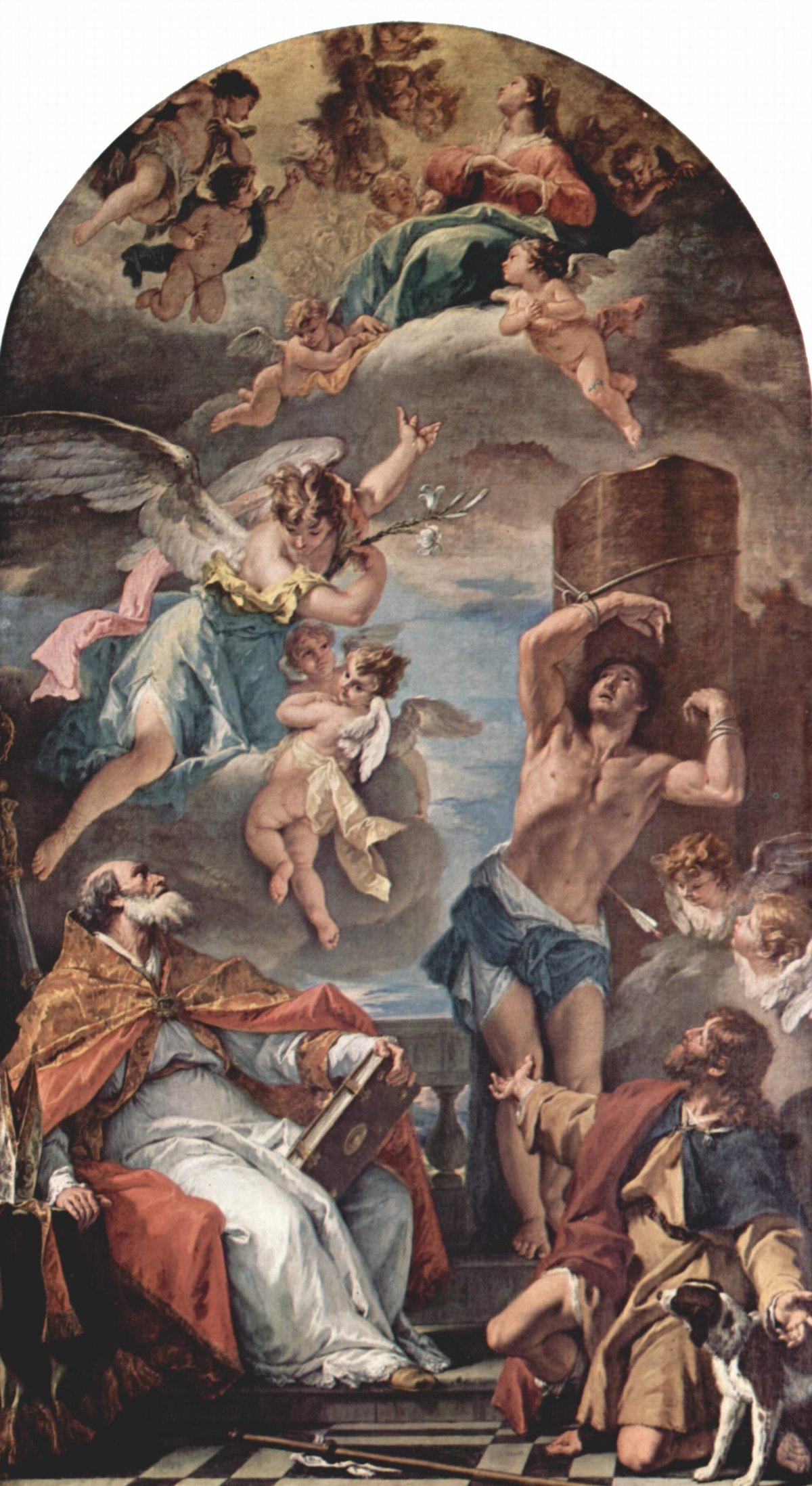
Detailed fresco painting by Sebastiano Ricci showcasing a dynamic mythological or allegorical scene with vibrant colors and classical figures
Classic artwork by Sebastiano Ricci depicting two men walking and talking, dressed in ancient-style robes, representing a historical or mythological scene
Founding and Early Development (15th–17th Centuries)
Established in 1404, the University of Turin emerged as a center for legal, theological, and liberal arts education. Its early years were marked by periods of closure and reopening due to wars and political shifts, yet it remained a beacon of learning in northern Italy. By the Renaissance, the university had gained recognition for its legal and philosophical programs, attracting students from across the region (Times Higher Education).
Expansion and Enlightenment Influence (18th–19th Centuries)
The 18th century brought significant growth under the House of Savoy, with a focus on scientific inquiry and the founding of the university’s botanical gardens. Academic offerings expanded to include medicine and the humanities. The construction of the baroque Palazzo del Rettorato and other grand buildings reflected the era’s architectural and intellectual ambitions.
19th Century: Political Change and Academic Reform
In the 19th century, the University of Turin played a pivotal role during the unification of Italy, embracing academic reforms and a more secular, scientific approach. Influential faculty such as Antonio Gramsci contributed to Italy’s intellectual and political transformation. New museums and research institutions were established, many of which are still open to visitors today (EduRank).
20th Century: Growth, Research, and Internationalization
The 20th century saw UniTo evolve into a modern research university renowned for its contributions to medicine, economics, law, and the humanities. Notable alumni include Nobel laureates Rita Levi-Montalcini, Renato Dulbecco, and Salvador Luria. The university increasingly embraced international collaborations and exchange programs, enhancing its global reach and diversity (Times Higher Education, EduRank).
Architectural and Cultural Heritage
The university’s architectural landscape features a blend of historic and contemporary structures. Highlights include the baroque Palazzo del Rettorato, the modernist Palazzo Nuovo, and university museums that house collections of scientific and cultural significance. The Botanical Garden, established in the 18th century, provides a peaceful space and a living archive of plant species. Museums such as the Luigi Rolando Human Anatomy Museum, the Museum of Criminal Anthropology, and the Fruit Museum “Francesco Garnier Valletti” are key attractions for visitors (Times Higher Education).
Visiting the University: Hours, Tickets, and Tours
General Visiting Hours
- University Buildings: Most administrative and historic buildings are open Monday to Friday, 9:00 AM to 6:00 PM. Access for the general public may be limited outside of special events or open days.
- Museums and Botanical Garden: Typically open Tuesday to Sunday, 9:00 AM to 6:00 PM, though hours may vary by season and location. Always confirm with the official museum sites before your visit.
Tickets and Entry Fees
- Museums and Botanical Garden: Entry is free or requires a nominal fee. Discounts are available for students, seniors, and groups. Some exhibitions or guided tours may require advance ticket purchase.
- Combined Tickets/Passes: For those interested in visiting multiple sites, inquire about combined tickets or annual passes at visitor centers.
Guided Tours and Special Events
- Guided Tours: Available for the university’s main buildings, museums, and botanical gardens. Tours offer in-depth historical and architectural insights and can be booked via the university’s visitor services or authorized operators.
- Special Events: The university hosts public lectures, exhibitions, concerts, and cultural festivals throughout the year. Check the event calendar on the official UniTo website for current listings.
Accessibility and Visitor Services
The University of Turin is committed to inclusive access. Most public areas, including museums and gardens, are wheelchair accessible, with ramps and elevators provided. Visitors with specific needs should contact visitor services in advance to arrange assistance.
Information is often available in English and French, and staff are accustomed to welcoming international guests.
Travel Tips and Nearby Attractions
- Getting There: Central locations are easily reached by public transport (trams, buses) and are within walking distance from major train stations such as Porta Nuova and Porta Susa. Public transport is recommended due to limited parking.
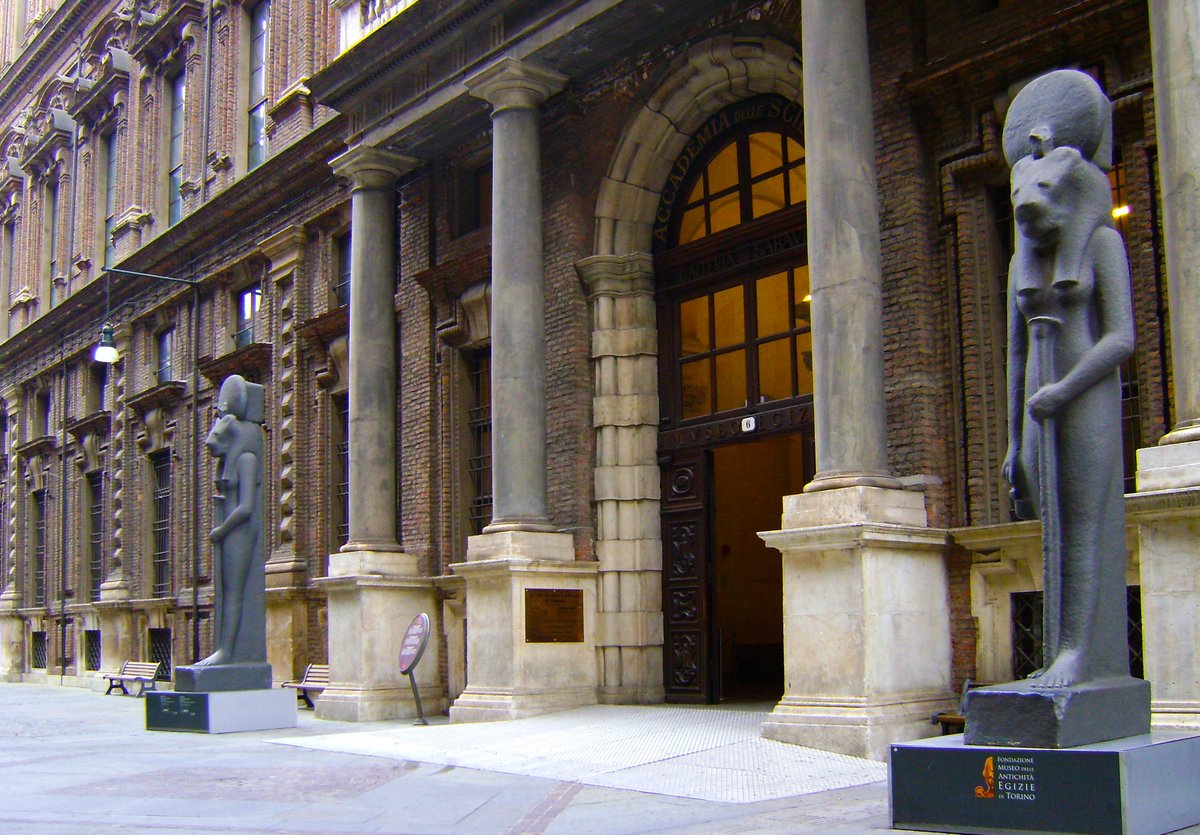
- What to Visit Nearby: The university’s proximity to Turin’s top sites makes it easy to combine your visit with the Mole Antonelliana, Egyptian Museum, Turin Cathedral, and local markets.
- Where to Eat: Surrounding the university are numerous cafés, trattorias, and gelaterias serving traditional Piedmontese cuisine and student-friendly fare. Don’t miss regional specialties like gianduiotto chocolate or bicerin.
Academic Prestige and Societal Impact
UniTo boasts a student body of over 70,000 and a faculty exceeding 4,000, making it one of Italy’s largest and most influential universities (Meridean Overseas). Its programs in law, economics, medicine, and the humanities rank among the best in Italy and Europe. The university consistently produces high-impact research and fosters social engagement through interdisciplinary projects and sustainability initiatives (Times Higher Education, EduRank).
Legacy and Continuing Evolution
With more than six centuries of history, the University of Turin is deeply connected to Turin’s development and Italy’s intellectual heritage. Its alumni include statesmen, scientists, writers, and artists who have shaped both national and global history. Today, the university continues to invest in cutting-edge research, international partnerships, and student services, ensuring its place as a leading institution for the 21st century (Meridean Overseas).
Frequently Asked Questions (FAQs)
Q: What are the University of Turin’s visiting hours?
A: Museums and the botanical garden are generally open Tuesday to Sunday, 9:00 AM–6:00 PM. University buildings are open weekdays, typically 9:00 AM–6:00 PM. Always check official websites for current details.
Q: Do I need tickets to visit the university museums?
A: Most museums are free or request a small admission fee. Special exhibitions and guided tours may require advance ticket purchase.
Q: Is the campus wheelchair accessible?
A: Many buildings and museums provide wheelchair access. For specific needs, contact visitor services in advance.
Q: Are guided tours available?
A: Yes, guided tours can be booked in advance through the university’s visitor services or during special events.
Q: Can I take photographs inside university buildings?
A: Photography is permitted in public areas, but restrictions may apply in certain museums and libraries. Always follow posted guidelines.
Castello del Valentino: A Historic Jewel in Turin
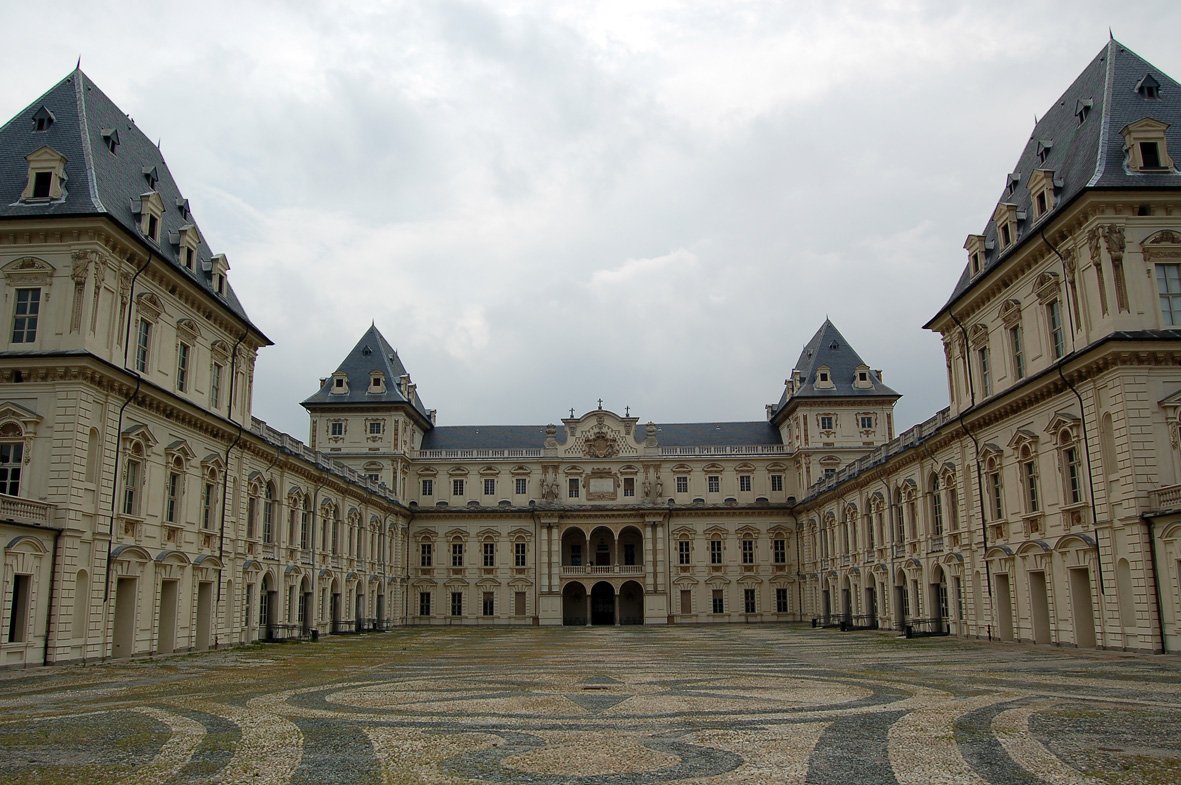
Situated within Valentino Park along the Po River, the Castello del Valentino is one of Turin’s most iconic historical sites and a UNESCO World Heritage Site. The castle, now home to the Architecture Faculty, was transformed in the 17th century for the House of Savoy and is renowned for its baroque interiors, Hall of Columns, and ornate chapel (UNESCO World Heritage - Residences of the Royal House of Savoy).
Visiting Information
- Opening Days: Select Saturdays only (consult the official schedule)
- Hours: 10:00 AM–12:00 PM and 3:00 PM–5:00 PM
- Admission: Free, but guided tours require advance reservation
- Tours: Led by volunteer guides from the Polytechnic University of Turin, covering main floors and key historical rooms
Getting There and Accessibility
- Public Transport: Tram lines 4 and 9 serve Valentino Park.
- By Foot: 20-minute walk from Piazza Castello.
- Accessibility: Main entrance and some rooms are accessible by ramp; some historic sections may have limited access.
Nearby Attractions
- Valentino Park: Offers botanical gardens and riverside strolls.
- University of Turin Botanic Gardens: Adjacent to the castle.
- Egyptian Museum: Located in the city center.
Photography and Visitor Tips
- The castle’s façade and interiors are excellent for photography (no flash/tripods).
- Guided tours offer valuable insights into the castle’s history and architecture.
- Seasonal events and exhibitions are occasionally held at the castle.
Summary and Recommendations
The University of Turin blends centuries of academic tradition with vibrant city life, making it a must-visit for anyone interested in Italy’s educational and cultural legacy. Plan ahead by checking visiting hours and booking tickets or tours in advance to maximize your experience. The university’s accessibility, central location, and proximity to Turin’s major attractions, including the Castello del Valentino and the Egyptian Museum, ensure a rich and rewarding visit (Times Higher Education, Turin Tourism Portal, EduRank).
For maps, audio guides, and event updates, consider downloading the Audiala app. Engage with local culture by exploring student districts, attending university events, and sampling regional cuisine. Respect university rules and enjoy the unique blend of history, architecture, and innovation that defines the University of Turin.
Listen to the full story in the app
Your Personal Curator, in Your Pocket.
Audio guides for 1,100+ cities across 96 countries. History, stories, and local insight — offline ready.
Audiala App
Available on iOS & Android
Join 50k+ Curators
Sources
- verified
- verified
- verified
- verified
- verified
Last reviewed: