Introduction: History and Cultural Significance
Located in the heart of Turin, Italy, the Turin Conservatory "Giuseppe Verdi" is a cornerstone of the city’s musical and cultural landscape. Founded in 1866 and achieving conservatory status in 1936, this prestigious institution is celebrated for its significant role in shaping Italy’s musical heritage and fostering innovation in music education. The conservatory’s striking neo-baroque architecture, coupled with elegant Art Nouveau interiors, creates a unique environment that attracts music lovers, architecture admirers, and cultural explorers.
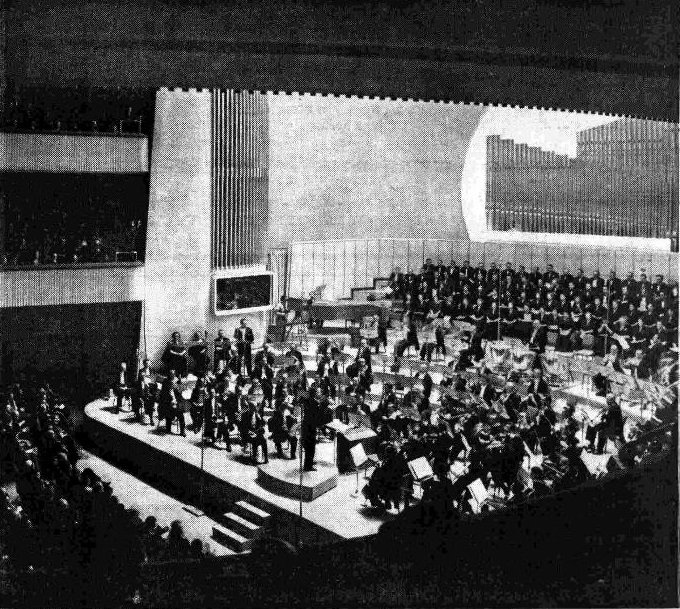
The conservatory’s historic concert hall, inaugurated with a grand organ in 1933 and meticulously restored after a fire in 1984, serves as a vibrant hub for performances and public events. Its strategic location in Piazza Giambattista Bodoni positions it among Turin’s most important cultural sites, including the Teatro Regio and Museo Egizio.
Through guided tours, educational outreach, and an inclusive calendar of concerts and events, the conservatory welcomes visitors of all backgrounds, making it an essential destination for anyone seeking to experience Turin’s dynamic cultural scene. (Conservatorio Torino, WUG Torino 2025, Operabase)
Early Beginnings and Development
The conservatory originated as the Istituto Musicale della Città di Torino in 1866, providing structured music education during a pivotal era in Italy’s cultural history. Gaining prominence in the late 19th and early 20th centuries, the institution attracted exceptional students and faculty, expanding its curriculum to cover instrumental and vocal performance, composition, and music theory.
Transition to Conservatory Status
On February 13, 1936, the institute officially became the Conservatorio Statale di Musica “Giuseppe Verdi”, authorized to grant professional diplomas in music. This marked a new era of advanced training, research, and artistic production, aligning the conservatory with Italy’s highest standards in music education and honoring the legacy of the famed composer Giuseppe Verdi.
Architecture and Artistic Features
Building and Concert Hall
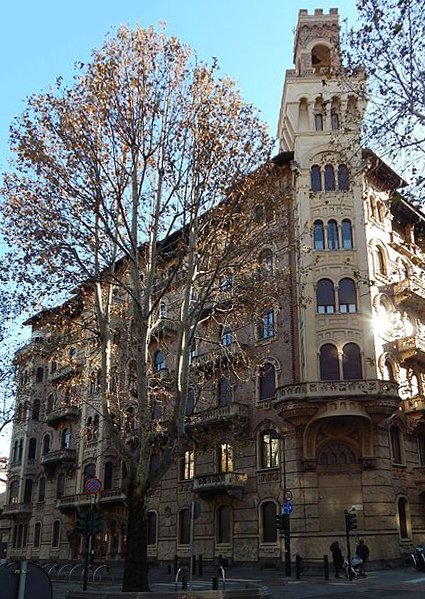
Designed by Giovanni Battista Ricci and completed in 1928, the conservatory’s building replaced a former market, embracing a neo-baroque style with a symmetrical façade and ornate stonework. The interiors are distinguished by Art Nouveau (Liberty) elements, particularly in the main concert hall, which is renowned for its superb acoustics, intricate floral motifs, and stained glass windows (Teatro Regio Torino).
A centerpiece of the conservatory is its historic concert organ, inaugurated in 1933. After suffering fire damage in 1984, the concert hall underwent extensive restoration, reopening in 2006 as one of Turin’s premier performance venues (Wikipedia).
Artistic Collections
Visitors can access the Gallery of Ancient Instruments, which features rare pieces, including a Stradivarius violin used on special occasions. This collection connects visitors with Italy’s legacy of musical craftsmanship and history (WUG Torino 2025).
Visiting Information
Opening Hours
- General Hours: Monday to Friday, 9:00 AM – 6:00 PM.
- Concerts and Events: Evenings and weekends; check the official calendar for updates.
Tickets and Guided Tours
- Concert Admission: Many concerts are free or low-cost, with student and faculty performances prioritizing accessibility.
- Special Events: Tickets for guest recitals or festivals may be required; prices vary from free to modest fees.
- Guided Tours: Available by appointment, offering insights into the conservatory’s history, architecture, and collections. Advance booking is recommended (Conservatorio Torino).
Accessibility
- The facility provides ramps, elevators, and accessible restrooms for visitors with disabilities.
- Assistance is available upon request; contact the administration in advance to arrange support.
Getting There
- Location: Piazza Giambattista Bodoni, Turin.
- Public Transport: A 10-minute walk from Porta Nuova metro station; multiple bus and tram lines serve the area.
- Parking: Limited street parking; public transit is recommended.
Academic and Cultural Impact
The conservatory offers undergraduate and postgraduate degrees in instrumental and vocal performance, composition, conducting, musicology, and music technology. With over 700 students and 130 professors, it is a leader in Italian and European music education, fostering international collaborations and research (esperto.org; Wikipedia).
Graduates pursue careers in performance, teaching, and music technology, benefitting from extensive stage experience and professional preparation.
Concerts and Events
- Seasonal Calendar: The conservatory hosts 10–20 major productions annually, including symphonic concerts, jazz, and contemporary showcases.
- Free Public Concerts: Most student and faculty concerts are open to the public at no cost, promoting community engagement.
- Special Events: During festivals like Torino 2025 FISU World University Games Winter and city-wide celebrations, the conservatory participates with unique programming (Operabase, WUG Torino 2025).
Nearby Attractions
Within walking distance, visitors can explore:
- Teatro Regio: Turin’s opera house.
- Museo Egizio: The renowned Egyptian Museum.
- Accademia Albertina: Fine arts academy and gallery.
- Palazzo Madama: Historical palace and museum.
- Mountain Museum: Exhibiting alpine history and culture.
These sites complement a visit to the conservatory, offering a well-rounded cultural itinerary in Turin (Lets Travel More).
Visuals and Media
- Virtual Tours: Explore the building’s interiors and concert hall online (Conservatorio Torino).
- Photos: Historic façade, concert events, and the Gallery of Ancient Instruments. Include descriptive alt text for accessibility, e.g., “Turin Conservatory Giuseppe Verdi historical building exterior”.
Frequently Asked Questions (FAQ)
Q: What are the visiting hours?
A: Monday–Friday, 9:00 AM–6:00 PM. Concerts may occur in the evenings and weekends—check the website for updates.
Q: Are tickets required for concerts?
A: Most are free or nominally priced; special events may require tickets. Reservations are recommended for popular events.
Q: Is the conservatory accessible to visitors with disabilities?
A: Yes, with ramps, elevators, and staff assistance available.
Q: How can I book a guided tour?
A: Through the official website or by contacting the information office.
Q: What public transport options are available?
A: Porta Nuova metro station and numerous bus/tram lines serve Piazza Bodoni.
Q: Can I visit the Gallery of Ancient Instruments?
A: Yes, during select guided tours and events.
Listen to the full story in the app
Your Personal Curator, in Your Pocket.
Audio guides for 1,100+ cities across 96 countries. History, stories, and local insight — offline ready.
Audiala App
Available on iOS & Android
Join 50k+ Curators
Sources
- verified
- verified
- verified
- verified
- verified
Last reviewed: