Plan and listen to Palazzo Madama And Casaforte Degli Acaja, Turin with Audiala.
Audio guide in your pocket, itinerary in your browser. Built for the way you actually visit.
Introduction
Palazzo Madama, positioned at the heart of Turin, Italy, is a monumental edifice with a historical tapestry that stretches back to the Roman era. This UNESCO World Heritage site offers a unique blend of medieval and baroque architecture, making it an essential visit for history buffs, art enthusiasts, and casual tourists alike. Initially serving as a Roman gate, the site evolved into a medieval fortress known as the 'Castello di San Giovanni' under the House of Savoy in the 13th century. By the 15th century, it transformed into a Renaissance palace under Ludovico of Savoy, and later, into a baroque masterpiece under the direction of architect Filippo Juvarra in the early 18th century. The palace derives its name from two influential royal Madames: Christine of France and Marie Jeanne of Savoy, who significantly shaped its architectural and cultural journey.
Today, Palazzo Madama houses the Museo Civico d'Arte Antica, showcasing an extensive collection of art and artifacts spanning from the Middle Ages to the 18th century. Its role in the political landscape of Italy is equally significant, having served as the seat of the Senate of the Kingdom of Sardinia during the 19th century. The palace is more than just an architectural marvel; it is a testament to Turin's rich cultural and political history. Visitors can explore its grand staircase, majestic façade, and opulent interiors while enjoying a range of exhibits and guided tours (Musei Torino, ArchDaily, Italy Magazine).

Discover the Rich History and Visiting Tips for Palazzo Madama in Turin
Early Origins and Medieval Period
Palazzo Madama, located in the heart of Turin, Italy, has a rich history that dates back to the Roman era. The site originally hosted a Roman gate, part of the city's defensive walls. By the Middle Ages, the structure evolved into a fortress, known as the 'Castello di San Giovanni.' This medieval castle was a significant stronghold for the House of Savoy, a noble family that played a crucial role in the history of the region.
Renaissance Transformation
In the 15th century, the castle underwent significant transformations under the direction of Ludovico of Savoy. The medieval fortress was expanded and embellished, reflecting the Renaissance architectural style that was sweeping across Europe. This period marked the beginning of the building's transformation from a military stronghold to a more residential and administrative function.
The Madama Reign
The name 'Palazzo Madama' is derived from two prominent women, or 'Madamas,' who significantly influenced the palace's history. The first was Christine of France, also known as 'Madama Reale,' who was the wife of Victor Amadeus I, Duke of Savoy. In the mid-17th century, Christine chose the palace as her residence and initiated extensive renovations to reflect her status and taste. Her influence brought a French flair to the architecture and interior design, blending it with the existing Italian elements.
The second influential figure was Marie Jeanne of Savoy, known as 'Madama Giovane.' She was the wife of Charles Emmanuel II, Duke of Savoy, and continued the tradition of using the palace as a residence. Under her direction, the palace saw further enhancements, including the addition of Baroque elements, which were becoming increasingly popular at the time.
Baroque Splendor
The most significant transformation of Palazzo Madama occurred in the early 18th century under the direction of architect Filippo Juvarra. Commissioned by Marie Jeanne of Savoy, Juvarra's work on the palace is considered a masterpiece of Baroque architecture. He designed the grand staircase, the majestic façade, and the opulent interiors that visitors admire today. Juvarra's design aimed to create a sense of grandeur and elegance, befitting the palace's status as a royal residence.
19th Century and Beyond
In the 19th century, Palazzo Madama's role shifted from a royal residence to a more public function. It housed the Senate of the Kingdom of Sardinia from 1848 to 1864, playing a crucial role in the political life of the newly unified Italy. This period marked the palace's transition from a private royal residence to a symbol of national significance.
Modern Era and Restoration
In the 20th century, Palazzo Madama underwent several restoration projects to preserve its historical and architectural integrity. The palace was declared a UNESCO World Heritage Site in 1997, recognizing its cultural and historical importance. Today, it houses the Museo Civico d'Arte Antica, showcasing a vast collection of art and artifacts that span several centuries.
Visitor Information
- Ticket Prices - Tickets for Palazzo Madama can be purchased at the entrance or online. Prices vary depending on age and special exhibitions, so it's best to check the official website for the most current information.
- Opening Hours - The palace is generally open from 10 AM to 6 PM, but hours may vary on holidays and special occasions. Always check the official website before planning your visit.
- How to Get There - Palazzo Madama is centrally located in Turin's Piazza Castello. It is easily accessible by public transportation, including buses and trams. For those driving, parking is available in nearby garages.
Travel Tips
- Best Times to Visit - Weekdays are generally less crowded than weekends. Early mornings or late afternoons offer a more relaxed experience.
- What to Bring - Comfortable walking shoes are recommended as there is much to explore. Photography is allowed, so don't forget your camera!
Nearby Attractions
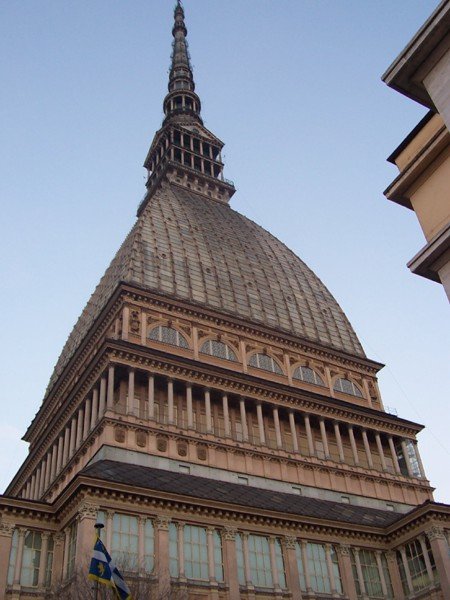
- Mole Antonelliana - A stunning landmark and home to the National Museum of Cinema.
- Royal Palace of Turin - Another historical residence of the House of Savoy, featuring beautiful gardens and interiors.
- Egyptian Museum - One of the largest collections of Egyptian artifacts in the world.
Accessibility
Palazzo Madama is committed to accessibility. The palace is equipped with ramps and elevators to accommodate visitors with disabilities. Special guided tours are also available upon request.
Architectural Highlights
- Roman Foundations - The remnants of the Roman gate and walls are still visible in the basement of the palace, providing a glimpse into its ancient origins.
- Medieval Towers - The medieval towers, part of the original fortress, have been preserved and integrated into the later architectural developments.
- Juvarra's Staircase - The grand staircase designed by Filippo Juvarra is a highlight of Baroque architecture, featuring intricate stucco work and elegant proportions.
- Baroque Façade - The palace's façade, also designed by Juvarra, is a stunning example of Baroque design, with its elaborate decorations and harmonious proportions.
Cultural Significance
Palazzo Madama is not just an architectural marvel; it is a testament to the rich cultural and political history of Turin and the House of Savoy. The palace has witnessed significant historical events, from royal intrigues to political transformations, making it a vital part of Italy's heritage.
FAQ
- What are the opening hours of Palazzo Madama? - The palace is generally open from 10 AM to 6 PM, but hours may vary on holidays and special occasions.
- How much are the tickets for Palazzo Madama? - Ticket prices vary depending on age and special exhibitions. Check the official website for the most current information.
- Is Palazzo Madama accessible for people with disabilities? - Yes, the palace is equipped with ramps and elevators, and special guided tours are available upon request.
For more detailed information on the history and architecture of Palazzo Madama, you can visit the official Museo Civico d'Arte Antica website.
By understanding the history of Palazzo Madama, visitors can appreciate the layers of history and culture that have shaped this magnificent palace, making it a must-visit destination in Turin. Don't forget to follow us on social media for updates and more travel tips!
Tickets & tours.
These are guided options from our partners — same price as booking direct.
Prices are indicative — final pricing and availability are confirmed at checkout. Audiala may earn a commission from bookings made through these links.
Listen to the full story in the app
The whole Palazzo Madama And Casaforte Degli Acaja, Turin,
told well.
Audio guides for 1,100+ cities across 96 countries. History, stories, and local insight — offline ready.
Verified, and shown.
Researched and written by the Audiala editorial team from historical records, architectural archives, and local expertise.
Researched from Wikidata, Wikipedia & official sources · fact-checked · How we make our guides →