Introduction
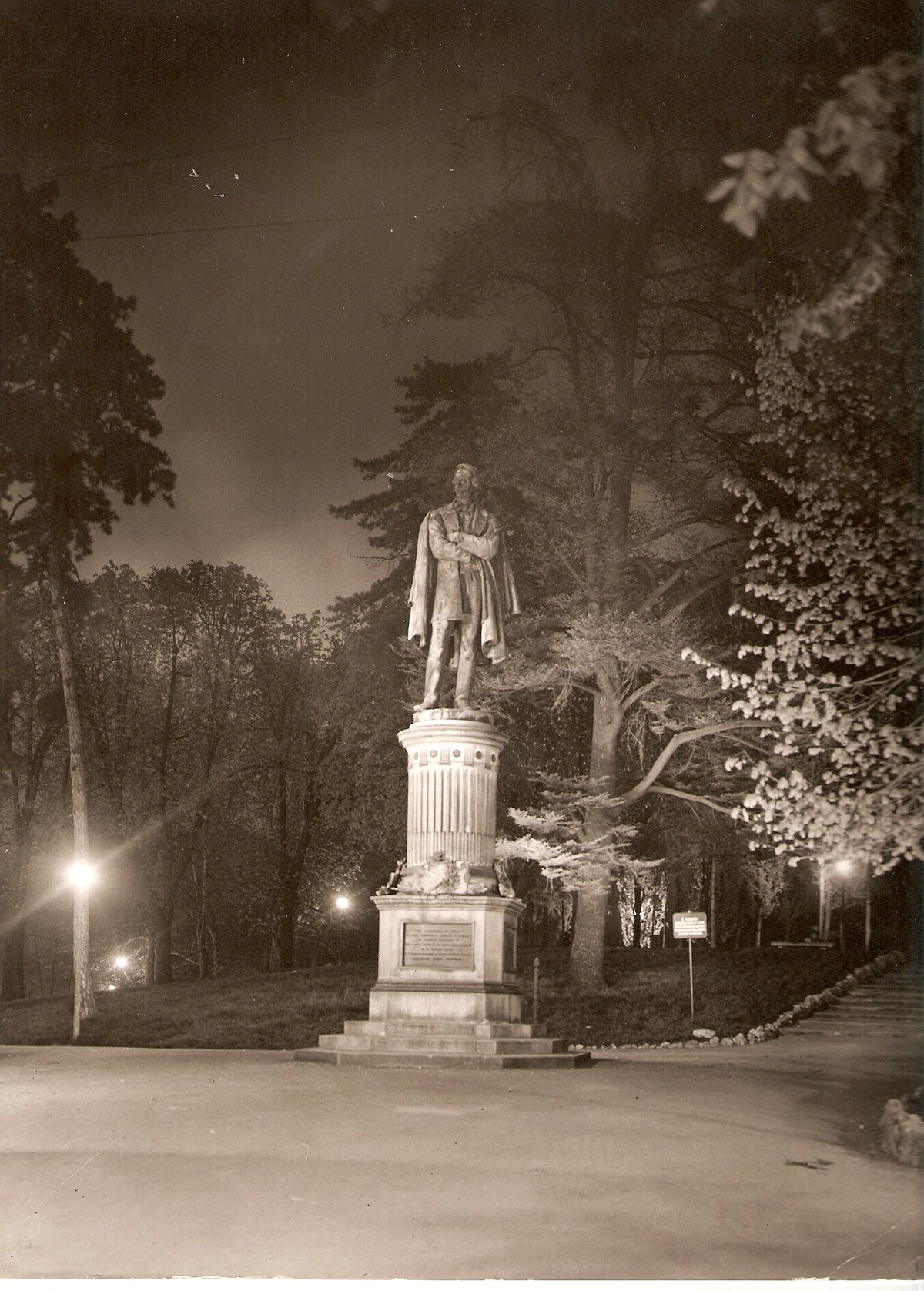
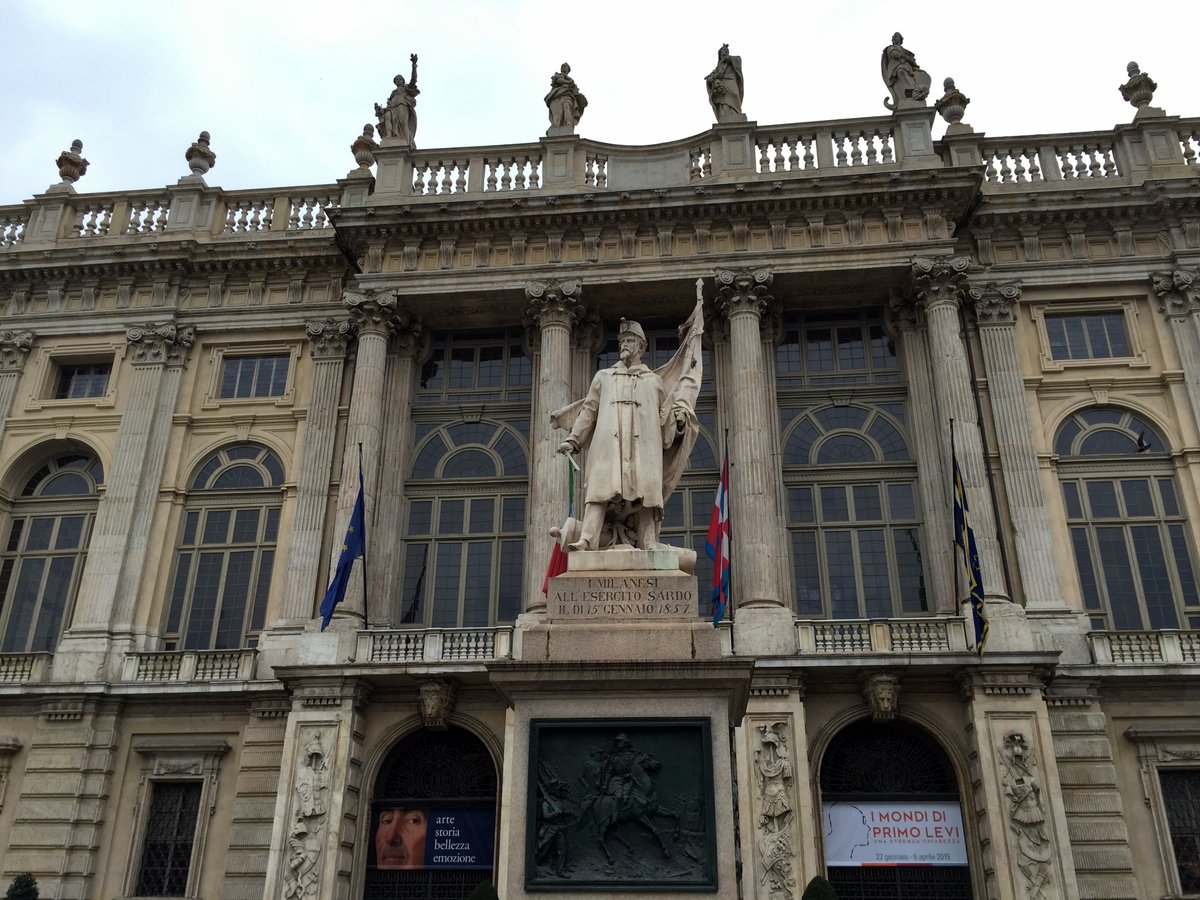
In the heart of Turin’s Piazza Solferino stands the Monumento a Giuseppe La Farina, a tribute to one of the principal architects of Italian unification. Giuseppe La Farina (1815–1863)—historian, politician, and key figure in the Risorgimento—helped lay the intellectual and organizational foundations for a unified Italy. This monument, crafted in stone and bronze, captures his enduring legacy and the revolutionary spirit of 19th-century Italy. Its central placement in a historically significant square makes it a focal point for both civic memory and public admiration.
This comprehensive guide explores the monument’s history, artistic features, and cultural significance, while providing practical information for visitors: opening hours, accessibility, nearby attractions, transport options, and travel tips. Whether you are a history enthusiast, a cultural traveler, or a casual visitor, discover why the Monumento a Giuseppe La Farina is an essential stop among Turin historical sites (Evendo, MuseoTorino, IGotoWorld).
Giuseppe La Farina: Life and Role in Italian Unification
Giuseppe La Farina (1815–1863) emerged as a leading intellectual and political force during the Risorgimento, the movement that led to Italy’s unification. Born in Messina, Sicily, he became active in revolutionary circles early in life, enduring exile and political persecution for his advocacy of constitutional reform and national unity. As the founder of the Italian National Society in 1857, La Farina worked to mobilize support for unification and foster cooperation between key figures such as Cavour and Garibaldi (Evendo).
A prolific writer and historian, La Farina published influential works—including the ten-volume "Storia d’Italia"—and edited the journal "L’Alba". His political career included serving as Minister of Public Instruction and War in Sicily, election to the Chamber of Deputies, and close collaboration with Cavour in Turin. La Farina’s pragmatic approach helped smooth ideological rifts, making him a bridge-builder in Italy’s path to nationhood (Britannica, Wikipedia).
Monument Origins, Artistic Design, and Symbolism
Commission and Construction
The monument was commissioned after La Farina’s death, with fundraising gaining momentum in 1866. The Sicilian sculptor Michele Auteri-Pomar was awarded the project in 1878, and the monument was inaugurated on June 1, 1884. Its original setting in Piazza Solferino’s gardens reinforced the connection between La Farina’s achievements and Turin’s pivotal role in the Risorgimento (MuseoTorino, IGotoWorld).
Structure and Materials
Standing 7.2 meters tall, the monument features a white marble statue of La Farina atop a granite pedestal. The statesman is depicted in thoughtful contemplation, pen in hand and papers beneath his arm—symbols of his intellectual and political legacy. The pedestal bears his name and commemorative inscriptions. A distinctive feature is the Trinacria symbol at the rear of the balustrade, a nod to La Farina’s Sicilian heritage (IGotoWorld).
Symbolism
Every element of the monument is steeped in symbolism. The Trinacria, representing Sicily, honors his origins and role in the struggle against Bourbon rule. The classical attire and dignified pose evoke the ideals of wisdom, civic virtue, and unity that defined the Risorgimento. Decorative reliefs and laurel motifs further emphasize themes of honor and achievement (Evendo).
Piazza Solferino: Historical and Architectural Context
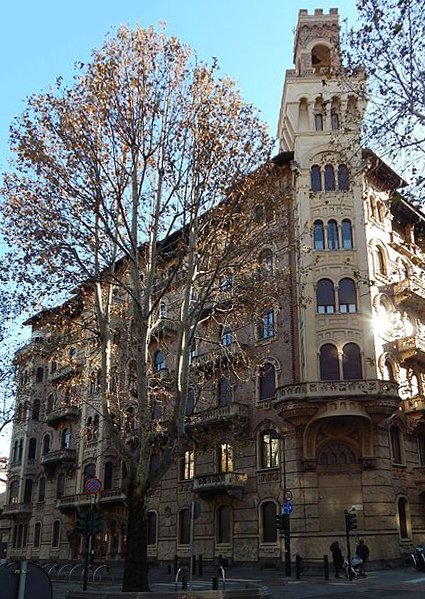
Piazza Solferino, named for the pivotal 1859 battle in the Second Italian War of Independence, is one of Turin’s central squares. It features elegant 19th-century buildings, lush gardens, and nearby landmarks such as the Fontana Angelica and the Palace of Pallavicino. The square is a vibrant urban space, hosting public events, cultural festivals, and daily social life—a fitting setting for a monument dedicated to civic engagement and national unity (MuseoTorino, IGotoWorld).
Visiting Information: Hours, Tickets, and Accessibility
- Admission: The monument is outdoors and can be visited at any time, free of charge. No tickets are required (Evendo).
- Recommended Visiting Times: Daylight hours (7:00 AM to 9:00 PM, seasonally) are best for viewing and photography.
- Accessibility: Piazza Solferino is pedestrian-friendly and wheelchair accessible. Benches, shaded areas, and public restrooms are nearby.
- Safety: The area is generally safe, though visitors should remain attentive during crowded events.
How to Get There
- By Tram: From Torino Porta Nuova station, take tram number 4 to 'Piazza Solferino' (about 10 minutes).
- By Bus: Bus lines 14, 19, 29, 59, 63, and 67 stop at or near Piazza Solferino (IGotoWorld).
- On Foot: The monument is within walking distance from Piazza San Carlo, Via Giuseppe Luigi Lagrange, and other central attractions.
- By Car: Follow signs to Torino Centro; parking is available at Piazza San Carlo or nearby garages (fees may apply).
Guided Tours and Special Events
While there are no official guided tours exclusively for the monument, many walking tours of Turin’s historic center or Risorgimento-themed itineraries include the Monumento a Giuseppe La Farina. The square occasionally hosts commemorative ceremonies, especially on national holidays, as well as cultural events and educational activities (MuseoTorino).
Photographic Opportunities and Visitor Tips
- Photography: The monument’s scale and sculptural detail make it a rewarding subject, especially during golden hour or early morning.
- Best Angles: Corners of the square provide panoramic views with architectural backdrops.
- Nearby Amenities: Explore local cafés, restaurants, and shops for a complete Turin experience.
- Local Events: Check local tourism listings for festivals and public events in Piazza Solferino (Evendo).
Conservation and Public Engagement
The city of Turin maintains the monument with regular cleaning and restoration. The statue was temporarily removed in 2004 for Winter Olympics construction and reinstalled in 2013 after conservation work. Informational signage and educational initiatives help visitors connect with the monument’s historical context (MuseoTorino).
Cultural Impact and Legacy
The Monument to Giuseppe La Farina is not only a tribute to an influential patriot but also a testament to Turin’s identity as the cradle of Italian unification. It stands as a symbol of national ideals—unity, liberty, and civic duty—and continues to inspire reflection and public engagement. La Farina’s legacy is also honored in his native Messina and in national institutions, but Turin’s monument is unique for its location at the heart of the Risorgimento story (Wikipedia, IGotoWorld).
Frequently Asked Questions (FAQ)
Q: Do I need a ticket to visit the Monument to Giuseppe La Farina?
A: No, the monument is outdoors and freely accessible at any time.
Q: What are the best hours to visit?
A: Daylight hours are ideal for photography and comfort, though the monument can be seen 24/7.
Q: Is the monument wheelchair accessible?
A: Yes, Piazza Solferino is pedestrian-friendly and accessible.
Q: Are guided tours available?
A: The monument is often included in guided walking tours of Turin’s historic center and Risorgimento sites.
Q: How do I get to the monument from Torino Porta Nuova station?
A: Take tram number 4 to 'Piazza Solferino' or walk (about 10 minutes).
Listen to the full story in the app
Your Personal Curator, in Your Pocket.
Audio guides for 1,100+ cities across 96 countries. History, stories, and local insight — offline ready.
Audiala App
Available on iOS & Android
Join 50k+ Curators
Sources
- verified
- verified
- verified
- verified
Last reviewed: