Plan and listen to Cappella Dei Mercanti with Audiala.
Audio guide in your pocket, itinerary in your browser. Built for the way you actually visit.
Introduction
Nestled in the heart of Turin, Italy, the Chiostro Chiesa dei Santi Martiri stands as a testament to centuries of religious devotion and architectural splendor. Dating back to the 5th century, this historical gem offers visitors a unique glimpse into the evolution of Christian architecture and the rich cultural tapestry of Turin. Dedicated to the Holy Martyrs—Saints Solutor, Adventor, and Octavius—this sacred site has undergone numerous transformations, from its Romanesque reconstruction in the 11th century to the intricate Baroque additions in the 17th century. Managed by the Jesuits during the Counter-Reformation, the church has not only served as a place of worship but also as a center for education and community activities. Today, it continues to attract tourists and pilgrims alike, drawn by its historical significance, architectural beauty, and serene atmosphere. This comprehensive guide will delve into the church's storied past, provide practical visitor information, and offer insights into nearby attractions, ensuring a memorable visit to this remarkable site (Turin tourism).
History of Chiostro Chiesa dei Santi Martiri
Origins and Early History
The Chiostro Chiesa dei Santi Martiri, located in the heart of Turin, Italy, is a historical gem with roots tracing back to the early Christian era. The church is dedicated to the Holy Martyrs, specifically Saints Solutor, Adventor, and Octavius, who were Roman soldiers martyred for their faith. The original structure was built in the 5th century, making it one of the oldest religious sites in Turin. The church's foundation is attributed to Saint Maximus, the first bishop of Turin, who sought to honor the martyrs by constructing a place of worship on the site where their relics were believed to be buried.
Medieval Transformations
During the medieval period, the church underwent significant transformations. In the 11th century, it was rebuilt in the Romanesque style, characterized by its robust and simplistic architectural elements. This period also saw the addition of a cloister, which became a central feature of the church complex. The cloister served as a place for meditation and prayer for the monks who resided there. The Romanesque structure included a bell tower, which was a common feature in churches of that era, symbolizing the church's connection to the heavens.
Renaissance and Baroque Influences
The Renaissance period brought about another wave of changes to the Chiostro Chiesa dei Santi Martiri. In the 16th century, the church was renovated to reflect the Renaissance architectural style, which emphasized symmetry, proportion, and the use of classical elements. This renovation included the addition of ornate frescoes and sculptures that adorned the interior of the church. The influence of the Baroque period in the 17th century further enhanced the church's aesthetic appeal. Baroque architecture is known for its dramatic use of light and shadow, intricate details, and grandeur, all of which were incorporated into the church's design during this time.
The Jesuit Era
In the 17th century, the church came under the care of the Jesuits, who played a significant role in its history. The Jesuits were instrumental in the Counter-Reformation, and they used the church as a base for their missionary activities in Turin. They also contributed to the church's architectural and artistic development. One of the notable additions during this period was the construction of the Jesuit College adjacent to the church, which became an important center for education and religious instruction.
Modern Developments
The 19th and 20th centuries saw further modifications and restorations to preserve the church's historical and architectural integrity. In the 19th century, the church underwent a major restoration to repair damage caused by neglect and natural wear over the centuries. This restoration aimed to return the church to its former glory by carefully preserving its historical elements while incorporating modern techniques to ensure its longevity.
In the 20th century, the church was declared a national monument, recognizing its historical and cultural significance. This designation helped secure funding and support for ongoing preservation efforts. The church also became a popular site for tourists and pilgrims, drawn by its rich history and architectural beauty.
Visitor Information
Visiting Hours and Tickets
The Chiostro Chiesa dei Santi Martiri is open to visitors throughout the week. The visiting hours are from 9 AM to 6 PM, Monday through Saturday, and from 12 PM to 5 PM on Sundays. Admission is free, but donations are appreciated to support the maintenance and preservation of the church.
How to Get There
The church is easily accessible by public transportation. It is located near the Porta Nuova railway station, making it convenient for travelers. Local buses and trams also stop close to the church, and there are parking facilities available for those traveling by car.
Nearby Attractions
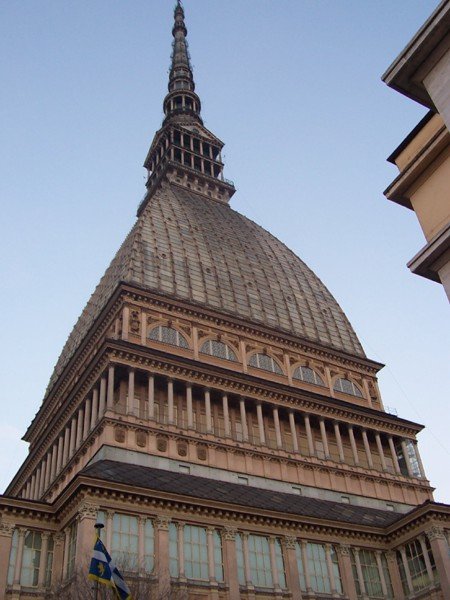
While visiting the Chiostro Chiesa dei Santi Martiri, be sure to explore other nearby historical sites in Turin. Notable attractions include the Royal Palace of Turin, the Mole Antonelliana, and the Turin Cathedral, home to the famous Shroud of Turin.
Architectural Highlights
The Chiostro Chiesa dei Santi Martiri is renowned for its architectural highlights, which reflect the various periods of its history. The Romanesque bell tower, with its sturdy construction and simple design, stands as a testament to the church's early history. The Renaissance and Baroque elements, including the ornate frescoes and sculptures, showcase the artistic achievements of those periods.
One of the most striking features of the church is its cloister, which has been meticulously preserved over the centuries. The cloister is a serene space with a central garden surrounded by covered walkways, providing a peaceful retreat for visitors. The columns and arches of the cloister are adorned with intricate carvings, reflecting the craftsmanship of the artisans who built them.
Cultural and Religious Significance
The Chiostro Chiesa dei Santi Martiri holds significant cultural and religious importance for the people of Turin. It is not only a place of worship but also a symbol of the city's rich history and heritage. The church has been a witness to many important events in Turin's history, including the rise and fall of various political powers and the spread of Christianity in the region.
The church's dedication to the Holy Martyrs serves as a reminder of the sacrifices made by early Christians in the face of persecution. The relics of Saints Solutor, Adventor, and Octavius, which are housed in the church, continue to be venerated by the faithful. The church also plays a vital role in the religious life of the community, hosting regular services, religious festivals, and cultural events.
Special Events and Guided Tours
The church regularly hosts special events, including religious festivals and cultural programs. Guided tours are available for visitors who wish to learn more about the church's history and architectural features. These tours provide in-depth insights and are conducted by knowledgeable guides.
Photographic Spots
The Chiostro Chiesa dei Santi Martiri offers numerous photographic opportunities for visitors. The serene cloister, the intricate frescoes, and the majestic bell tower provide perfect backdrops for memorable photos.
Preservation and Tourism
Efforts to preserve the Chiostro Chiesa dei Santi Martiri have been ongoing, with various restoration projects undertaken to maintain its structural and aesthetic integrity. These efforts have been supported by both the local community and international organizations dedicated to preserving cultural heritage.
Tourism has also played a crucial role in the church's preservation. Visitors from around the world come to admire its architectural beauty and learn about its rich history. The church offers guided tours, providing visitors with insights into its historical significance and the stories of the martyrs to whom it is dedicated.
For more information on the Chiostro Chiesa dei Santi Martiri, you can visit the official Turin tourism website.
FAQ
Q: What are the visiting hours for Chiostro Chiesa dei Santi Martiri?
A: The church is open from 9 AM to 6 PM, Monday through Saturday, and from 12 PM to 5 PM on Sundays.
Q: Is there an admission fee to visit the church?
A: Admission is free, but donations are appreciated to support maintenance and preservation efforts.
Q: How can I get to the church?
A: The church is easily accessible by public transportation, with nearby stops for local buses and trams. It is also close to the Porta Nuova railway station.
Q: Are guided tours available?
A: Yes, guided tours are available and provide in-depth insights into the church's history and architecture.
Q: What nearby attractions can I visit?
A: Nearby attractions include the Royal Palace of Turin, the Mole Antonelliana, and the Turin Cathedral.
Listen to the full story in the app
The whole Cappella Dei Mercanti,
told well.
Audio guides for 1,100+ cities across 96 countries. History, stories, and local insight — offline ready.

Verified, and shown.
Researched and written by the Audiala editorial team from historical records, architectural archives, and local expertise.
Researched from Wikidata, Wikipedia & official sources · fact-checked · How we make our guides →