Plan and listen to Basilica Of Superga with Audiala.
Audio guide in your pocket, itinerary in your browser. Built for the way you actually visit.
Introduction
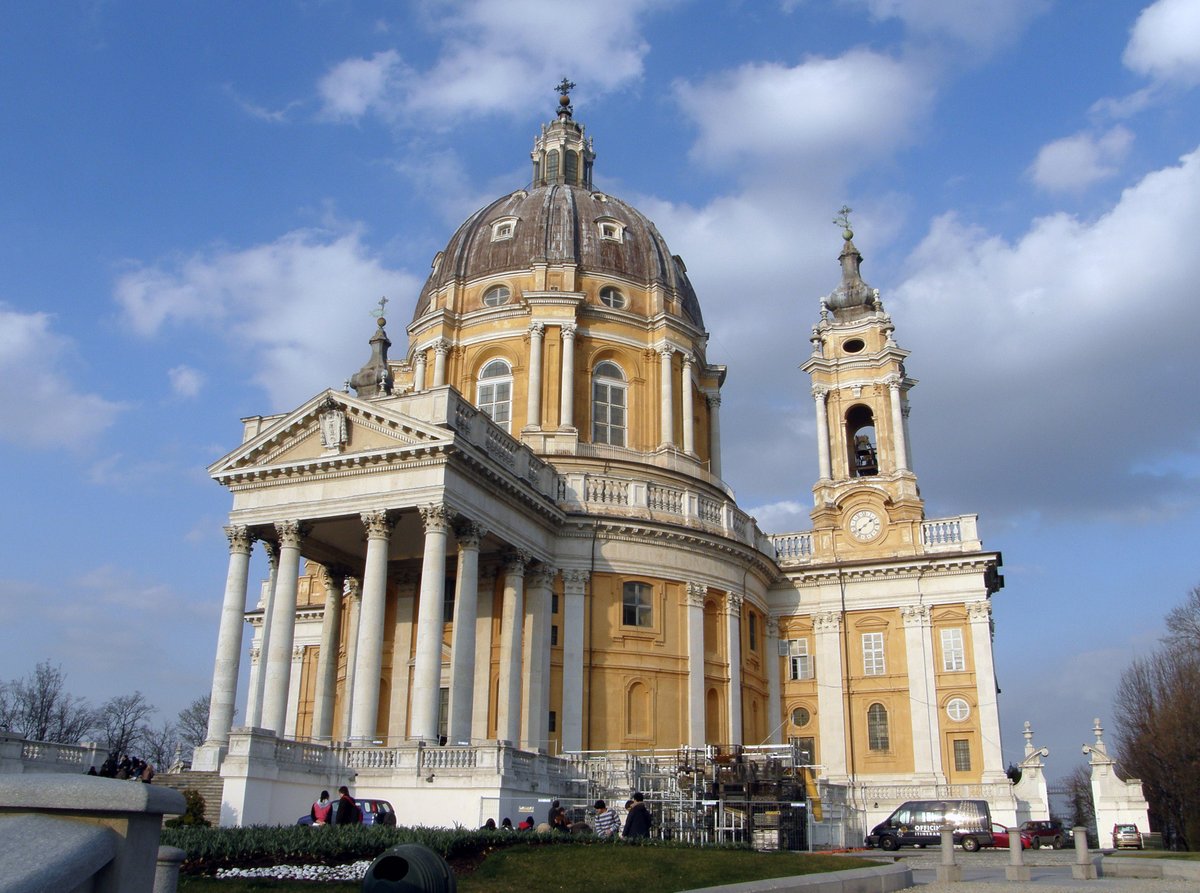
The Basilica di Superga, perched majestically on a hilltop overlooking Turin, Italy, is a gem of Baroque architecture and a monument laden with historical and cultural significance. Designed by the acclaimed architect Filippo Juvarra, this basilica is not only a place of worship but also a repository of artistic splendor and historical narratives that span centuries. Commissioned by Victor Amadeus II of Savoy in the early 18th century, the Basilica di Superga commemorates a pivotal moment in Turin's history—the victorious defense against the French during the War of the Spanish Succession. This victory, which led to the end of the siege of Turin in 1706, was attributed to a vow made by the Duke to the Virgin Mary, promising to build a grand church in her honor if he emerged victorious (source).
The basilica stands as a testament to the combined power of faith, art, and history. Its soaring dome, inspired by St. Peter's Basilica in Rome, and its opulent interior adorned with marble, frescoes, and sculptures, attract visitors from around the globe. Beyond its architectural marvel, the Basilica di Superga serves as the final resting place for the members of the House of Savoy, adding another layer of historical depth to this iconic structure (source). Moreover, the basilica's hilltop location offers breathtaking panoramic views of Turin and the surrounding Alps, making it a must-visit for anyone traveling to the region.
In this comprehensive guide, we will delve into the rich history of the Basilica di Superga, explore its architectural wonders, and provide practical information for visitors. From ticket prices and visiting hours to travel tips and nearby attractions, this guide aims to equip you with everything you need for an enriching visit to one of Turin's most treasured landmarks.

History and Significance of the Basilica di Superga
The Vow that Built a Basilica
The Basilica di Superga's story is deeply intertwined with the history of Turin and the House of Savoy. Its origins lie not in peaceful devotion, but in the throes of war. In 1706, Turin, then the capital of the Duchy of Savoy, found itself under siege by French and Spanish forces during the War of the Spanish Succession. Duke Vittorio Amedeo II, facing a daunting enemy, climbed the hill of Superga, then a humble vantage point overlooking the city. Here, it is said, he made a vow to the Virgin Mary—if he emerged victorious, he would erect a magnificent church in her honor.
Triumph and Tribute
The Duke's prayers were seemingly answered. The siege was broken, a victory largely attributed to the timely arrival of Austrian reinforcements led by Prince Eugene of Savoy. True to his word, Vittorio Amedeo II, now King of Sicily (later King of Sardinia), commissioned the basilica.
A Masterpiece Takes Shape
The task of designing this grand tribute fell upon the renowned architect Filippo Juvarra, a leading figure of the late Baroque period. Juvarra's vision was ambitious, aiming to create a structure that would not only fulfill the King's vow but also stand as a symbol of the House of Savoy's power and piety. Construction began in 1717, and after years of meticulous work, the basilica was consecrated in 1732.
Architectural Splendor and Symbolic Significance
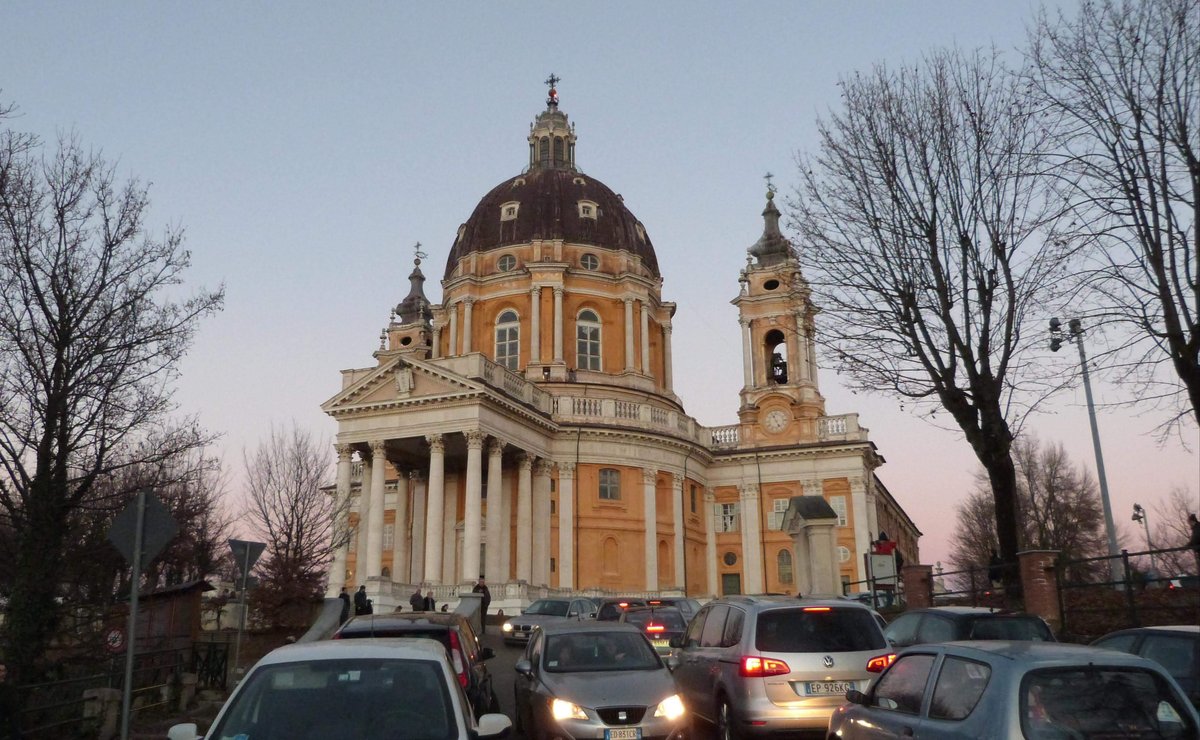
The Basilica di Superga is a testament to Juvarra's architectural genius. Its imposing dome, inspired by Michelangelo's dome at St. Peter's Basilica in Rome, dominates the Turin skyline. The basilica's facade, adorned with Corinthian columns and statues of saints, exudes grandeur and elegance. Inside, the church is equally impressive, with its soaring ceilings, intricate frescoes, and opulent decorations.
Beyond its architectural magnificence, the Basilica di Superga holds profound historical and cultural significance. It serves as the mausoleum of the Savoy dynasty, housing the tombs of numerous kings, queens, and princes. The Royal Tombs, located beneath the basilica, are a journey through Savoy history, with elaborate monuments and sculptures commemorating the lives of these rulers.
A Place of Pilgrimage and Remembrance
Over the centuries, the Basilica di Superga has become a place of pilgrimage, drawing visitors from all over the world. The panoramic views from the basilica's hilltop location, encompassing the city of Turin, the Po River Valley, and the majestic Alps in the distance, are breathtaking.
The basilica also holds a somber place in history. In 1949, an airplane carrying the entire Torino football team, known as "Il Grande Torino," crashed into the basilica's back wall, tragically ending the lives of all on board. This event, a profound shock to Italy and the footballing world, is commemorated by a memorial plaque near the crash site.
Visitor Information
Tickets and Opening Hours
The Basilica di Superga is open to visitors year-round. Tickets can be purchased on-site or online. The general visiting hours are from 9:00 AM to 6:00 PM, but it's advisable to check the official website for the most up-to-date information.
Travel Tips
To reach the Basilica di Superga, you can take a scenic ride on the historic Superga Rack Railway from Sassi Station in Turin. Alternatively, driving up the hill is also an option, with parking available near the site. Comfortable walking shoes are recommended due to the hilly terrain.
Nearby Attractions
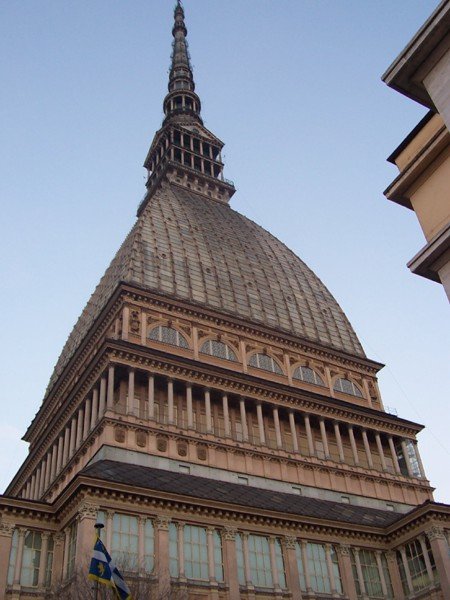
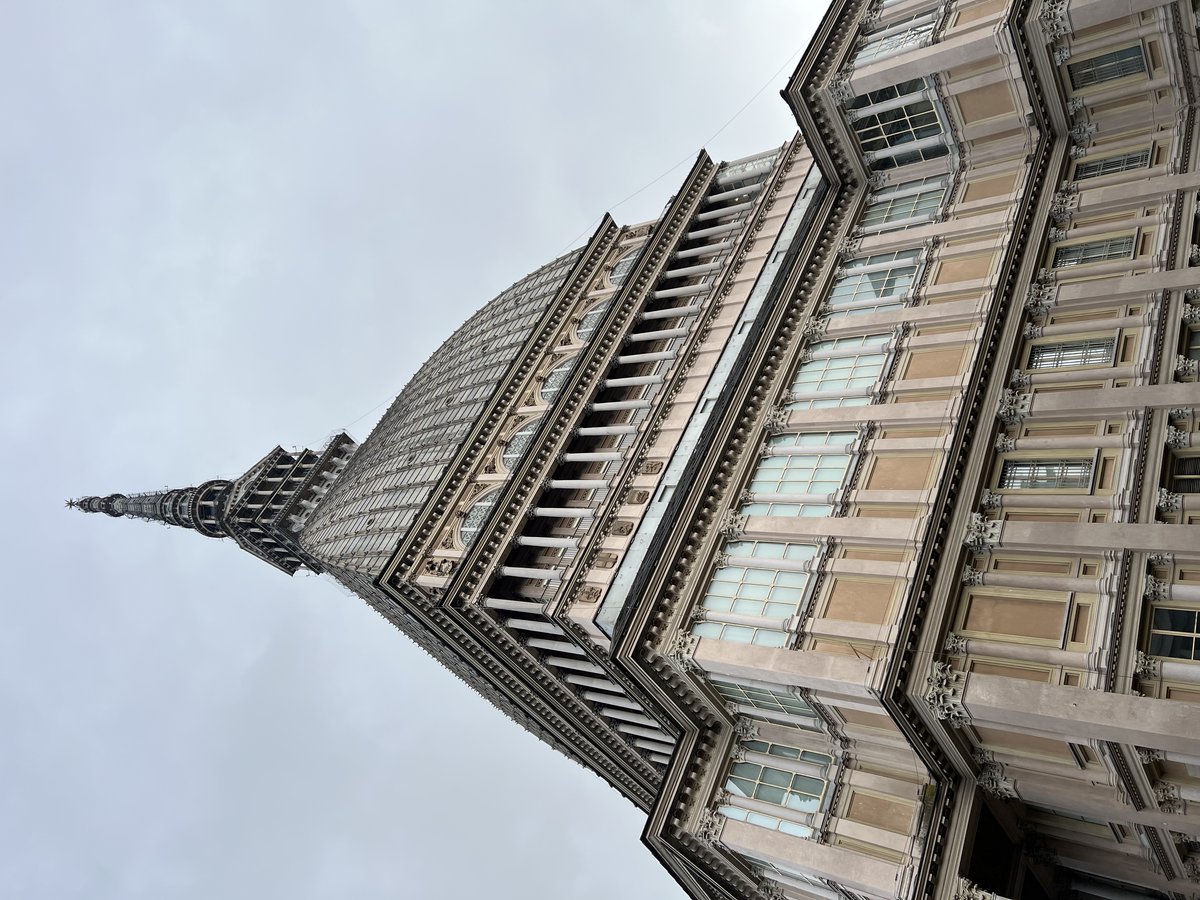
While visiting the Basilica di Superga, consider exploring other historical sites in Turin such as the Royal Palace, the Mole Antonelliana, and the Egyptian Museum. These attractions offer a deeper dive into the rich cultural heritage of the region.
Accessibility
The basilica is accessible to visitors with disabilities, with ramps and elevators available. However, certain areas, such as the Royal Tombs, may have limited accessibility.
Special Events
The Basilica di Superga hosts various religious ceremonies, concerts, and cultural events throughout the year. Check the official website or local listings for event schedules and ticket information.
Guided Tours
Guided tours are available for those interested in a more in-depth understanding of the basilica's history and architecture. Tours can be booked in advance and are offered in multiple languages.
Photographic Spots
The hilltop location of the Basilica di Superga provides numerous opportunities for stunning photographs. Key spots include the main entrance, the panoramic terrace, and the interior dome.
FAQ
Q: What are the Basilica di Superga visiting hours?
A: The general visiting hours are from 9:00 AM to 6:00 PM, but it's best to check the official website for the most current information.
Q: How much are Basilica di Superga tickets?
A: General admission tickets cost around €5, with discounts available for students, seniors, and groups. Purchasing tickets online can save time.
Q: Is the Basilica di Superga accessible to visitors with disabilities?
A: Yes, the basilica is accessible, though some areas may have limited accessibility.
Q: What are some nearby attractions to visit?
A: Nearby attractions include the Royal Palace, the Mole Antonelliana, and the Egyptian Museum in Turin.
Listen to the full story in the app
The whole Basilica Of Superga,
told well.
Audio guides for 1,100+ cities across 96 countries. History, stories, and local insight — offline ready.
Verified, and shown.
Researched and written by the Audiala editorial team from historical records, architectural archives, and local expertise.
Researched from Wikidata, Wikipedia & official sources · fact-checked · How we make our guides →