Plan and listen to Archivio Di Stato Di Torino with Audiala.
Audio guide in your pocket, itinerary in your browser. Built for the way you actually visit.
Introduction
Nestled in the heart of Turin, Italy, the Archivio di Stato di Torino (ASTo) serves as a monumental gateway to over 1,300 years of Piedmontese, Italian, and European history. More than an archival repository, it is an architectural masterpiece designed by Filippo Juvarra in the 18th century, forming part of the UNESCO-listed "Residenze Sabaude" ensemble. Within its walls, treasures ranging from medieval charters to contemporary fashion sketches illuminate the evolution of the House of Savoy, the Kingdom of Sardinia, and the path to Italian unification. The archive’s dynamic cultural programming, commitment to accessibility, and digital innovation make it an essential destination for historians, researchers, students, and curious travelers alike (Archivio di Stato di Torino website, UNESCO Residenze Sabaude).
This guide provides practical information about visiting hours, ticketing, accessibility, nearby attractions, and tips for maximizing your visit, along with insights into the archive's architectural and cultural significance.
Origins and Early Development:
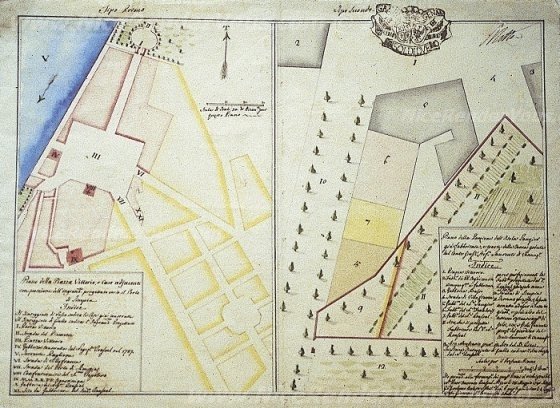
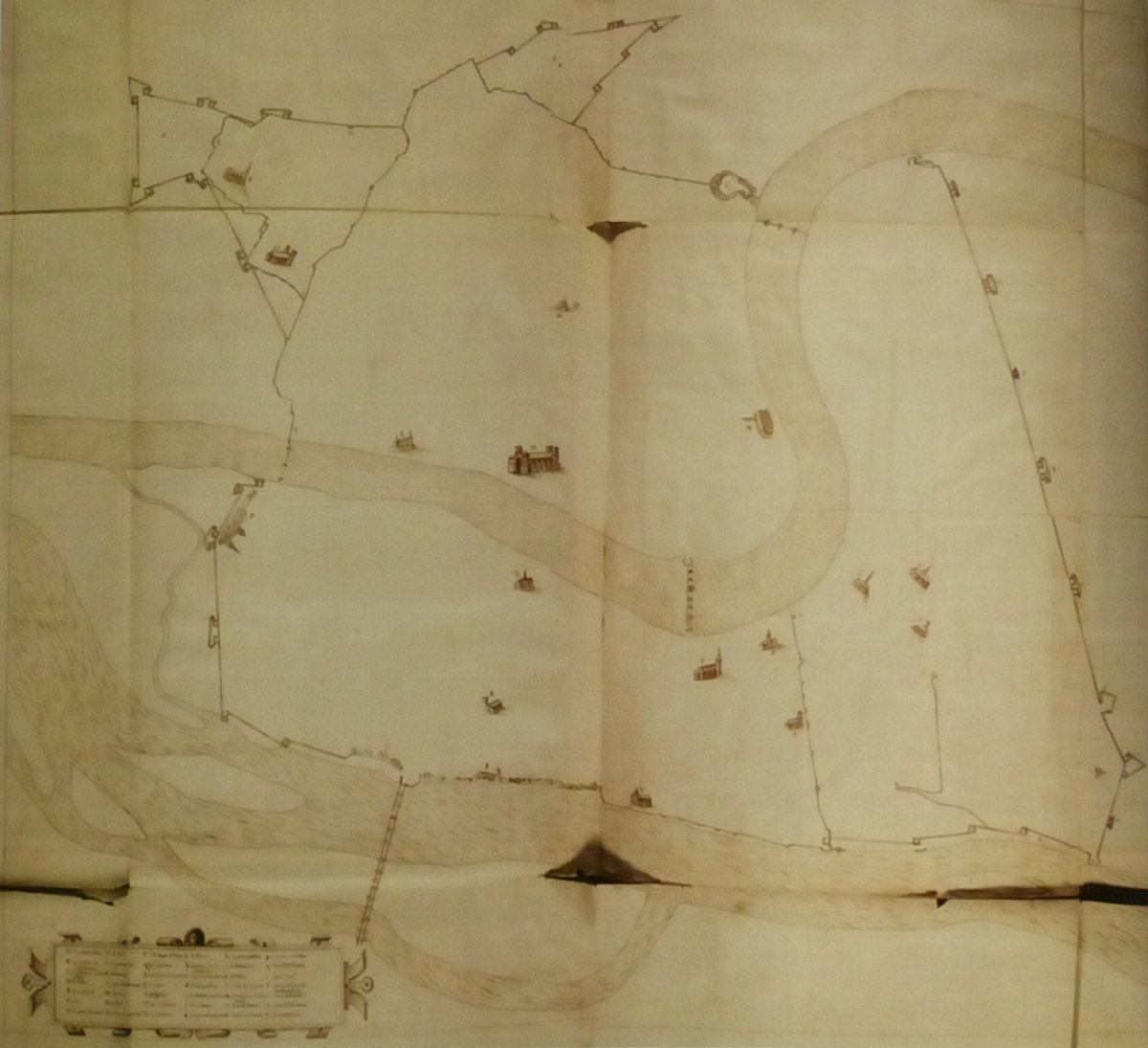
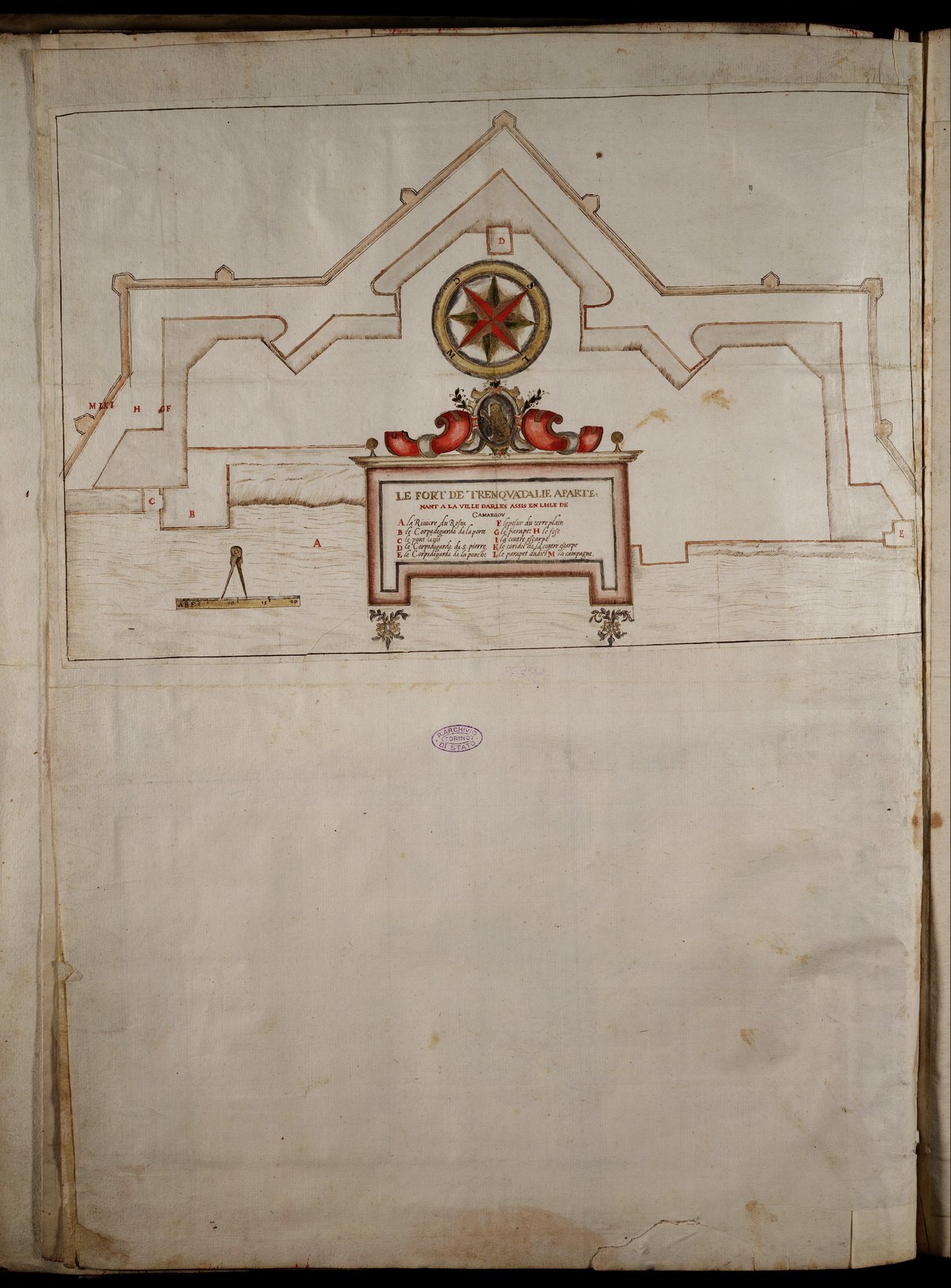
The ASTo traces its roots to the 12th century as the “tesoro” (treasure) of documents belonging to the Counts of Savoy. The first organized archive is documented from the 14th century in Chambéry, then the Savoyard capital. Political, legal, and financial documents laid the foundation for its future expansion.
Savoy Dynasty and the Move to Turin:
In the 16th century, the House of Savoy relocated its capital to Turin, bringing the archive and its dynastic records. This move aligned the archive’s growth with the region’s increasing political significance, particularly in the context of Italian unification.

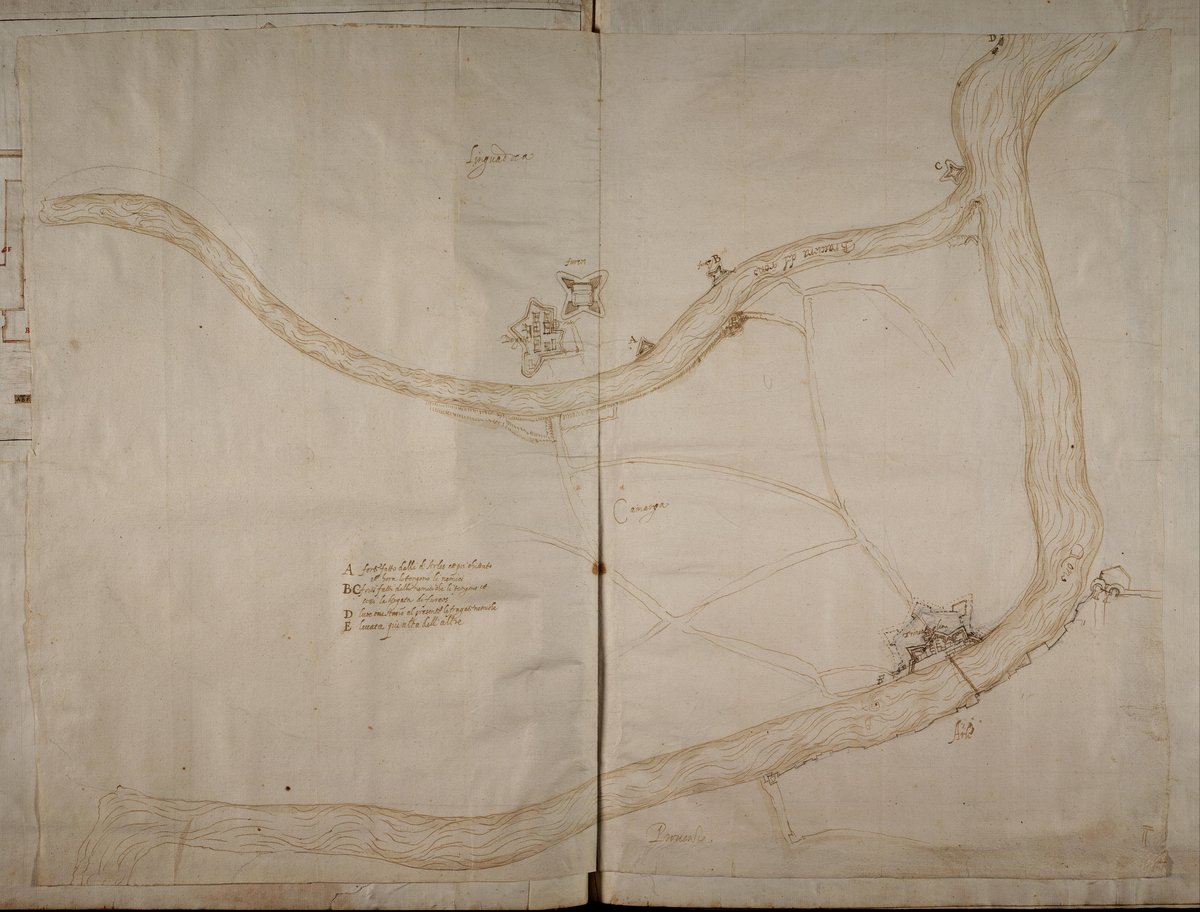
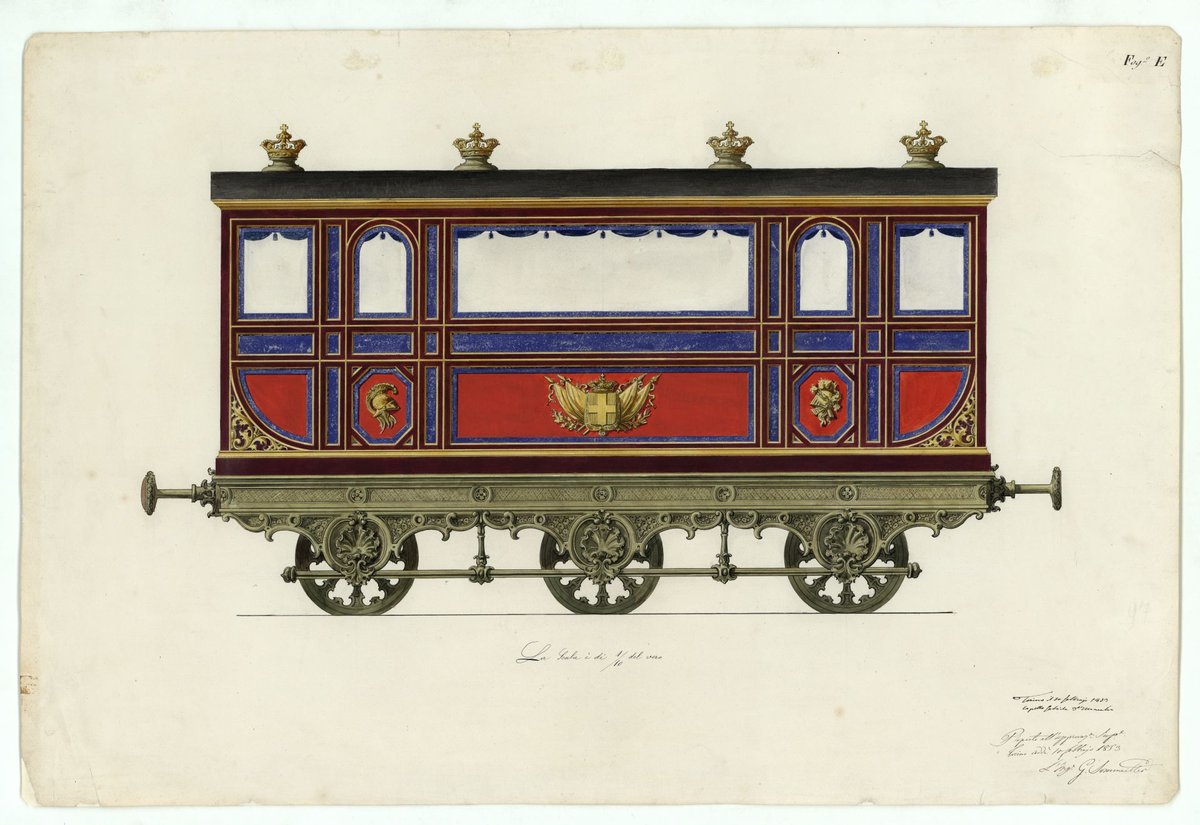
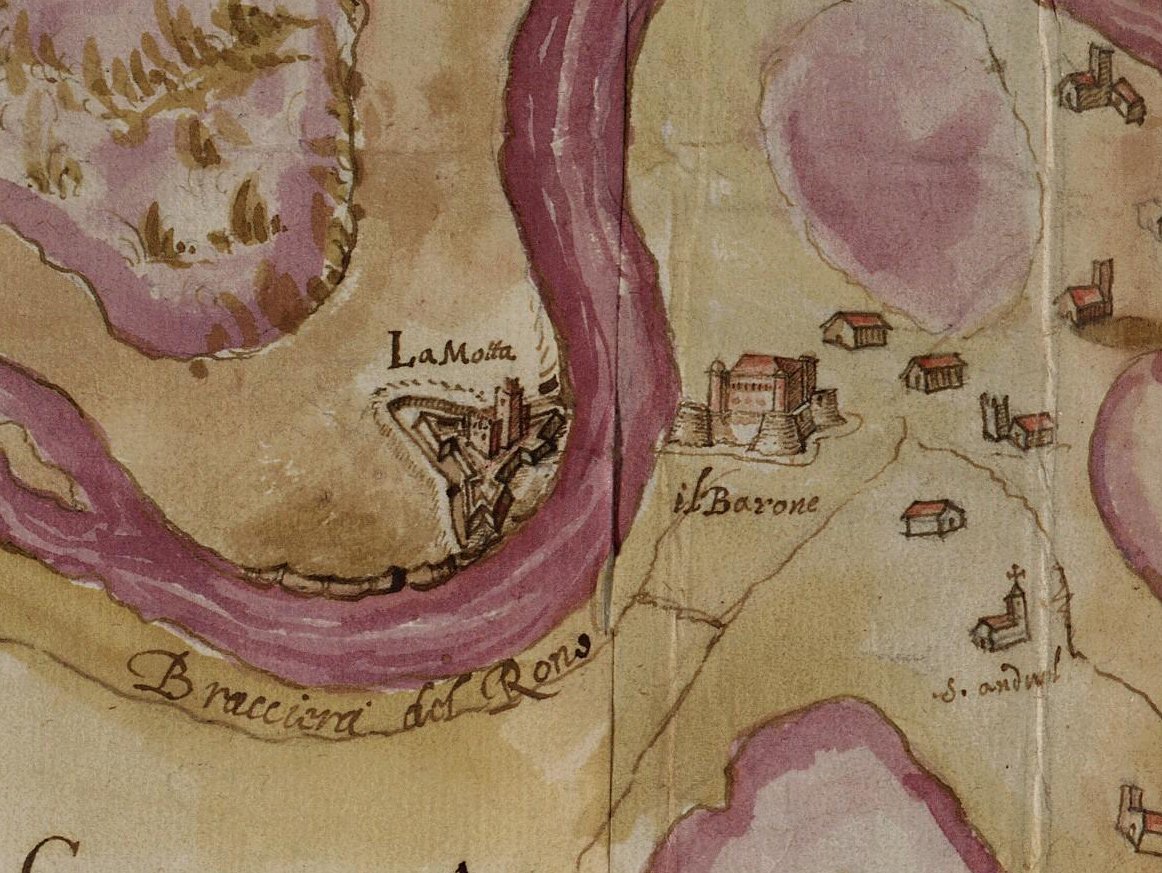
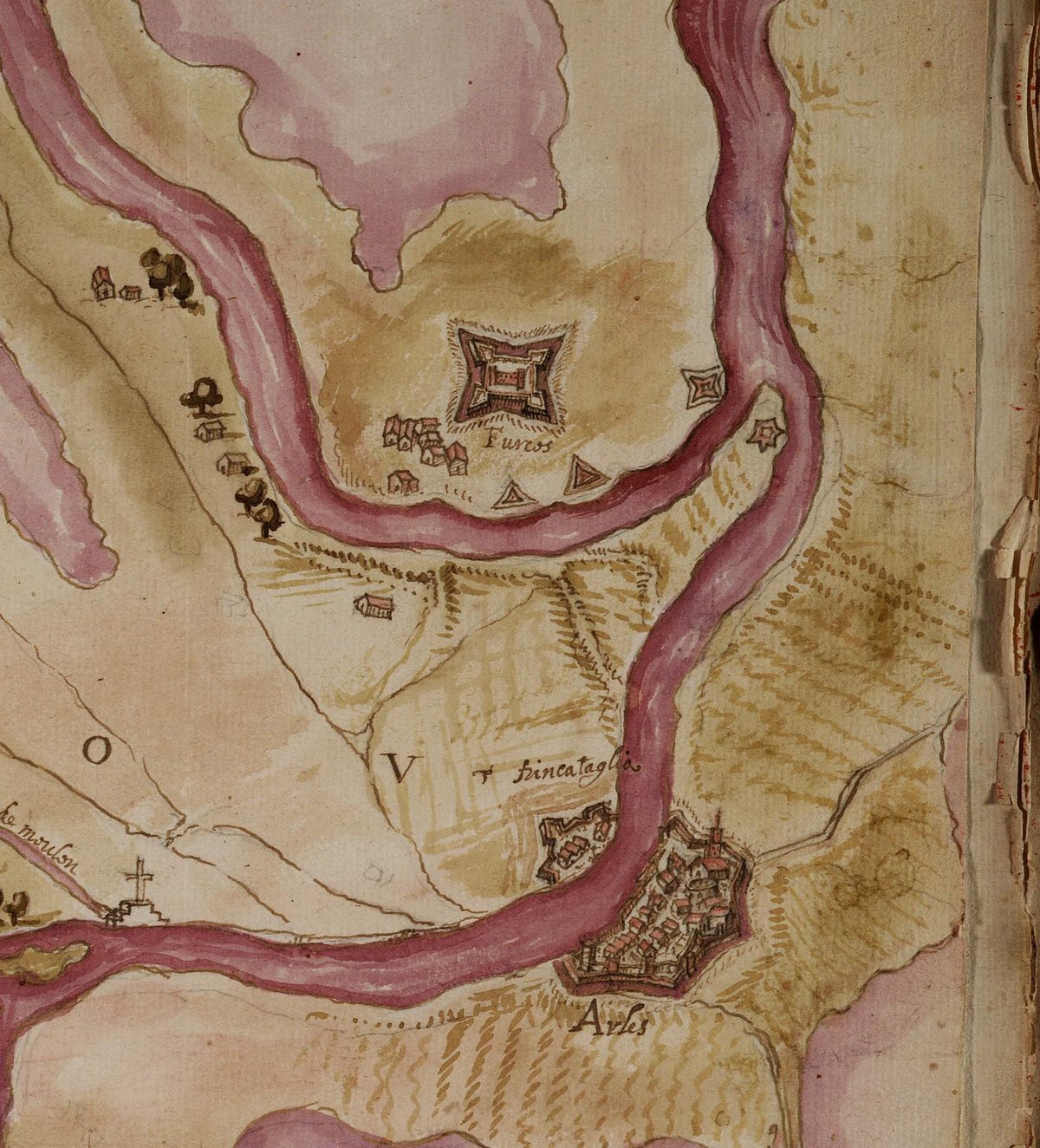
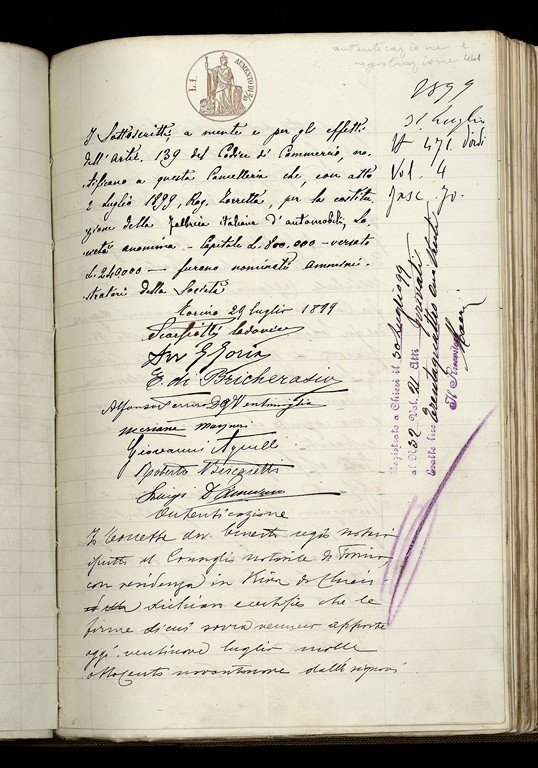
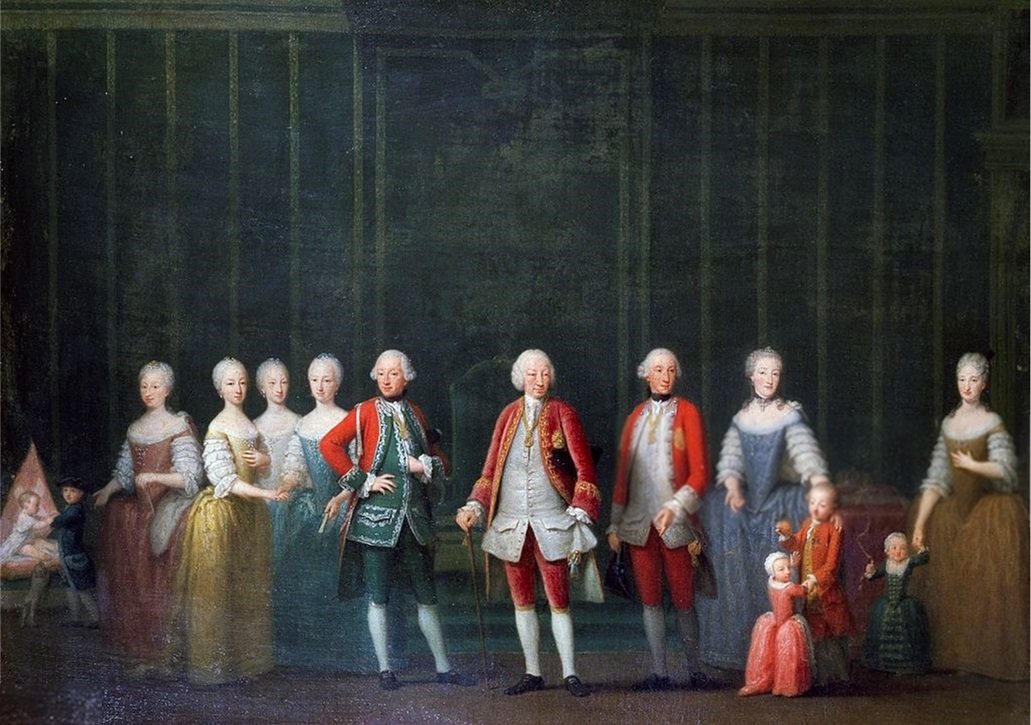
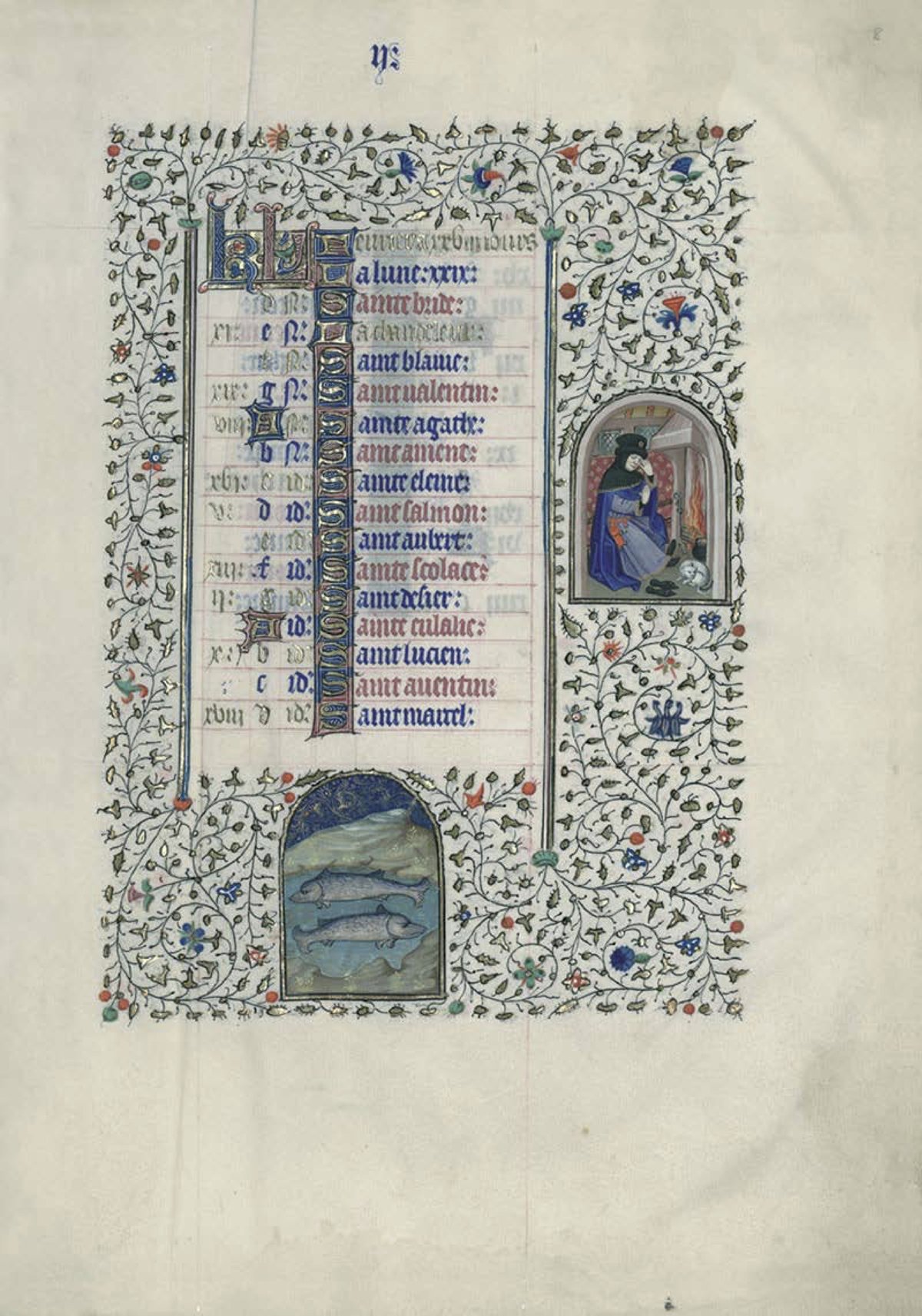
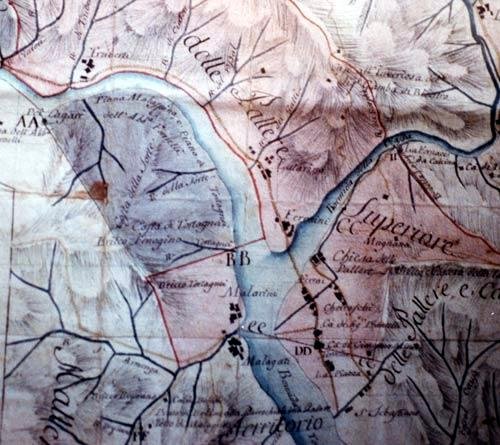
Architectural and Cultural Significance
Architectural Innovation
The Sezione Corte at Piazza Castello 209, designed by Filippo Juvarra (1731–1733), was among the first purpose-built archival buildings in Europe (Italy for Movies). Juvarra’s Baroque design featured monumental facades and carefully engineered interior spaces for document preservation. Its proximity to the Royal Palace symbolized the monarchy’s central authority and the archive’s role as the guardian of dynastic memory (digi-archives.org).
Expansion and Adaptation:
By the 20th century, expanding collections necessitated a second site, the Sezioni Riunite at Via Piave 21, adapted from the neoclassical San Luigi Gonzaga Hospital. Collectively, these sites now preserve more than 80 linear kilometers of documents spanning twelve centuries (de.wikipedia.org).
UNESCO Recognition:
The archive is an integral part of the Savoyard palaces recognized as a UNESCO World Heritage Site, reflecting its architectural, historical, and urban value (UNESCO Residenze Sabaude).
Cultural Importance
Guardian of Memory:
ASTo safeguards foundational documents such as the 726 CE founding charter of the Abbey of Novalesa and the Statuto Albertino, the constitution that helped shape modern Italy. Its holdings reflect political, social, and economic developments across centuries (digi-archives.org).
Access and Democratization:
Since 1723, the archive has promoted public access to documents. The Statuto Albertino (1848) expanded this, transforming it into a national resource. Today, ASTo supports scholarly research, genealogy, and public inquiry.
Educational and Cultural Engagement:
ASTo hosts exhibitions, lectures, and events such as the “Queen Experience” and the annual “Notte degli Archivi,” linking archival preservation with contemporary culture (RBE.it). Its Scuola di Archivistica, Paleografia e Diplomatica, founded in 1826, continues to train generations of archivists (de.wikipedia.org).
International and Regional Research Hub:
With records relevant to Italy, France, Switzerland, and beyond, ASTo is a vital resource for the study of the Western Alps and broader European history.
Visiting Hours, Tickets, and Accessibility
Main Sites:
- Sezione Corte: Piazza Castello, 209
- Sezioni Riunite: Via Piave, 21
Visiting Hours:
- Monday to Friday: 9:00 AM – 2:00 PM
(Some services may extend to 5:00 PM; check the official website for updates.)
Admission:
- Free for all visitors, including researchers and educational groups.
- Certain exhibitions or special events may require tickets; inquire in advance.
Accessibility:
- Both sites are wheelchair accessible and provide resources in Italian Sign Language (LIS).
- Advance notice is appreciated for visitors needing assistance.
How to Get There:
- Centrally located in Piazza Castello, easily reachable by public transport (nearest metro: Porta Nuova) and various bus/tram lines.
- Parking is limited, but nearby public garages are available.
Educational Programs and Cultural Events
Didactic Section:
ASTo’s dedicated educational team offers free, structured visits for school groups, educators, and the public (Musei Scuola). Guided tours last 90–120 minutes and can be tailored to different ages.
Multidisciplinary Pathways:
Freely downloadable didactic materials support archival literacy and civic education, covering topics from natural disasters to social rights (Didattica ASTo).
Interactive Digital Resources:
Role-playing games and thematic paths engage students in historical analysis. Many archival materials are accessible online for remote learning and research (ASTo Home).
Public Events:
Annual events such as Festa della Musica (June 21, 2025) and Notte degli Archivi offer concerts, extended opening hours, and unique behind-the-scenes experiences (ASTo News). Temporary exhibitions creatively connect archival heritage to contemporary themes (Mollino//Politecnico).
Collaboration with Schools:
Customized educational materials and workshops are available for teachers, enhancing curriculum integration and archival research skills (Crescere in Città).
Visitor Tips and Nearby Attractions
Travel Tips:
- Book guided tours or educational visits in advance, especially for group activities.
- Combine a visit to ASTo with nearby sites such as the Royal Palace, Museo Egizio, Palazzo Madama, and Turin Cathedral.
- Check the website for updated visiting hours and special event schedules.
Nearby Attractions:
- Palazzo Reale di Torino: The former royal palace and museum.
- Museo Egizio: One of the world’s foremost Egyptian museums.
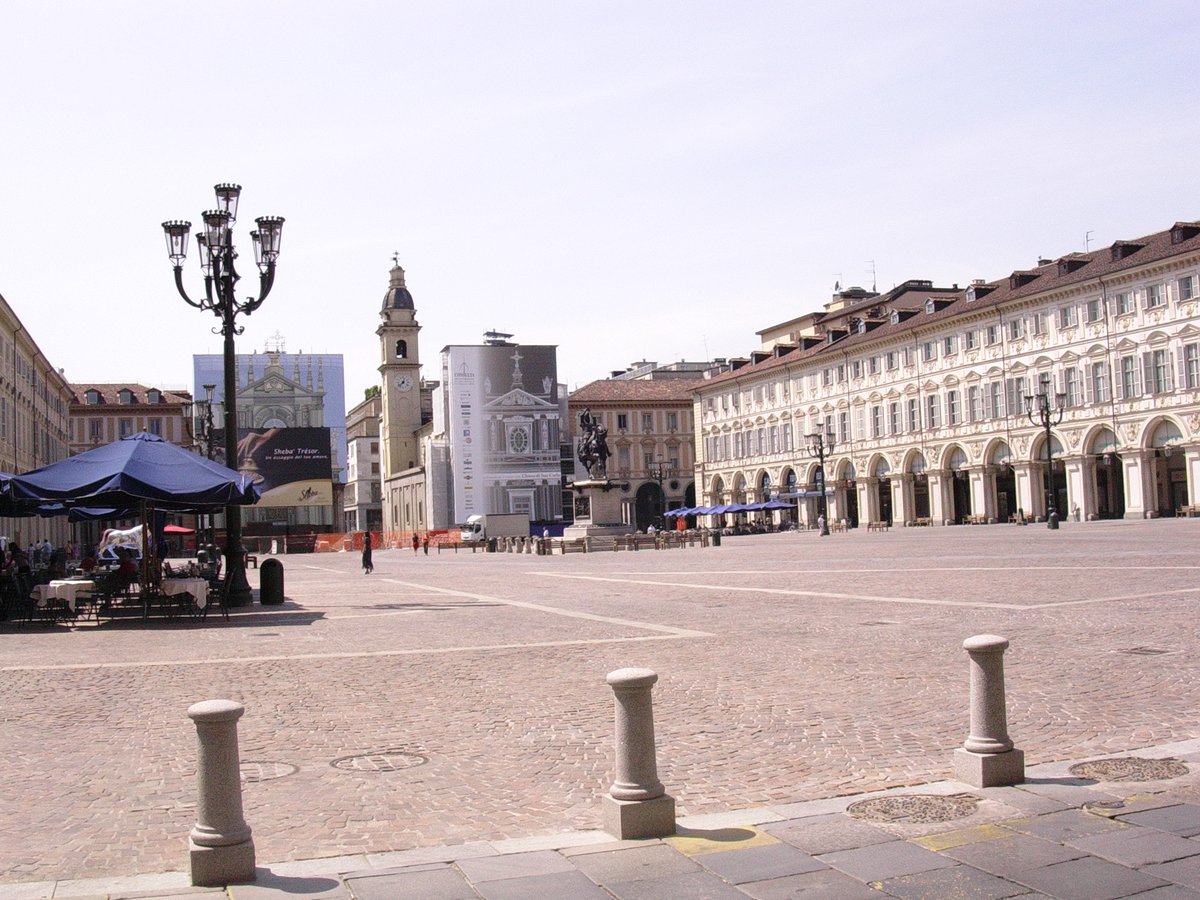
- Piazza Castello: The city’s main square, home to several cultural landmarks.
- Duomo di Torino: The Turin Cathedral, famous for housing the Shroud of Turin.
Frequently Asked Questions (FAQ)
Q: What are the visiting hours of the Archivio di Stato di Torino?
A: Monday to Friday, 9:00 AM to 2:00 PM (some services may extend to 5:00 PM; check the website for current times).
Q: Is there an entrance fee?
A: Admission is free; some events or exhibitions may require tickets.
Q: Are guided tours available?
A: Yes, guided tours and educational activities can be booked in advance.
Q: Is the archive accessible for people with disabilities?
A: Yes, both main sites are accessible and provide additional support on request.
Q: Can I take photos inside the archive?
A: Photography policies vary by area and event; ask staff for guidance.
Q: How can I access digital resources?
A: Many collections and didactic materials are available online via the ASTo portal.
Tickets & tours.
These are guided options from our partners — same price as booking direct.
Prices are indicative — final pricing and availability are confirmed at checkout. Audiala may earn a commission from bookings made through these links.
Listen to the full story in the app
The whole Archivio Di Stato Di Torino,
told well.
Audio guides for 1,100+ cities across 96 countries. History, stories, and local insight — offline ready.
Verified, and shown.
Researched and written by the Audiala editorial team from historical records, architectural archives, and local expertise.
Researched from Wikidata, Wikipedia & official sources · fact-checked · How we make our guides →