Plan and listen to Ligny Tower with Audiala.
Audio guide in your pocket, itinerary in your browser. Built for the way you actually visit.
Introduction
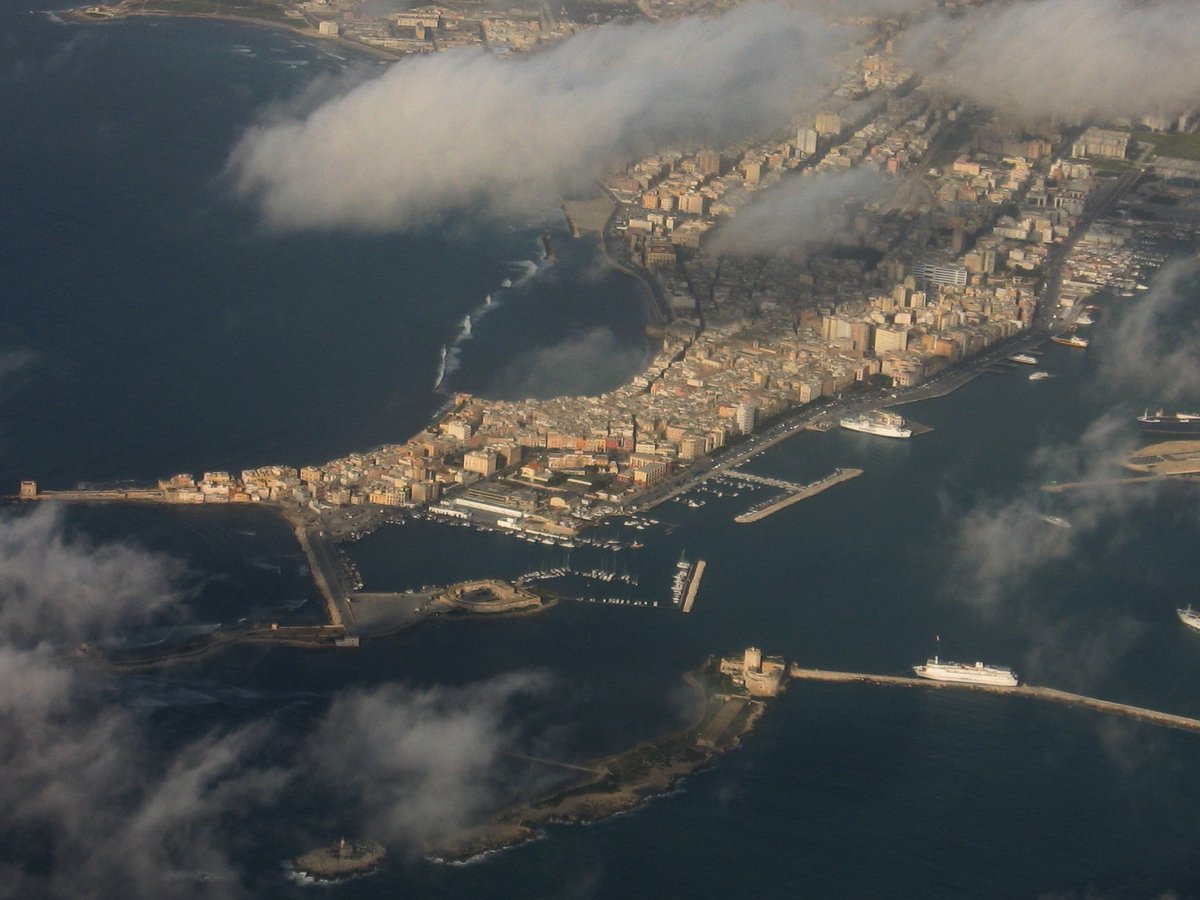
Ligny Tower (Torre di Ligny) stands as a remarkable symbol of Trapani’s maritime heritage and cultural identity. Situated dramatically where the Tyrrhenian and Mediterranean Seas meet at Trapani’s north-western tip, this 17th-century fortress was constructed (1671–1672) under Claude Lamoral, 3rd Prince of Ligne, then Viceroy of Sicily, and designed by Flemish engineer Carlos de Grunenbergh. Originally a strategic bastion against Barbary pirates and Ottoman incursions, Ligny Tower protected Trapani’s vital salt, tuna, and wine trades (Wikipedia; Italia.it).
Over time, the tower evolved: from a defensive stronghold to a semaphore station, and later, an anti-aircraft post during World War II. Its robust, quadrangular structure—built of local calcarenite and tufa stone with signature corner turrets—reflects both military precision and architectural elegance (EsploraSicilia; West of Sicily). After decades of neglect, it was restored and, in 1983, opened as the Museo Civico Torre di Ligny, now home to a fascinating collection of archaeological artifacts chronicling Trapani’s seafaring past (Turismo Trapani; Trapani Tourism Official Site).
Today, Ligny Tower offers visitors carefully curated exhibitions across multiple floors and a panoramic rooftop terrace with breathtaking 360-degree views, making it a highlight for history lovers and photographers alike (WhichMuseum; Salt in Our Hair). It also serves as a venue for local festivals, workshops, and cultural events, connecting Trapani’s historical legacy with its vibrant present (La Sicilia in Rete; Adventure Backpack). This guide provides everything you need to plan your visit—from history and architecture to practical tips and cultural highlights.

Historical Context
Construction and Strategic Role
Commissioned in 1671 by Claude Lamoral, 3rd Prince of Ligne, Ligny Tower was designed as a critical defense against Barbary corsairs and other maritime threats to Trapani’s prosperous coastal trade (Wikipedia; SpottingHistory). The tower was completed in just over a year, reflecting the urgency of its purpose. Its location on a narrow promontory provided visibility and signaling capacity along Sicily’s vulnerable western shore (EsploraSicilia).
Later Uses and Restoration
Ligny Tower adapted over the centuries: functioning as a semaphore station, lighthouse, and during WWII, as an anti-aircraft post (Italia.it; West of Sicily). After a period of neglect, restoration began in 1979 under architect Francesco Terranova. In 1983, it reopened as the Museo Civico Torre di Ligny, preserving artifacts and stories from Trapani’s maritime and archaeological heritage (Turismo Trapani).
Architectural Features
Design, Materials, and Layout
Ligny Tower’s striking geometry is both functional and aesthetic. Its quadrangular base, scarped walls of calcarenite and tufa stone, and four corner turrets originally held lanterns for coastal signaling (Wikipedia; Turismo Trapani). A stepped foundation anchors the structure on rocky ground, while the thick angled walls were built to withstand cannon fire. Inside, an original stone staircase leads visitors through exhibition halls, culminating in the rooftop terrace with sweeping views (EsploraSicilia).
Visiting Ligny Tower
Hours and Tickets
- Typical Hours: Tuesday to Sunday, 10:00–13:00 and 16:00–19:00 (summer); closed Mondays and select holidays. Hours may vary seasonally—check the official website before your visit (Trip.com).
- Tickets: Adults €3–5; discounts for students, seniors, and groups; free for children under 6 and Trapani residents. Tickets are available on-site or online.
Accessibility
The tower’s historic design involves steep, narrow stairs and uneven floors, limiting accessibility for those with mobility challenges. Assistance is available on request (WhichMuseum).
Travel Tips
- Wear sturdy shoes for the rocky breakwater and stairs.
- Carry water and sun protection, especially in summer.
- Visit during shoulder seasons (spring, fall) for fewer crowds and milder weather (Salt in Our Hair).
- Facilities are basic; restrooms are limited, and there is no on-site café or shop.
Getting There
Walk from Trapani’s old town along the scenic seafront promenade. Parking is available at Piazza Emanuele; beware of restricted traffic zones (ZTL) in the historic center (Sicily Visitor; Traveling Italian).
Nearby Attractions
- Mount Erice: Medieval town with panoramic views.
- Egadi Islands: Day trips by ferry.
- Trapani Old Town: Markets, historic churches, and local cuisine (Sicily Visitor).
Special Events and Photography
Ligny Tower frequently hosts temporary exhibitions, educational workshops, and community events, especially during Holy Week and the Feast of the Madonna di Trapani (Adventure Backpack). The rooftop terrace is renowned for sunset photography and panoramic shots of Trapani and the Egadi Islands.
Frequently Asked Questions (FAQ)
Q: What are Ligny Tower’s visiting hours?
A: Typically Tuesday to Sunday, 10:00–13:00 and 16:00–19:00. Hours may vary by season or event.
Q: How much are tickets?
A: Around €3–5 for adults, with discounts for students, seniors, and free entry for children under 6.
Q: Is Ligny Tower accessible for people with disabilities?
A: Accessibility is limited due to stairs and narrow spaces. Contact the museum for assistance.
Q: Are guided tours available?
A: Yes, often in Italian and English. Booking in advance is recommended.
Q: Can I take photographs inside?
A: Yes, especially from the rooftop terrace. Be mindful during busy events and respect preservation guidelines.
Listen to the full story in the app
The whole Ligny Tower,
told well.
Audio guides for 1,100+ cities across 96 countries. History, stories, and local insight — offline ready.
Verified, and shown.
Researched and written by the Audiala editorial team from historical records, architectural archives, and local expertise.
Ligny Tower. Wikipedia
Tower of Ligny
Torre di Ligny
Tower of Ligny
Museo Civico Torre di Ligny
Museo Civico Torre di Ligny Trapani
Trapani, Sicily Travel Guide
Museo Civico Torre di Ligny
Trapani Culture and Traditions
Cultural Events
Torre di Ligny - Museum of Prehistory and Archaeology
Museo Civico Torre di Ligny
Researched from Wikidata, Wikipedia & official sources · fact-checked · How we make our guides →