
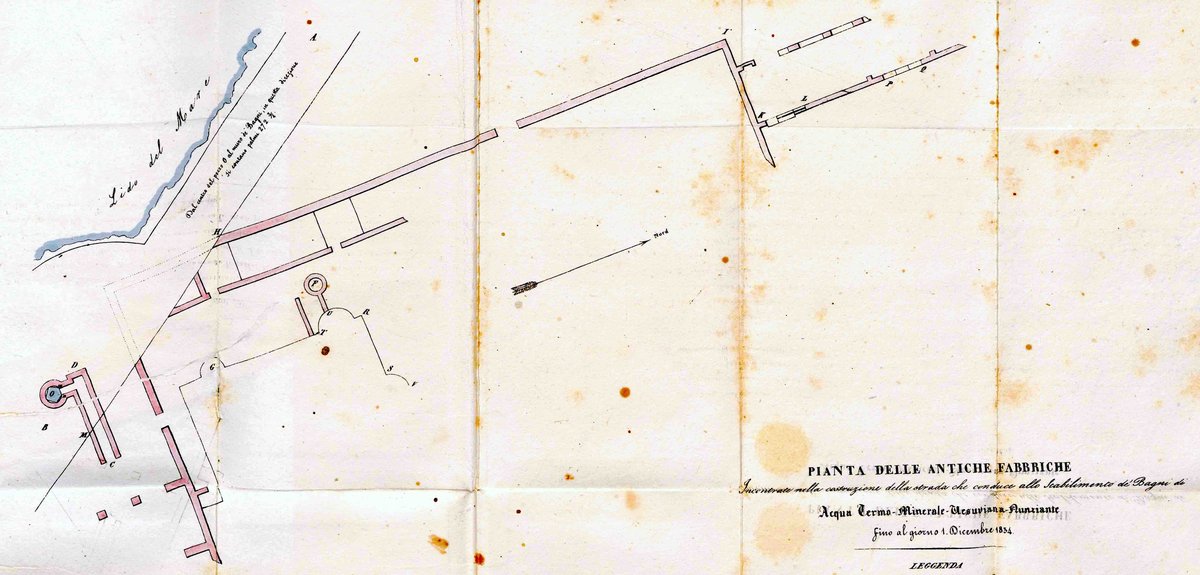
Historical Background and Significance
Unveiling the Mysteries of Torre Annunziata
Nestled under the shadow of the infamous Mount Vesuvius, Torre Annunziata is a treasure trove of history, intrigue, and vibrant culture. Imagine walking through a place where time seems to have paused since the Roman Empire, and everywhere you look, there's a story waiting to be uncovered.
Ancient Origins and the City of Oplontis
Picture this: a lavish Roman villa, its walls adorned with colorful frescoes, suddenly buried under volcanic ash. This is Oplontis, a suburban haven for Roman elites, now a mesmerizing archaeological site. Here, you'll find the grandeur of the Villa Poppaea, thought to belong to Poppaea Sabina, Nero's second wife. The villa's frescoes and mosaics are so well-preserved they practically transport you back to ancient times! (Pompeii Sites).
The Villa Poppaea
Think marble baths, opulent gardens, and a swimming pool that could rival any modern-day resort. The Villa Poppaea screams luxury. As you wander through its halls, imagine the elite Romans lounging around, their laughter echoing through time. Excavations even found tools and household objects, hinting at repairs from an earlier earthquake. Talk about a snapshot of history! (Atlas Obscura).
The Villa of Lucius Crassius Tertius
Not as grand but equally fascinating, the Villa of Lucius Crassius Tertius tells a story of ancient industry. Dating back to the 2nd century BC, this villa was a bustling hub for wine and oil production. Imagine the aroma of pomegranates used for leather tanning wafting through the air. It's a peek into the everyday hustle and economic activities of the past. (Atlas Obscura).
The Eruption of Mount Vesuvius
The eruption of 79 AD was a cataclysmic event that froze Torre Annunziata in time. Picture volcanic ash raining down, rooftops collapsing, and walls crumbling. This disaster, though tragic, preserved the city in stunning detail, offering us an unparalleled glimpse into Roman life. (Wikipedia).
Rediscovery and Excavations
Fast forward to the 18th century and the Bourbon period. Imagine the excitement of unearthing a city lost to time. Extensive excavations in the 19th and 20th centuries revealed Oplontis in all its glory. Now a UNESCO World Heritage Site, this area is a must-visit for history buffs and curious minds alike. (Britannica).
The Antiquarium Silio Italico
For a deeper dive into Torre Annunziata's past, head to the Antiquarium Silio Italico. Picture shelves lined with ancient pottery, sculptures, and coins. This museum is a treasure chest of artifacts that paint a vivid picture of daily life in ancient times. It's like stepping into a time machine! (Over Your Place).
The Modern Era and Industrial Development
As the centuries rolled on, Torre Annunziata transformed into an industrial powerhouse. Imagine the clanging of ironworks and the aroma of freshly made pasta from over sixty mills and factories. Known as the "Capital of White Art," this town was a hub of productivity and innovation. Today, it continues to thrive, blending its rich history with modern industry. (Terre Damare).
Environmental Sensitivity and Sustainability
Despite its industrial roots, Torre Annunziata is now a champion of environmental sustainability. Picture projects aimed at purifying the Sarno River and reducing marine pollution. It's a testament to the town's commitment to a greener future. (Terre Damare).
Cultural Significance and Local Traditions
Torre Annunziata is a vibrant tapestry of history and culture. Imagine the streets alive with the sound of Torrese dialect, a unique twist on Neapolitan. Festivals like the Festa di Sant'Antonio and the Festa Patronale fill the air with music, laughter, and the irresistible aroma of street food. It's a lively celebration of local traditions. (Over Your Place).
Visitor Tips for Exploring Torre Annunziata
Ready to explore? Here are some insider tips for an unforgettable visit:
- Archaeological Sites Grab a combined ticket for Oplontis, Herculaneum, and Pompeii. It's a historical trifecta you won't want to miss! (Atlas Obscura).
- Local Cuisine Dive into Neapolitan delights like pizza, seafood pasta, and sfogliatella. Pair it with local wine for a full-flavored experience. (Audiala).
- Beaches Bask in the sun at Lido di Castellammare or Lido Vesuvio. Picture-perfect views of the Tyrrhenian Sea await. (Over Your Place).
- Mount Vesuvius Hike up to the crater for a bird's-eye view of the landscape. It's a thrilling way to connect with the area's volcanic roots. (Over Your Place).
Main Attractions in Torre Annunziata
Welcome to Torre Annunziata, where history whispers through ancient ruins and the scent of freshly baked pizza fills the air. Did you know this charming Italian town was once the playground of Roman elites? Let's dive into the hidden gems and vibrant culture that make Torre Annunziata an unforgettable destination!
Villa Oplontis (Villa Poppea)
The Villa Oplontis, or Villa Poppea, is like stepping into a time machine straight to Roman luxury. Believed to have belonged to Emperor Nero's second wife, Poppaea Sabina, this villa offers a peek into the opulent lifestyle of ancient elites. Marvel at the well-preserved frescoes and intricate mosaics that tell tales of mythological scenes and beautiful landscapes. Wander through the extensive gardens, thermal baths, and luxurious living quarters that scream architectural brilliance of the Roman era. It's part of the UNESCO World Heritage sites of Pompei, Herculaneum, and Torre Annunziata (UNESCO World Heritage).
Archaeological Park of Pompeii
A stone's throw from Torre Annunziata, Pompeii is an absolute must-see. Buried under volcanic ash during the eruption of Mount Vesuvius in AD 79, this ancient city is a snapshot of Roman life frozen in time. Highlights include the Forum, the Amphitheatre, and the House of the Faun, home to mesmerizing mosaics. Don't miss the Villa dei Misteri, with its intriguing frescoes depicting Dionysian rituals (Wanderlog).
Antiquarium Silio Italico
Step into the Antiquarium Silio Italico and discover a treasure trove of ancient artifacts. This museum showcases pottery, sculptures, and everyday items from the region, painting a vivid picture of daily life in ancient times. The stunning frescoes and mosaics make it a must-visit for art lovers (Over Your Place).
Basilica Santuario dei Santi Patroni
A blend of Renaissance and Baroque styles, the Basilica Santuario dei Santi Patroni is a feast for the eyes. Adorned with intricately carved marble and impressive artwork, this sacred space is a cultural and religious gem. Take a moment to admire the detailed craftsmanship and soak in the serene atmosphere dedicated to the town's patron saints (Over Your Place).
RenaNera Beach
Dreaming of a coastal escape? RenaNera Beach, with its unique black volcanic sand and crystal-clear waters, is the place to be. Perfect for sunbathing and swimming, this beach offers a tranquil retreat. Enjoy nearby amenities like beach clubs and restaurants for a day of leisure (Wanderlog).
Rock of Rovigliano
The Rock of Rovigliano is a small islet off the coast, steeped in local legend and mystery. Some say it was once a temple dedicated to Hercules. Accessible by boat, this rugged landmark offers panoramic views of the coastline and a touch of adventure (Atlas Obscura).
Real Fabbrica d'Armi
History buffs, rejoice! The Real Fabbrica d'Armi, or Royal Arms Factory, played a crucial role during the Bourbon period. Explore the complex's buildings and workshops to learn about weapon manufacturing processes and the site's historical significance. The factory's architecture and industrial heritage are a fascinating dive into the past (Wanderlog).
Museo Dell'Identità
The Museo Dell'Identità, or Museum of Identity, is a cultural treasure chest. Delve into exhibits covering local history, traditional crafts, folklore, and the town's development. Interactive displays and multimedia presentations make it an engaging experience for all ages (Wanderlog).
Stadio Giraud
Calling all sports enthusiasts! Stadio Giraud, home to the local football team Savoia 1908, hosts various sporting events. Experience the vibrant sports culture of Torre Annunziata by attending a match or event and mingling with the locals (Wanderlog).
Palazzo Criscuolo
Palazzo Criscuolo, the elegant town hall, is a slice of history. With its ornate facades and beautifully decorated interiors, this historic building offers exhibits and displays that narrate its significance. Explore the public areas and immerse yourself in its grandeur (Wanderlog).
Local Festivals and Events
Torre Annunziata knows how to celebrate! The Feast of the Assumption on August 15th features a colorful procession with traditional music and dance. In February, the Torre Annunziata Carnival dazzles with vibrant costumes, parades, and street performances. Jazz lovers, mark your calendars for the Torre Annunziata Jazz Festival, attracting musicians from around the globe (Over Your Place).
Visitor Tips
- Weather Torre Annunziata enjoys a Mediterranean climate. The best time to visit is during spring and autumn when the weather is pleasant, and the crowds are fewer (Wanderlog).
- Transportation Well-connected by trains and buses, and renting a car is a great option for exploring the surroundings.
- Local Cuisine Indulge in freshly caught seafood and traditional Neapolitan pizza. Savor a traditional Italian espresso at a local café (Over Your Place).
- Respect for Heritage Respect historical sites and avoid damaging artifacts or structures. Recent vandalism incidents have led to stricter penalties (Smithsonian Magazine).
By exploring these attractions and embracing the local culture, visitors to Torre Annunziata can enjoy a rich and memorable experience in this charming Italian town.
Cultural Insights and Local Traditions in Torre Annunziata
Discover the Enchanting Spirit of Torre Annunziata
Welcome to Torre Annunziata, where every cobblestone whispers tales of ancient Rome, and every corner hides a delightful surprise. Picture yourself wandering through a charming town in the heart of the Campania region of southern Italy, where history, culture, and local traditions blend seamlessly to create an unforgettable experience.
Local Culture and Historical Significance
Torre Annunziata, a town bursting with charisma, invites you to dive into its rich past. Imagine strolling through streets where ancient Roman influences still linger. A must-see is the Antiquarium Silio Italico, a treasure chest of ancient artifacts and archaeological wonders. Feast your eyes on stunning frescoes and intricate mosaics that vividly paint the town's historical canvas.
Art aficionados, rejoice! The Casa del Citarista awaits you with its exquisite Roman wall paintings. Step inside this historic gem and let the well-preserved frescoes transport you to a world where mythology and daily life come alive in vivid colors.
Architectural Marvels
Prepare to be awestruck by the architectural splendors of Torre Annunziata. The Basilica Santuario dei Santi Patroni is a masterpiece that fuses Renaissance and Baroque styles. As you gaze at its intricately carved marble and impressive artwork, you'll feel like you've stepped into a living, breathing work of art.
But the crown jewel of Torre Annunziata's archaeological sites is the Villa Poppaea, a grandiose maritime residence believed to have been owned by Poppaea Sabina, Emperor Nero's second wife. Marvel at the frescoes that create the illusion of doors, colonnades, and gardens, offering a tantalizing glimpse into the opulent lifestyle of the Roman elite.
Customs and Daily Life
In Torre Annunziata, life flows with a rhythm that's both timeless and heartwarming. The locals greet you with open arms and a warm smile, making you feel like part of their extended family. Family bonds run deep here, and you'll often see multiple generations coming together for meals and celebrations.
Coffee culture reigns supreme in Torre Annunziata. Picture yourself savoring a traditional Italian espresso at a local café, the rich aroma mingling with the sound of leisurely conversations. Meals are a time for joy and connection, and you'll have the chance to indulge in local delicacies like freshly caught seafood and traditional Neapolitan pizza.
Festivals and Celebrations
Torre Annunziata knows how to throw a party! The town's vibrant festivals are a testament to its lively spirit. Join the exuberant crowd during the Feast of the Assumption on August 15th, where a colorful procession, traditional music, and dance fill the streets. Witness the locals proudly carrying an elaborate statue of the Virgin Mary, adorned with flowers and candles.
In February, the [Torre Annunziata Carnival](https://overyFebruary, the Torre Annunziata Carnival takes center stage. Imagine yourself amidst vibrant costumes, lively parades, and street performances that turn the town into a playground of music, laughter, and playful spirit.
For music lovers, the Torre Annunziata Jazz Festival is a must-attend event. Talented musicians from around the world gather to create an unforgettable experience, with performances held in various venues throughout the town.
Visitor Tips: Making the Most of Your Visit
Ready for an adventure? Here are some tips to ensure your visit to Torre Annunziata is nothing short of magical:
-
Plan Your Visit Around Festivals Enhance your experience by timing your visit with one of the town's vibrant festivals. The Feast of the Assumption in August and the Torre Annunziata Carnival in February are absolute highlights.
-
Explore the Archaeological Sites Immerse yourself in history at the Villa Poppaea and the Antiquarium Silio Italico. Take your time to admire the well-preserved artifacts and frescoes that tell the town's ancient stories.
-
Indulge in Local Cuisine Treat your taste buds to traditional Neapolitan dishes. Savor the flavors of freshly caught seafood, seafood pasta, and, of course, the iconic pizza. Pair your meal with a glass of local wine for an authentic dining experience.
-
Engage with Locals The warm-hearted residents of Torre Annunziata are known for their hospitality. Strike up conversations, join communal activities, and embrace local customs to fully immerse yourself in the town's culture.
-
Visit the Beaches Torre Annunziata boasts beautiful beaches along its coastline. Whether you prefer lounging on a sunbed or taking a refreshing swim in crystal-clear waters, the beaches offer a perfect retreat. Don't forget to indulge in some traditional Italian gelato as you enjoy the coastal views.
-
Explore the Old Town Lose yourself in the historic center of Torre Annunziata, a charming maze of narrow streets lined with colorful buildings. Discover picturesque piazzas, quaint shops, and hidden gems at every turn.
For a truly immersive experience, consider downloading the Audiala app. This app offers beautifully crafted audio guides that provide expert insights and uncover hidden gems, making it the perfect companion for curious travelers. Download Audiala before your visit and unlock the secrets and stories of Torre Annunziata.
Final Invitation to Explore with Audiala
As your journey through Torre Annunziata comes to a close, you're left with a profound sense of having walked through history's corridors and experienced the vibrant pulse of a town that beautifully marries its ancient past with its dynamic present. From the opulent halls of the Villa Poppaea to the bustling streets alive with local festivals, Torre Annunziata offers a tapestry of experiences that are both enriching and unforgettable. The town's commitment to environmental sustainability and its rich industrial history add layers of depth to your visit, making it more than just a historical site but a living, evolving community (Terre Damare). Whether you found yourself mesmerized by the intricate mosaics at Antiquarium Silio Italico, basking in the sun at RenaNera Beach, or savoring the local culinary delights, each moment in Torre Annunziata is a unique chapter in your travel story. Embrace the local customs, engage with the warm-hearted residents, and let the charm of this enchanting town linger in your memories. For an even deeper dive into the secrets and stories of Torre Annunziata, consider downloading the Audiala app. This tour guide app offers beautifully crafted audio guides that provide expert insights and uncover hidden gems, making it the perfect companion for curious travelers. Download Audiala before your visit and unlock the magic of Torre Annunziata in a way that only a local friend could guide you.