Plan and listen to Torre Milocca with Audiala.
Audio guide in your pocket, itinerary in your browser. Built for the way you actually visit.
Introduction
Torre Milocca, located in the tranquil countryside southwest of Syracuse, Sicily, is a remarkable symbol of the island’s layered history and rural heritage. This iconic landmark offers visitors the chance to explore not only an enduring architectural monument but also a living legacy that spans prehistoric settlements, medieval fortifications, and modern agricultural traditions. Whether you are passionate about history, culture, or nature, Torre Milocca provides a vivid gateway to Sicily’s multifaceted past and vibrant present (lasiciliainrete.it, La Nostra Terra, casalemilocca.it, en.wikipedia.org).
This guide details everything you need to plan a rewarding visit, including historical insights, visiting hours, ticketing, accessibility, travel tips, accommodation recommendations, and nearby attractions.
Prehistoric Roots and Early History
The area surrounding Torre Milocca has been inhabited since the Middle Bronze Age, evidenced by a nearby necropolis and the discovery of Mycenaean ceramics—highlighting ancient trade connections between Sicily and Greece (lasiciliainrete.it). These finds pre-date the Greek founding of Syracuse and underscore the region’s significance as a crossroads of Mediterranean civilizations.
Medieval Development and Feudalism
The present structure of Torre Milocca dates to the medieval and early modern eras, reflecting its role as a fortified watchtower within the feudal masseria (estate) system. Such towers were essential for protecting estates from raids, especially during periods of instability. The name “Milocca” is thought to derive from Arabic, referencing the area’s agricultural richness, while the tower’s defensive features—thick limestone walls, narrow windows, and raised entrances—exemplify typical Norman and later architectural strategies (La Nostra Terra).
Noble Stewardship and Resilience
The Montalto family, prominent Aragonese nobles, acquired Milocca in 1408 and maintained stewardship for over four centuries. Their coat of arms remains visible on the western façade, and a 1697 inscription commemorates the reconstruction following the devastating 1693 earthquake. The tower remained a symbol of feudal authority, rural security, and aristocratic continuity (La Nostra Terra).
Architectural Features and Restoration
Constructed from local limestone, Torre Milocca rises about 15 meters with robust defensive elements: barrel vaults, a raised entrance accessed by bridge, and iron-grated windows on the lower floors. The design evolved from a purely defensive stronghold to a noble residence and then to a center of agricultural management. In the 19th and 20th centuries, new owners modernized farming practices and preserved the tower’s historical character (casalemilocca.it). Recent restoration efforts have balanced historic integrity with sustainable landscaping and contemporary visitor amenities.
Visiting Torre Milocca: Hours, Tickets & Accessibility
Current Hours and Admission
- Opening Hours: Tuesday to Sunday, 9:00 AM – 6:00 PM (closed Mondays and select public holidays). Seasonal variations may apply—check in advance.
- Ticket Prices: Adults €8; students/seniors €5; children under 12 free.
- Ticket Purchase: Available onsite or online via the Syracuse Tourism website.
Accessibility
- Physical Access: The ground floor and some surrounding areas are accessible to visitors with limited mobility. Upper floors require stair climbing; wheelchair access is partial—please contact in advance for specific assistance.
- Guided Tours: Expert-led tours in Italian and English are available on select days; advance booking is recommended for groups and special events.
Getting There and Visitor Amenities
- Location: Approximately 7–10 km southwest of Syracuse city center, amidst olive groves and Mediterranean vegetation.
- Access: Best reached by car (parking available on-site). Limited public transport serves the area; taxis or guided tours provide convenient alternatives.
- Facilities: Restrooms, information panels, and shaded picnic areas are provided. No café or restaurant on-site—bring your own water and snacks.
Experience and Interpretation
Exploring the Tower
Visitors can ascend narrow stone stairs through historical storage rooms, living areas, and up to the rooftop terrace, which offers panoramic views of the Hyblaean hills and Ionian Sea. Interpretive displays illustrate the tower’s evolution from medieval bastion to modern estate, while artifacts and maps contextualize its role in Syracuse’s broader defensive network (Tourist Secrets).
Atmosphere
Set in serene countryside, Torre Milocca delivers a peaceful escape, with the scent of wild herbs and the sound of birdsong enhancing the visitor experience. Evening visits reward guests with golden sunset views.
Practical Travel Tips
- Best Times: Visit in April–June or September–October for mild weather and manageable crowds (The Travel Folk).
- What to Bring: Comfortable shoes, sun protection, water, snacks, and a camera.
- Safety: Supervise children, watch your step on staircases, and stay on marked paths.
Accommodation Near Torre Milocca
- Addauro Resort Syracuse: 4-star amenities, shuttle service, bicycle rentals, and on-site restaurant. Family-friendly and close to main attractions (Addauro Resort).
- B&B Dolce Casa: Bright rooms, authentic breakfasts, and proximity to the Ciane Spring and Neapolis Park (B&B Dolce Casa).
- Boutique Guesthouses: Options like Arete Guest House and Elsa D'Ortigia provide intimate stays with local character (Arete Guest House, Elsa D'Ortigia).
Tip: Book early, especially for the 2025 Jubilee, when visitor numbers are expected to increase (TravelAwaits).
Must-See Syracuse Historical Sites & Nearby Attractions
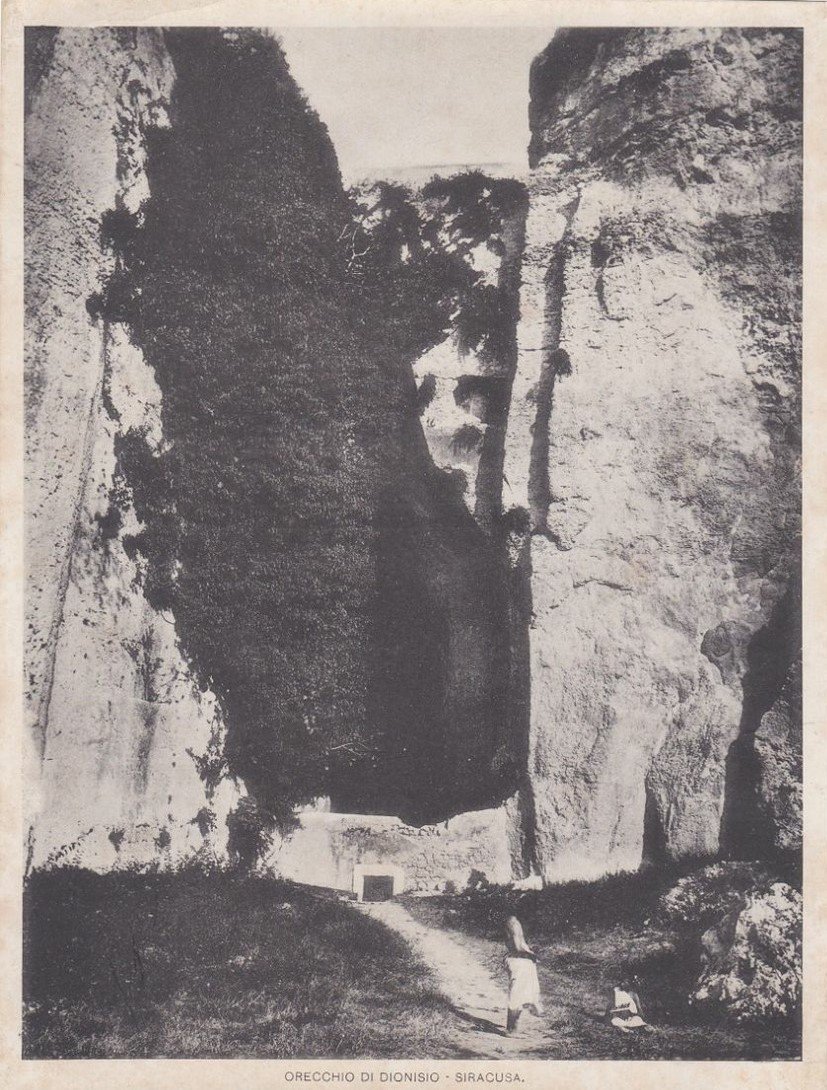
- Neapolis Archaeological Park: Home to the Greek Theatre, Roman Amphitheatre, and the Ear of Dionysius. Open daily, ticketed entry (Voyage Tips).
- Ortigia Island: UNESCO World Heritage Site with the Temple of Apollo, Piazza Duomo, and vibrant markets (Rachel IRL).
- Ciane River Nature Reserve: Famous for papyrus plants and kayak tours (Voyage Tips).
- Paolo Orsi Archaeological Museum: Extensive collection of Sicilian artifacts.
- San Giovanni Catacombs: Guided tours revealing early Christian burial sites.
Cultural Etiquette and Responsible Tourism
- Respect Local Customs: Greet locals, dress appropriately at religious sites, and learn basic Italian phrases.
- Sustainable Practices: Stay on marked trails, dispose of waste responsibly, and support local businesses.
- Heritage Preservation: Do not touch or remove artifacts, and respect restricted conservation areas.
Frequently Asked Questions (FAQ)
Q: What are Torre Milocca’s visiting hours?
A: Tuesday to Sunday, 9:00 AM – 6:00 PM; closed Mondays and select holidays.
Q: How much are tickets?
A: Adults €8, reduced €5, children under 12 free.
Q: Is the site accessible for people with disabilities?
A: Partial accessibility; upper levels require stairs.
Q: Are guided tours available?
A: Yes, in Italian and English; advance booking is advised.
Q: How do I get there?
A: By car (preferred), taxi, or limited public transport.
Q: Are there nearby attractions?
A: Yes, including Neapolis Park, Ortigia, and the Ciane River Nature Reserve.
Listen to the full story in the app
The whole Torre Milocca,
told well.
Audio guides for 1,100+ cities across 96 countries. History, stories, and local insight — offline ready.

Verified, and shown.
Researched and written by the Audiala editorial team from historical records, architectural archives, and local expertise.
Researched from Wikidata, Wikipedia & official sources · fact-checked · How we make our guides →