Plan and listen to Temple Of Apollo with Audiala.
Audio guide in your pocket, itinerary in your browser. Built for the way you actually visit.
Introduction to the Temple of Apollo
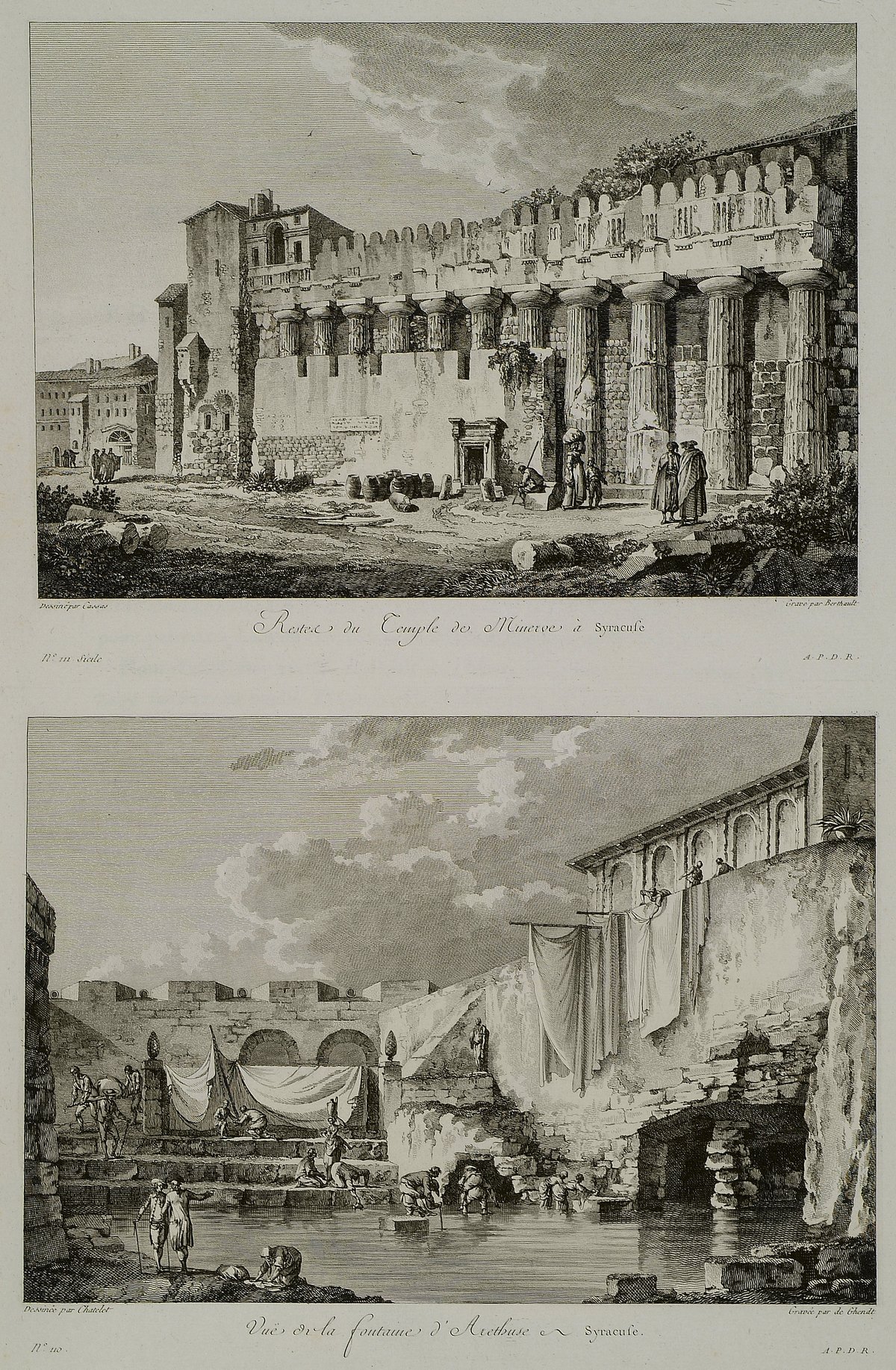
Nestled on the island of Ortygia, the Temple of Apollo in Syracuse, Sicily, stands as one of the earliest and most significant Doric temples in Italy. Constructed in the late 6th century BC, the temple is a monumental testament to Syracuse’s rich Greek heritage and architectural prowess. Its historical journey through various phases, from a site of worship to a Roman barracks, Christian church, and mosque, mirrors the city's diverse cultural transformations (Pleiades). This guide aims to provide a comprehensive overview of the temple’s historical significance, architectural marvels, and practical visiting tips to help enhance your experience of this ancient site.

Historical Background of the Temple of Apollo
Early Beginnings (6th Century BC)
The Temple of Apollo is believed to be the earliest Doric temple built in Sicily, dating back to the late 6th century BC. This period marked a time of great prosperity and expansion for Syracuse, a burgeoning Greek colony founded by settlers from Corinth. The temple’s construction, a monumental undertaking for its time, reflects the city’s growing wealth and devotion to Apollo, the Greek god of music, poetry, light, and prophecy.
Architectural Significance
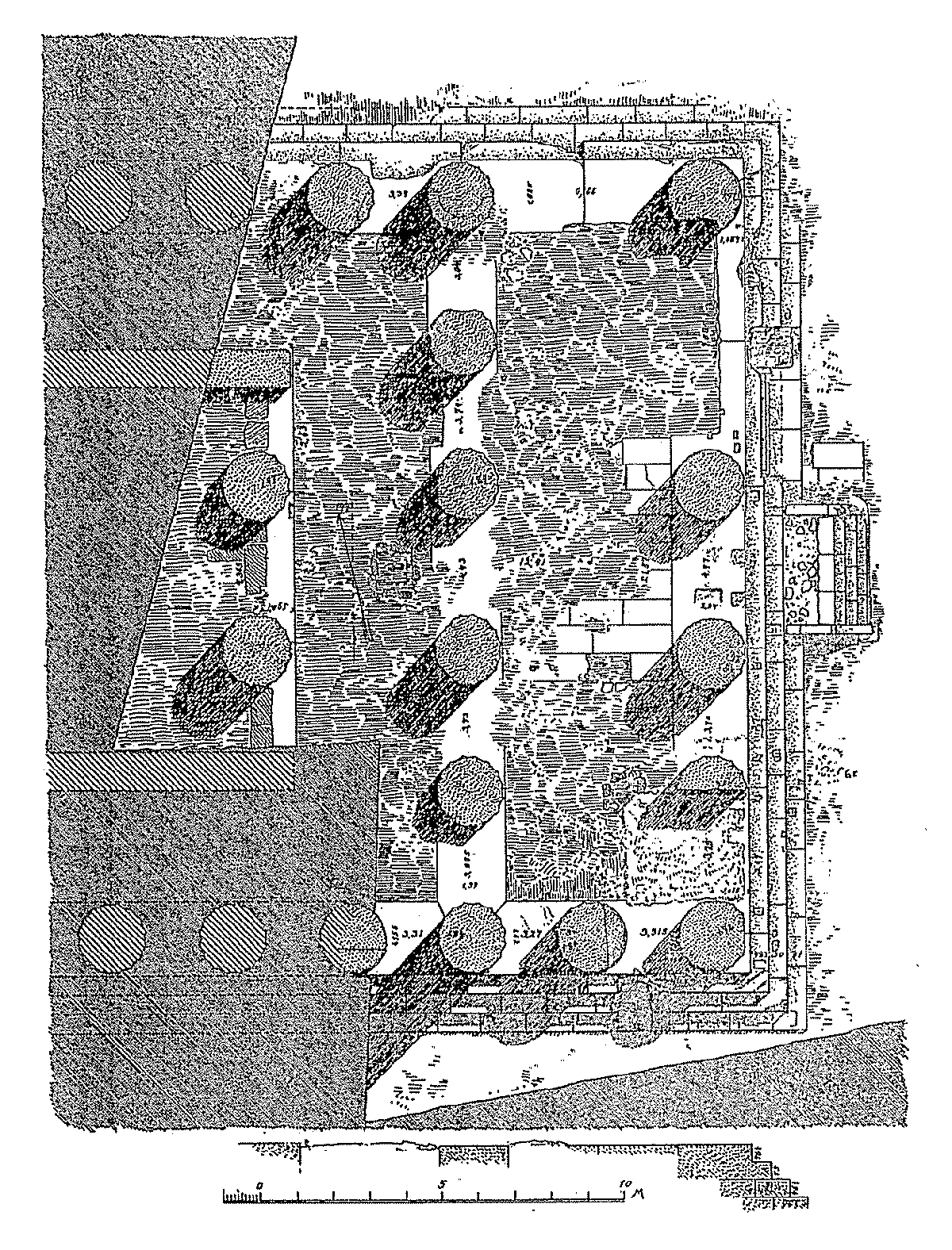
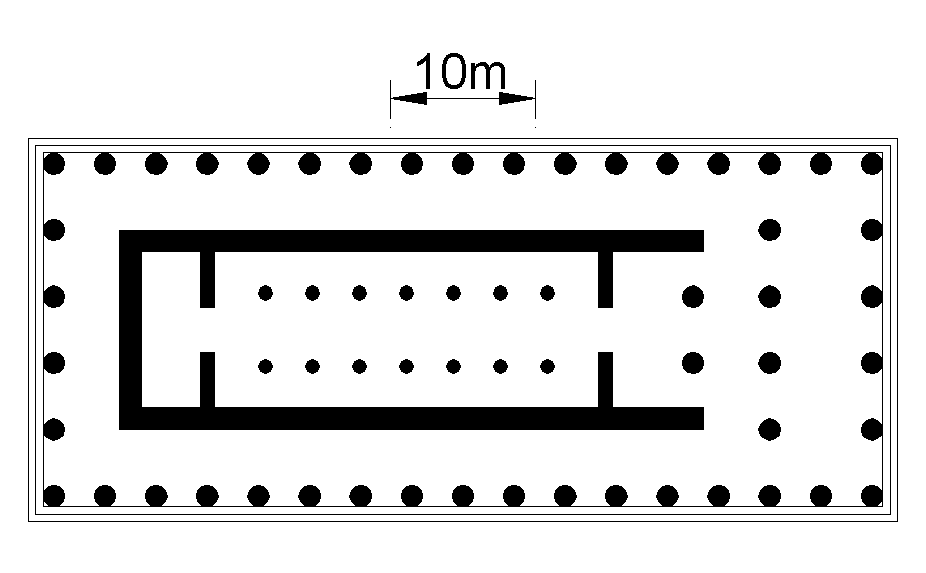
The temple’s design, a peripteral hexastyle structure, showcases the grandeur of Archaic Greek architecture. It featured a rectangular plan with a surrounding colonnade (peripteros) of six columns across the short ends (hexastyle). While only a few of these majestic Doric columns remain standing today, their massive size and simple yet elegant design offer a glimpse into the architectural prowess of the time.
An intriguing feature of the temple is the inscription on its steps, believed to be one of the earliest examples of the Greek alphabet in Sicily. The inscription, partially preserved, reads "This temple to Apollo (was dedicated by) the Selinuntines from the spoils of war." This suggests that the temple’s construction may have been financed by spoils from a victory over Selinus, a rival Greek city in Sicily.
Roman Rule and Transformation
With the Roman conquest of Syracuse in 212 BC, the Temple of Apollo underwent a significant transformation. The Romans, known for their pragmatism, repurposed the temple, incorporating it into their urban fabric. Over time, the temple served various functions, including a barracks for Roman soldiers, a Christian church, and even a mosque during the Arab period.
Rediscovery and Preservation
The Temple of Apollo lay buried and forgotten for centuries, hidden beneath layers of subsequent construction. It was only in the 19th century that archaeological excavations began to reveal the temple’s impressive ruins. These excavations, along with meticulous restoration efforts, have brought the Temple of Apollo back to light, allowing visitors to marvel at its enduring legacy.
Visiting Information
Visiting Hours
The Temple of Apollo is open to visitors from 9 AM to 7 PM daily. It is advisable to check for any changes in opening hours during holidays or special events.
Tickets and Guided Tours
Entry to the Temple of Apollo is free of charge. For a more enriching experience, consider joining a guided tour which provides detailed historical insights and narrations. Guided tours are available at various times throughout the day and can be booked online or at the site.
Travel Tips
- Best Time to Visit: The best time to visit is early morning or late afternoon to avoid the midday heat and crowds.
- What to Wear: Comfortable walking shoes and a hat are recommended as the site is exposed to the sun.
- Photography: The temple offers numerous photographic opportunities. The early morning light or sunset provides the best lighting for photos.
Nearby Attractions
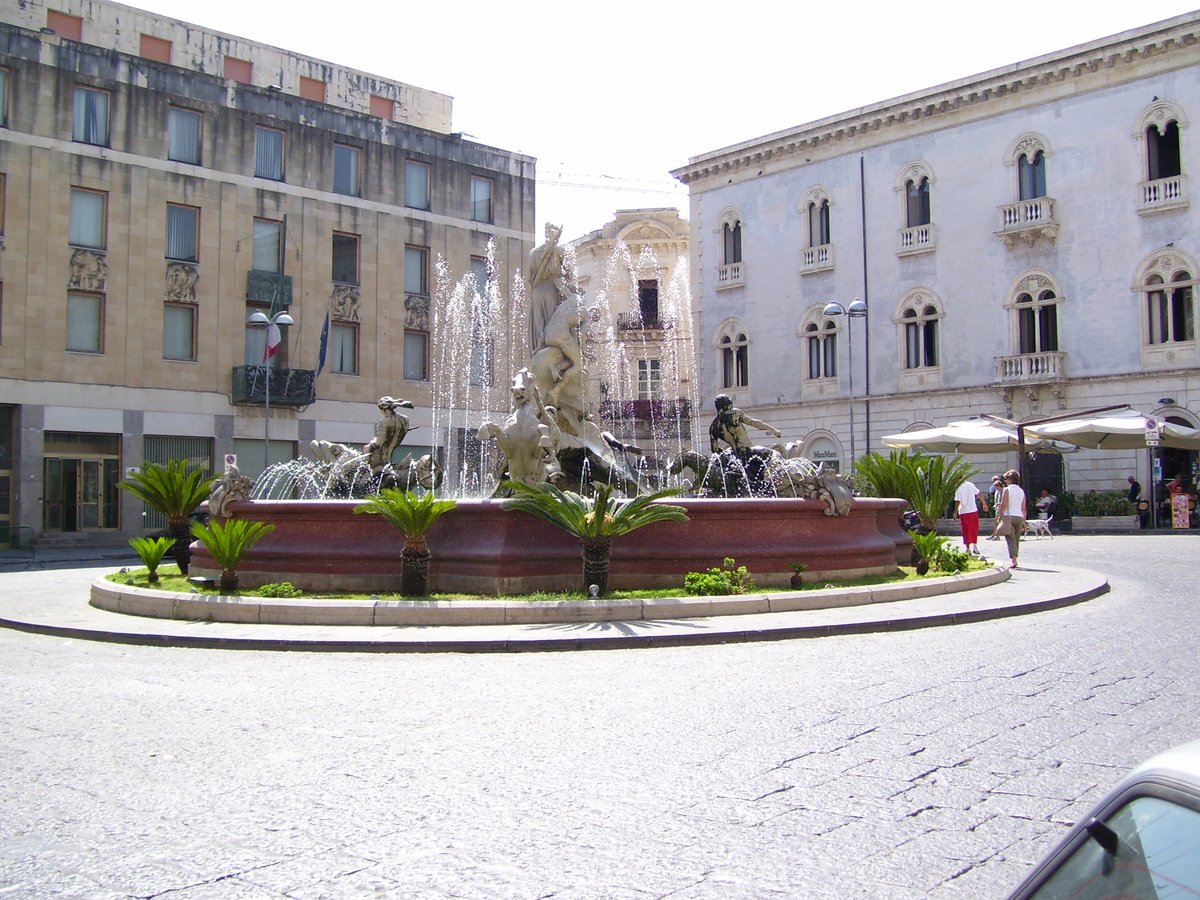
While in Ortygia, don’t miss other historical sites such as the Cathedral of Syracuse, the Fountain of Arethusa, and the Maniace Castle. These sites are within walking distance and offer a deeper understanding of Syracuse’s rich history.
Accessibility
The Temple of Apollo has pathways that are accessible to visitors with mobility challenges. However, some areas may be uneven due to the ancient ruins.
FAQ
What are the visiting hours for the Temple of Apollo?
- The temple is open daily from 9 AM to 7 PM.
How much are the tickets for the Temple of Apollo?
- Entry to the temple is free.
Are guided tours available?
- Yes, guided tours are available and can be booked online or at the site.
Tickets & tours.
These are guided options from our partners — same price as booking direct.
Prices are indicative — final pricing and availability are confirmed at checkout. Audiala may earn a commission from bookings made through these links.
Listen to the full story in the app
The whole Temple Of Apollo,
told well.
Audio guides for 1,100+ cities across 96 countries. History, stories, and local insight — offline ready.
Verified, and shown.
Researched and written by the Audiala editorial team from historical records, architectural archives, and local expertise.
Researched from Wikidata, Wikipedia & official sources · fact-checked · How we make our guides →