Plan and listen to Teatro Comunale with Audiala.
Audio guide in your pocket, itinerary in your browser. Built for the way you actually visit.
Introduction
Located in the heart of Ortigia—the historic island district of Syracuse, Sicily—the Teatro Comunale di Siracusa (often called Teatro Massimo) stands as a testament to the city’s enduring love for the performing arts and its rich Mediterranean heritage. Built between 1872 and 1897, this neoclassical theater has not only witnessed Syracuse’s cultural evolution but also actively contributed to its artistic vibrancy. Today, the theater is both a historical landmark and a living hub for performances, educational initiatives, and community gatherings. This guide covers everything you need to know about visiting Teatro Comunale di Siracusa: its history, visiting hours, ticketing options, accessibility features, and travel tips for exploring nearby attractions (Live the World; Wikipedia FR).
The Teatro Comunale di Siracusa: A Cultural Landmark
Set amidst Ortigia’s labyrinth of baroque piazzas and ancient ruins, the Teatro Comunale di Siracusa is both a symbol and a vessel of the city’s artistic aspirations. Its neoclassical façade, adorned with pilasters and arched windows, harmonizes with the surrounding architecture and reflects the ambitions of post-unification Italy. The theater’s location, on a site once occupied by religious and noble buildings, connects Syracuse’s ancient, medieval, and modern histories (Tourist Places Guide; Italy Beyond the Obvious).
Construction and Inauguration
Initiated in 1872 and completed in 1897, the theater was constructed under the guidance of engineer Antonino Breda. The project replaced the former church and monastery of the Annunciation and the Palazzo Bonanno Filangieri, integrating materials from these and other demolished structures. This practice not only demonstrated economic pragmatism but symbolized the layering of Syracuse’s historical identity within the new civic space (Live the World; Wikipedia FR).
Upon its inauguration in 1897, the Teatro Comunale became the focal point for cultural gatherings. The auditorium, with its horseshoe shape, three tiers of gilded boxes, and painted ceiling vault, offered an intimate yet grand setting for opera, drama, and music.
Artistic and Civic Role
From its earliest years, the theater hosted works by renowned composers such as Verdi and Puccini, as well as local productions. It played a crucial role in fostering civic pride and cultural education, regularly partnering with schools and community groups. The main curtain, featuring a scene inspired by the Greek poet Theocritus, and the auditorium’s rich stucco and fresco decorations, emphasize the theater’s identity as a “temple of the arts” (Live the World).
Periods of Closure and Restoration
In 1962, the theater closed for restoration—a hiatus that lasted over five decades due to funding and bureaucratic challenges. Persistent advocacy from the local community underscored its architectural and symbolic value, ensuring the structure remained a restoration priority (Wikipedia FR).
Revival and Modern Programming
After extensive renovations, the theater reopened on December 26, 2016, with original features preserved and modern enhancements added. Today, it presents a diverse program including opera, classical music, contemporary theater, ballet, and community events, drawing both local and international audiences (Live the World).
Visitor Information
Visiting Hours
- Box Office & Guided Tours:
- Performance Days: 10:00 AM – 1:00 PM & 4:00 PM – 7:00 PM
- Non-Performance Days (Tours): 10:00 AM – 5:00 PM
- Closed on Mondays
Hours may vary during special events. Always check the official website for current schedules.
Ticketing and Booking
- Performance Tickets: €10–€40 depending on the event and seat selection
- Guided Tour Tickets: €8–€15
- Discounts: Available for students, seniors, children, and groups
- Where to Buy:
- Official Teatro Comunale di Siracusa website
- Box office on-site
- INDA Foundation ticketing page Advance booking is recommended, especially during peak seasons and festivals.
Accessibility
- Step-free access to foyer and stalls
- Elevators to upper levels
- Accessible restrooms and reserved seating
- Trained staff available for assistance Notify the theater in advance for special accommodations.
Special Events and Tours
- Guided Tours: Offered in Italian and English, often including backstage and orchestra areas
- Workshops and Educational Programs: Periodically available, especially during festivals
- Seasonal Programming: Opera, theater, concerts, and community events—check the event calendar for details (Great Sicily).
Visitor Experience and Etiquette
- Smart-casual dress is recommended; evening attire for gala events
- Arrive at least 30 minutes before performances
- Photography and recording are prohibited during shows, but permitted during tours unless otherwise stated
- The theater is smoke-free; silence mobile devices when inside
Nearby Attractions and Travel Tips
Take advantage of the theater’s central location to explore other Syracuse historical sites:
- Cathedral of Syracuse (Piazza Duomo): A blend of Greek and Baroque architecture (Learning Escapes)
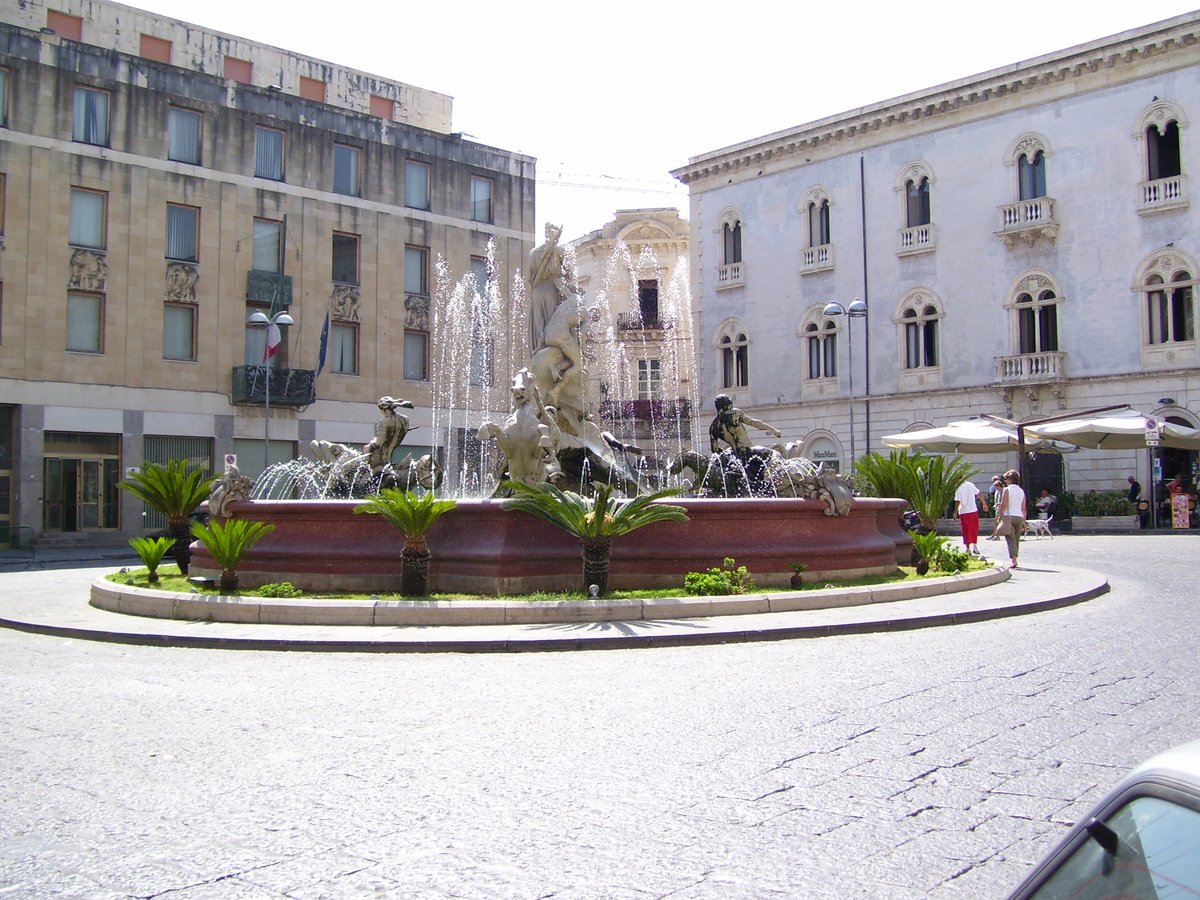
- Fountain of Diana (Piazza Archimede): Celebrates the Greek goddess Artemis (Italia Like a Local)
- Temple of Apollo: Sicily’s oldest Doric temple
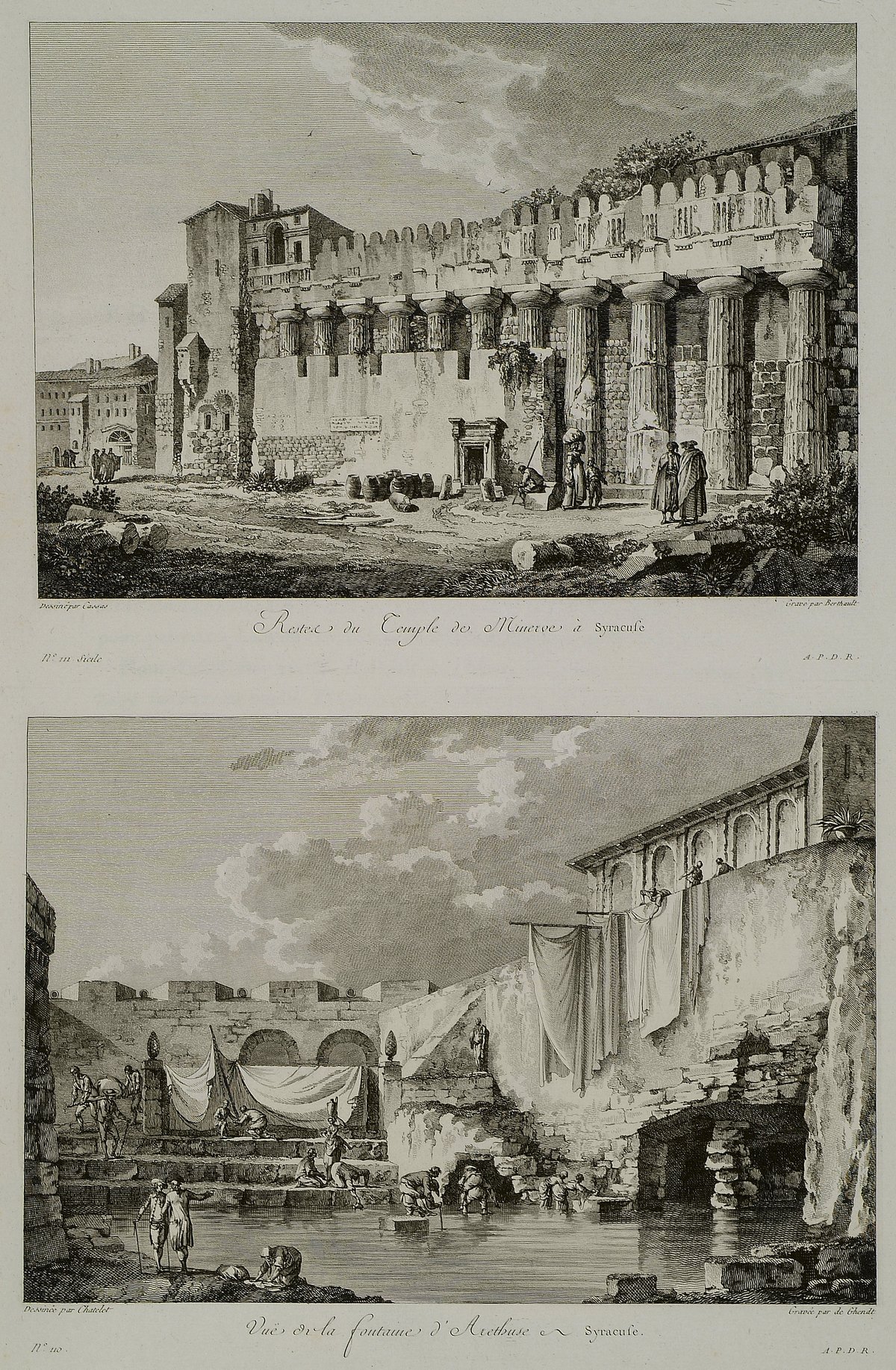
- Aretusa Spring: Mythical freshwater spring with papyrus
- Maniace Castle: Medieval fortress with sea views
Ortigia is pedestrian-friendly; parking is limited, so it’s best to arrive on foot or by public transport. The theater is a 10–15 minute walk from Syracuse train station; local buses, taxis, and bike rentals are available.
Frequently Asked Questions (FAQ)
Q: What are visiting hours for Teatro Comunale di Siracusa?
A: Box office: 10:00 AM–1:00 PM & 4:00 PM–7:00 PM on performance days. Guided tours: 10:00 AM–5:00 PM on non-performance days. Check the official website for updates.
Q: How do I buy tickets?
A: Tickets are available online via the official website, at the box office, or through INDA Foundation.
Q: Is the theater accessible for visitors with disabilities?
A: Yes, with step-free access, elevators, adapted restrooms, and staff assistance.
Q: Are guided tours available?
A: Yes, in Italian and English, with access to the auditorium, backstage, and orchestra pit.
Q: What other historical sites are nearby?
A: The Cathedral, Fountain of Diana, Temple of Apollo, Aretusa Spring, and Maniace Castle are all within walking distance.
Listen to the full story in the app
The whole Teatro Comunale,
told well.
Audio guides for 1,100+ cities across 96 countries. History, stories, and local insight — offline ready.

Verified, and shown.
Researched and written by the Audiala editorial team from historical records, architectural archives, and local expertise.
Researched from Wikidata, Wikipedia & official sources · fact-checked · How we make our guides →