Plan and listen to Roman Amphitheatre Of Syracuse with Audiala.
Audio guide in your pocket, itinerary in your browser. Built for the way you actually visit.
Introduction
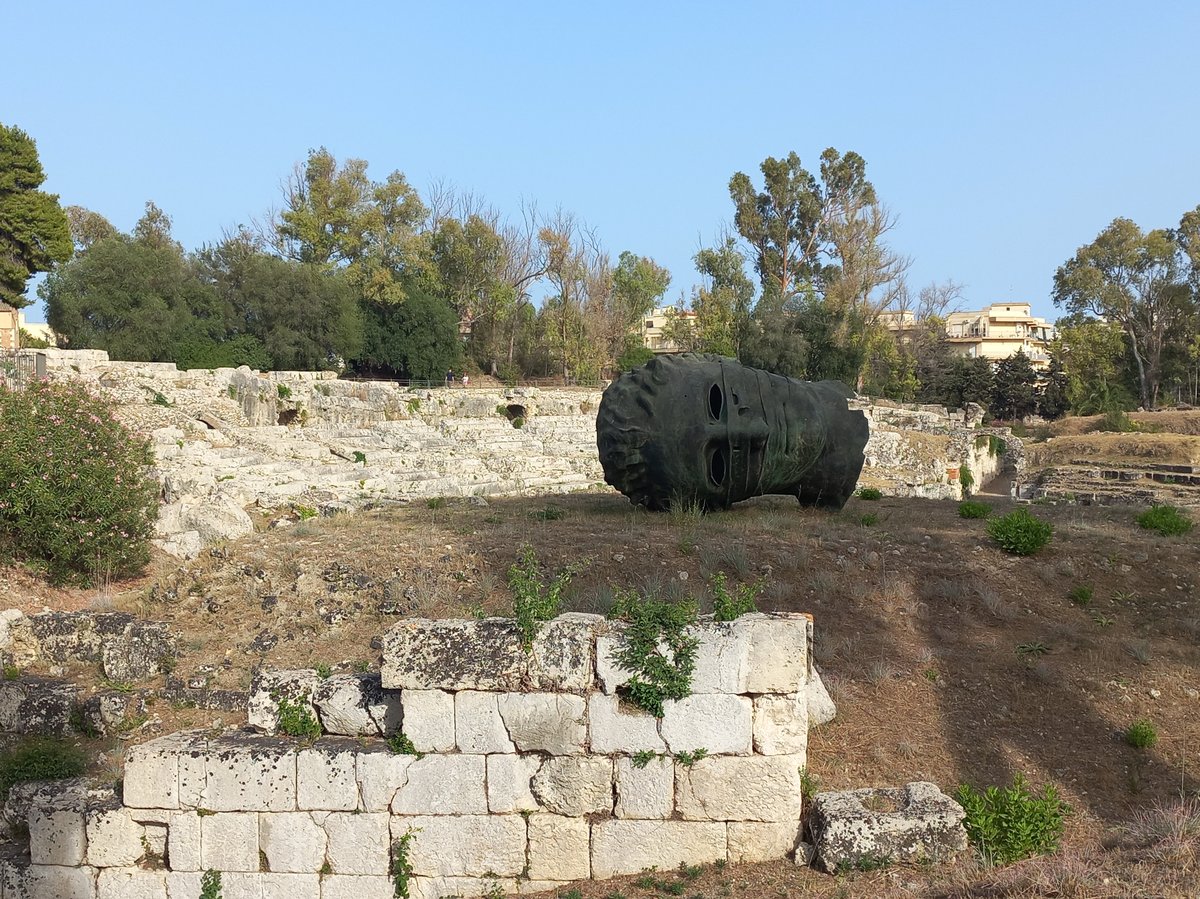
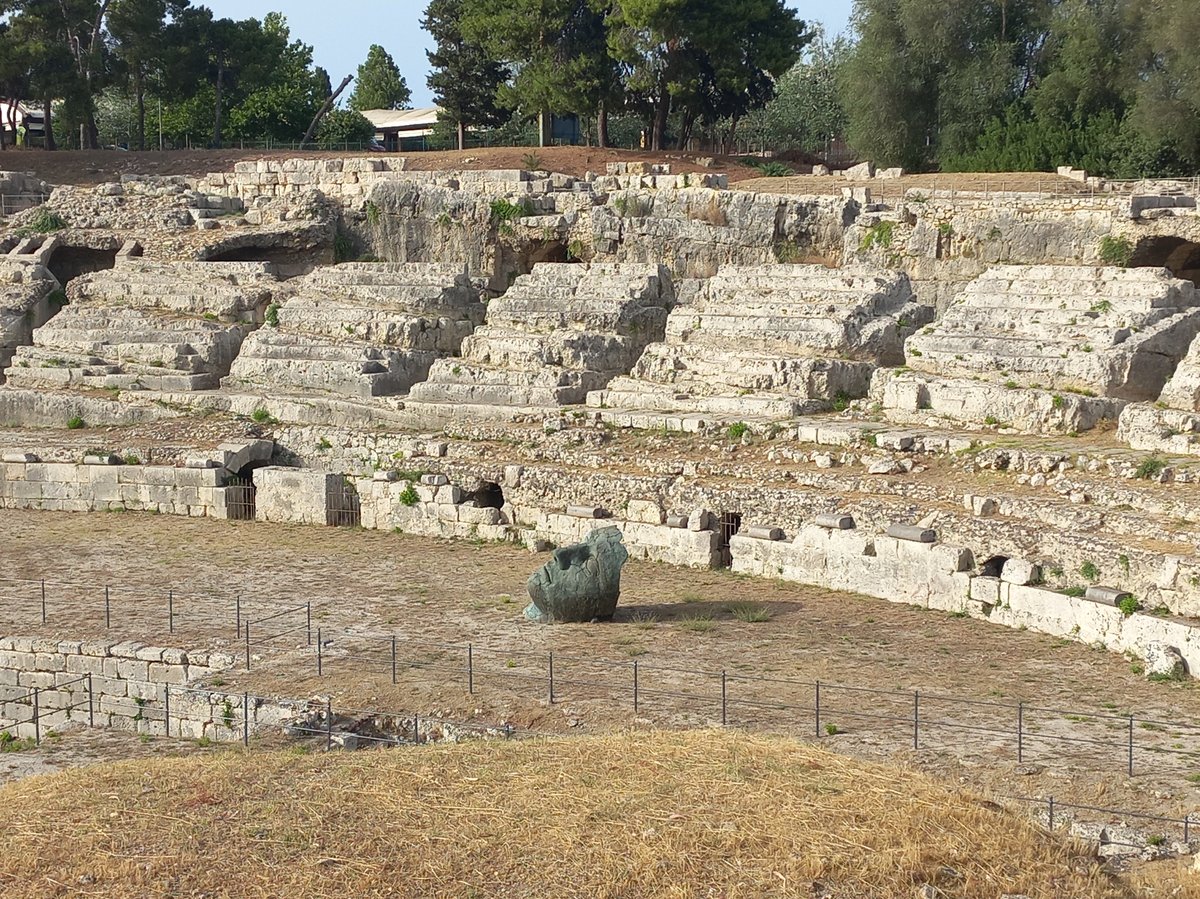
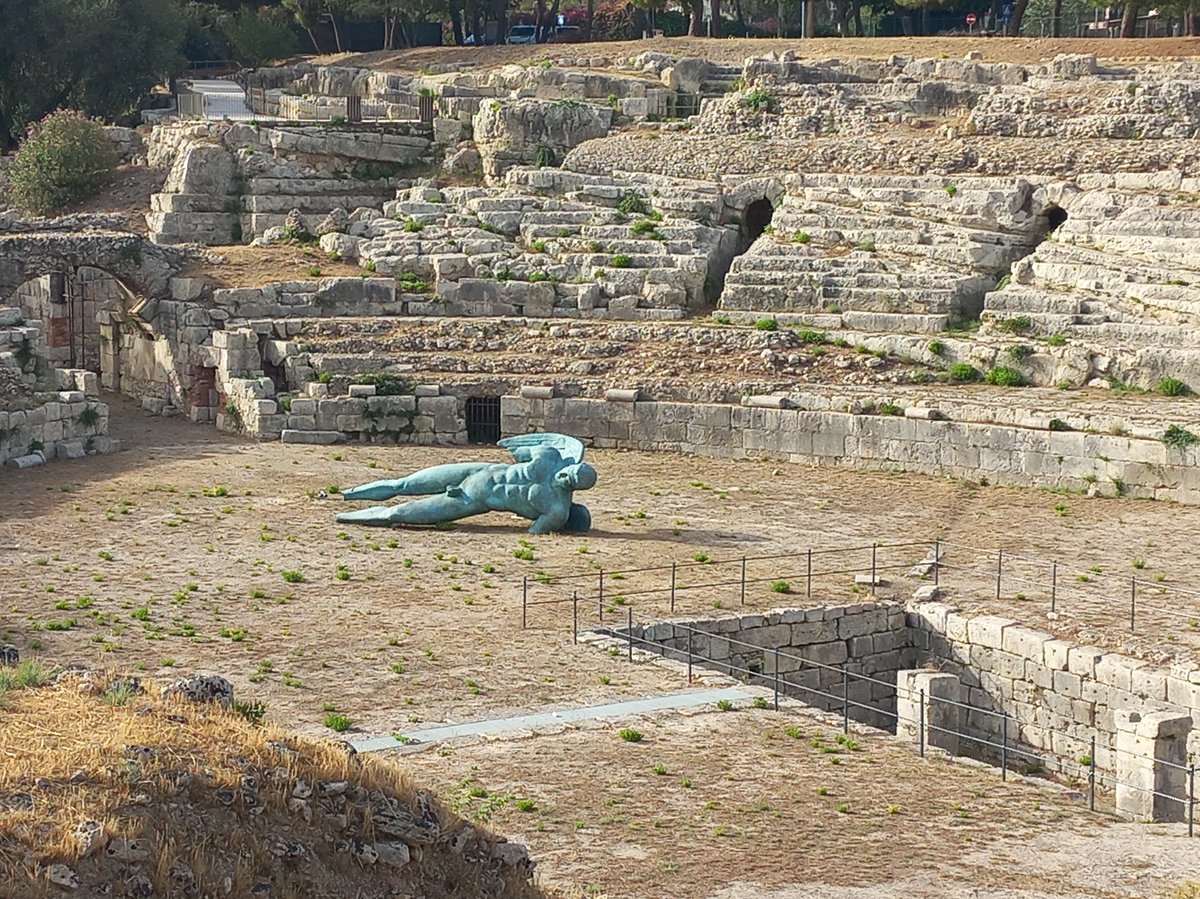
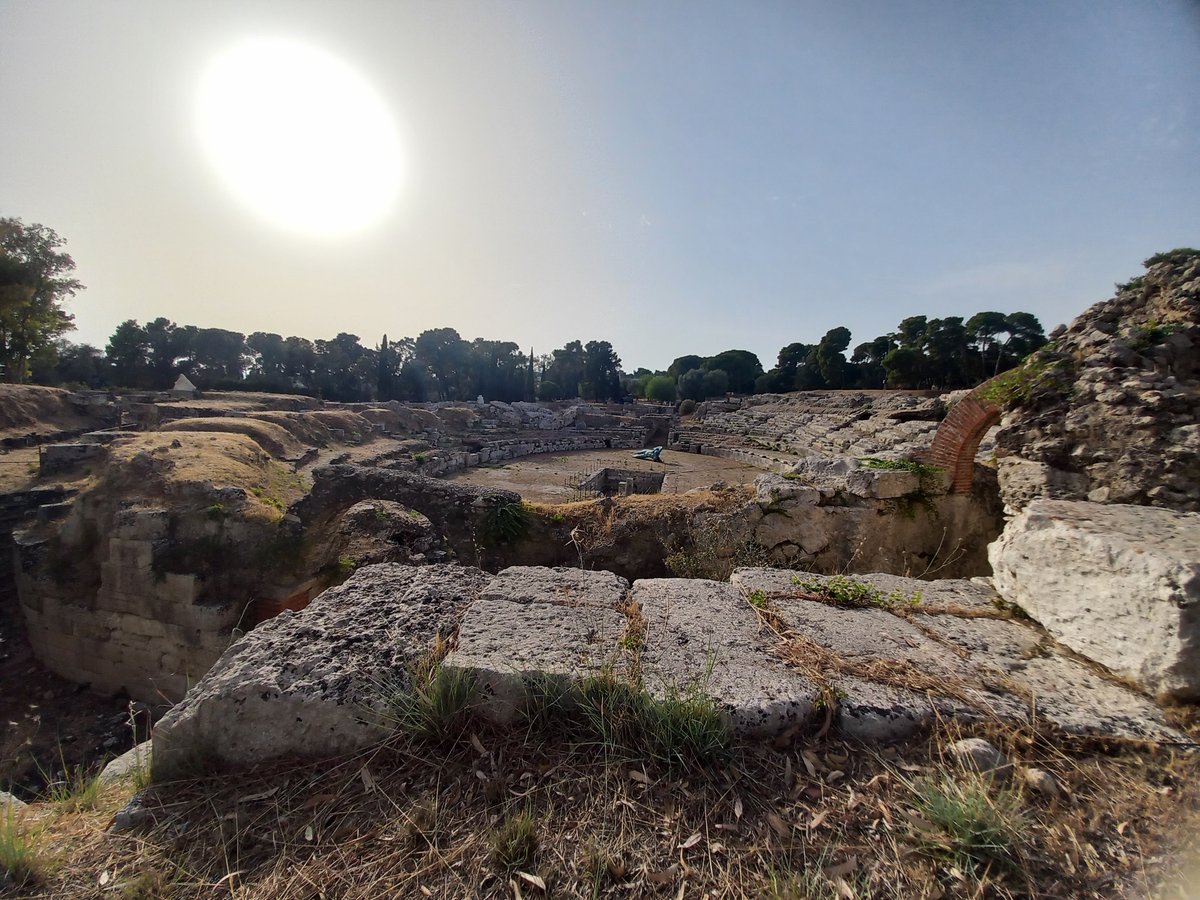
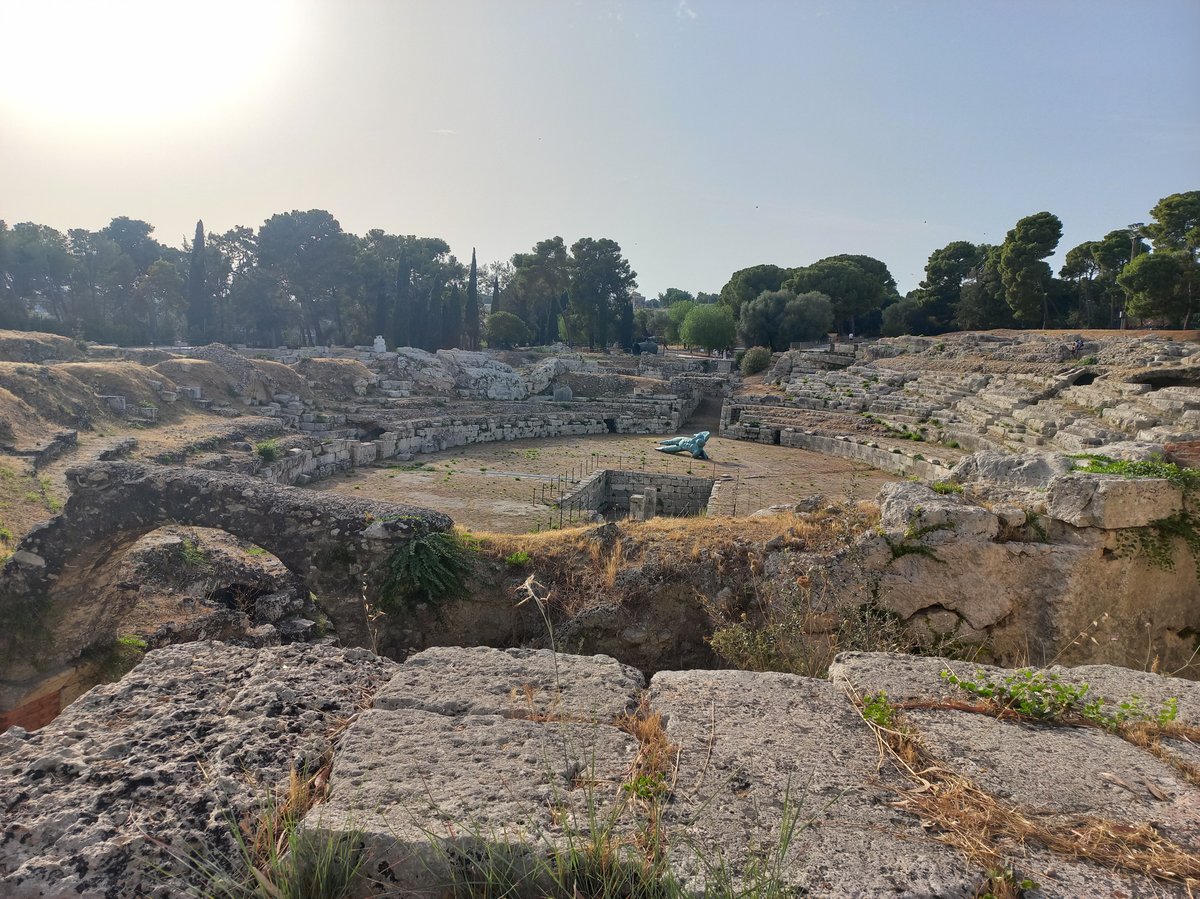
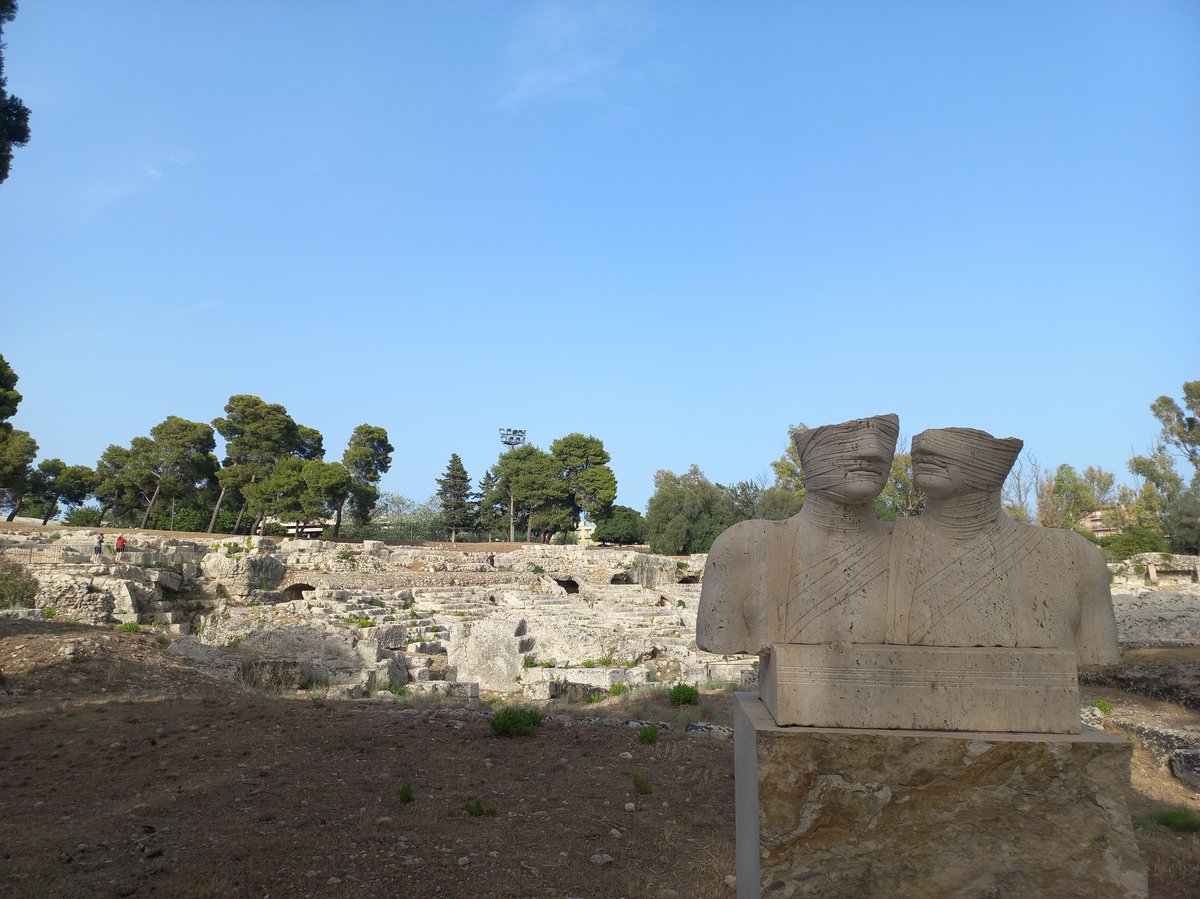
The Roman Amphitheatre of Syracuse, located in the heart of Sicily, stands as one of the Mediterranean’s most significant and best-preserved ancient Roman arenas. Set within the renowned Parco Archeologico della Neapolis, this monumental site offers a vivid window into the grandeur of Roman public entertainment, architectural ingenuity, and the city’s transformation under Roman rule. Its impressive dimensions—approximately 140 by 119 meters—place it among the largest amphitheatres in Italy, showcasing both freestanding Roman construction and adaptations of earlier Greek traditions. Today, the amphitheatre is part of a broader archaeological landscape that includes the famed Greek Theatre and the Altar of Hieron II, offering an unparalleled journey through Syracuse’s layered heritage. Whether you are an architecture enthusiast, history buff, or a curious traveler, this guide provides all the essential details about visiting hours, tickets, accessibility, site highlights, and travel tips for an enriching experience (Neapolis Archaeological Park, SiracusaTravel, The Geographical Cure).

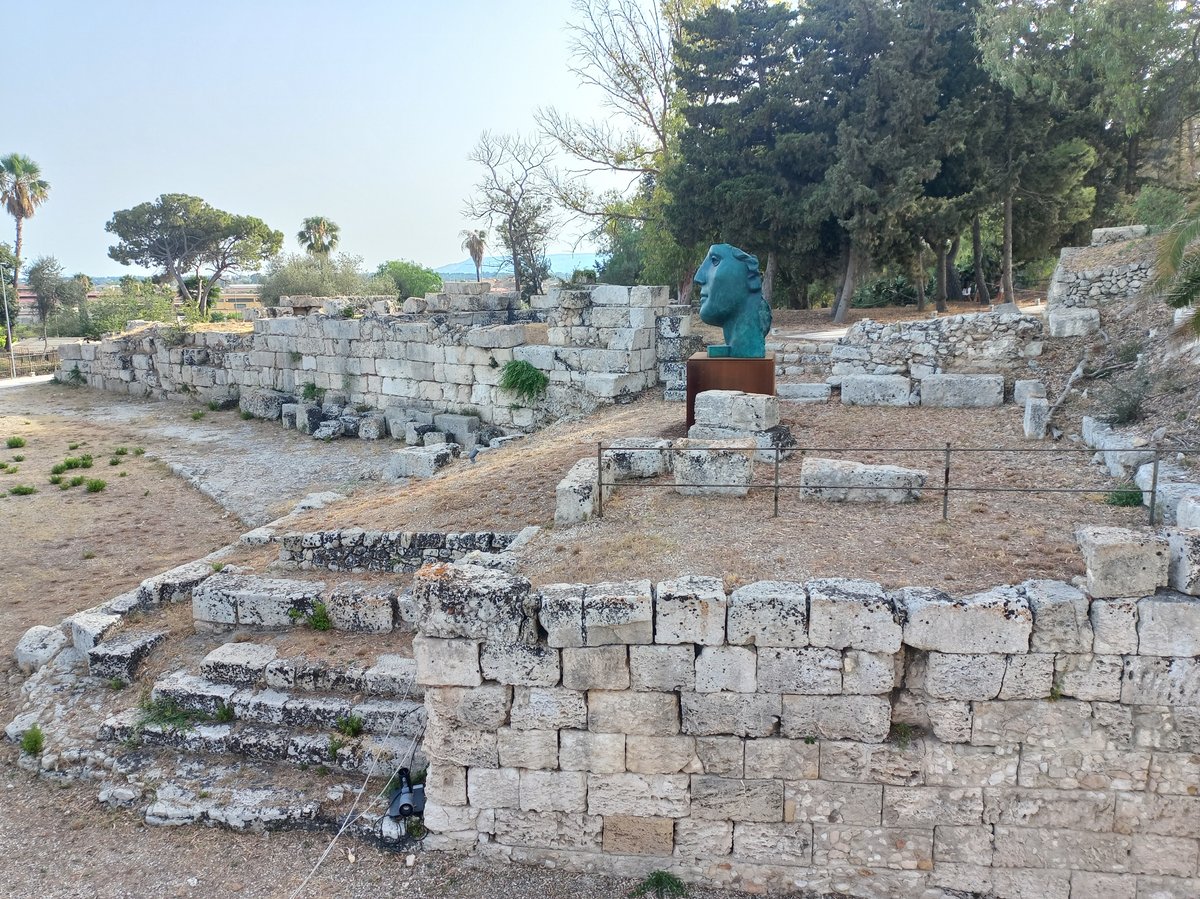
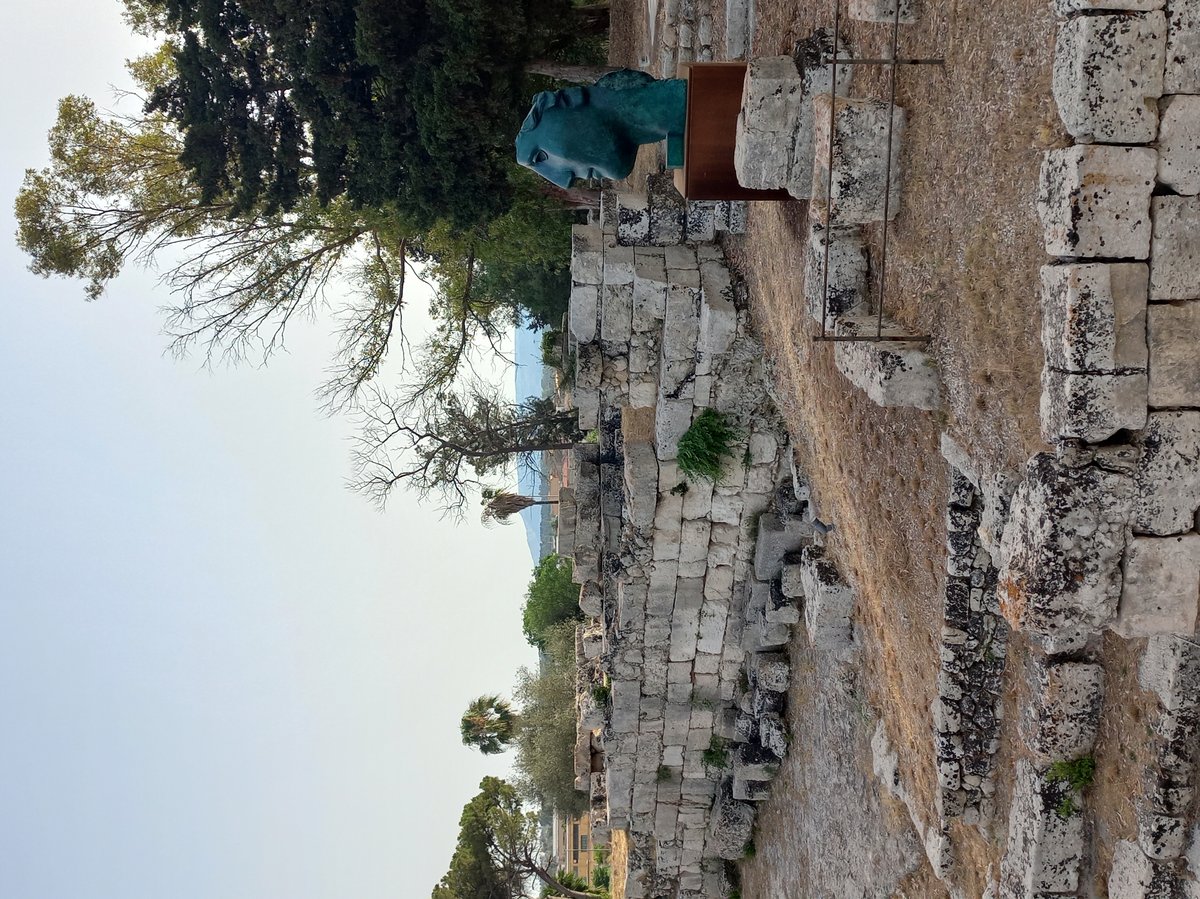
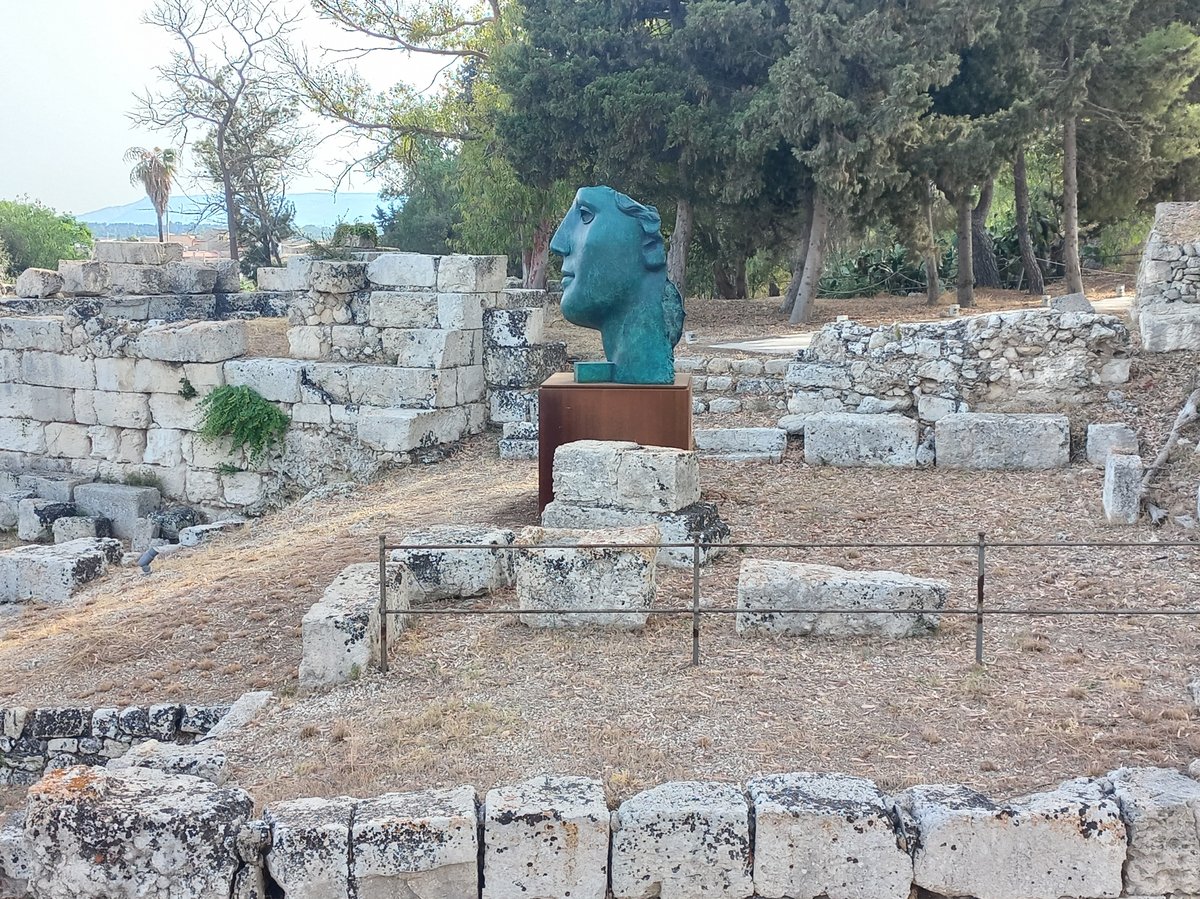
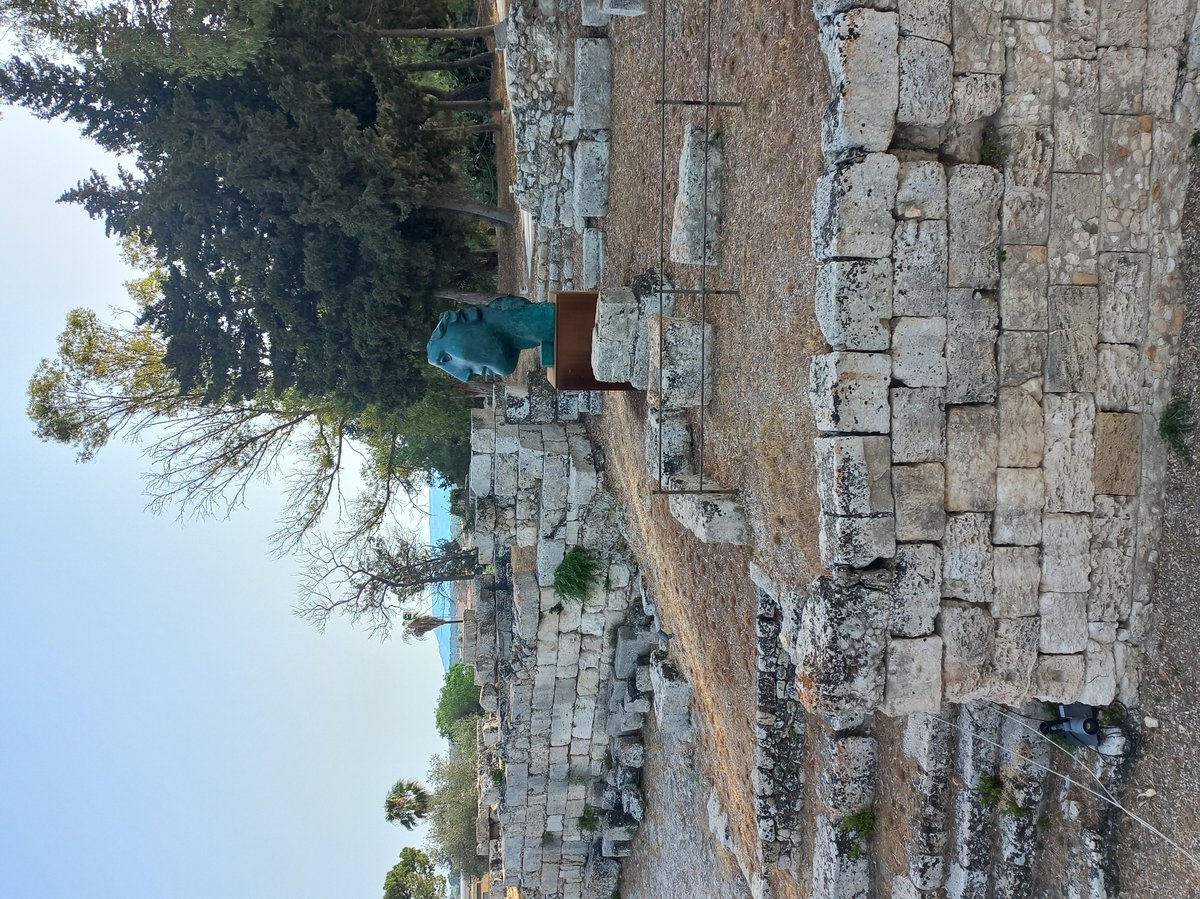
Origins and Construction
Constructed in the late 1st century BCE to 3rd century CE, the Roman Amphitheatre of Syracuse reflects the city’s urban renewal and Romanization after Syracuse’s integration into the Roman Empire. Built on solid bedrock in the Neapolis suburb, the amphitheatre is a testament to Roman engineering—its elliptical form and large scale were designed to accommodate up to 15,000 spectators for public spectacles such as gladiatorial games, animal hunts, and possibly mock naval battles (History Tools, SiracusaTravel).
Social and Cultural Significance
Beyond entertainment, the amphitheatre functioned as a stage for imperial propaganda and civic unity, reinforcing the Roman social hierarchy and the city’s prominence within the empire. Its proximity to the Greek Theatre and Altar of Hieron II highlights Syracuse’s unique synthesis of Greek and Roman cultures, symbolizing its evolution from a Greek polis to a thriving Roman provincial center (Cultural Plus, Great Sicily).
Decline and Rediscovery
Following the Christianization of the empire and bans on gladiatorial games in the late 4th and early 5th centuries CE, the amphitheatre was gradually abandoned. Rediscovered through systematic excavations in the 19th century, it now forms part of the UNESCO World Heritage Site "Syracuse and the Rocky Necropolis of Pantalica," ensuring its preservation and continued public access (Seymour).
Architectural Features of the Roman Amphitheatre
- Dimensions: Approximately 140 by 119 meters; internal arena spans 70 by 40 meters.
- Construction: Freestanding structure, lower cavea carved into bedrock, upper tiers built with stone blocks.
- Arena and Subterranean Features: High podium wall; vaulted corridors for gladiators, animals, and stage machinery; central covered room for dramatic stage effects.
- Seating and Social Layout: Divided into three sectors—Ibla (aristocracy), Media (bourgeoisie), Summum (general public); staircases and corridors for efficient movement.
- Inscriptions: Many seats bear inscriptions denoting reserved places for notable citizens and families.
- Entrances and Circulation: Multiple arched entrances and corridors facilitated crowd movement; the main entrance lies near present-day Viale Paolo Orsi.
- Decorative Elements: While much is lost, traces of purple-red wall pigments and marble balustrades remain, hinting at the amphitheatre’s original grandeur.
- Damage and Preservation: Upper tiers dismantled in the 16th century for city fortifications; lower cavea and arena remain accessible and well-preserved (The Geographical Cure, Italia.it).
Visiting Information: Hours, Tickets, and Accessibility
Opening Hours
- General Schedule: Open daily from 8:30 AM until one hour before sunset (typically 7:00 PM in summer; last admission 30 minutes before closure). Hours may vary by season or holidays—always check the official website before visiting.
Ticketing
- Admission: Entry to the amphitheatre is included with the Neapolis Archaeological Park ticket, covering the Greek Theatre, Latomia del Paradiso, and Altar of Hieron II.
- Pricing (2024): Approximately €10 for adults; discounts for EU citizens under 25, seniors, and groups. Children under 18 often enter free. Tickets can be purchased online or at the park entrance (Two Get Lost).
- Best Times to Visit: Early mornings or late afternoons are recommended to avoid crowds and the midday heat, especially in peak season.
Accessibility
- Mobility: Most main paths are wheelchair accessible; some uneven terrain and stairs may require assistance. Check current accessible routes on the official website.
- Facilities: Toilets are available near the amphitheatre and Greek Theatre. A café, shaded seating, and limited drinking water fountains are on-site—bring your own water in summer.
Site Layout and Visitor Experience
Navigation
- Recommended Route: Most visitors follow a route through the Latomie quarries and Ear of Dionysius, the Greek Theatre, and finally the Roman Amphitheatre, tracing the historical chronology and minimizing walking (Learning Escapes).
- Signage: Bilingual information panels (Italian and English) provide historical context throughout the park.
- Exploration: Visitors can explore the amphitheatre’s seating tiers, arena floor, and subterranean corridors, observing architectural details and ancient inscriptions (The Crazy Tourist).
Guided and Self-Guided Tours
- Guided Tours: Available in multiple languages, offering rich historical and architectural insight. Book in advance or on-site.
- Self-Guided Visits: Use on-site panels, guidebooks, or the official app for independent exploration.
Photography and Conservation
- Photography: Allowed throughout the park—respect barriers and avoid climbing on ruins.
- Conservation: Some areas may be closed for restoration; always stay on marked paths to protect the site.
Practical Tips for a Memorable Visit
- Dress: Wear sturdy shoes for uneven terrain.
- Hydration: Bring water, as fountains are limited.
- Sun Protection: Use sun hats and sunscreen; the amphitheatre is largely exposed.
- Tickets: Purchase online during peak season to avoid queues.
- Combine Sites: Include the Greek Theatre, Latomia, and Altar of Hieron II for a comprehensive experience.
- Language: Bring a translation app if needed; most staff speak English.
Frequently Asked Questions (FAQ)
Q: What are the Roman Amphitheatre’s opening hours?
A: Generally open daily from 8:30 AM to one hour before sunset; check the official website for seasonal details.
Q: How much are tickets?
A: Around €10 for adults; discounts for youth, seniors, and groups. Entry is free for children under 18.
Q: Is the site wheelchair accessible?
A: Most main paths are accessible, though some uneven areas require assistance.
Q: Can I take photos?
A: Yes, but do not climb on ruins.
Q: Are guided tours available?
A: Yes, both guided and self-guided options are available.
Q: What other attractions are nearby?
A: The Greek Theatre, Ear of Dionysius, Latomia del Paradiso, Altar of Hieron II, and the island of Ortygia.
Nearby Attractions and Further Exploration
- Greek Theatre: One of the world’s finest ancient theatres, carved into a hillside and still hosting performances.
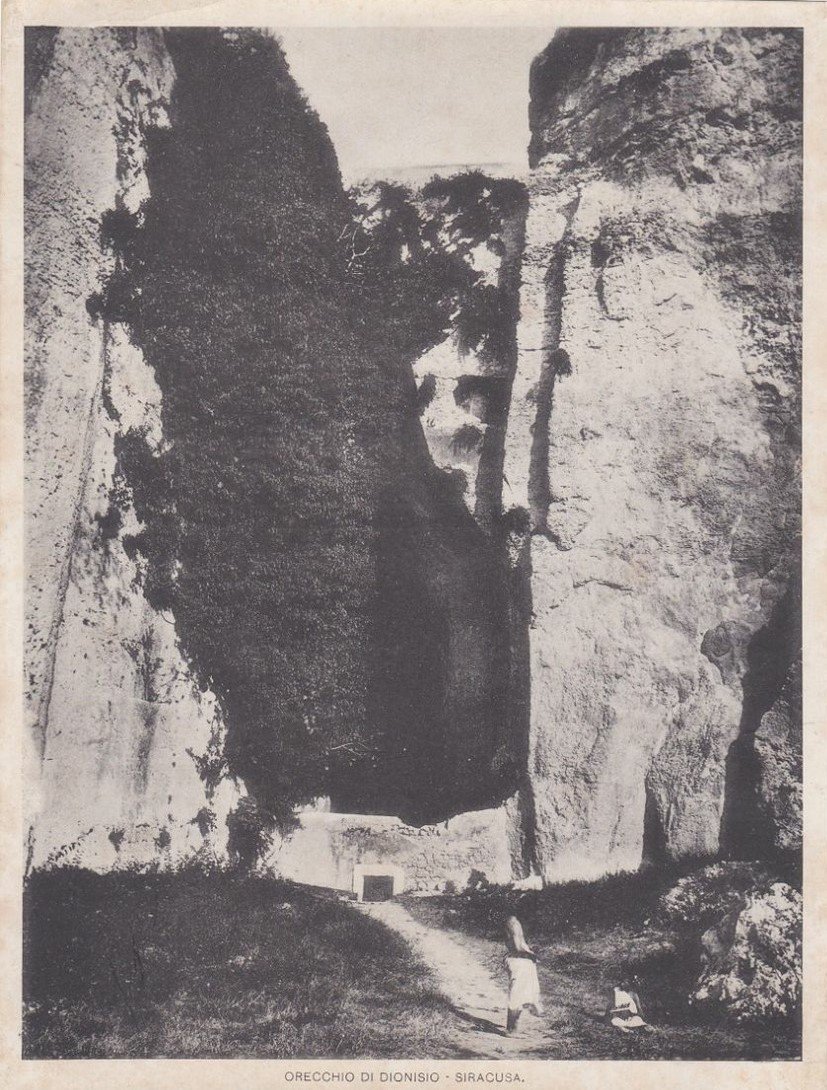
- Latomia del Paradiso: Ancient stone quarries with dramatic caves, including the Ear of Dionysius.
- Altar of Hieron II: Monumental sacrificial altar from the Hellenistic period.
- Ortygia: Historic island district with vibrant markets, dining, and accommodation.
- Museo Archeologico Regionale Paolo Orsi: Houses artifacts from the amphitheatre and other local sites (The Crazy Tourist).
Discover More
The Roman Amphitheatre of Syracuse is a masterwork of ancient architecture and a powerful symbol of Sicily’s layered history. Its integration within the Neapolis Archaeological Park alongside the Greek Theatre and other sites makes it a cornerstone of any visit to Syracuse. Practical facilities, accessible routes, and informative tours ensure a rewarding experience for all visitors. Embark on your journey through time, marvel at the enduring legacy of Roman ingenuity, and contribute to the preservation of Mediterranean heritage.
For up-to-date information, guided audio tours, and exclusive content, download the Audiala app. Follow us on social media for travel inspiration and tips. Explore related articles on our website for deeper insights into Sicily’s archaeological wonders.
Listen to the full story in the app
The whole Roman Amphitheatre Of Syracuse,
told well.
Audio guides for 1,100+ cities across 96 countries. History, stories, and local insight — offline ready.
Verified, and shown.
Researched and written by the Audiala editorial team from historical records, architectural archives, and local expertise.
Researched from Wikidata, Wikipedia & official sources · fact-checked · How we make our guides →