Plan and listen to Port Of Syracuse with Audiala.
Audio guide in your pocket, itinerary in your browser. Built for the way you actually visit.
Introduction
Nestled on Sicily’s southeastern coast, the Port of Syracuse stands as a striking fusion of ancient history and modern vibrancy. Founded by Greek settlers in 734 BCE, this port—known locally as Porto Grande—has served as a crucial maritime gateway for centuries, shaping Syracuse into a major center of trade, culture, and innovation. Today, the port welcomes visitors with its atmospheric waterfront, direct access to the historic island of Ortigia, and proximity to some of Sicily’s most renowned archaeological and cultural landmarks (great-sicily.com; cruisemapper.com).
This guide provides detailed information on visiting hours, ticketing, guided tours, accessibility, and practical travel tips. Whether you’re arriving by cruise ship, ferry, or private boat, you’ll find essential insights on the port’s layout, historical significance, and the best ways to explore Syracuse’s treasures. Discover local cuisine, festivals, and excursions to make the most of your journey—with digital resources like the Audiala app offering up-to-date maps, schedules, and insider recommendations (italybeyondtheobvious.com; bewitchedbyitaly.com).

Ancient Greek Foundation
The Port of Syracuse owes its existence to Greek settlers from Corinth and Tenea, who established the city on Ortigia Island in 734 BCE. Its sheltered harbor helped Syracuse flourish as a maritime power, facilitating trade and military dominance throughout Magna Graecia. During its peak in the 5th century BCE, Syracuse rivaled Athens, exporting ceramics, olive oil, and wine, and supporting a formidable naval fleet that played a pivotal role in the Peloponnesian War (great-sicily.com; cruisemapper.com).
Roman, Byzantine, and Medieval Eras
Following Roman conquest in 212 BCE, Syracuse’s port was integrated into the wider Mediterranean trade network. The Romans expanded port infrastructure, while the Byzantine era saw it serve as a provincial capital. Though the port’s prominence shifted during Arab and Norman rule, its strategic value endured. The Normans revitalized the harbor, and later rulers fortified it with structures like Castello Maniace (trek.zone).
Modern Development
The 19th and 20th centuries ushered in modernization. Steamships, new docks, warehouses, and customs facilities expanded the port’s capacity, while the post-WWII era diversified its functions to include commerce, tourism, and industry (ports.marinelink.com). Today, the port supports commercial shipping, cruise liners, private yachts, and local fishing, while ongoing sustainability initiatives aim to protect the Ionian Sea and its surroundings.
Visiting the Port of Syracuse: Essential Information
Opening Hours
- General Port Area: Open year-round, typically 7:00 AM to 9:00 PM. Waterfront promenades are freely accessible.
- Museums & Castello Maniace: Usually 9:00 AM to 6:00 PM; always verify with official sources for seasonal variations.
Tickets
- Port Entry: Free of charge.
- Historical Sites: Tickets are required for individual sites like Castello Maniace and Neapolis Archaeological Park. Purchase online or at site entrances.
Guided Tours
- Walking Tours: Offer insights into the port’s history and surrounding landmarks.
- Boat Excursions: Depart from the marina, providing scenic views of Ortigia and the coastline.
- Booking: Reserve guided tours online or at local tourist offices.
Accessibility
- Port Area: Ramps and level pathways make the waterfront accessible for those with mobility impairments.
- Historic Sites: Some areas may have limited access; inquire in advance where necessary.
Layout and Facilities
The port is adjacent to Ortigia Island, Syracuse’s historic core. Facilities include cruise and ferry terminals, marinas for private boats, customs and passenger lounges, and easy access to taxis, buses, and pedestrian routes (cruisingearth.com; nauticalflock.com). The marina offers mooring, refueling, and basic maintenance for private vessels.
Reaching the Port
By Air
The nearest airport is Catania Fontanarossa (CTA), about 65 km north. Buses (Interbus/AST), taxis, and car rentals link the airport to Syracuse. Bus journeys take about 1 hour 15 minutes (€6–€8), taxis from €80–€100 (adventuresoflilnicki.com).
By Train
Direct trains connect Syracuse to cities such as Rome, Naples, and Catania. The train station is a short walk from the port and Ortigia.
By Bus
Long-distance and regional buses arrive near the train station, with connections to other Sicilian towns.
By Car
Accessible via the A18 motorway. Parking near the port is limited; use paid lots near the Ortigia bridge.
Exploring the Port and Surroundings
The port area is compact and walkable. Most key sites are within a 10–20 minute stroll. Ortigia’s main paths are accessible, though some side streets are cobbled.
Nearby Attractions
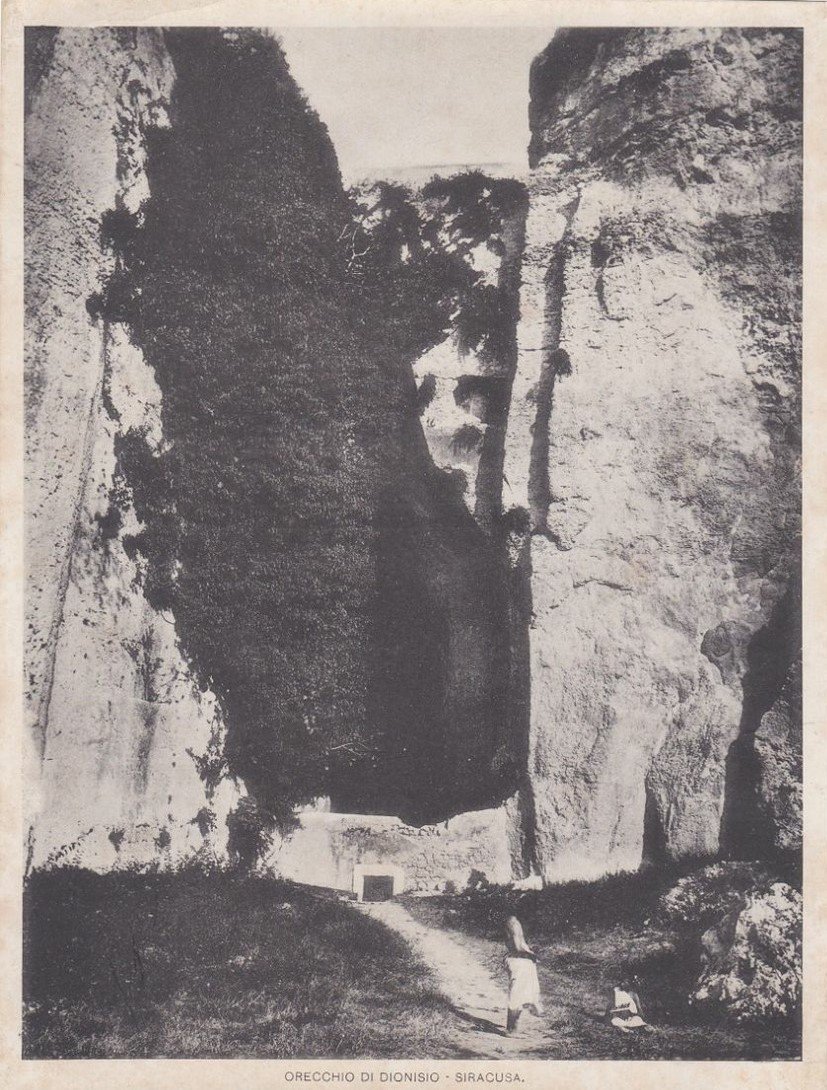
- Greek Theatre & Neapolis Archaeological Park: One of Sicily’s most important archaeological sites; features the Greek Theatre, Roman Amphitheater, and Ear of Dionysius (thecrazytourist.com).
- Castello Maniace: 13th-century fortress with panoramic views.
- Temple of Apollo: One of Sicily’s oldest Doric temples.
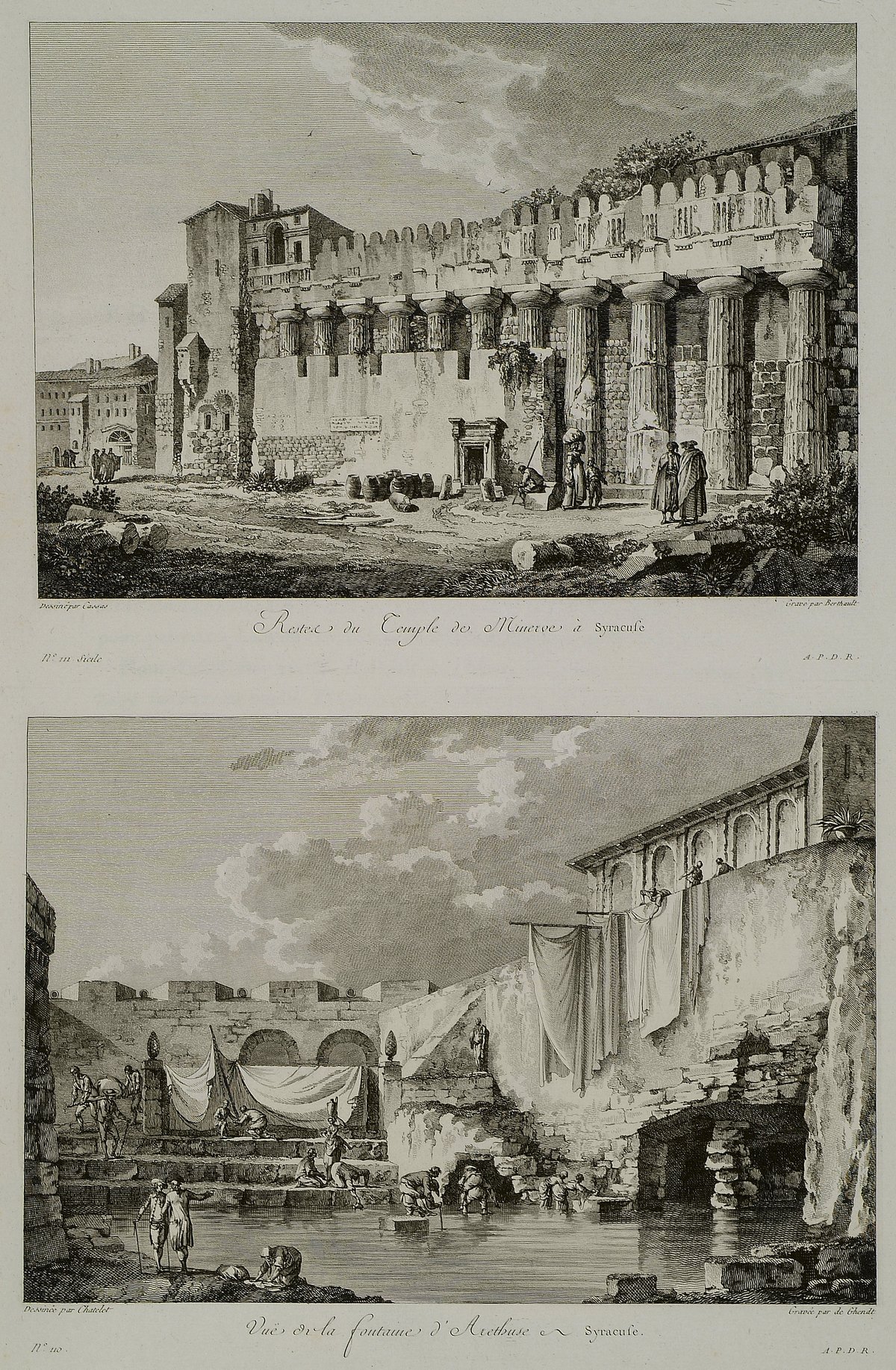
- Piazza Duomo & Cathedral: Baroque architectural gem atop the ancient Temple of Athena.
Ticketing and Visiting Major Sites
Neapolis Archaeological Park
- Hours: April–October: 8:30 AM–7:00 PM; November–March: 8:30 AM–5:00 PM.
- Tickets: €10 adults; €5 EU citizens 18–25; free for under 18/over 65.
- Purchase: Online or at the entrance.
Castello Maniace
- Hours: Tues–Sun: 9:00 AM–5:00 PM; closed Mondays.
- Tickets: €6 general; €3 reduced.
Cathedral of Syracuse
- Hours: 8:30 AM–1:00 PM, 3:00 PM–7:00 PM.
- Tickets: Free entry (donations welcome).
Temple of Apollo
- Hours: Open access, daily.
- Tickets: Free.
Culinary Experiences
Syracuse’s cuisine is a highlight of any visit. Enjoy arancini, pasta alla Siracusana, caponata, seafood, and desserts like granita and cannoli at the waterfront’s many restaurants and Ortigia’s bustling market (goaskalocal.com; italialikealocal.com).
Travel Tips
- Best Time to Visit: Spring (April–June) and autumn (September–October) offer mild weather and manageable crowds.
- Getting Around: Walking is easiest in Ortigia; local buses and taxis are available for longer distances.
- Luggage Storage: Provided at hotels and the train station.
- Accommodation: Options range from hostels (LoL Hostel) to boutique hotels and luxury stays (Grand Hotel Ortigia) near the port (adventuresoflilnicki.com).
- Sustainability: Support local artisans and opt for eco-friendly tours.
Festivals and Events
Syracuse hosts the annual Greek Theatre Festival (late spring to early summer) and various religious, music, and food festivals, offering visitors a chance to immerse in local culture (portguide.org).
Frequently Asked Questions (FAQ)
Q: What are the port’s visiting hours?
A: The port is generally open from 7:00 AM to 9:00 PM daily; individual sites may vary.
Q: Do I need tickets to enter the port?
A: No, but tickets are required for certain museums and archaeological sites.
Q: Are guided tours available?
A: Yes. Walking and boat tours can be booked online or at the port.
Q: Is the port accessible for visitors with disabilities?
A: Most public areas are accessible; some ancient sites may have restrictions.
Q: How can I get from the port to Ortigia and main sites?
A: The waterfront promenade leads directly to Ortigia; taxis and buses are also available.
Useful Contacts
- Tourist Information: Piazza Duomo, Ortigia
- Port Authority: For marina and excursion inquiries
- Emergency: 112
For the latest updates, check adventuresoflilnicki.com and nauticalflock.com.
Enhance Your Visit with Audiala
Download the Audiala app for expert audio guides, interactive maps, festival schedules, and exclusive travel tips. Stay connected through our social channels for real-time updates and inspiration.
Listen to the full story in the app
The whole Port Of Syracuse,
told well.
Audio guides for 1,100+ cities across 96 countries. History, stories, and local insight — offline ready.
Verified, and shown.
Researched and written by the Audiala editorial team from historical records, architectural archives, and local expertise.
Researched from Wikidata, Wikipedia & official sources · fact-checked · How we make our guides →