Plan and listen to Palazzo Bellomo Museum with Audiala.
Audio guide in your pocket, itinerary in your browser. Built for the way you actually visit.
Introduction
Nestled in the heart of Ortigia, Syracuse, the Palazzo Bellomo Museum stands as a vivid emblem of Sicily’s layered medieval and Renaissance past. Housed in a complex that fuses Swabian Gothic and Catalan Gothic architecture, this museum invites visitors to experience centuries of Sicilian art and history—from the robust stonework of the 13th-century Hohenstaufen dynasty to the refined flourishes introduced in the 15th century by the Bellomo family. Today, the museum is renowned for masterpieces such as Antonello da Messina's "Annunciation" (1474), an extensive collection of medieval and Renaissance sculpture, decorative arts, and significant funerary monuments.
Ideally located within walking distance of other Syracuse highlights like the Duomo di Siracusa and the Fountain of Arethusa, Palazzo Bellomo is a pivotal stop for art lovers, history buffs, and cultural travelers. This comprehensive guide covers historical context, practical visiting information, accessibility, collection highlights, nearby attractions, and expert tips to make your visit unforgettable.
For more, see the Regional Gallery of Palazzo Bellomo website, CityMap Sicilia, and Visit Val di Noto.


Medieval and Swabian Foundations
The origins of Palazzo Bellomo date to the 12th and 13th centuries, during the reign of the Hohenstaufen (Swabian) dynasty. The palace’s robust lower levels showcase Norman and Swabian Gothic influences: thick stone walls, arched portals, and a monumental Gothic entrance adorned with the imperial eagle—an enduring symbol of imperial power (Spotting History).
Catalan Gothic Transformation
In the 14th and 15th centuries, the palace was acquired by the influential Bellomo family. Under their stewardship, the building underwent a dramatic transformation, incorporating Catalan Gothic elements:
- Elegant mullioned (bifore) and trifore windows
- An open, sweeping staircase in the porticoed courtyard
- Ornate stonework and decorative flourishes
These architectural interventions reflect the influence of the Aragonese crown and the wealth of Syracuse’s aristocracy (Visit Val di Noto).
Monastic Era and Modern Restoration
In the 18th century, the Benedictine nuns of the nearby Monastery of St. Benedict merged Palazzo Bellomo with the adjacent Palazzo Parisio, shifting its use to a monastic complex. After the suppression of religious orders in 1866, the palace was expropriated and, by the 20th century, converted into a museum. Major restorations between 2004 and 2009 stabilized its structure, restored original decoration, and introduced modern amenities for conservation and accessibility (CityMap Sicilia).
Artistic and Cultural Significance
Palazzo Bellomo’s collections offer a sweeping panorama of Sicilian art, spanning Byzantine, medieval, Renaissance, and Baroque periods. Masterpieces on display include:
- Annunciation by Antonello da Messina (1474): A hallmark of Sicilian Renaissance painting, blending Flemish detail with Italian perspective (Lonely Planet).
- Medieval and Renaissance Sculpture: Works by Domenico Gagini, Giovan Battista Mazzolo, and Antonello Gagini, as well as Arab-Norman marble lions from the 12th century (Mamma Sicily).
- Funerary Monuments: Sarcophagi for the Governors of the Reginale Chamber, rich in Renaissance iconography.
- Sacred Silverwork and Decorative Arts: Ecclesiastical silver, ceramics, and 18th-century Sicilian carriages.
- Religious Paintings: Polyptychs, altarpieces, and canvases by Mario Minniti and others.
Visiting Hours, Tickets, and Accessibility
- Visiting Hours: Tuesday–Sunday, 9:00 AM – 7:00 PM (closed Mondays and major holidays; confirm via official website for seasonal variations).
- Tickets: Standard admission €8; reduced €5 (EU citizens 18–25); free for children under 18 and residents. Combined tickets with other Syracuse sites available.
- Guided Tours: Available in multiple languages by advance booking.
- Accessibility: Wheelchair access is available to main galleries via ramps and elevators; some historic areas may present challenges. Contact the museum for specific needs.
- Contact: Official Website | Phone: +39 0931 123456
Architectural Evolution and Highlights
Palazzo Bellomo’s architecture is a fusion of Swabian solidity and Catalan Gothic elegance (Wikipedia).
Key features include:
- Swabian Gothic Portal: Adorned with the imperial eagle, a relic of its 13th-century origins.
- Porticoed Courtyard: Surrounded by ogival arches, providing both shade and a sense of medieval grandeur.
- Catalan Staircase and Windows: The open staircase and mullioned windows are signatures of 15th-century design.
- Cortile delle Palme (Palm Courtyard): Decorated with coats of arms and salvaged architectural fragments, offering a visual timeline of Syracuse’s urban history.
Museum Collections
Sculpture
The ground floor features sculptures from the Byzantine to Renaissance periods, including:
- Madonna by Domenico Gagini: Exemplifying Sicilian Renaissance style.
- Stylofori Lions (12th century): Norman supports with Arab influences.
- Arab Marble Slab of San Marziano: Reflecting the multicultural heritage of medieval Sicily.
Paintings (Pinacoteca)
The first floor’s galleries chronicle Sicilian painting from the 14th to 18th centuries:
- Annunciation by Antonello da Messina (1474): The museum’s greatest treasure, blending Northern and Italian artistic traditions.
- Martyrdom of Saint Lucy by Mario Minniti: A dramatic Baroque work honoring Syracuse’s patron saint.
- Polyptychs and Altarpieces: Many rescued from local churches following religious suppressions.
Decorative Arts
Rooms 10–18 display:
- Sacred Silverwork: Including chalices, reliquaries, and processional crosses.
- Cribs (Nativity Scenes): Intricately crafted to reflect Sicilian Christmas traditions.
- Furniture, Jewelry, Ceramics: 15th–19th-century artifacts, including Spanish-Moorish faience plates.
- Carriages: Two ornate 18th-century Sicilian carriages.
Funerary Monuments
Notable works include:
- Sarcophagus of Giovanni Çabastida: Depicting the Deposition flanked by Saints Lucia and John the Baptist.
- Sarcophagus of Giovanni Cardenas: Crafted by Antonello Gagini, exemplifying Renaissance funerary sculpture.
Notable Works Formerly in the Collection
- The Burial of Saint Lucia by Caravaggio (1608): Once housed here, now at the Church of Santa Lucia alla Badia (Enjoy Sicilia).
Visitor Amenities and Tips
- Cafeteria: Serving refreshments and snacks.
- Bookshop: Offering publications, souvenirs, and postcards.
- Restrooms: Modern facilities for visitor comfort.
- Photography: Allowed without flash in most areas; check for signage.
- Dress Code: None required, but respectful attire is encouraged.
Practical Tips:
- Wear comfortable shoes for cobblestone streets.
- Visit early or late to avoid crowds.
- Allow about one hour for a standard visit; art lovers may wish to linger longer.
Events and Temporary Exhibitions
The museum regularly organizes temporary exhibitions, cultural events, and educational workshops highlighting Sicilian art and history. For current programming, check the official website.
Nearby Attractions and Suggested Itineraries
Situated in picturesque Ortigia, Palazzo Bellomo is close to:
- Duomo di Siracusa: Baroque cathedral built atop a Greek temple.
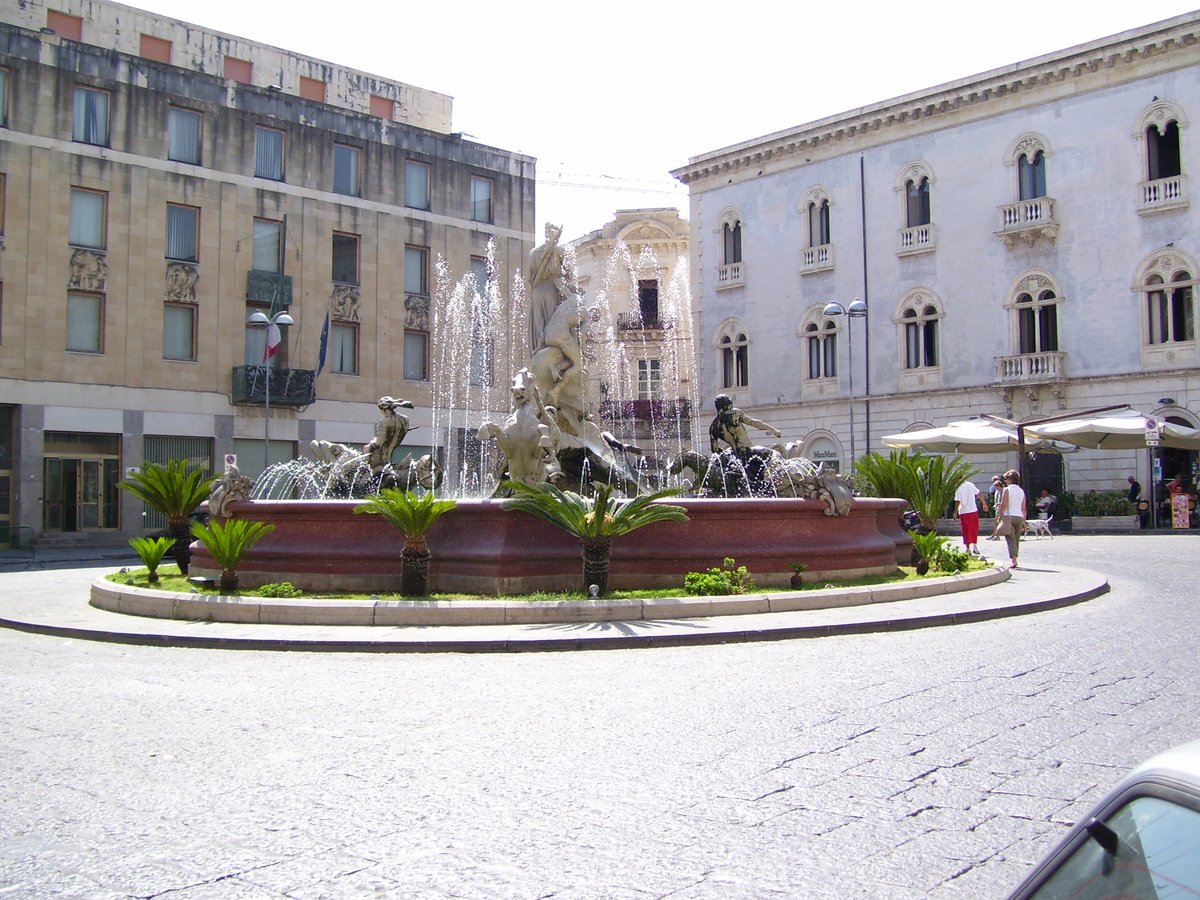
- Fountain of Arethusa: Mythic freshwater spring with papyrus plants.
- Church of St. Benedict and St. Martino: Notable for Baroque and medieval architecture.
- Sea Museum of Syracuse: Detailing the region’s maritime history.
Suggested itinerary: Combine a Palazzo Bellomo visit with a walking tour of Ortigia’s markets, piazzas, and historic churches.
Frequently Asked Questions (FAQ)
Q: What are the museum’s visiting hours?
A: Typically Tuesday–Sunday, 9:00 AM–7:00 PM; verify holiday schedules on the official website.
Q: How much are tickets?
A: Standard admission is about €8; discounts apply for students, residents, and children under 18.
Q: Is the museum accessible for people with disabilities?
A: Most main areas are accessible; contact the museum for assistance with upper floors.
Q: Are guided tours available?
A: Yes, in several languages via advance booking.
Q: Is photography allowed?
A: Non-flash photography is generally permitted; observe any posted restrictions.
Map and Visual Media
Explore high-quality images and virtual tours of the museum’s architecture and collections on the official website and via MuseumRun.
Recommendations for a Memorable Visit
- Arrive in the morning to enjoy a quieter atmosphere.
- Take advantage of guided tours or audio guides for deeper insight.
- Don’t miss the Palm Courtyard and the iconic Annunciation painting.
- Pair your visit with nearby historical attractions for a full day of cultural discovery.
Listen to the full story in the app
The whole Palazzo Bellomo Museum,
told well.
Audio guides for 1,100+ cities across 96 countries. History, stories, and local insight — offline ready.
Verified, and shown.
Researched and written by the Audiala editorial team from historical records, architectural archives, and local expertise.
Researched from Wikidata, Wikipedia & official sources · fact-checked · How we make our guides →