Plan and listen to Ortygia with Audiala.
Audio guide in your pocket, itinerary in your browser. Built for the way you actually visit.
Introduction to Ortygia, Syracuse: History and Cultural Significance
Ortygia, the vibrant island at the heart of Syracuse, Sicily, is an enchanting testament to the city’s ancient origins and enduring cultural legacy. Founded by Greek colonists in the 8th century BCE, Ortygia has witnessed a confluence of civilizations, from Ancient Greeks and Romans to medieval Byzantines, Normans, and Baroque Sicilians. Today, its narrow lanes, lively markets, and stunning waterfronts are a living museum, where visitors can walk amid the ruins of the Temple of Apollo, the majestic Cathedral of Syracuse (built atop a Greek temple), and the imposing Maniace Castle. Recognized as the nucleus of the UNESCO World Heritage Site encompassing Syracuse and the Rocky Necropolis of Pantalica, Ortygia is not only a center of history but also a hub of local life, cuisine, and Mediterranean charm (Italia.it, TravelsHelper, UNESCO).
This guide presents comprehensive, up-to-date advice on Ortygia’s historical sites, visitor logistics, accessibility, nearby attractions, and responsible tourism to help you make the most of your journey. Whether you’re drawn by ancient ruins, Baroque piazzas, or the culinary delights of Sicily, Ortygia promises an unforgettable experience. For the latest details, interactive experiences, and exclusive tips, consider downloading the Audiala app and exploring official resources (Savoring Italy, Adventures of Lil Nicki).

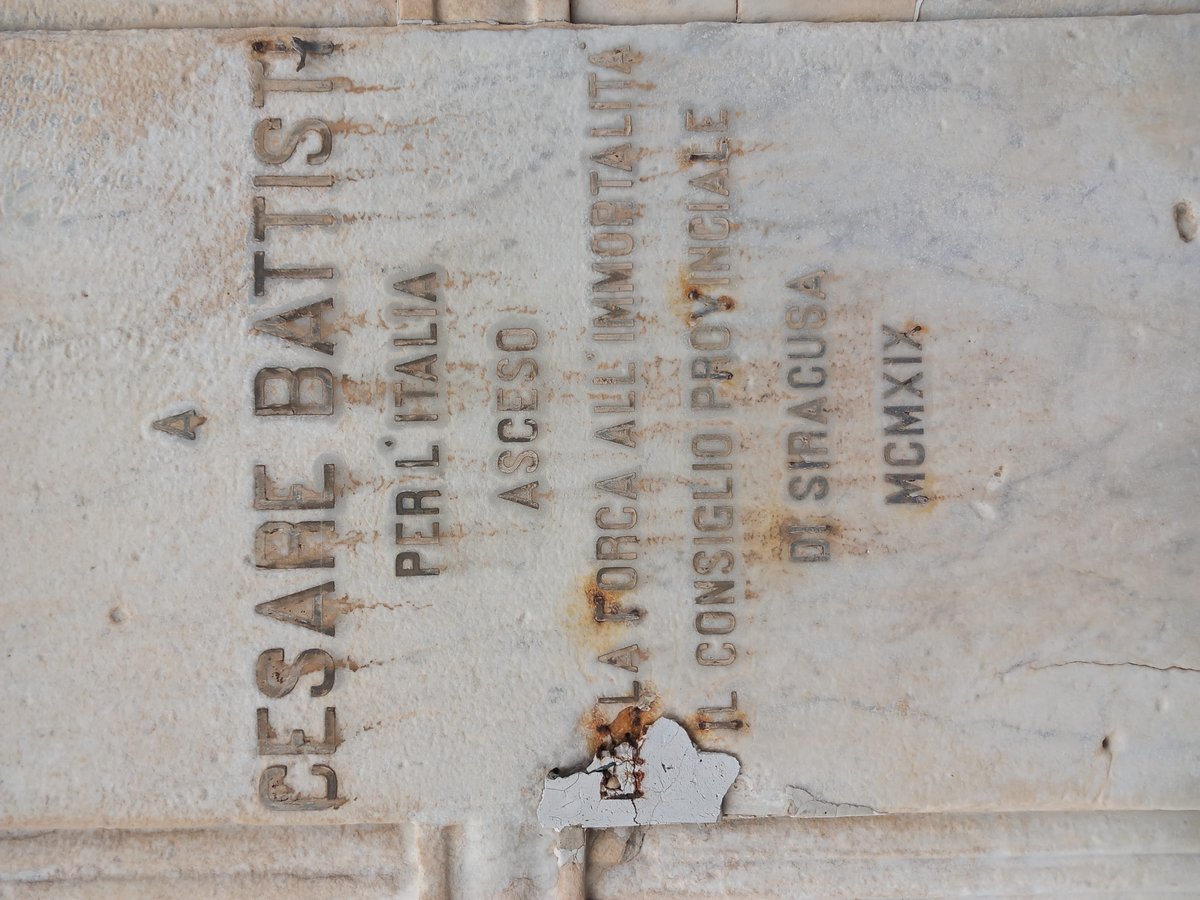
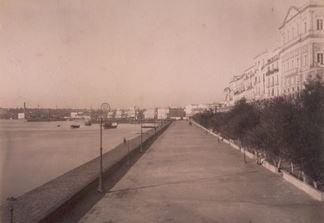
Discover Ortygia: Your Ultimate Visiting Guide
Ortygia is a compact, walkable island, perfect for immersive exploration. Its ancient streets lead to awe-inspiring ruins, bustling markets, and panoramic sea views. Whether you’re a history lover, foodie, or beach enthusiast, Ortygia offers a rich tapestry of experiences, all within easy reach.
Origins and Ancient History
Ortygia is the original settlement of Syracuse, established by Greek settlers from Corinth and Tenea in the 8th century BCE. Its name is steeped in myth, believed to be the birthplace of Artemis and Apollo. The island’s naturally protected harbor was integral to Syracuse’s rise as a dominant Mediterranean power, rivaling even Athens by the 5th century BCE (Italia.it, TravelsHelper).
Architectural & Archaeological Heritage
Ortygia’s architecture reflects its layered past:
- Temple of Apollo: Sicily’s oldest Doric temple (6th century BCE), later converted to a church, mosque, and Norman church (The Crazy Tourist).
- Cathedral of Syracuse (Duomo): Built atop the ancient Temple of Athena, integrating visible Doric columns into its Baroque facade (TravelsHelper).
- Other Ancient Sites: Remnants of the Temple of Artemis and various sanctuaries mark Ortygia’s religious significance.
Medieval & Baroque Layers
- Maniace Castle: 13th-century fortress by Emperor Frederick II, offering panoramic views and insight into medieval defenses (Italia.it).
- Baroque Architecture: After the 1693 earthquake, Ortygia was rebuilt with grand piazzas and palaces, especially around Piazza del Duomo (Italia.it).
Cultural Importance
As Syracuse’s heart, Ortygia has been the locus of political, religious, and commercial life for millennia. Its harbor enabled trade and naval dominance, shaping the city’s story and earning UNESCO World Heritage status (UNESCO).
Essential Visitor Information
Visiting Hours & Tickets
- Temple of Apollo: Open daily, 9:00 AM–7:00 PM. Free entry.
- Cathedral of Syracuse (Duomo): Mon–Sat 9:00 AM–6:30 PM; Sun 10:00 AM–1:00 PM. Free entry (donations welcomed).
- Maniace Castle: Tue–Sun 9:00 AM–5:00 PM. Entry ~€6; guided tours available.
- Museo Archeologico Regionale Paolo Orsi (mainland): Tue–Sun 9:00 AM–7:30 PM; tickets ~€10.
Check official websites for seasonal changes.
Guided Tours
Guided walking tours and audio guides are widely available and recommended for deeper understanding of Ortygia’s sites.
Getting Around Ortygia & Syracuse
Ortygia is best explored on foot. Two bridges connect it to Syracuse’s mainland, where public buses and taxis operate. Parking is limited on Ortygia; visitors should use designated lots outside the island (Italia.it).
Accessibility & Photo Spots
- Cobblestone streets may challenge mobility, but key attractions have improved access.
- Top photo locations: Piazza del Duomo; Maniace Castle at sunset; Fonte Aretusa; Ortygia Market.
Must-See Attractions
- Piazza del Duomo: Central square ringed by historic palazzi and cafes (The Crazy Tourist).
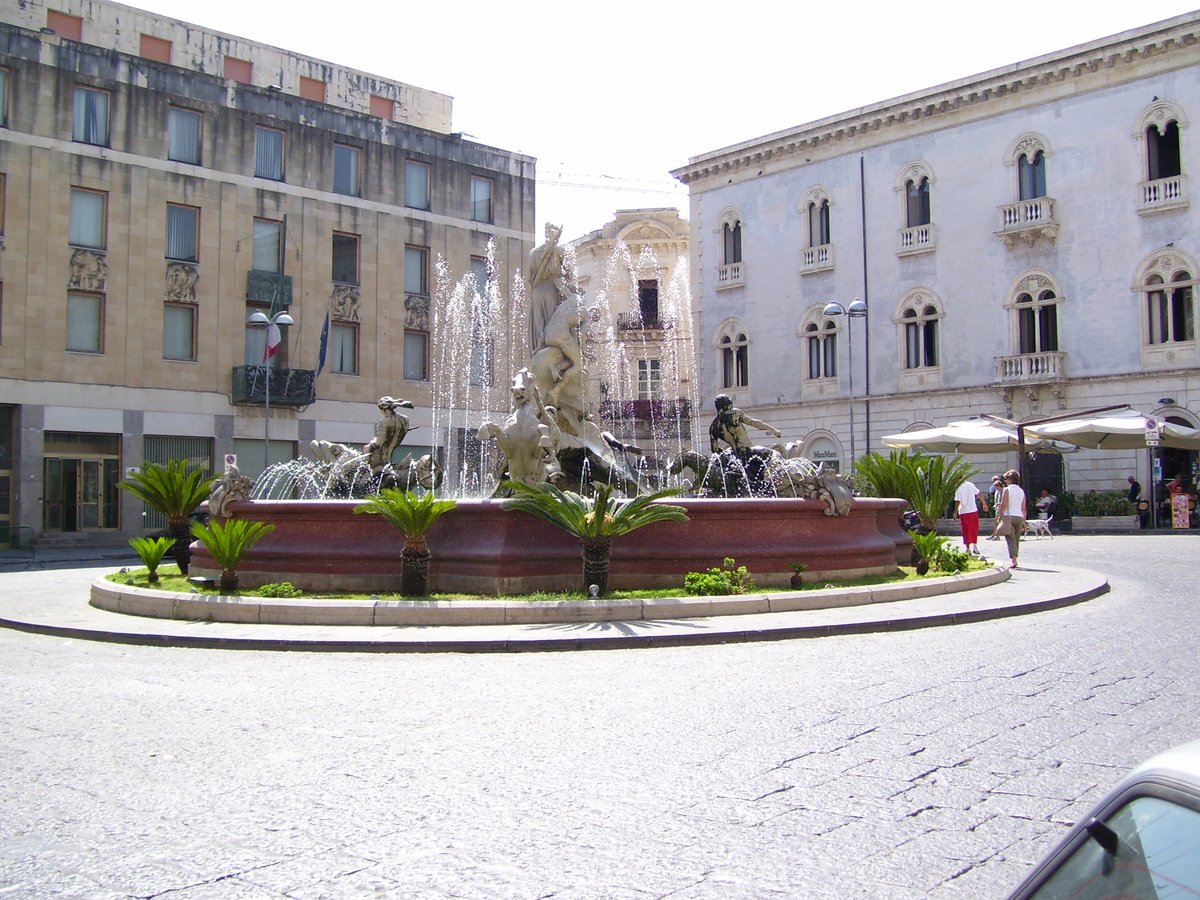
- Piazza Archimede: Home to the ornate Fontana di Artemide.
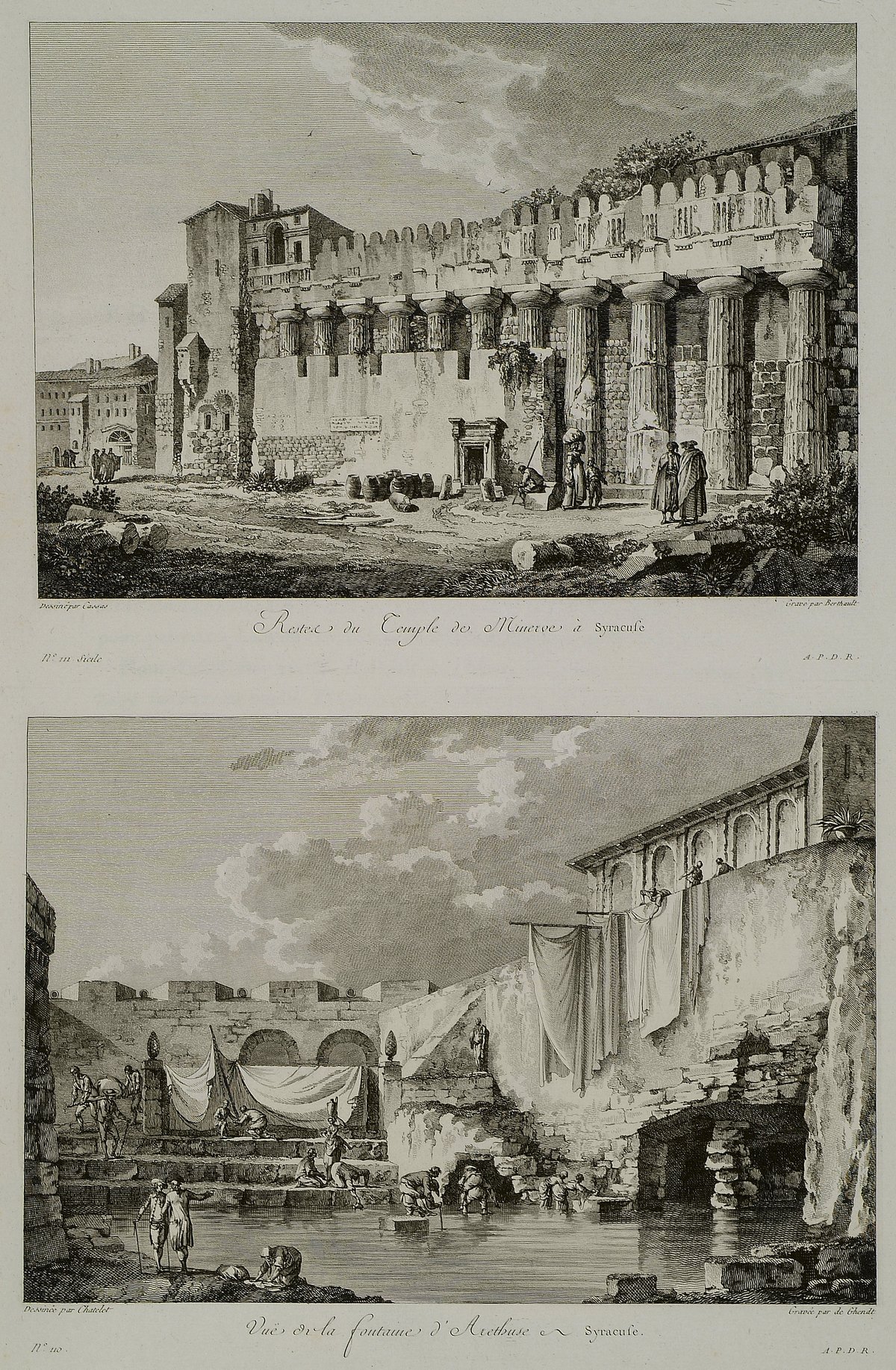
- Fonte Aretusa: Mythical freshwater spring by the waterfront.
- Ortygia Market: Lively stalls with fresh local produce and Sicilian specialties.
Getting to Ortygia and Syracuse
By Air
The nearest airport is Catania Fontanarossa (CTA), 65 km away. Direct buses (Interbus/AST) run to Syracuse in about 1 hour 10 minutes for €6–€8 (Adventures of Lil Nicki).
By Train
Trains connect Syracuse with Rome, Naples, and other Italian cities. The station is a 10-minute walk from Ortygia. Regional trains serve Noto, Ragusa, and more (Adventures of Lil Nicki).
By Bus
Buses run from major Sicilian cities to Syracuse’s main terminal near the station. Purchase tickets at kiosks; expect crowds in summer (Adventures of Lil Nicki).
By Car
Arrive via the A18 motorway from Catania. Park outside Ortygia in paid lots and walk in.
Accommodation & Dining
Where to Stay
- Ortygia: Boutique hotels such as Grand Hotel Ortigia, Hotel Gutkowski, and Lumè.
- Santa Lucia/Borgata: Quieter neighborhoods with hotels like Giuggiulena and Musciara Siracusa Resort (Savoring Italy).
- Budget Options: Hostels like LoL Hostel and Amuni (Adventures of Lil Nicki).
Book early for high season (May–September).
Dining
- Breakfast: Granita and brioche at Voglia Matta.
- Lunch: Street food and seafood at Mercato di Ortigia.
- Dinner: Try Macallè Sicilian Bistrot or waterfront trattorias.
- Aperitivo: Cortile Verga bar.
- Souvenirs: Pistachios, almonds, sun-dried tomatoes, olive oil.
Practical Tips, Budget, Connectivity
- Language: Italian; English spoken in tourist areas.
- Currency: Euro (€); carry cash for small purchases.
- Safety: Safe, but be mindful of pickpockets.
- Weather: Best in spring and fall; summer is hot and busy.
- Packing: Comfortable shoes, sun protection, swimwear.
- Accessibility: Some uneven surfaces—plan ahead.
- Budget: Accommodation from €40–€180+; meals €3–€40; daily midrange budget €70–€150 (Savoring Italy).
- Connectivity: Free Wi-Fi at many hotels/cafes; SIM/eSIMs available locally.
Top Day Trips and Attractions Near Ortygia
Neapolis Archaeological Park
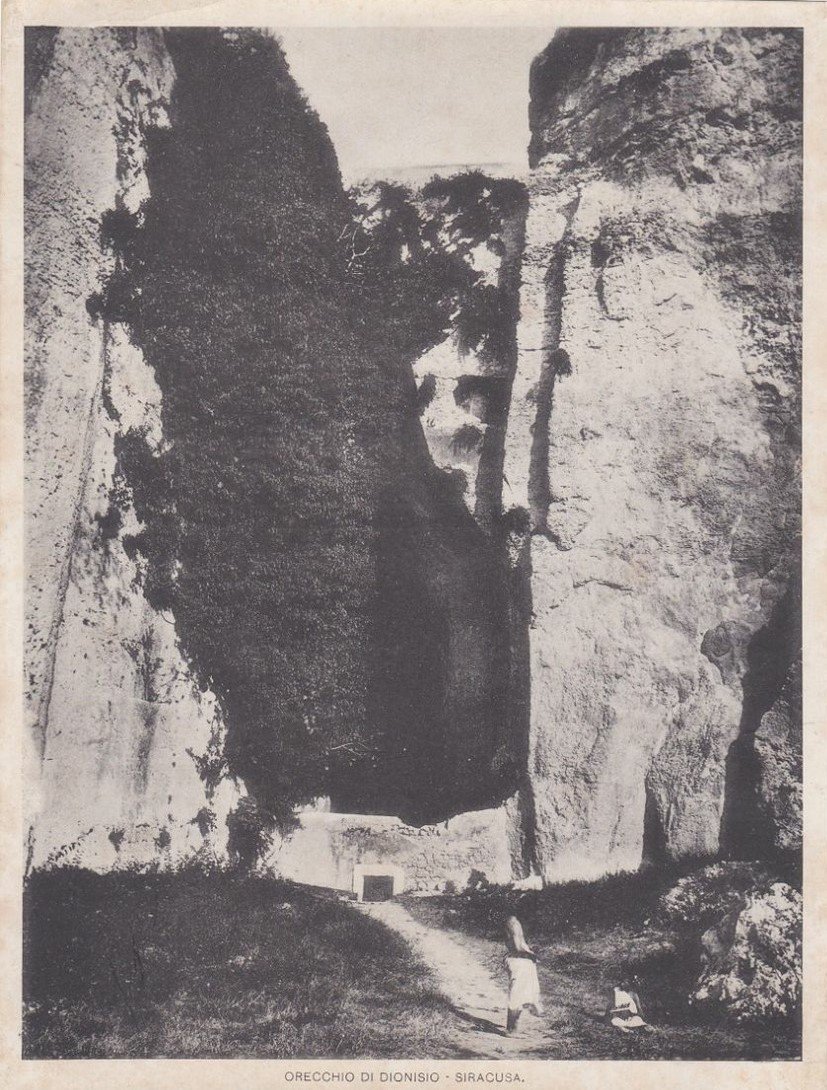
Home to the Greek Theatre, Roman Amphitheatre, and Ear of Dionysius.
- Hours: 8:30 AM–7:00 PM
- Tickets: ~€10
- Access: Some uneven terrain—assistance advised (Travel Notes & Beyond).
Noto, Modica, and Ragusa (Baroque Triangle)
UNESCO-listed towns with stunning Baroque architecture and local specialties (e.g., Modica chocolate).
- Transport: Trains, buses, tours available (Sicilian Traveler).
Beaches: Fontane Bianche, Arenella, Ognina
Beautiful sandy beaches near Syracuse.
- Access: Car, taxi, or bus. No entry fee (Sicilian Traveler).
Boat Excursions
Harbor tours, sea cave visits, and coastal trips.
- Booking: Harbor kiosks or online (Italy Heaven).
Castello Eurialo
Impressive Greek fortress with panoramic views.
- Hours: 9:00 AM–5:00 PM
- Tickets: ~€5 (Italy Heaven).
Day Trips to Catania and Mount Etna
Explore Catania’s markets and Baroque squares; take guided tours to Mount Etna (Lotus Eaters Travel).
Environmental Etiquette & Responsible Tourism
- Support local businesses and artisans.
- Respect historic sites: Follow posted rules, avoid touching artifacts, and donate when possible.
- Reduce waste: Use reusable bottles and bags; separate recyclables.
- Conserve water and energy: Especially in summer; choose eco-friendly stays.
- Respect local life: Dress modestly in churches, be mindful of noise, and ask before photographing people.
- Prefer sustainable transport: Walk, bike, or use public transport.
- Protect the coast: Use reef-safe sunscreen and dispose of beach waste responsibly (Springer Link, Ellie’s Travel Tips, Travels with Missy).
Frequently Asked Questions (FAQ)
Q: Are most sites in Ortygia free to enter?
A: Many (like the Temple of Apollo and Fonte Aretusa) are free; some, such as Maniace Castle, require a ticket.
Q: When is the best time to visit?
A: Spring (April–June) and autumn (September–October) offer mild weather and lighter crowds.
Q: Is Ortygia accessible for wheelchair users?
A: Some areas are challenging, but major sites have improved access. Plan ahead for mobility needs.
Q: How do I get tickets for major attractions?
A: Purchase on-site or online via official websites.
Q: Are guided tours worth it?
A: Yes, especially for understanding historical context and skipping lines.
Discover More
Start your Ortygia adventure today! Download the Audiala app for offline maps, audio guides, and insider recommendations. For more travel inspiration and the latest updates, follow us on social media and explore our related articles on Sicilian cuisine, Baroque towns, and Mediterranean travel tips.
Tickets & tours.
These are guided options from our partners — same price as booking direct.
Prices are indicative — final pricing and availability are confirmed at checkout. Audiala may earn a commission from bookings made through these links.
Listen to the full story in the app
The whole Ortygia,
told well.
Audio guides for 1,100+ cities across 96 countries. History, stories, and local insight — offline ready.
Verified, and shown.
Researched and written by the Audiala editorial team from historical records, architectural archives, and local expertise.
Researched from Wikidata, Wikipedia & official sources · fact-checked · How we make our guides →