Plan and listen to Museo Del Mare with Audiala.
Audio guide in your pocket, itinerary in your browser. Built for the way you actually visit.
Introduction
Nestled in the historic heart of Ortigia, Syracuse, the Museo del Mare di Siracusa (SIRMUMA) is a vital institution dedicated to preserving and showcasing Sicily’s rich maritime heritage. As a gateway to over two millennia of seafaring history, the museum provides an immersive experience tracing Syracuse’s evolution from an ancient Greek naval powerhouse to a modern Mediterranean port. Through its thoughtfully curated collections—ranging from ship models and nautical instruments to fishing artifacts and ethno-anthropological treasures—Museo del Mare tells the story of the city’s enduring relationship with the sea. Its central location in Ortigia, close to other iconic sites such as the Greek Theatre and Piazza Duomo, makes it an essential stop for anyone seeking to explore the cultural and historical fabric of Syracuse (Museo Del Mare di Siracusa Official Website; Comune di Siracusa; Sensidelviaggio).
Origins and Historical Context
Located at Via Gaetano Zummo 7, within the ancient core of Ortigia, the Museo del Mare is set in the remnants of the 16th-century Church of Santa Maria in Ara Coeli, a site partially destroyed during World War II. The surviving Baroque portal serves as a fitting tribute to Syracuse’s resilience and its deep-rooted maritime traditions (Comune di Siracusa; La Sicilia in Rete).
Foundation and Vision
Founded in the 1980s through the efforts of Augusto Aliffi—a mathematics teacher and descendant of renowned shipbuilding families—the museum’s mission is to safeguard the tangible and intangible heritage of Syracuse’s naval craftsmanship. The Syrakosia Consortium, established in 2001, united local cultural associations to conserve and display maritime artifacts, culminating in the museum’s current comprehensive offering (Sensidelviaggio; Comune di Siracusa).
Permanent Collections
Maritime Artifacts and Ship Models
The museum’s heart is its extensive collection of over 200 items, primarily sourced from Syracuse’s historic shipyards and master shipbuilders. Detailed models highlight various vessel types—Greek triremes, Roman merchant ships, medieval galleys, and traditional Sicilian fishing boats—accompanied by panels explaining their historical context (Wikipedia).
Nautical Instruments and Tools
Visitors can examine centuries’ worth of navigation technology, including compasses, sextants, astrolabes, and chronometers. These instruments showcase Syracuse’s contributions to maritime trade and navigation.
Artifacts from Shipwrecks
Recovered amphorae, anchors, and personal effects from shipwrecks off the Syracusan coast provide a tangible link to the city’s maritime adventures and its pivotal role in Mediterranean commerce.
Fishing Traditions and Local Maritime Culture
Dedicated exhibits honor Syracuse’s fishing heritage, with displays on local tuna fisheries and the Tonnara di Marzamemi. Artifacts such as nets, traps, and oral histories capture the daily life and traditions of Syracusan fishermen (Enjoy Sicilia).
Naval Uniforms and Memorabilia
The museum traces the evolution of naval attire through uniforms, medals, and memorabilia from the Italian Navy and local organizations, highlighting Syracuse’s longstanding maritime service.
Temporary and Rotating Exhibitions
SIRMUMA regularly curates thematic exhibitions, often in collaboration with other maritime museums and private collectors. Topics have included “The Mediterranean as a Crossroads of Civilizations,” “Women and the Sea,” and innovations in naval engineering. Art and photography installations, as well as interactive digital displays, further enrich the museum experience (Eupedia; MyGuideSicily).
Notable Highlights
- Full-scale Reconstruction of Naval Carpentry: A rare, hands-on exhibit illustrating the ancient process of ship design and construction.
- The Calafatari and Shipbuilding Families: Tools and personal artifacts from master caulkers, especially the Aliffi, Galiffi, and Nizza families.
- Model of the Tonnara di Marzamemi: A detailed 1:100 scale model depicting the traditional tuna fishing process.
- Battle of Syracuse (413 BC): An immersive display on this pivotal naval engagement of the Peloponnesian War.
Visiting Hours, Tickets & Accessibility
Opening Hours
-
Via Gaetano Zummo 7 (Historic Site):
- Monday and Friday: 17:30–19:30
- Tuesday and Thursday: 9:30–12:30 (by phone reservation)
-
Foro Vittorio Emanuele II, Marina di Siracusa (Modern Site):
- Typically open Tuesday to Sunday; closed Mondays.
- Hours may vary seasonally—verify on the official website or SIRMUMA site.
Tickets
- Standard admission: €2.00–€8.00 (depending on site and exhibition)
- Reductions for students, seniors, and groups
- Children under 12 often free
- Family and group rates available
- Tickets can be purchased on-site or online
Accessibility
- The museum’s historic site has some architectural constraints; advance contact is recommended for visitors with mobility needs.
- The waterfront location at Foro Vittorio Emanuele II is primarily at ground level and offers better accessibility.
- Wheelchair access, ramps, and assistance available at most sites—contact the museum for details.
Contact Information
- Phone: +39 320 3476297 / +39 333 9721781 (Historic Site)
- Phone: +39 349 793 4280 / +39 339 8899665 (Marina Site)
- Email: [email protected] / [email protected]
Location and Transportation
SIRMUMA is centrally located and easily accessible:
- Address (Historic Site): Via Gaetano Zummo 7, Ortigia, 96100 Siracusa, Italy
- Address (Marina Site): Foro Vittorio Emanuele II, Marina di Siracusa, 96100 Siracusa, Italy
- Getting There: Both sites are within walking distance from major landmarks in Ortigia and the main city. Public transport, taxi, and limited nearby parking are available.
Visitor Experience
Atmosphere
The museum’s setting—overlooking the sea or within ancient walls—immerses visitors in Syracuse’s maritime essence. Interactive displays and tactile exhibits foster engagement for all ages, while guided tours and educational activities offer deeper insights.
Duration
A typical visit lasts 45 minutes to 2 hours, depending on interest and participation in special programs.
Guided Tours and Educational Activities
SIRMUMA offers regular guided tours in multiple languages, as well as thematic workshops and educational programs for schools and families. Special events, such as narrative concerts and collaborative exhibitions, are scheduled throughout the year.
Nearby Historical Sites and Attractions
Enhance your visit by exploring:
- Ortigia Island: Syracuse’s historic center, with its Baroque architecture and vibrant markets
- Castello Maniace: A 13th-century fortress on Ortigia’s southern tip
- Piazza Duomo: The city’s stunning cathedral square
- Museo Archeologico Regionale Paolo Orsi: One of Italy’s leading archaeological museums
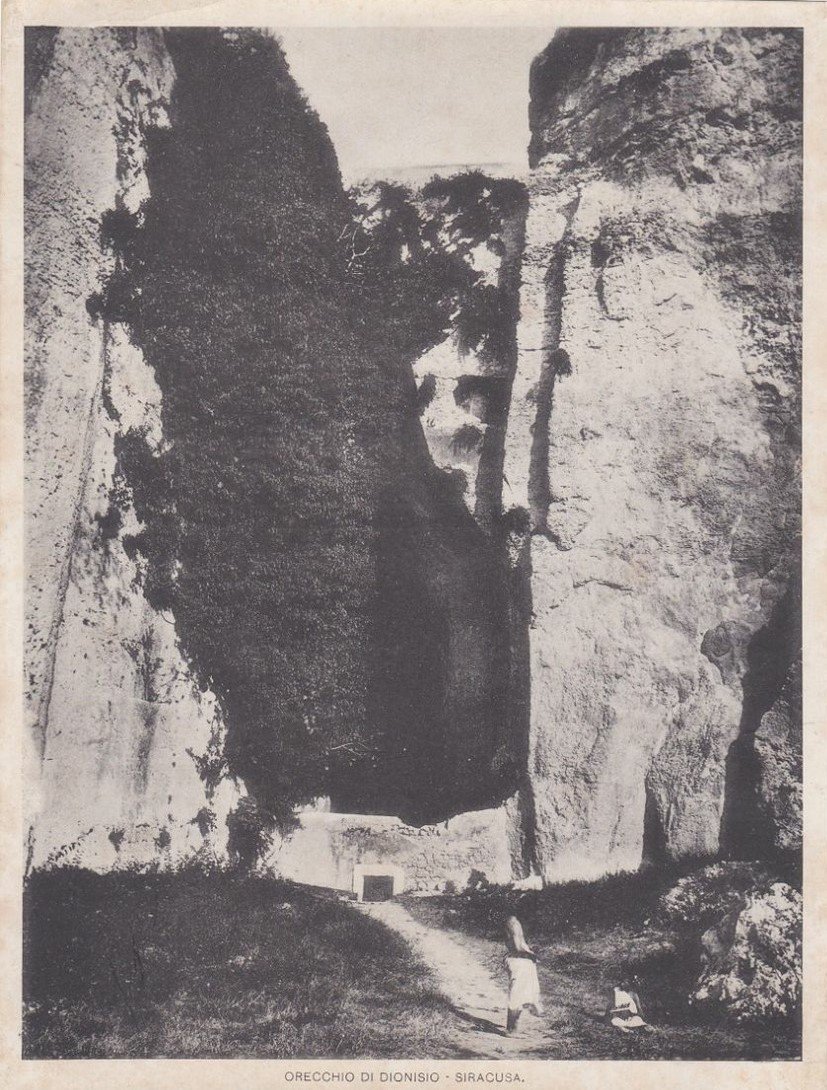
- Neapolis Archaeological Park: Featuring the Greek Theatre, Roman Amphitheatre, and Ear of Dionysius
- Papyrus Museum: Explores the cultural history of papyrus in navigation
Special Events and Photographic Spots
SIRMUMA regularly hosts cultural events, temporary exhibitions, and educational workshops. The Baroque portal and marina setting offer ideal photo opportunities; photography is generally permitted, though flash and tripods may be restricted in certain areas.
Travel Tips
- Visit on weekdays or early mornings for a quieter experience.
- Combine your museum visit with a walking tour of Ortigia’s historic sites.
- Check the news section for updates on events and exhibitions.
- Most exhibits are labeled in Italian; English-speaking staff and guided tours are available.
- Bring a camera, but check photography rules upon entry.
Frequently Asked Questions (FAQ)
Q: What are the Museo del Mare di Siracusa’s visiting hours?
A: Hours vary by location and season; always consult the official website before visiting.
Q: How much are tickets and how can I purchase them?
A: Standard admission ranges from €2 to €8, with discounts for students, seniors, and groups. Tickets are available online and on-site.
Q: Is the museum accessible?
A: The Marina site is primarily ground-level and accessible; the historic site has some limitations. Contact the museum for specific needs.
Q: Are guided tours available in English?
A: Yes, tours in English and other languages can be arranged by contacting the museum in advance.
Q: Is photography allowed?
A: Non-flash photography is generally permitted except in select temporary exhibitions.
Listen to the full story in the app
The whole Museo Del Mare,
told well.
Audio guides for 1,100+ cities across 96 countries. History, stories, and local insight — offline ready.

Verified, and shown.
Researched and written by the Audiala editorial team from historical records, architectural archives, and local expertise.
Researched from Wikidata, Wikipedia & official sources · fact-checked · How we make our guides →