Plan and listen to Greek Theatre Of Syracuse with Audiala.
Audio guide in your pocket, itinerary in your browser. Built for the way you actually visit.
Introduction
Nestled on the southern slope of Temenite Hill in Syracuse, Sicily, the Greek Theatre of Syracuse stands as one of the Mediterranean’s most impressive and best-preserved ancient monuments. Dating back to the 5th century BCE, the theatre is a testament to the enduring influence of Greek civilization in Magna Graecia and remains a vibrant center for cultural events today. Its vast cavea, carved directly into limestone, could once accommodate up to 15,000 spectators. With commanding views over the harbor and Ortygia, the theatre encapsulates the architectural ingenuity and cultural richness of ancient Syracuse (Sicily and Sicilians; Ancient Theatre Archive; Siracusa Travel).
This guide provides a comprehensive overview of the theatre’s history, architecture, visiting hours, ticketing, accessibility, nearby attractions, and practical travel tips. Whether you are a history enthusiast, an architecture aficionado, or a traveler seeking to immerse yourself in Sicily’s rich heritage, the Greek Theatre of Syracuse offers a uniquely layered and memorable experience.
Origins and Foundation
Founded in 734 BCE by Corinthian settlers, Syracuse quickly rose to prominence as a major power in Magna Graecia. The theatre’s construction, attributed to architect Damocopos in the 5th century BCE, marked the city’s cultural ascent. From its inception, the theatre was not only a space for dramatic performances but also a venue for political assemblies and religious rituals, particularly those dedicated to Dionysus (Sicily and Sicilians; Sicilian Blog).
Architectural Evolution
Greek Period
The original structure was hewn directly from the limestone of Temenite Hill. The cavea (seating area) spans approximately 138 meters in diameter, making it one of the largest Greek theatres of the classical world. Its horseshoe-shaped design, large orchestra, and skene (stage building) exemplify Greek architectural principles and optimize acoustics (Spotting History; Sicily and Sicilians).
Hellenistic and Roman Renovations
In the Hellenistic period (3rd century BCE), the theatre was expanded and further adapted to the landscape, improving its acoustics and sightlines. During Roman rule, the cavea was reshaped into a semicircular form, corridors (parodoi) were added, and the skene was reconstructed in a grand Roman style with ornate niches and doors (Spotting History).
Cultural and Historical Significance
The Greek Theatre of Syracuse was at the heart of the city’s civic, religious, and artistic life. It hosted performances of Greek tragedies and comedies and was associated with significant figures such as playwright Aeschylus and mathematician Archimedes. Over time, the theatre became a symbol of the city’s cultural legacy and resilience, adapting to new architectural styles and functions under Roman rule (Great Sicily).
Today, the theatre continues this tradition as an active venue for the annual "Inda" festival of classical drama, attracting international audiences and scholars (Lovely Italia).
Visiting the Greek Theatre of Syracuse
Location and How to Get There
The theatre is located within the Neapolis Archaeological Park, just a short distance from Syracuse’s historic center and overlooking the city and Ortygia island (Italia.it). Syracuse is accessible by train and bus from cities such as Catania and Palermo. Local buses or taxis can take you from the city center to the park entrance.
Opening Hours
- April to October: 9:00 AM – 7:00 PM
- November to March: 9:00 AM – 5:00 PM
- Neapolis Archaeological Park general hours: 8:30 AM – one hour before sunset
Hours may vary during holidays or special events. Consult the official Neapolis Archaeological Park website for current information.
Tickets and Prices
- General Admission: ~€10 for adults
- Reduced Admission: ~€5 for EU citizens aged 18–25
- Free Entry: EU citizens under 18, residents, and on special heritage days
- Combo Tickets: Available for access to multiple sites in the park
Tickets can be purchased at the entrance or online in advance (INDA Foundation Ticket Office). Advance purchase is recommended during peak seasons and event days.
Accessibility
The site offers partial accessibility for visitors with reduced mobility. While ramps and designated paths are available, some areas remain challenging due to ancient terrain. For specific needs, contact the visitor center ahead of your visit.
Guided Tours and Events
Guided tours are offered in multiple languages by experienced guides and local operators. During the “Inda” festival (April–June), classical Greek and Latin dramas are staged in the theatre, reviving its ancient tradition. Concerts and other cultural events are held throughout the year (Hermes Sicily).
Key Features and Statistics
- Cavea: About 138 meters in diameter, accommodating up to 15,000 spectators (Wish Sicily)
- Seating: Divided into ima cavea (27 rows) and summa cavea (40 rows), each with 9 sectors (Ancient Theatre Archive)
- Orchestra: Central circular (Greek) or semi-circular (Roman) performance area, originally 21–21.4 meters in diameter
- Skene: Evolved from a simple wooden backdrop to a monumental Roman scaenae frons
- Acoustics: Renowned for clarity, enabling performances to be heard from any seat (Great Sicily)
- Views: Panoramic vistas of the harbor and Ortygia (Spotting History)
- Additional Features: Roman-era parodoi (side entrances), water management systems for spectacles, and historic inscriptions denoting reserved seating

Nearby Attractions
While at the Neapolis Archaeological Park, explore:
- Roman Amphitheatre
- Altar of Hieron II
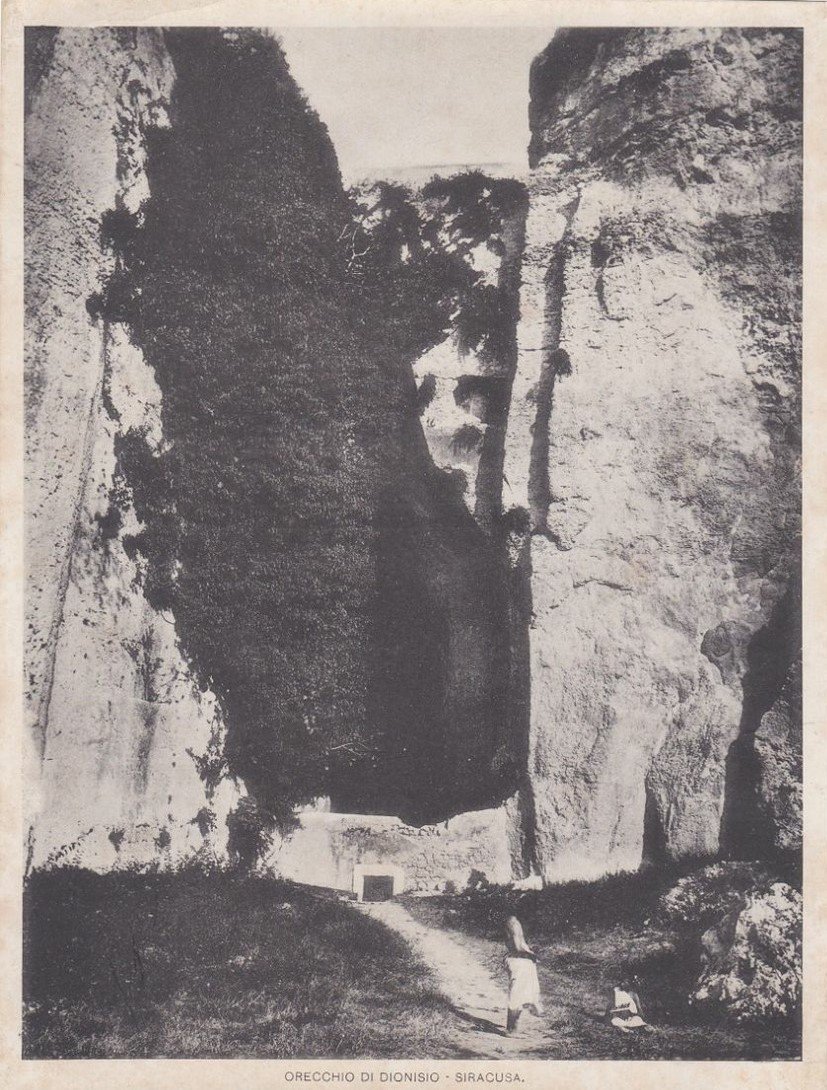
- Ear of Dionysius cave
- Temple of Apollo and the historic center of Ortigia
These sites offer a broader context of Syracuse’s ancient history and are all within walking distance (UNESCO).
Travel Tips
- Best Times to Visit: Early morning or late afternoon in spring/autumn for pleasant weather and fewer crowds
- What to Bring: Sunscreen, hat, water, comfortable shoes
- Photography: Early and late in the day for optimal lighting
- Tickets: Purchase ahead online during high season or performance days
- Accessibility: Check with park staff for the best accessible routes if needed
- Nearby Amenities: Toilets and a café are available onsite; most accommodations are in Ortigia
Frequently Asked Questions (FAQs)
Q: What are the visiting hours of the Greek Theatre of Syracuse?
A: The theatre is open daily from 9:00 AM to 7:00 PM (April–October) and 9:00 AM to 5:00 PM (November–March). Neapolis Archaeological Park opens at 8:30 AM. Always check for seasonal updates.
Q: How much are tickets and where can I purchase them?
A: Standard admission is about €10, with reduced and free options. Tickets are available onsite and online (INDA Foundation Ticket Office).
Q: Is the theatre accessible for wheelchair users?
A: Partial accessibility is provided. Some areas may be challenging; contact the park in advance for assistance.
Q: Are guided tours available?
A: Yes, guided tours are offered in multiple languages and are highly recommended.
Q: Can I attend live performances at the theatre?
A: Yes, especially during the "Inda" festival in spring and summer. Tickets should be purchased in advance.
Q: What should I wear or bring?
A: Comfortable walking shoes, sun protection, and water are recommended.
Listen to the full story in the app
The whole Greek Theatre Of Syracuse,
told well.
Audio guides for 1,100+ cities across 96 countries. History, stories, and local insight — offline ready.

Verified, and shown.
Researched and written by the Audiala editorial team from historical records, architectural archives, and local expertise.
Researched from Wikidata, Wikipedia & official sources · fact-checked · How we make our guides →