About Fonte Ciane
Fonte Ciane, in Syracuse, Italy, is a natural spring and protected reserve known for its papyrus, karstic landscape, and biodiversity. The papyrus grows naturally here, making the site one of Europe’s rare places where it grows freely (Atlas Obscura, Show Caves).
The site is also associated with ancient Greek-Sicilian mythology and with Bronze Age remains that indicate contact with Mycenaean Greeks (Atlas Obscura, Expression Blend). Today, the area is protected as part of the Natural Reserve of the Ciane River and Saline of Syracuse (Enjoy Sicilia).
History
Mythology
According to legend, Hades abducted Persephone, daughter of Demeter, at Fonte Ciane. The Roman author Ovid recounts how Ciane, a water nymph and companion of Persephone, tried to stop Hades. Overcome with grief when she failed, she dissolved into tears, creating the azure lake. The name “Ciane” is derived from the Greek word kyanos, meaning “dark blue,” a reference to the river’s waters (Atlas Obscura).
Historical accounts and archaeology
Diodorus Siculus wrote in The Library of History that Hercules instituted worship rites for the goddesses at the site. Gelon, a ruler of Syracuse, later built a temple in their honor. Despite more than a century of archaeological efforts, the temple remains undiscovered (Show Caves).
The surrounding limestone area contains Bronze Age tombs. Grave goods found there are displayed in the Museo Archeologico Regionale Paolo Orsi and indicate contact with Mycenaean Greeks, offering evidence of ancient interactions and trade networks in the region (Expression Blend).
Papyrus and preservation
Papyrus grows naturally at Fonte Ciane and has been described as growing freely in only one place in Europe. It may have been introduced as a gift from Ptolemy II Philadelphus to Hiero II of Syracuse in the third century BC. Its luxuriant growth has been compared with that of Egypt (Top Secret Sicily).
The Ciane River Reserve protects the papyrus and the environment of the salt pans near the river’s mouth. The Natural Reserve of the Ciane River and Saline of Syracuse, together with the Natural Reserve of the mouth of the Fiumefreddo River, is described as the only site where papyrus grows spontaneously in Europe (Enjoy Sicilia).
What to see and do
Fonte Ciane’s karst landscape includes an underground cave system filled with water. It drains rainwater from the hills west of Syracuse toward the Mediterranean Sea. Impermeable sediments cover the coastal plain around Syracuse and prevent water from resurfacing, but at Fonte Ciane part of the aquifer emerges and flows toward the sea (Show Caves).
Walking trails run through the reserve, with varying levels of difficulty. They are well marked and offer ways to explore its ecosystems. The scenic walkway toward the Temple of Olympian Zeus is approximately three kilometers long (Atlas Obscura).
The reserve is also a place for bird watching; birds found there include herons, kingfishers, and migratory species. Its scenery, papyrus, and wildlife provide opportunities for photography. Photography is allowed.
Guided tours explore the site’s history, mythology, and ecology. Some include a boat ride along the Ciane River, offering views of the papyrus and surrounding landscape. Tours can also provide historical context while visitors experience the area’s quiet environment (Veronika's Adventure).
Practical visiting information
Hours and tickets
Fonte Ciane is listed as open daily from 9 AM to 6 PM. The reserve is also described as open to the public year-round.
Entry is free. Guided tours may have additional costs.
Getting there
Fonte Ciane is approximately 10 kilometers from Syracuse city center. Visitors can reach it by car, taxi, or local bus. Bus schedules can be infrequent, so planning ahead is advisable. Guided tours are also available.
Accessibility
The site is described as accessible to visitors with mobility impairments. However, the reserve may not be fully accessible to people with mobility issues: trails can be uneven and may not suit wheelchairs or strollers. Efforts are being made to improve accessibility; local tourist information centers may have the latest updates.
Tips for visiting
Spring and autumn are recommended to avoid the summer heat. More specifically, late spring and early summer (May to June) and early fall (September to October) are described as pleasant periods for outdoor activities, with temperatures ranging from 50°F to 85°F. These months are also less crowded than peak summer (Travellers Worldwide).
Bring sturdy, comfortable walking shoes for the uneven terrain, along with water and snacks, as amenities are limited. Sunscreen, a hat, and sunglasses are useful in warmer months. For photography, early morning and late afternoon offer favorable light; the golden hours shortly after sunrise and before sunset have soft, warm light. Wildlife photography calls for patience and quiet movement, while a wide-angle lens can capture the landscape, river, papyrus, and distant mountains.
Stay on marked trails, check the weather forecast before visiting, and drink plenty of water, especially in summer. As the reserve is protected, do not pick plants, disturb wildlife, or leave litter. Keep noise levels low to preserve the quiet atmosphere and avoid disturbing wildlife and other visitors. Eco-friendly practices include minimizing waste, using reusable water bottles, and supporting local conservation efforts.
There are no dining facilities within the reserve. Restaurants and cafes in nearby Syracuse serve Sicilian food, including seafood and traditional pasta dishes. Visitors can also bring a picnic and take all waste with them. Markets and shops in Syracuse sell souvenirs such as locally produced olive oil, wine, handcrafted ceramics, and papyrus products.
Nearby places
Temple of Olympian Zeus
The ancient temple is a short walk from Fonte Ciane and is the destination of the reserve’s approximately three-kilometer scenic walkway.
Museo Archeologico Regionale Paolo Orsi
The museum displays grave goods from Bronze Age tombs around Fonte Ciane, including artifacts that indicate contact with Mycenaean Greeks.
Other nearby attractions
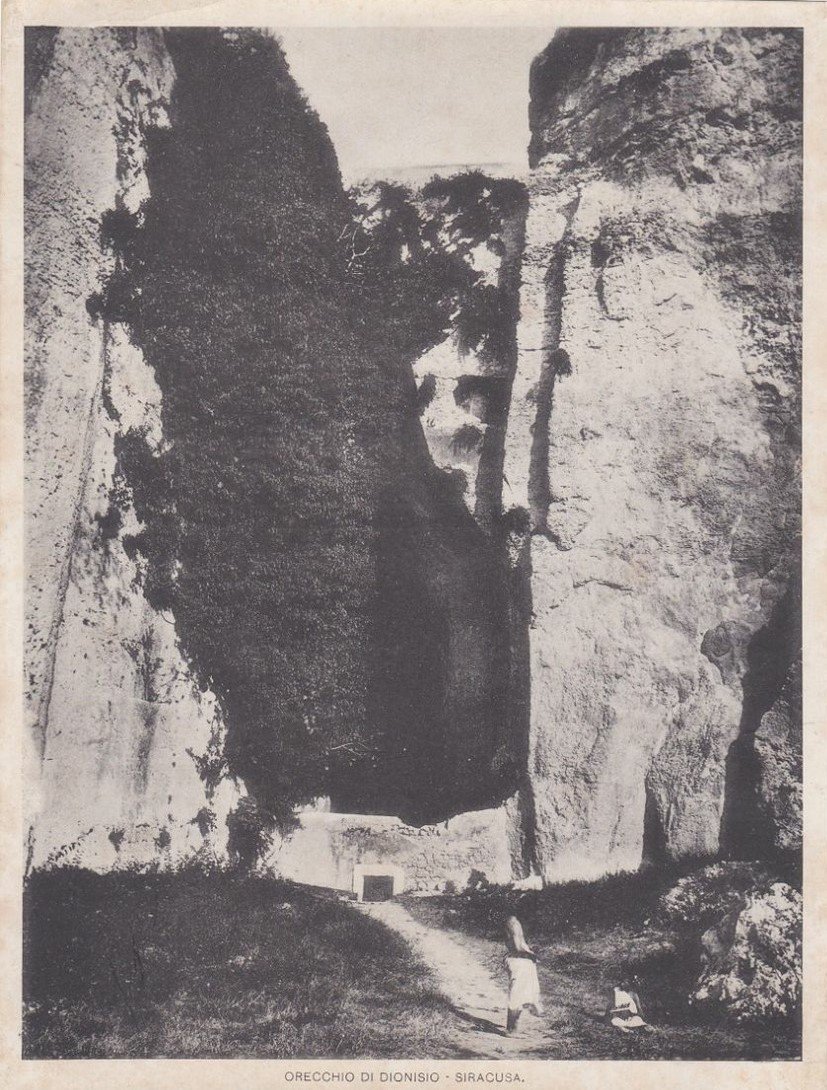
Syracuse’s historical sites include the ancient Greek Theatre, the Ear of Dionysius, and Ortigia Island. The Neapolis Archaeological Park includes the Roman Amphitheatre and the Altar of Hieron II.
Plemmirio Marine Park is along the coast and is a destination for snorkeling and diving, with clear water and marine life.
FAQ
How do I get to Fonte Ciane?
You can reach Fonte Ciane by car or public transport from Syracuse. Taxis, local buses, and guided tours are also options.
Are there any special events held at Fonte Ciane?
Occasional cultural and historical events are held at the site. Check local listings for more information.
Is photography allowed at Fonte Ciane?
Yes. Photography is allowed, and the reserve has many picturesque spots.