Introduction
The Catacombs of San Giovanni Evangelista lie beneath the ruins of the Basilica di San Giovanni Evangelista in Syracuse, Sicily, and are among the most significant early Christian burial sites in Italy. These underground galleries not only offer a journey through early Christian history but also provide a remarkable glimpse into Syracuse’s role as a crossroads of Mediterranean civilizations. This guide covers everything you need to know for visiting: historical context, architectural highlights, ticketing and accessibility, nearby attractions, and practical travel tips. Whether you are a history enthusiast or a cultural traveler, the catacombs offer a unique window into the spiritual and artistic legacy of Sicily.
(Comune di Siracusa, Sicily.co.uk, Giovanni Dall'Orto)
Photo Gallery
Explore Catacombs of San Giovanni Evangelista in Pictures
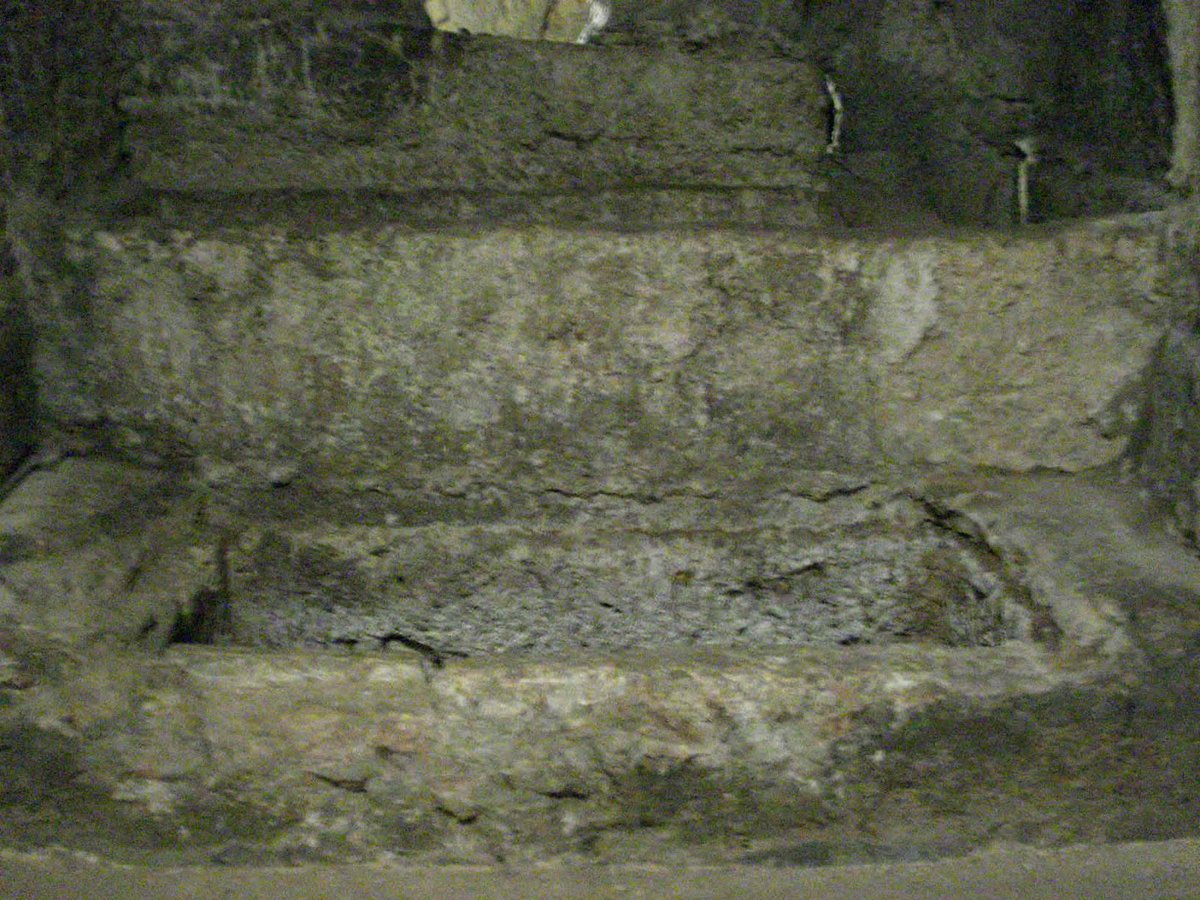
Historic Eusebio Papa Tomb located in the San Giovanni Catacombs showcasing ancient stone carvings and Christian burial site architecture
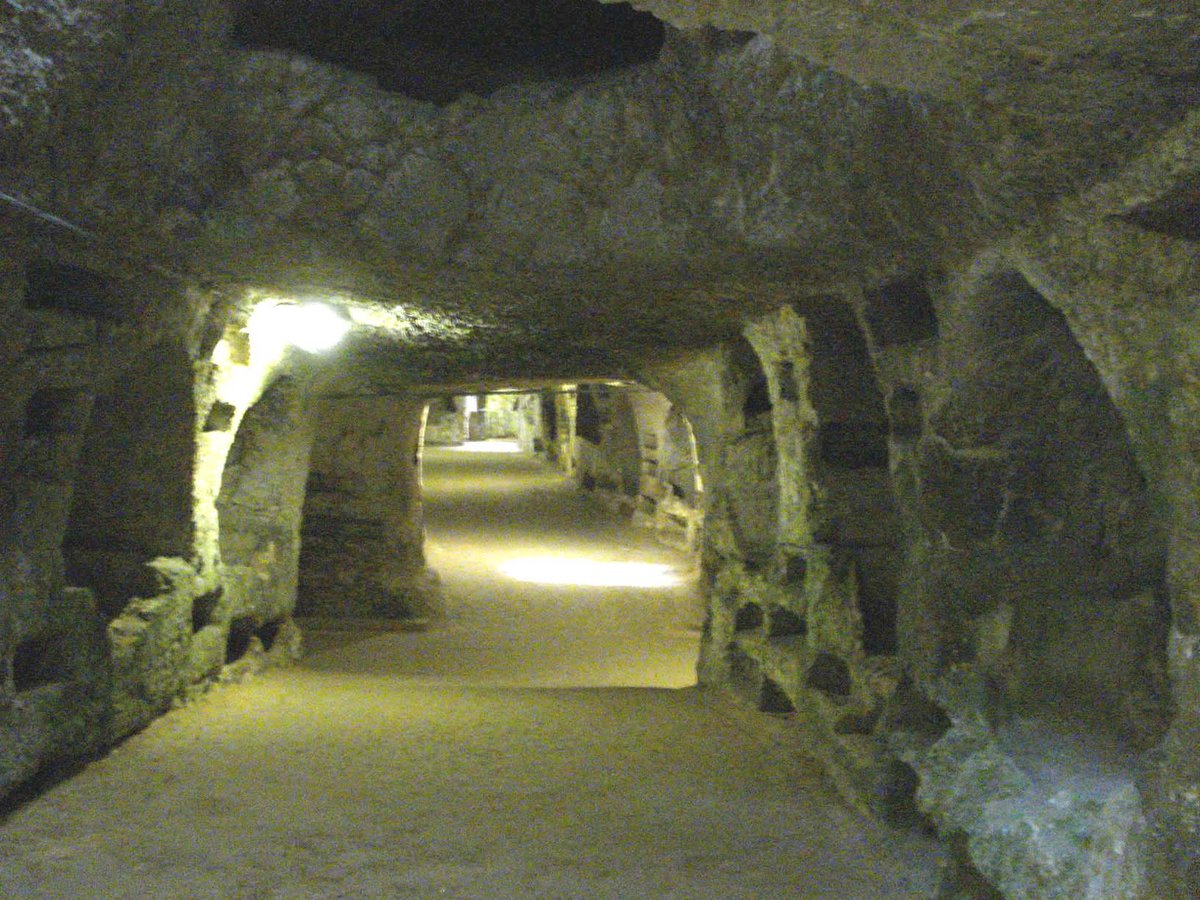
Main underground road of San Giovanni Catacombs showing ancient burial niches carved in the walls
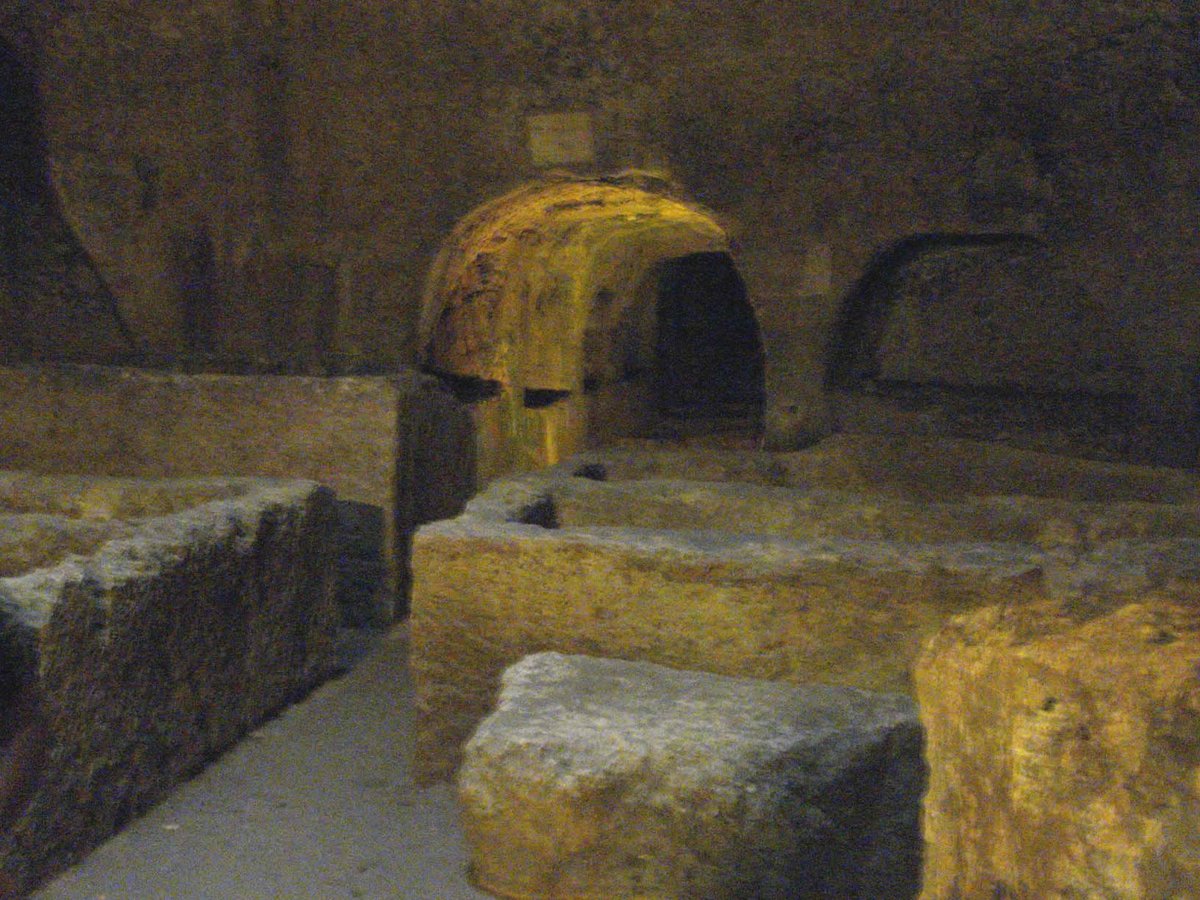
Interior view of the Rotonda of Sarcophagi featuring rows of ancient stone sarcophagi displayed in a circular arrangement
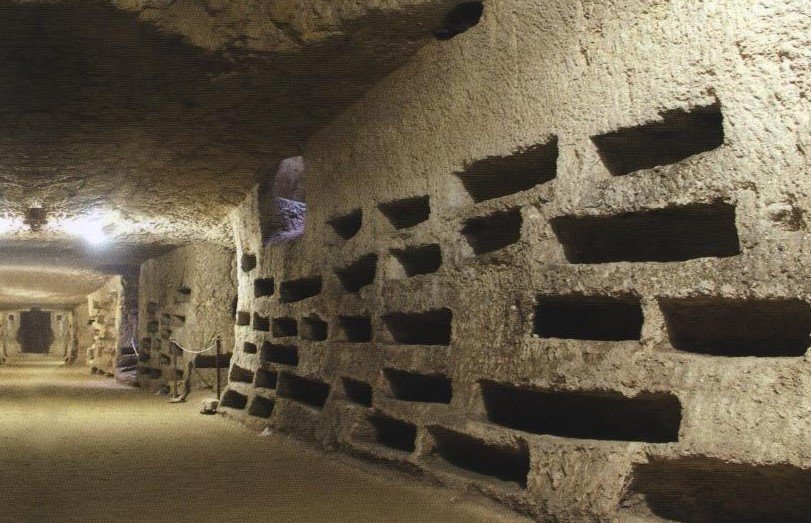
San Giovanni Catacombs featuring rows of ancient loculi burial niches carved into the walls of the underground cemetery
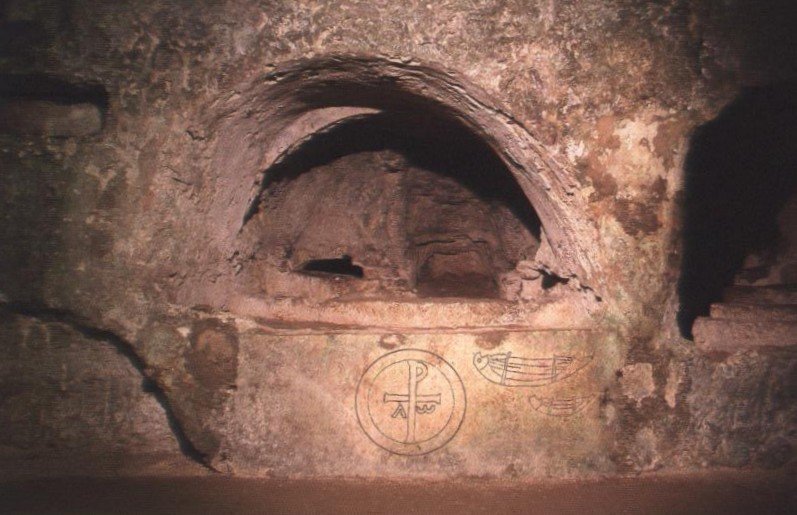
Historic tomb of Bishop Siracosio featuring intricate stone carvings and religious symbols
Early Christian Origins and History
Christianity in Syracuse began as early as 39 AD, with St. Marcianus (San Marziano) serving as the city’s first bishop. Following the Edict of Milan in 313 AD, which legalized Christianity, the catacombs were created between 315 and 360 AD by expanding a disused Greek aqueduct. The catacombs became both burial grounds and places of worship, embodying the religious and social dynamics of early Christian society.
(Comune di Siracusa, Pontifical Commission for Sacred Archaeology)
Architectural Layout & Features
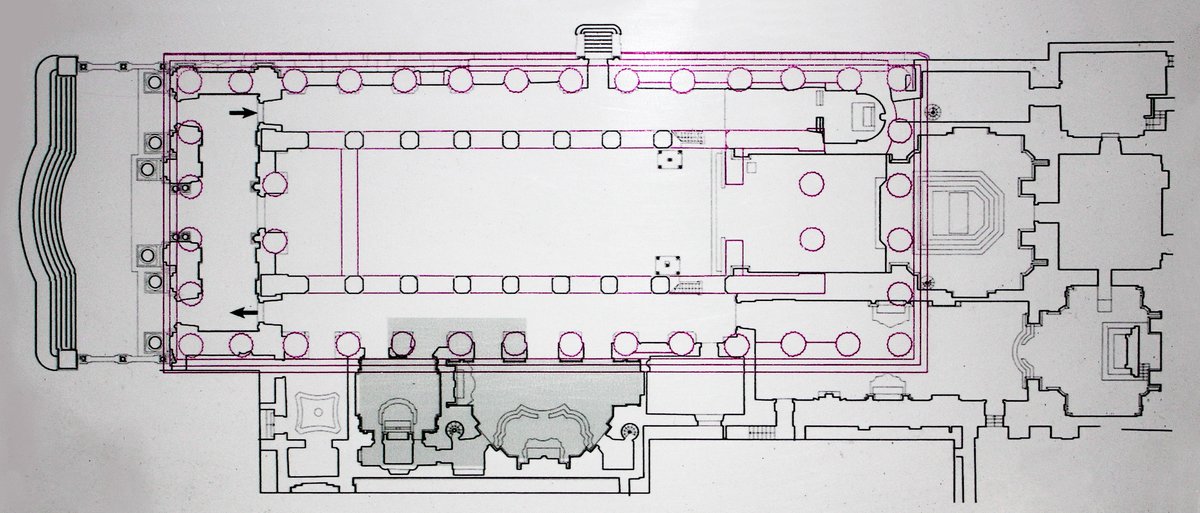
The Catacombs of San Giovanni Evangelista cover nearly 10,000 square meters and are structured around a central rotunda, a feature likely adapted from a pre-existing Greek or Roman cistern. From this central chamber, the “Decumanus Maximus” extends as the main axis, with ten perpendicular galleries (cardines) branching out, creating a grid-like pattern reminiscent of a Roman military camp.
(Sicily.co.uk, Siracusa Travel, Visit Sicily)
Burial Types
- Loculi: Horizontal niches in the walls for single burials.
- Arcosolia: Arched recesses for family burials or the wealthy.
- Cubicula: Private family chambers, often decorated.
- Polysome Arcosolia: Long niches for multiple burials.
The crypt of St. Marcianus and other chapels, such as those of the nuns from the Byzantine period, highlight the catacombs’ complexity and significance.
(Syracuse Turismo)
Structural Engineering
The catacombs demonstrate advanced Roman engineering with barrel and groin vaults, drainage channels, and ventilation shafts cut into the limestone, ensuring stability and the preservation of both remains and artwork.
(UNESCO)
Religious & Social Significance
The catacombs served as both burial sites and centers for worship and community rituals. Notably, the crypt of St. Marcianus is a focal point for pilgrims venerating Syracuse’s first bishop. The “refrigerium,” a funerary banquet ritual, was performed here, with wine or honey poured into tombs as offerings for the deceased—a blend of Christian and pagan traditions.
(Comune di Siracusa)
Artistic Heritage and Discoveries
Despite centuries of looting, the catacombs retain significant archaeological value. Frescoes and wall paintings depict Christian symbols—the Good Shepherd, orant figures, doves, fish, and anchors—while inscriptions in Latin and Greek reflect Syracuse’s multicultural past.
(Italy Magazine, Archaeological Park of Neapolis, Atlas Obscura)
The Sarcophagus of Adelfia
One of the greatest finds, the Sarcophagus of Adelfia, is adorned with biblical scenes and now housed in the Museo Archeologico Paolo Orsi. Other notable artifacts include epigraphs such as the inscription of Eskia, important for the veneration of Saint Lucy.
(Siracusa Travel, The Italian Academy)
Preservation and Modern Access
Centuries of abandonment, earthquakes (notably in 1693 and 1908), and looting have stripped many original features, but ongoing conservation ensures the site’s stability. Today, the ruins, crypt, and catacombs are protected and accessible via guided tours, with modern efforts focusing on climate control and visitor management.
(Comune di Siracusa, algila.it)
Visiting Hours, Tickets & Guided Tours
- General Hours: Tuesday–Sunday, typically 9:00–13:00 and 15:00–18:00 (seasonal variations apply; always check the Comune di Siracusa website).
- Guided Tours: Mandatory and depart every 15–30 minutes, offered in Italian and English.
- Ticket Prices (2025): €8 adults; €5 for children under 16, seniors over 65, groups, military, and law enforcement. Educational rates and group bookings on request.
- Booking: Advance booking is strongly recommended, especially in peak seasons.
(algila.it, Lonely Planet)
Accessibility Information
While the catacombs are on one level, entrance requires descending a steep staircase, making access challenging for those with mobility impairments or claustrophobia. The site is not wheelchair accessible. Wear comfortable shoes and bring a jacket, as the environment is cool and damp year-round.
(Giovanni Dall'Orto)
Practical Travel Tips
- Book in advance, especially for group tours.
- Dress appropriately for the cool underground climate.
- Photography is generally not permitted inside; follow all posted guidelines.
- Public parking and city buses are available nearby. Shuttle buses and taxis are also options.
- Combine your visit with nearby museums and archaeological parks for a full day’s exploration.
Nearby Syracuse Historical Sites
-
Museo Archeologico Paolo Orsi: 200 meters from the catacombs, this museum houses artifacts from prehistoric to late Roman periods, including the Sarcophagus of Adelfia.
(Museo Archeologico Paolo Orsi) -
Santuario della Madonna delle Lacrime: A modern basilica known for its dramatic spire and the 1953 miracle of the weeping Madonna.
(Santuario della Madonna delle Lacrime) -
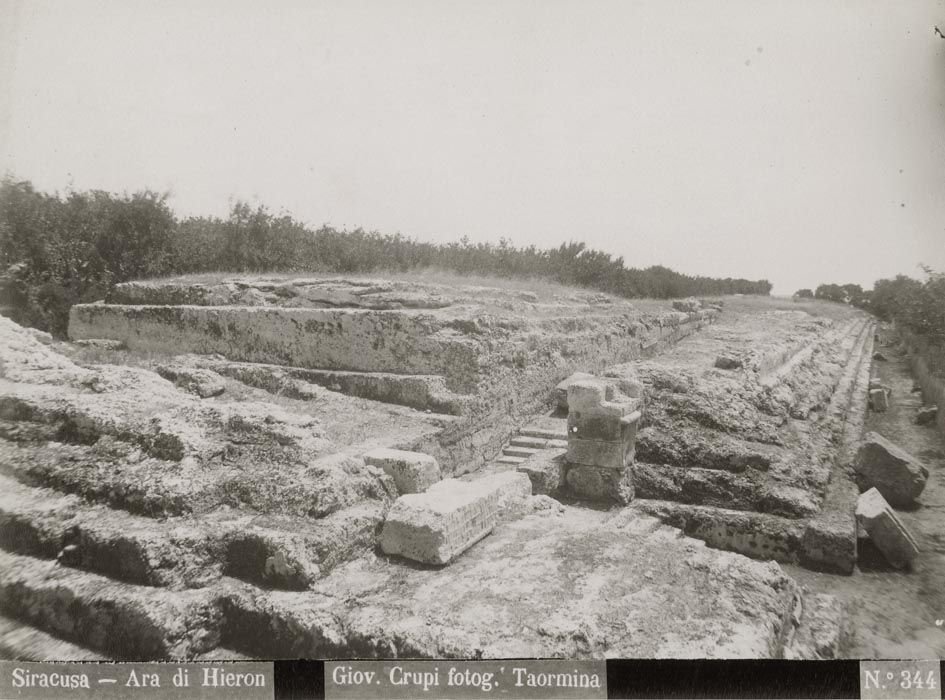
Parco Archeologico della Neapolis: Home to the Greek Theatre, Roman Amphitheater, Latomia del Paradiso, and Ara di Gerone II.
(Parco Archeologico della Neapolis) -
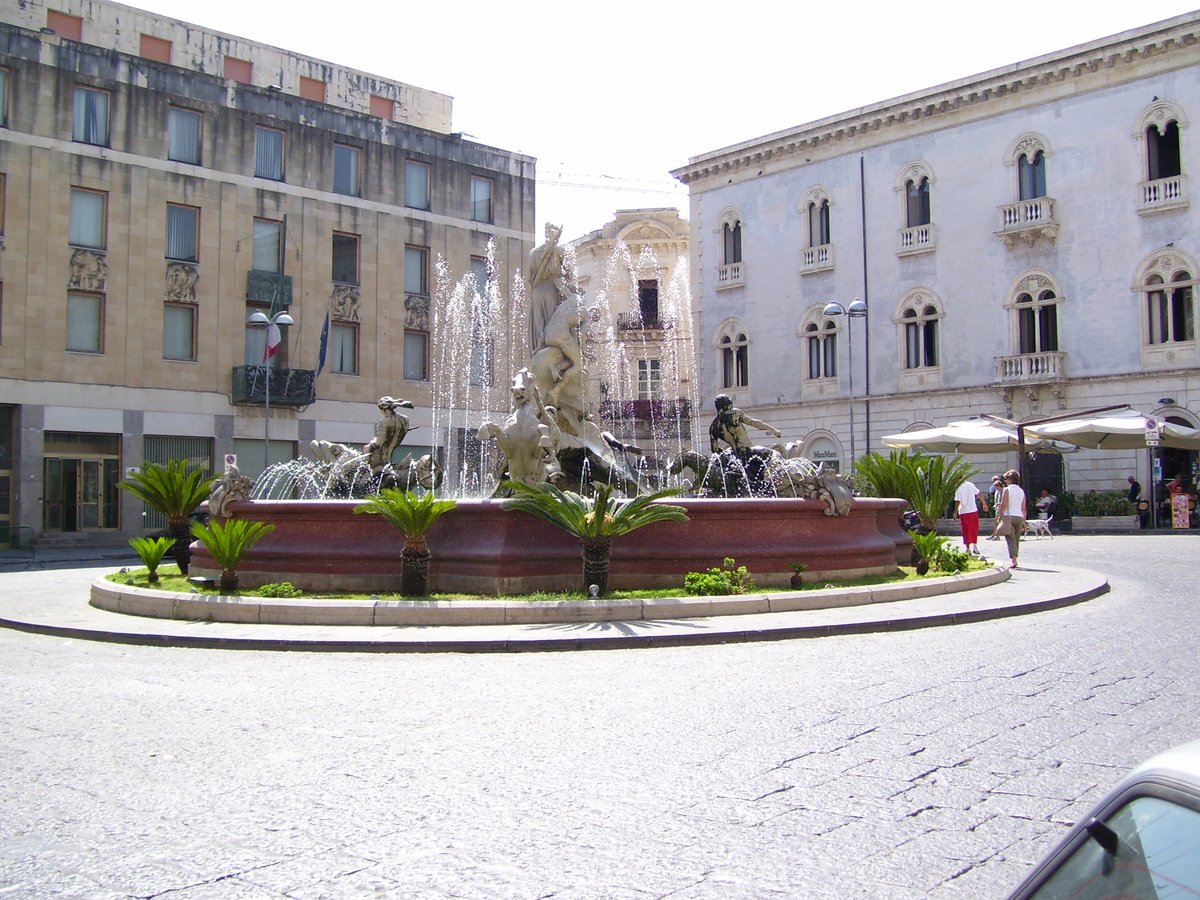
Duomo di Siracusa & Piazza del Duomo (Ortigia): Blending ancient Greek, Norman, and Baroque elements, this cathedral is a highlight of Ortigia, Syracuse’s old town.
(Duomo di Siracusa) -
Latomia dei Cappuccini: Ancient limestone quarries with dramatic cliffs and historical significance.
(The Crazy Tourist)
Frequently Asked Questions (FAQ)
Q: What are the Catacombs of San Giovanni Evangelista visiting hours?
A: Typically Tuesday–Sunday, 9:00–13:00 and 15:00–18:00. Confirm on the official website before visiting.
Q: How do I buy tickets?
A: Tickets are available onsite and online through official sources. Guided tours are required.
Q: Is the site accessible for people with disabilities?
A: The catacombs are not wheelchair accessible due to stairs and uneven terrain.
Q: Can I take photographs inside?
A: Photography is generally not allowed inside to protect the site. Confirm with your guide.
Q: How long does a visit take?
A: Guided tours last around 30–40 minutes.
Q: Are there combination tickets for other sites?
A: Sometimes, combination tickets with other attractions are available. Check onsite or online for current offers.
Listen to the full story in the app
Your Personal Curator, in Your Pocket.
Audio guides for 1,100+ cities across 96 countries. History, stories, and local insight — offline ready.
Audiala App
Available on iOS & Android
Join 50k+ Curators
Sources
- verified
- verified
- verified
- verified
- verified
- verified
- verified
- verified
Last reviewed: