Plan and listen to Altar Of Hieron with Audiala
Audio guide in your pocket, itinerary in your browser. Built for the way you actually visit.
Introduction
The Altar of Hieron II, also known as the Great Altar of Syracuse, is one of the most significant historical structures in Italy. Situated in the Neapolis Archaeological Park in Syracuse, Sicily, this monumental altar dates back to the Hellenistic period and was commissioned by King Hiero II. As the largest known altar from antiquity, measuring approximately 196 meters in length and 23 meters in width, it serves as a remarkable testament to the grandeur and religious fervor of ancient Syracuse (Spotting History). Originally dedicated to Zeus Eleutherios, the Liberator, the altar was constructed to commemorate the fall of Trasibulus and celebrate the 500th anniversary of Syracuse's foundation (Siracusa Culture). For modern visitors, the Altar of Hieron II offers a unique glimpse into the past, surrounded by other significant historical structures such as the Greek Theatre and the Roman Amphitheatre. This guide provides comprehensive information on the history, architectural features, and visitor tips for exploring this remarkable site.
Historical Background
Construction and Purpose
The Altar of Hieron II was constructed by King Hiero II of Syracuse during the Hellenistic period. Measuring approximately 196 meters in length and 23 meters in width, it stands as the largest known altar from antiquity (Spotting History). The altar was built to commemorate the fall of Trasibulus in 466 B.C. and was likely dedicated to Zeus Eleutherios, the Liberator (Siracusa Culture).
Stylistic and Archaeological Evidence
The altar's construction is attributed to Hiero II based on historical accounts by Diodorus Siculus and stylistic analysis of sculptural fragments. These fragments were created concurrently with the third phase of the nearby Greek theatre, dating to after 235 B.C. (Wikipedia). Additionally, a votive deposit found in a natural grotto under the eastern side of the altar indicates that the area was already considered sacred during the Archaic period, shortly after the establishment of Syracuse (Spotting History).
Architectural Features
The altar was a grandiose structure, originally surrounded by porticos and featuring a large square with a portico on three sides. The portico had 14 columns on the short sides and 64 on the long sides, with a propylaum in the center (Enjoy Sicilia). The sacrificial animals accessed the altar via two ramps facing north and south, and a raised area in the center was used for sacrificial fires. The north ramp still shows the feet of one of the telamons that adorned the entrances (City Map Sicilia).
Historical Significance
The Altar of Hieron II served multiple purposes. It was a site for grand religious ceremonies, including the sacrifice of up to 450 bulls in a single day, which was a way to propitiate the gods and demonstrate the wealth and resources of Syracuse (Giovanni Dall'Orto). The altar also played a role in the meetings of the League of the Sicilians, which was under Hiero's control after the First Punic War. Additionally, it may have been built to celebrate the 500th anniversary of Syracuse's foundation (Wikipedia).
Decline and Excavations
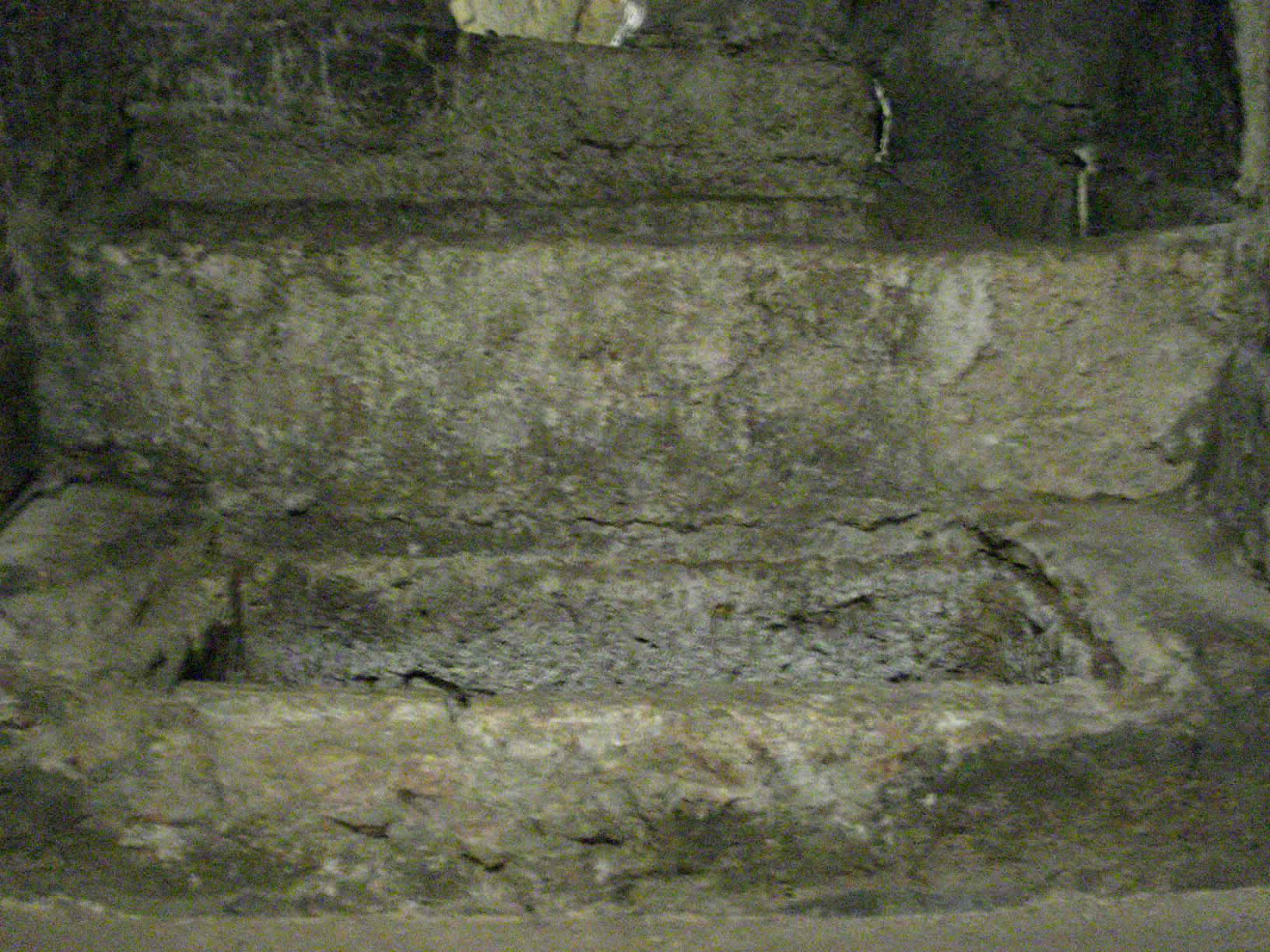
From late antiquity onwards, the altar was quarried for raw materials to construct other structures in Syracuse. The most recent significant quarrying occurred in the 16th century when the Spanish used the stones to build the fortifications of Ortygia (Wikipedia). Today, only the base of the altar remains, carved into the rock, while the upper structures have been lost to time and human activity (Giovanni Dall'Orto).
Cultural and Religious Context
The Altar of Hieron II is a prime example of the Sicilian Greek tradition of monumental altars. It represents the culmination of this tradition, following earlier examples such as the 54.5-meter-long altar of the fifth-century Temple of Olympian Zeus at Agrigento (Wikipedia). The altar's grand scale and the elaborate ceremonies conducted there underscored the religious and cultural significance of the site.
Modern-Day Relevance
Today, the Altar of Hieron II is part of the Neapolis Archaeological Park in Syracuse, which also includes other significant historical structures such as the Greek Theatre and the Roman Amphitheatre (The Geographical Cure). Visitors can explore the remnants of this monumental altar and gain insights into the rich history and cultural heritage of ancient Syracuse.
Visitor Information
The Neapolis Archaeological Park is open year-round, with varying hours depending on the season. It is recommended to check the official website for the most up-to-date information on opening hours (The Geographical Cure). The park offers guided tours that can enhance the visitor experience by providing detailed historical and cultural context. Facilities within the park include cafes and restrooms, ensuring a comfortable visit for tourists.
FAQ
What are the Altar of Hieron II visiting hours?
The Neapolis Archaeological Park, where the Altar of Hieron II is located, is open year-round with varying hours depending on the season. Check the official website for the most up-to-date information on opening hours.
How much are tickets to the Altar of Hieron II?
Ticket prices for the Neapolis Archaeological Park vary. It is best to visit the official website for current pricing and any available discounts.
Can I buy tickets online?
Yes, tickets can often be purchased online through the official website or other authorized ticket vendors.
Discover More
The Altar of Hieron II stands as a testament to the grandeur and religious fervor of ancient Syracuse. Its historical significance, architectural features, and cultural context make it a must-visit site for anyone interested in the rich heritage of Sicily. Despite the loss of much of its original structure, the altar's remaining base offers a glimpse into the past and the monumental achievements of the Hellenistic period. For more information, download our mobile app Audiala, check out other related posts, or follow us on social media for updates.
Listen to the full story in the app
Researched and written by the Audiala editorial team from historical records, architectural archives, and local expertise.
Altar of Hieron
(2021, April 21). The Altar of Hieron
Altar of Hieron
Ara di Ierone
Altar of Hieron
Altar of Hieron II, Siracusa
Guide to Neapolis Archaeological Park in Syracuse, Sicily
Last reviewed