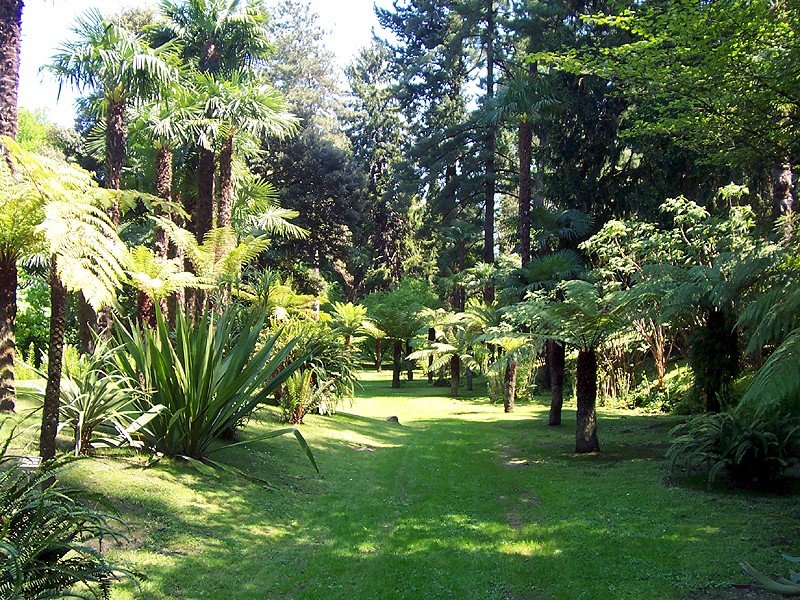
Plan and listen to Giardini Botanici Villa Taranto with Audiala.
Audio guide in your pocket, itinerary in your browser. Built for the way you actually visit.
Introduction
Nestled on the picturesque western shore of Lake Maggiore in Stresa, Italy, Villa Taranto is a sanctuary of botanical beauty and historical significance. Known not just for its stunning array of flora, Villa Taranto is a testament to the vision and dedication of its founder, Captain Neil Boyd Watson McEacharn. Established in 1931, the garden spans approximately 16 hectares and has transformed into one of the world's most renowned botanical gardens. This comprehensive guide aims to provide potential visitors with all the essential information they need, from its rich history and cultural impact to practical travel tips and ticket information. Whether you're a history enthusiast, a nature lover, or simply seeking a tranquil escape, Villa Taranto offers an unforgettable experience. For more insights and updates, visit the official website.

History of Villa Taranto
Origins and Early Development
Villa Taranto is a testament to the vision and dedication of its founder, Captain Neil Boyd Watson McEacharn. Born in 1884 in Melbourne, Australia, McEacharn was a passionate botanist and horticulturist. In 1931, he purchased the property, which was then known as La Crocetta, with the dream of transforming it into one of the world's most beautiful botanical gardens. The estate, covering approximately 16 hectares, was ideally situated on the western shore of Lake Maggiore, offering a perfect microclimate for diverse plant species.
Transformation into a Botanical Garden
McEacharn's vision for Villa Taranto was ambitious. He aimed to create a garden that would rival the great botanical gardens of Europe. To achieve this, he imported thousands of plants from all over the world, including rare and exotic species. The transformation of the estate into a botanical garden involved significant landscaping efforts, including the construction of terraces, fountains, and greenhouses. By 1940, the garden boasted over 20,000 plant species, making it one of the most diverse collections in Europe.
World War II and Post-War Restoration
The outbreak of World War II in 1939 posed significant challenges for Villa Taranto. McEacharn, of Scottish descent, faced internment as an enemy alien by the Italian authorities. During the war, the garden suffered neglect and damage. However, McEacharn's passion for his creation never waned. After the war, he returned to Villa Taranto and began the arduous task of restoring the garden to its former glory. His efforts were rewarded, and by the 1950s, Villa Taranto had regained its status as a premier botanical garden.
Public Opening and Legacy
In 1952, McEacharn made the decision to open Villa Taranto to the public. This move was driven by his desire to share the beauty and diversity of the garden with a wider audience. The public opening was a resounding success, attracting visitors from all over the world. McEacharn continued to oversee the garden's development until his death in 1964. In his will, he bequeathed Villa Taranto to the Italian state, ensuring its preservation for future generations.
Modern-Day Significance
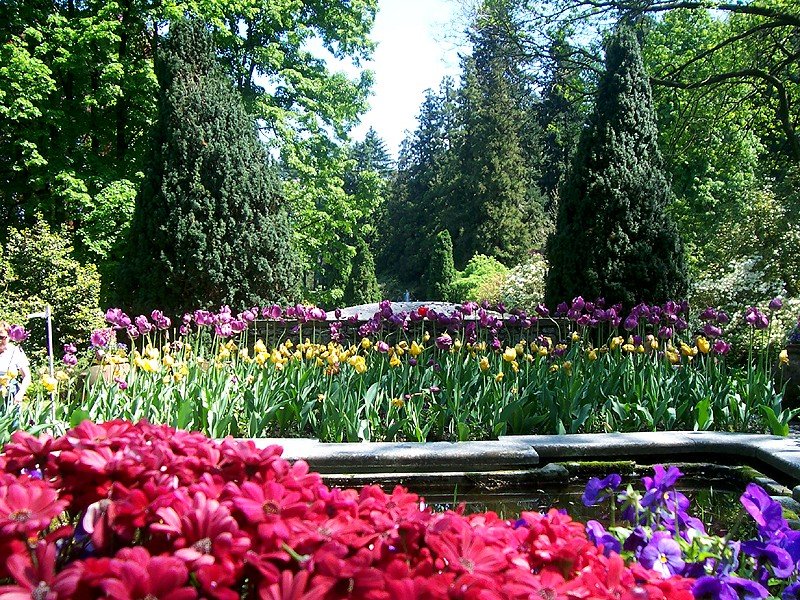
Today, Villa Taranto remains one of Italy's most important botanical gardens. It is managed by the Ente Giardini Botanici Villa Taranto, a foundation dedicated to the garden's maintenance and development. The garden continues to attract thousands of visitors each year, who come to marvel at its stunning landscapes and diverse plant collections. Notable features include the Dahlia Maze, which showcases over 300 varieties of dahlias, and the Victoria House, home to the giant water lily Victoria cruziana.
Architectural and Horticultural Highlights
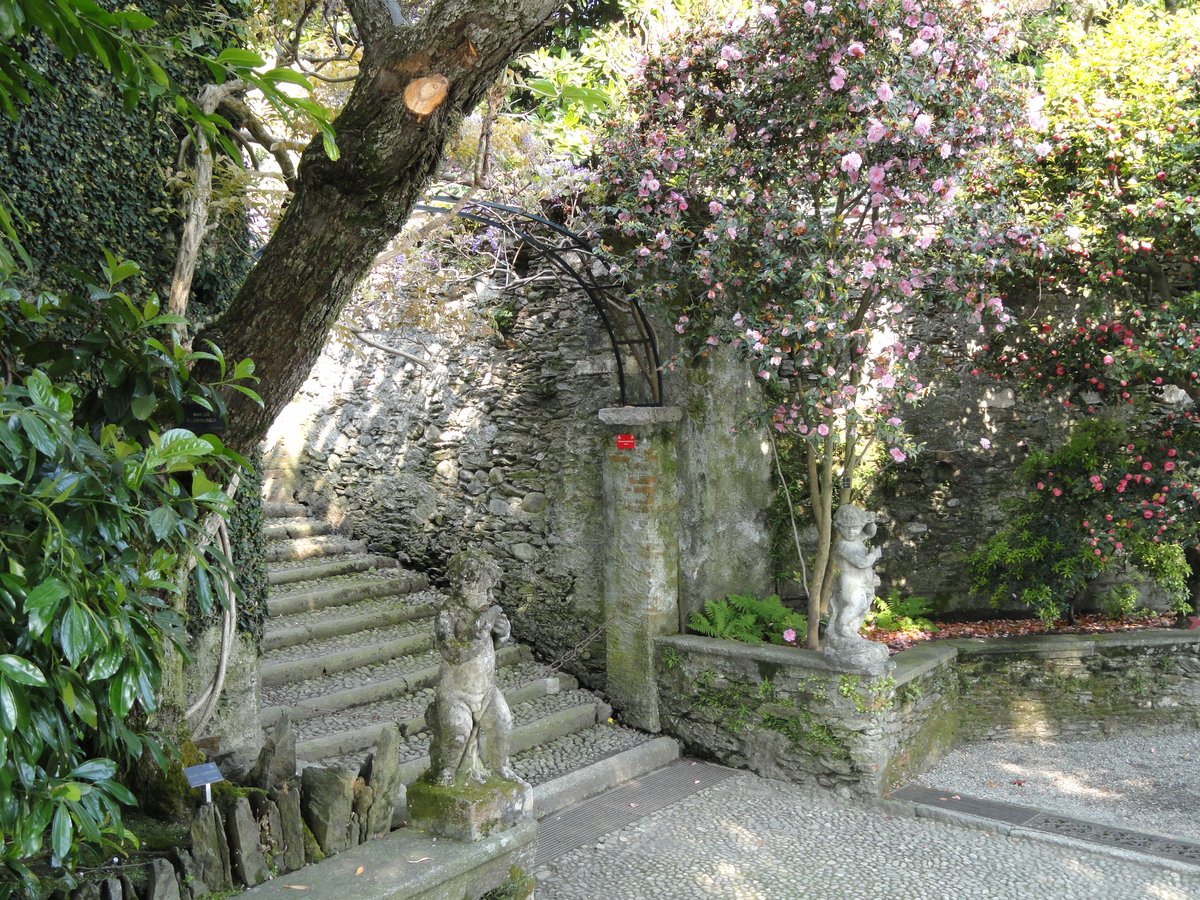
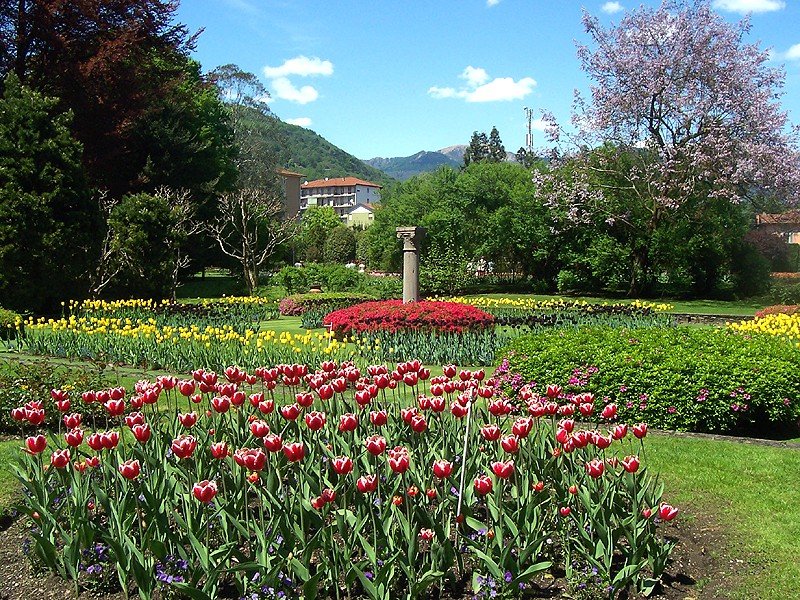
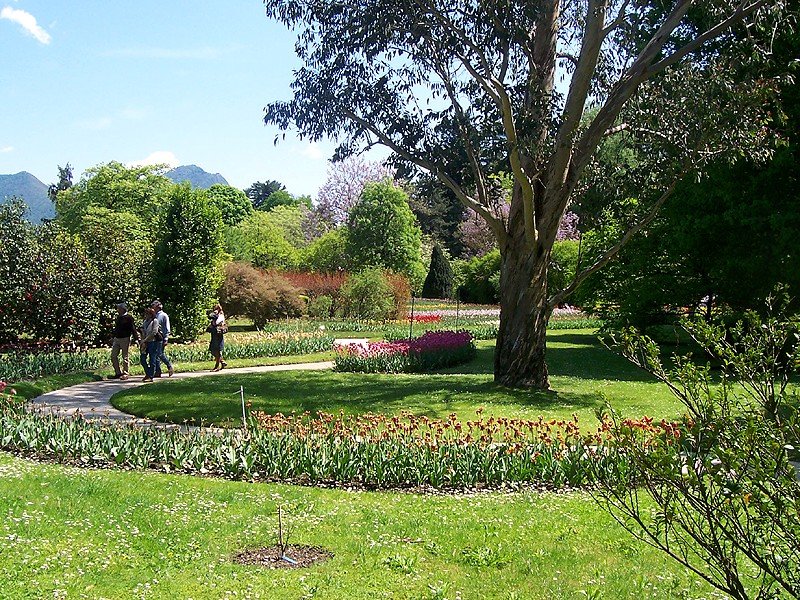
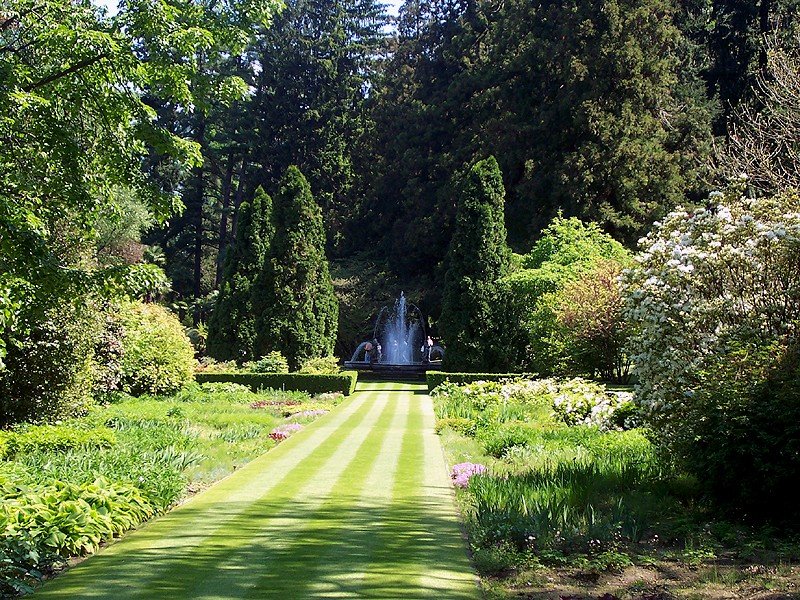
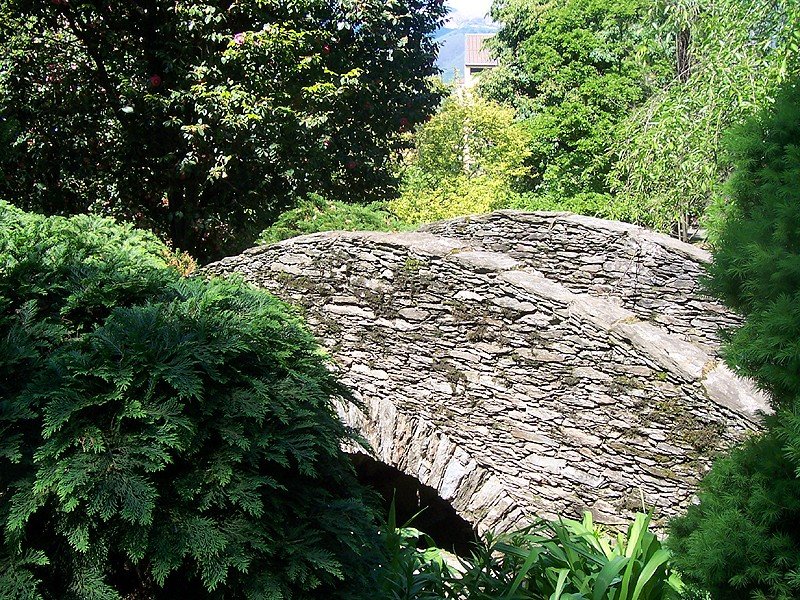
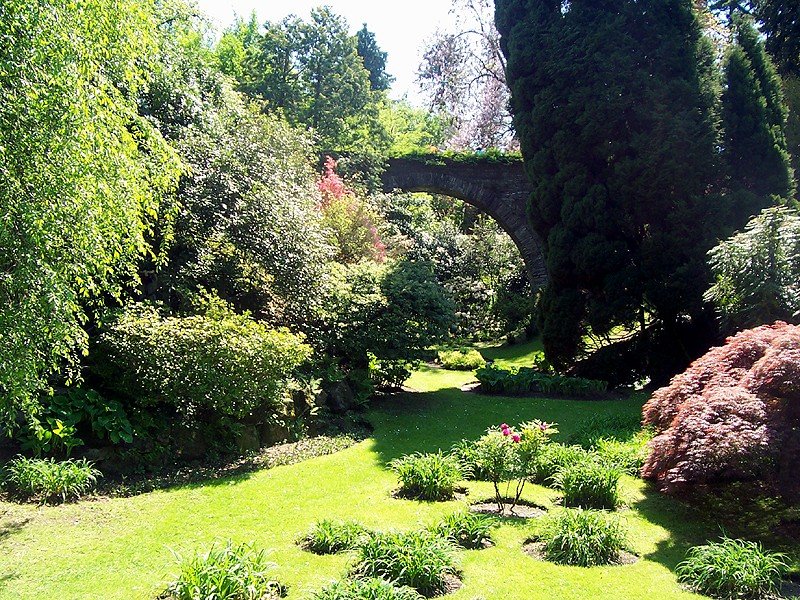
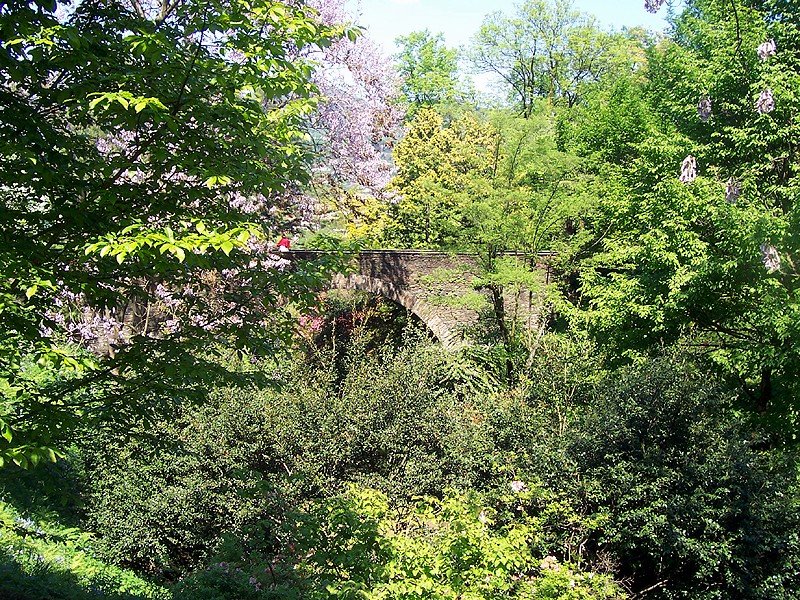
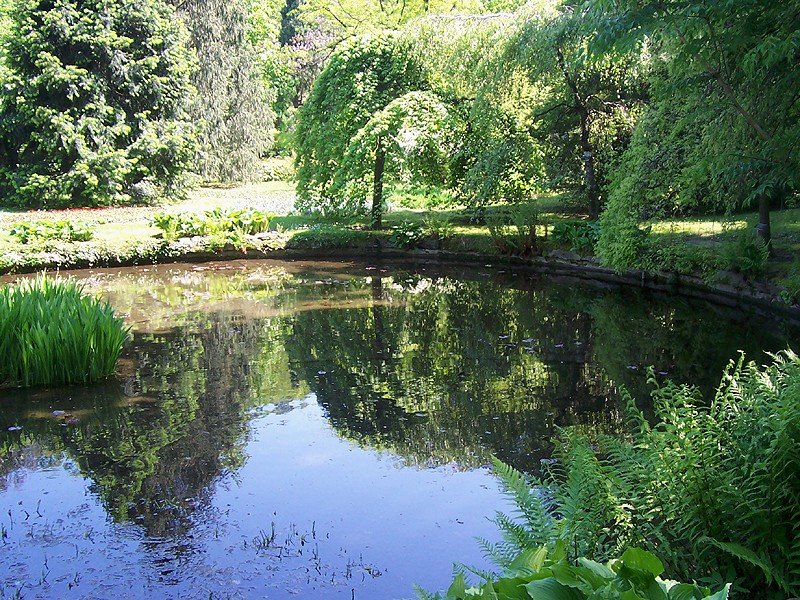
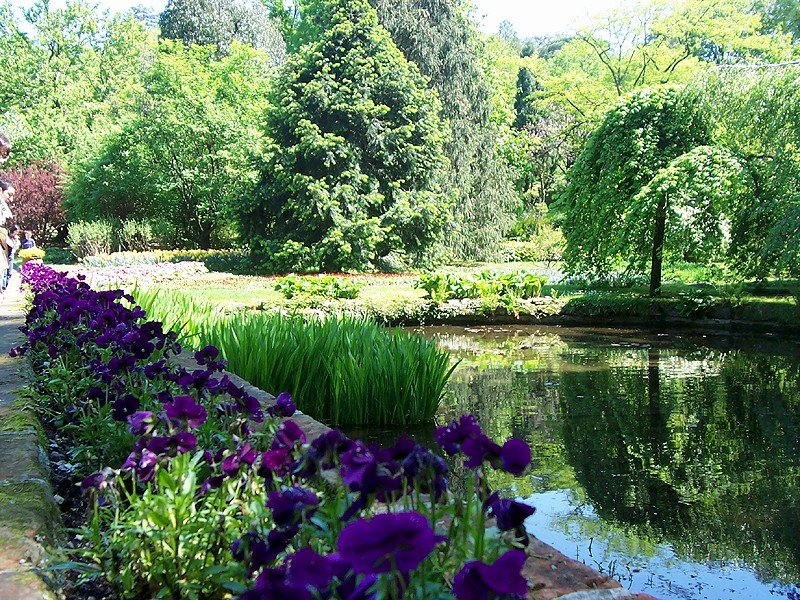
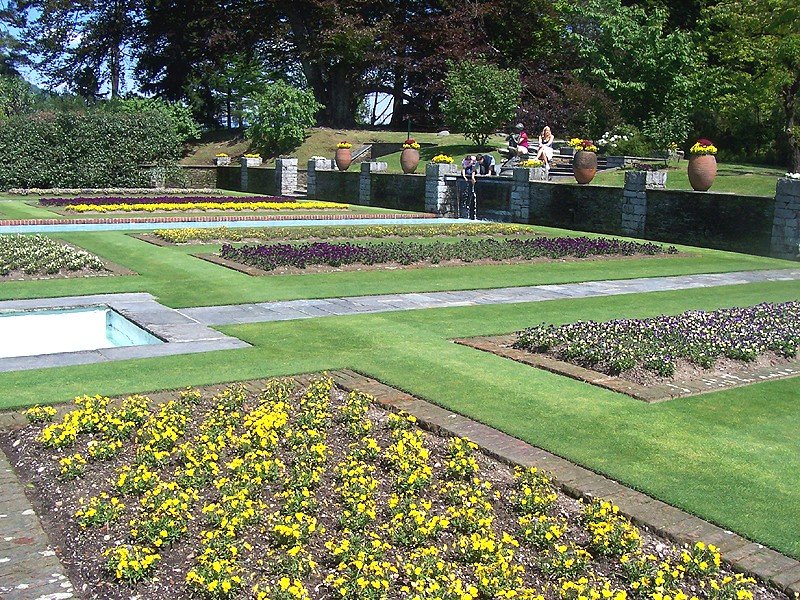
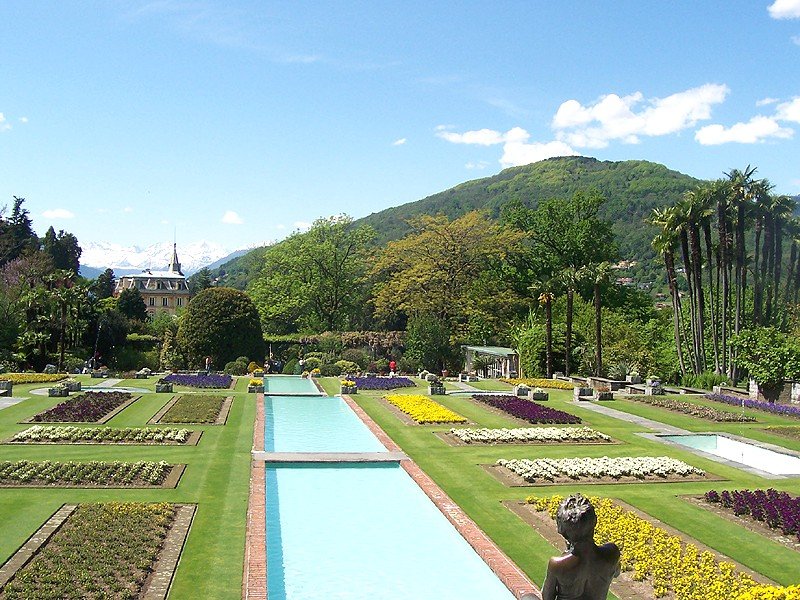
Villa Taranto's architectural and horticultural features are a testament to McEacharn's vision and expertise. The garden's design incorporates elements of both Italian and English landscaping traditions. Key architectural highlights include the terraced gardens, which offer breathtaking views of Lake Maggiore, and the stately mansion, which serves as the garden's centerpiece. Horticulturally, Villa Taranto is renowned for its collection of azaleas, rhododendrons, and camellias, which bloom spectacularly in the spring.
Contributions to Botanical Science
Villa Taranto has also made significant contributions to botanical science. The garden serves as a living laboratory for the study of plant species and their cultivation. Over the years, it has been the site of numerous botanical research projects and has contributed to the conservation of rare and endangered plant species. The garden's herbarium, which houses a vast collection of dried plant specimens, is an invaluable resource for botanists and researchers.
Cultural Impact and Recognition
Villa Taranto's cultural impact extends beyond its botanical significance. The garden has been featured in numerous publications, documentaries, and films, cementing its status as a cultural icon. It has also received numerous accolades and awards, including recognition from the Royal Horticultural Society and the International Dendrology Society. In 2014, Villa Taranto was designated a "Garden of Excellence" by the World Federation of Rose Societies, further highlighting its global significance.
Preservation and Future Prospects
The preservation of Villa Taranto is a priority for the Ente Giardini Botanici Villa Taranto. Ongoing efforts include the maintenance of the garden's infrastructure, the conservation of its plant collections, and the promotion of sustainable gardening practices. Looking to the future, the foundation aims to expand the garden's educational programs and enhance its role as a center for botanical research and conservation.
Visitor Information
Visiting Hours
Villa Taranto is open to the public from March to November, with peak visiting times in the spring and summer months. Guided tours are available, providing insights into the garden's history, design, and plant collections. Special events, such as the annual Dahlia Exhibition, attract visitors from around the world and offer a chance to see the garden in full bloom.
- March to November: 8:30 AM - 6:30 PM
Ticket Prices
- Adults: €11
- Children (6-14): €5.50
- Children under 6: Free
Travel Tips
- Best time to visit: Spring and summer to see the gardens in full bloom.
- Accessibility: The garden is wheelchair accessible, with paved paths and ramps.
- Nearby attractions: Stresa, the Borromean Islands, and Lake Maggiore.
FAQ
What are the visiting hours for Villa Taranto?
Villa Taranto is open from 8:30 AM to 6:30 PM from March to November.
How much are tickets to Villa Taranto?
Ticket prices are €11 for adults, €5.50 for children aged 6-14, and free for children under 6.
What are the best times to visit Villa Taranto?
The best times to visit are in the spring and summer months when the gardens are in full bloom.
Are there guided tours available?
Yes, guided tours are available and provide valuable insights into the garden's history and botanical significance.
Discover More
Download our mobile app for more travel tips and updates, and follow us on social media to stay informed about the latest events at Villa Taranto.
Tickets & tours.
These are guided options from our partners — same price as booking direct.
Prices are indicative — final pricing and availability are confirmed at checkout. Audiala may earn a commission from bookings made through these links.
Listen to the full story in the app
The whole Giardini Botanici Villa Taranto,
told well.
Audio guides for 1,100+ cities across 96 countries. History, stories, and local insight — offline ready.
Verified, and shown.
Researched and written by the Audiala editorial team from historical records, architectural archives, and local expertise.
Researched from Wikidata, Wikipedia & official sources · fact-checked · How we make our guides →