Plan and listen to Stadio Artemio Franchi with Audiala.
Audio guide in your pocket, itinerary in your browser. Built for the way you actually visit.
Introduction
Nestled in the heart of Tuscany, Stadio Artemio Franchi is an enduring symbol of Italian sporting tradition and architectural ingenuity. Two distinct stadiums bear this iconic name: one in Siena—known as "Il Rastrello"—and another in Florence, a pioneering work of Italian Rationalism. Both venues are deeply intertwined with their cities’ football clubs and rich cultural landscapes.
This guide is designed for travelers, football devotees, and cultural explorers eager to experience the soul of Tuscan sports. Here, you’ll find practical information on visiting hours, ticketing, accessibility, and travel logistics for both stadiums. Additionally, the guide delves into their historical and architectural significance, offers tips on guided tours and matchday rituals, and highlights nearby attractions—from Siena’s medieval heart to Florence’s Renaissance marvels. For the most up-to-date information on tickets, events, and renovations, consult official club websites and trusted resources such as the Robur Siena website, ACF Fiorentina’s official site, Stadium Guide, and Florence Daily News.
Stadio Artemio Franchi Siena
History and Development
Established in 1923 and known locally as "Il Rastrello," Stadio Artemio Franchi is Siena’s principal sports venue. Its construction coincided with a period of urban growth and burgeoning enthusiasm for organized sports in Italy (Wikipedia - Stadio Artemio Franchi (Siena)). Originally built with distinctive rake-shaped stands, the stadium became a cherished symbol for locals (Europlan Online).
Architectural Significance
While not as internationally renowned as Florence’s stadium, Siena’s Franchi is notable for its functionalist design. Officially inaugurated in 1938, it features a natural grass pitch and running track, serving both football and athletics (Europlan Online). Its capacity of 15,373 ensures an intimate matchday atmosphere while balancing historical charm and modern requirements.
Naming and Legacy
Named after Artemio Franchi, a prominent Italian football administrator and former FIGC president, the stadium pays homage to a key figure in Italian football’s development (Wikipedia - Stadio Artemio Franchi (Siena)). From 2007 to 2013, it was called "Montepaschi Arena" under a commercial sponsorship.
Notable Events
Home to A.C. Siena (now Robur Siena), the stadium has hosted Serie A matches, national cup ties, and community events, fostering a vibrant sporting culture (Europlan Online). It remains a focal point for Siena’s social life, extending its influence beyond football.
Visiting Information
Visiting Hours and Tickets
- Matchdays: Access is available two hours before kickoff; ticket windows close shortly after the match starts.
- Non-matchdays: Guided tours may be possible by appointment—always check the official Robur Siena website for current schedules.
- Ticketing: Buy tickets online at Ciaotickets, at the stadium, or via authorized vendors. Prices generally range from €12 (behind the goal) to €31 (main stand).
Accessibility
The stadium provides accessible seating and restrooms for visitors with disabilities. Contact the club in advance for specific arrangements (Stadium Guide).
Getting There
- By Train: Siena’s main station is under 2 km away. Walk via PortaSiena shopping center and Porta Camollia, or take buses 130, 131, 131R, S10 to Piazza San Domenico (Stadi Online).
- By Bus: Urban lines 130, 131, 131R, and S10 serve the stadium area.
- By Car: Exit the A1 at Firenze Impruneta, follow the Florence-Siena highway, then Siena Nord exit. Parking is limited; the Il Campino lot is nearby but fills up quickly (Stadi Online).
Nearby Attractions
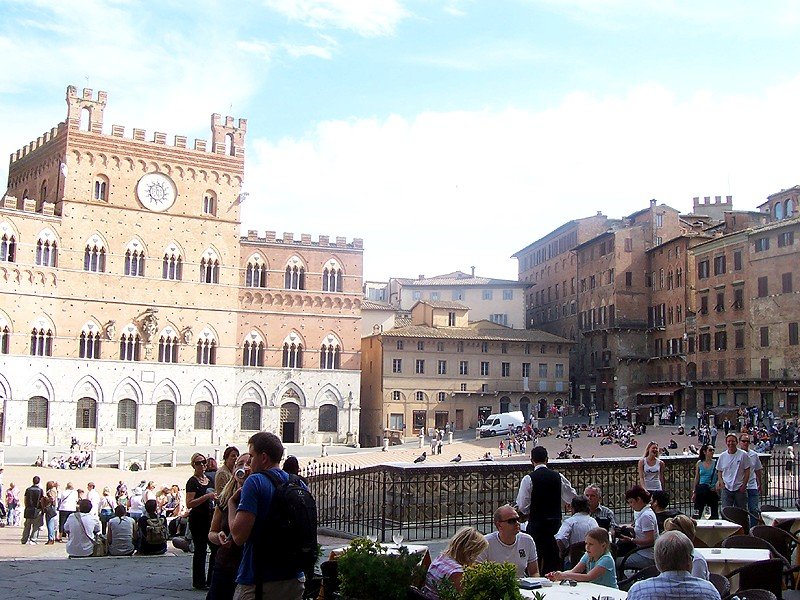
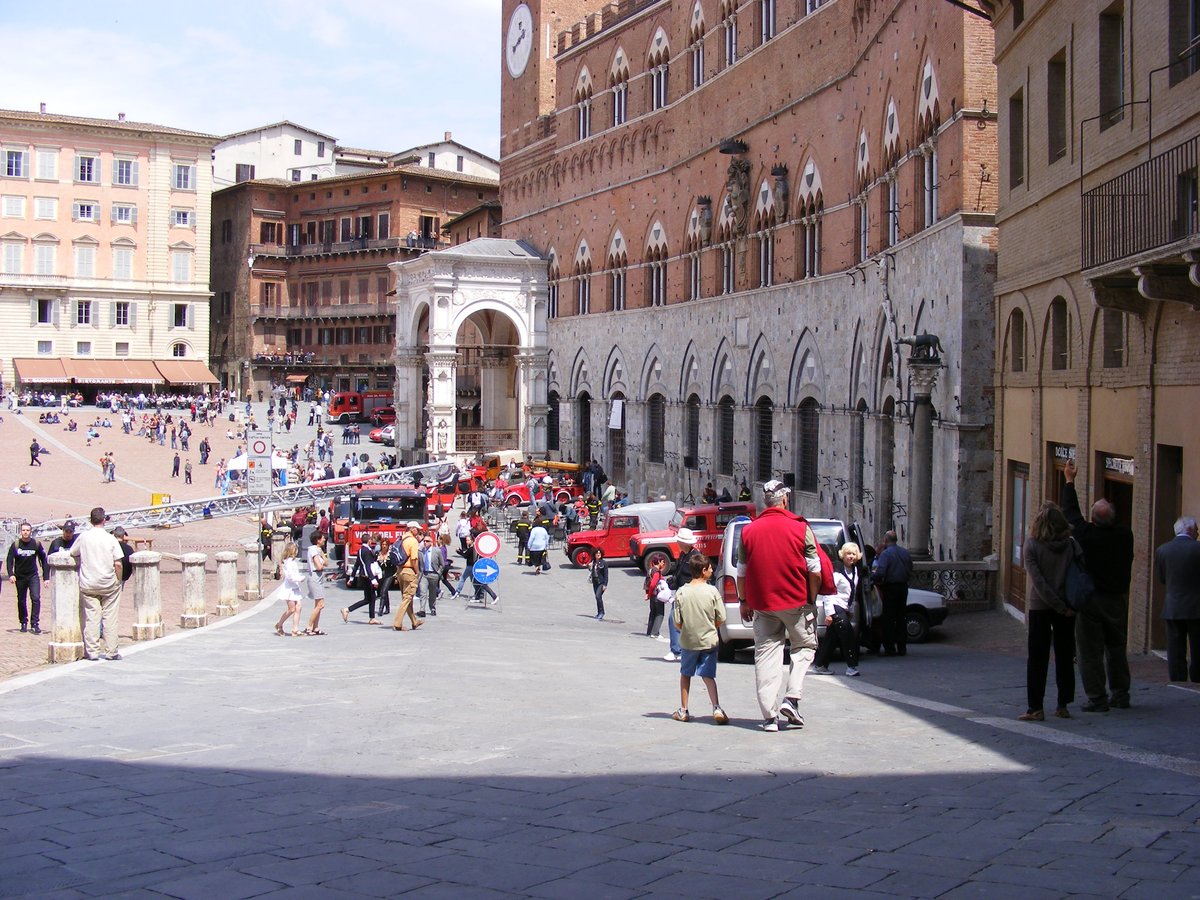
- Piazza del Campo: Iconic medieval square, home of the Palio.
- Basilica di San Domenico: Gothic church, adjacent to the stadium.
- Siena Cathedral (Duomo): Masterpiece of Italian Gothic architecture.
Special Events and Tours
Occasional guided tours and events highlight the stadium’s history and architecture. Check the club’s website for announcements.
Matchday Experience
- Atmosphere: The Curva Robur is the heart of home support, with vibrant chanting and banners.
- Food: On-site concessions are basic, but nearby trattorias and cafes offer authentic Tuscan cuisine.
- Safety: Expect bag checks and ticket verification; arrive early to avoid queues.
Practical Tips and FAQs
- Arrive early to enjoy pre-match energy.
- Use public transport due to limited parking.
- Dress for the weather—only the main stand is covered.
- Respect local customs, especially among passionate home fans.
- Check the club’s website for health protocols and updated visiting info.
FAQs:
- Visiting hours? Primarily open on matchdays; check for tours on the official site.
- Tickets? Online at Ciaotickets or at the stadium.
- Accessibility? Yes, but contact in advance for arrangements.
- Virtual tours? Not official, but photos and maps available at Stadium Guide.
Stadio Artemio Franchi Florence
Architectural Highlights
Pier Luigi Nervi’s Vision
Completed in 1931, Florence’s stadium is a masterpiece of modernist architecture by Pier Luigi Nervi. Its Maratona Tower, helical staircases, and cantilevered roof are celebrated for their bold design and engineering innovation (Florence Daily News).
2025 Renovation
The stadium is undergoing a major renovation to blend innovation with heritage. Key features are being restored, new foundations laid, and facilities modernized—ensuring the stadium remains a leading sports venue while preserving its Rationalist identity (Florence Daily News).
Rationalist Landmark
The stadium exemplifies Italian Rationalism, with geometric forms and exposed concrete. Nervi’s pioneering use of prefabrication and concrete influenced stadium designs worldwide.
Urban Integration
Located in Campo di Marte, the stadium is part of Florence’s urban fabric, with easy access to transport links and residential neighborhoods. Renovation works are segmented to allow ACF Fiorentina to play home matches during construction (Florence Daily News).
Cultural Impact
ACF Fiorentina’s Home
Since 1931, the stadium has housed ACF Fiorentina. The club’s storied history and passionate support make matchdays a uniquely Florentine experience.
Major Events
Besides football, the stadium has hosted concerts, international matches, and civic celebrations, including the 1990 FIFA World Cup and numerous city festivals.
Florentine Identity
The stadium is a symbol of Florence’s resilience and creativity, anchoring the city’s sporting and cultural spirit.
Visitor Information
Visiting Hours and Tickets
- Matchdays: Open per fixture schedule.
- Guided Tours: Available in the off-season or on non-match days (subject to renovation status). Book via Viola Channel or local operators.
- Tickets: Buy online at Viola Channel, at Fiorentina stores (Duomo or Central Market), or at stadium kiosks. Prices range from €20 to premium seating rates.
Accessibility and Facilities
Wheelchair access, ramps, designated seating, and disabled parking are available. Ongoing renovations are upgrading facilities.
Getting There
- By Train: Campo di Marte station is nearby.
- By Bus: Several lines connect the stadium with the city center.
- On Foot: About 30–40 minutes from the Duomo area; public transport is advised on matchdays.
Nearby Attractions
- Boboli Gardens & Pitti Palace
- Florence Cathedral (Duomo)
- Piazza della Signoria & Uffizi Gallery
- Local cafes and shops in Campo di Marte
Guided Tours
Explore architectural highlights, ACF Fiorentina’s history, and behind-the-scenes areas. Tours are subject to renovation schedules.
Matchday Experience
- Atmosphere: The Fiesole end is home to the most passionate fans. Renovations have temporarily reduced capacity to around 22,000.
- Food: Sample Scheggi sandwiches and Badiani gelato nearby.
- Dress Code: Wear Fiorentina purple to blend in and enjoy a warmer welcome.
- Security: Bag checks, ID required, and no glass or cans allowed.
Practical Tips and FAQs
- Arrive early for pre-match energy and to avoid delays.
- Use public transport—parking is limited.
- Check the latest updates on stadium access during renovations.
FAQs:
- Visiting hours? Matchdays and select tours; check official site.
- Tickets? Online at Viola Channel, Fiorentina stores, or at the stadium.
- Accessibility? Yes, with accessible seating and parking.
- Transport? Train to Campo di Marte, several bus lines, or walking.
- What to bring? Passport or EU ID for ticketing and entry.
Summary of Key Visitor Information
Stadio Artemio Franchi, in both Siena and Florence, offers visitors an immersive journey into Tuscan football, architecture, and culture. Siena’s stadium delivers an intimate, authentic matchday experience within walking distance of the city’s medieval treasures. Florence’s Franchi is a Rationalist architectural icon currently being sensitively restored, ensuring fans can still enjoy matches and tours. Both venues are easily accessible, offer a range of ticketing options, and are surrounded by world-class attractions.
Plan ahead by:
- Checking official club websites for updated hours and ticket availability.
- Using public transport for convenience.
- Exploring nearby historical and culinary gems.
- Downloading the Audiala app for real-time updates and insider tips.
Whether you’re a football aficionado, architecture lover, or cultural explorer, Stadio Artemio Franchi promises a memorable Tuscan adventure.
Listen to the full story in the app
The whole Stadio Artemio Franchi,
told well.
Audio guides for 1,100+ cities across 96 countries. History, stories, and local insight — offline ready.

Verified, and shown.
Researched and written by the Audiala editorial team from historical records, architectural archives, and local expertise.
Researched from Wikidata, Wikipedia & official sources · fact-checked · How we make our guides →