Introduction
Set in the medieval heart of Siena, Italy, the Museum of the Tartuca District (Museo della Contrada della Tartuca) invites visitors to embark on a journey through the centuries-old traditions of one of Siena’s most storied Contrade. The Tartuca—symbolized by the tortoise—preserves a vibrant legacy that is vividly displayed in its museum, nestled within a remarkable Baroque complex. This guide provides a comprehensive overview of the museum’s historical significance, collections, visiting hours, ticketing, and practical tips for an enriching experience in Siena (Visit Tuscany; Palio di Siena Official Site; Terre di Siena).
Historical Background of the Tartuca Contrada
Origins and Identity
The Tartuca Contrada, or "Tortoise District," is one of Siena’s 17 Contrade, each acting as a unique urban microcosm with distinct emblems, colors, and traditions. Documented as early as the 16th century, Tartuca’s identity is rooted in perseverance and wisdom, qualities symbolized by its tortoise emblem and the colors yellow and deep blue. The Contrada’s territory encompasses Via di Val di Montone and landmarks like the Basilica di San Domenico (Comune di Siena).
The Contrade System
Siena’s Contrade system originated from medieval neighborhood associations, shaping the city’s social and civic structure. By the 18th century, the number of Contrade was consolidated to 17. Each Contrada developed its own headquarters, coat of arms, patron saint, and a rich tapestry of traditions, rivalries, and alliances (Visit Tuscany). Membership is hereditary and celebrated through rituals like the baptism at the Contrada’s fountain, fostering lifelong belonging (Discover Tuscany).
The Contrade System and Palio di Siena
Palio di Siena: Tradition and Ritual
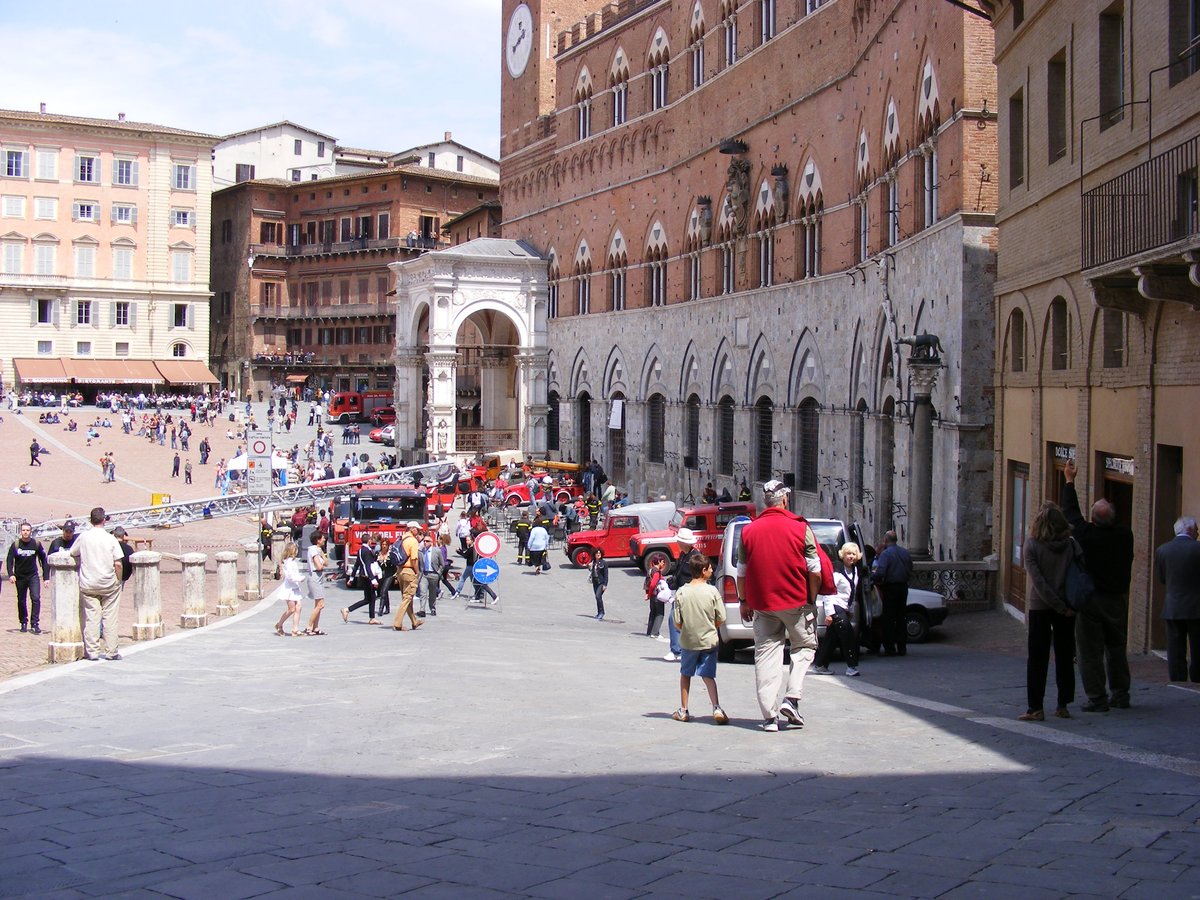
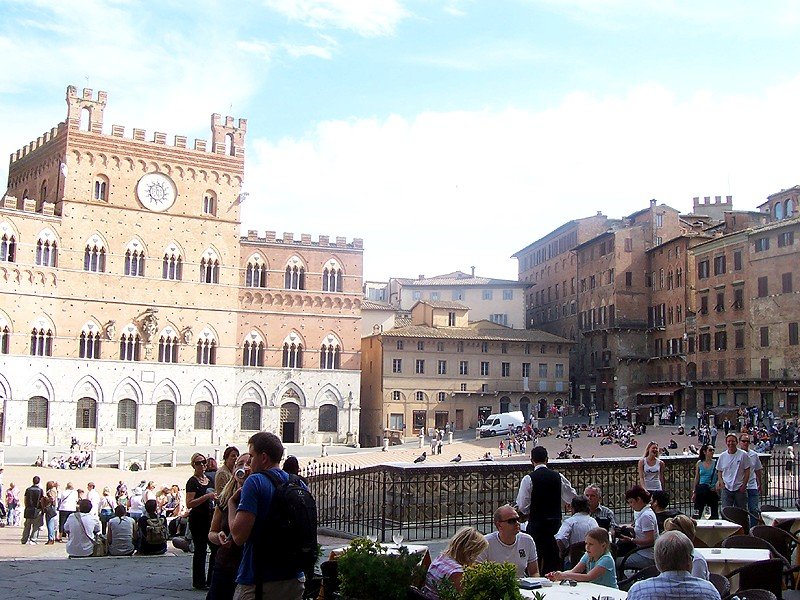
Held annually on July 2 and August 16, the Palio di Siena is the city’s most celebrated event—a bareback horse race in the Piazza del Campo that embodies the spirit and rivalry of the Contrade. The Tartuca Contrada boasts over 50 Palio victories, with its first win recorded in 1713 (Palio di Siena Official Site). The event is rich in ritual, from religious blessings to elaborate processions, with months of preparation leading up to the race.
Contrada Rivalries and Community
Rivalries such as that between Tartuca and Chiocciola (Snail) heighten the competitive drama of the Palio and shape the social dynamics of Siena. The museum’s exhibits provide insight into these relationships, exploring the emotional bonds and fierce loyalty that define Contrada life (Siena Contrade Guide).
Location and Setting
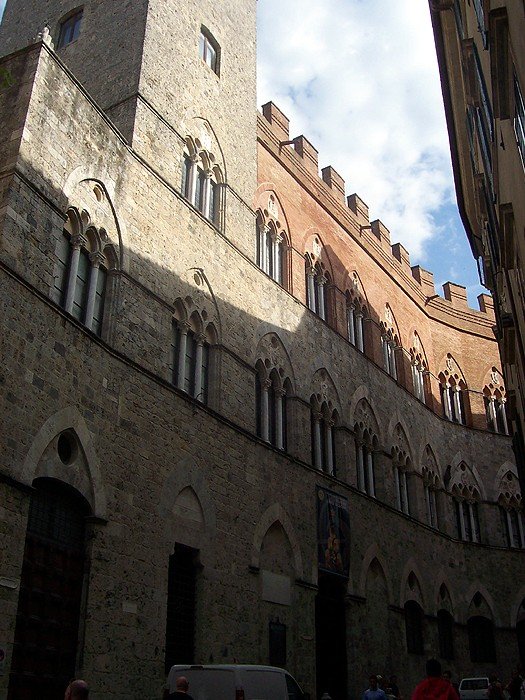
The Museum of the Tartuca District is located at Via Tommaso Pendola, 21, adjacent to the Oratory of Saint Anthony of Padua in Siena’s Castelvecchio quarter. The setting is easily accessible from major sites such as Piazza del Campo and the Basilica di San Domenico, with the district’s medieval streets offering a charming approach (Visit Tuscany).
Architectural Features
- Oratory of Saint Anthony of Padua: Built between 1682 and 1685, the oratory features Baroque stucco work, gilded details, and a magnificent engraved altar frontal, reflecting the Contrada’s religious devotion (Il Palio Siena).
- Contrada Seat: The administrative and social hub houses a 1961 fresco by Enzo Casarini and a unique baptismal font with bronze figures by Bruno Buracchini (1951), blending modern artistic expression with tradition.
Notable Collections and Exhibition Highlights
The museum is organized into three core sections, each offering a distinct perspective on Tartuca’s heritage (Visit Tuscany; Terre di Siena):
1. Museum of Sacred Furniture (Museo degli Arredi Sacri)
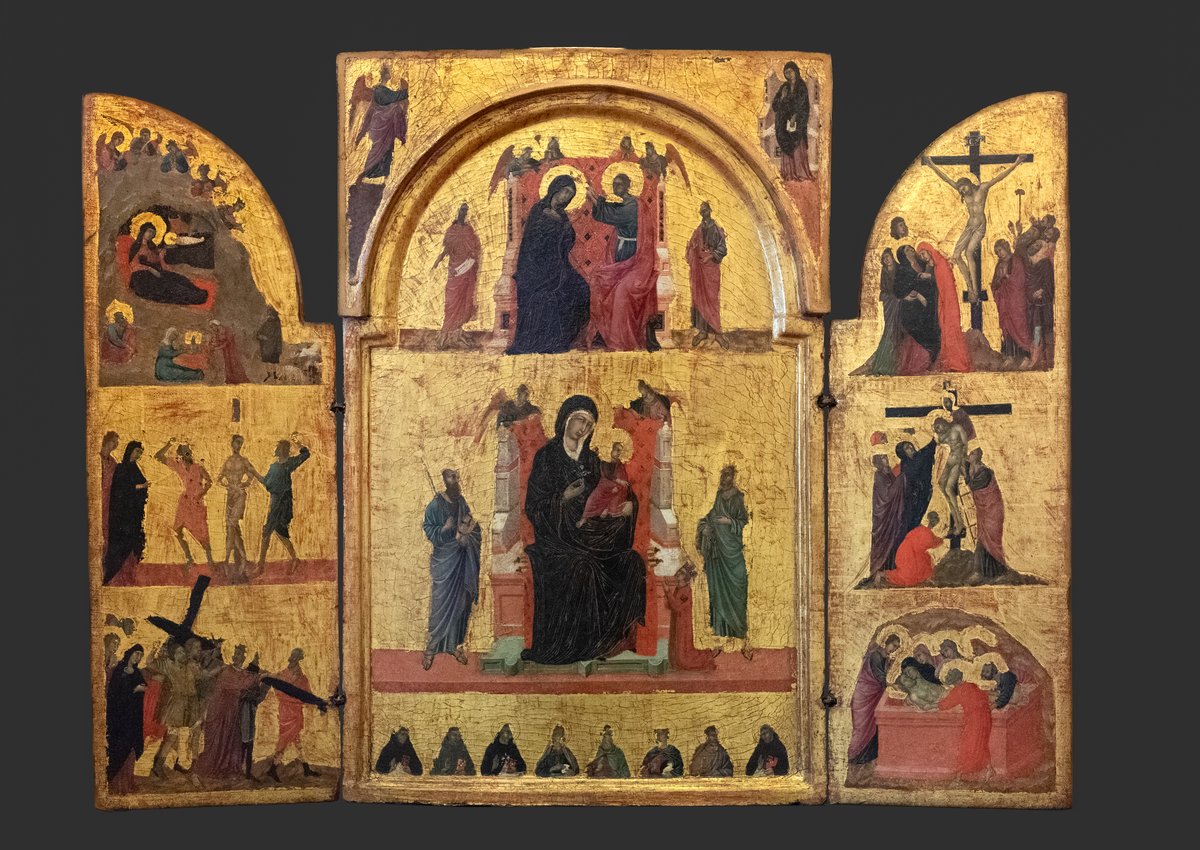
- Highlights: Embroidered liturgical vestments, ornate reliquaries, chalices, and the engraved altar frontal.
- Significance: These sacred objects represent the Contrada’s spiritual life and artistic heritage.
2. Museum of Costume (Museo del Costume)
- Highlights: Montature costumes from the 19th century to present, ancient flags, and banners.
- Significance: Worn during the Corteo Storico, these items showcase the Contrada’s colors and symbolism.
3. Palio Museum (Museo del Palio)
- Highlights: Drappelloni (Palio banners) won by Tartuca, painted by celebrated artists like Fernando Botero and Igor Mitoraj; Masgalani trophies for parade elegance.
- Significance: The Palio exhibits evoke the pride and artistry of Contrada competition (Visit Siena Official).
Additional Artifacts
- Fresco by Enzo Casarini (1961)
- Baptismal Font by Bruno Buracchini (1951)
- Archival Documents: Photographs, memorabilia, and records chronicling Tartuca’s history (Il Palio Siena).
Visiting Information: Hours, Tickets, and Accessibility
Opening Hours and Admission
- Hours: Open mainly by appointment and during special events (especially around the Palio). Booking at least seven days in advance is recommended. Check the official Tartuca website for up-to-date schedules.
- Admission: Typically €3–€5, with discounts for children, students, and groups. Some sources note admission is free with donations appreciated; advance booking is always advised (Museo Tartuca).
Accessibility
- The museum is housed in historic buildings. While efforts are made to improve accessibility, some areas may be difficult for those with mobility challenges. Consult Visit Tuscany Accessibility Information for details.
Guided Tours and Insider Tips
- Guided Tours: Available in Italian and often in English, led by knowledgeable Contrada members. These tours offer personal insights into the traditions, artifacts, and Palio history (My Corner of Italy).
- Best Times to Visit: The Palio season (weeks before July 2 and August 16) offers vibrant activity. For a quieter experience, visit outside these dates (Visit Tuscany).
- Photography: Non-flash photography is usually permitted, but restrictions apply near sacred objects—always ask before photographing.
- Local Etiquette: Respect the living nature of the Contrada and the sacredness of some exhibits. Engage with guides and members for a deeper experience.
- Nearby Attractions: Combine your visit with the Pinacoteca Nazionale, Siena Cathedral, and the medieval streets of the Castelvecchio quarter (Visit Siena Official).
Frequently Asked Questions (FAQ)
Q: What are the Museum’s visiting hours?
A: Visits are primarily by appointment; check the official website for current information.
Q: How much does admission cost?
A: Typically €3–€5, with possible free entry and donations accepted. Booking in advance is essential.
Q: Is the museum accessible for wheelchairs?
A: Some areas may have limited accessibility due to the historic architecture. Contact the museum or consult accessibility resources for advice.
Q: Are guided tours available in English?
A: Yes, especially during peak seasons; request when booking.
Q: Can I take photographs?
A: Non-flash photography is allowed in most areas; restrictions apply to certain sacred objects.
Listen to the full story in the app
Your Personal Curator, in Your Pocket.
Audio guides for 1,100+ cities across 96 countries. History, stories, and local insight — offline ready.
Audiala App
Available on iOS & Android
Join 50k+ Curators
Sources
- verified
- verified
- verified
- verified
- verified
- verified
- verified
- verified
Last reviewed: