Introduction
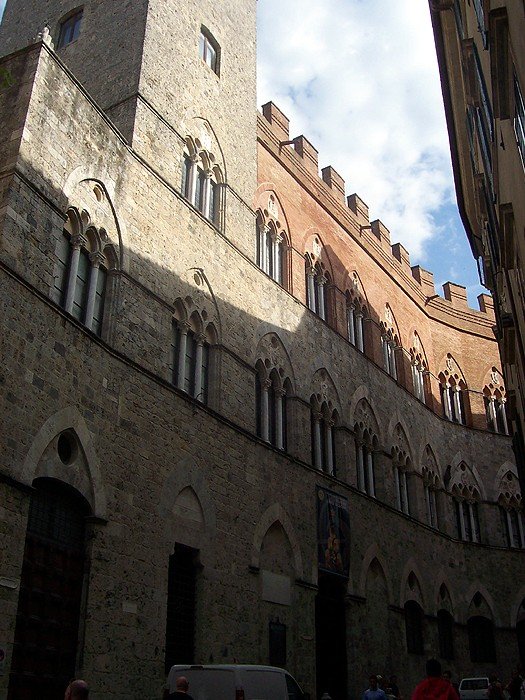
The Museum of the Sovereign District of the Porcupine (Museo della Contrada Sovrana dell’Istrice) presents a compelling journey through centuries of Sienese tradition, civic pride, and the vibrant community life that continues to animate the city’s historic Contrada dell’Istrice. Nestled within Siena’s UNESCO-listed medieval center, this museum not only displays trophies, Palio banners, and sacred art but also serves as a living testament to the enduring rituals, rivalries, and social fabric of Siena. Whether you’re a history enthusiast, a cultural traveler, or planning your first visit to Siena, this guide offers everything you need to experience the museum and the unique world of Siena’s contrade (visitsienaofficial.it; visittuscany.com; italyscapes.com).
Origins of the Contrada Sovrana dell’Istrice
Siena’s distinct division into 17 contrade (districts) is at the heart of its civic identity. The Contrada Sovrana dell’Istrice—“Sovereign District of the Porcupine”—is based in the Terzo di Camollia, a historic segment of the city. Its roots trace back to the Romanesque period, with formal recognition within the contrada system established in 1729. The district’s strategic location included important city gates and thoroughfares, cementing its role in Siena’s urban and defensive network (visittuscany.com).
Emblem, Motto, and Symbolism
The emblem of the Contrada Sovrana dell’Istrice features a crowned porcupine set against a silver shield, standing on green grass, flanked by red roses, and topped with the white cross of the Sovereign Military Order of Malta. The blue Savoy knot below symbolizes unity and loyalty. The colors—white with black, blue, and red arabesques—are displayed with pride during festivals (albergominerva.it; istrice.org).
Its motto, “Sol per difesa io pungo” (“I sting only for defense”), reflects the porcupine’s qualities of acumen and resilience, and underscores the contrada’s ethos of self-defense and community solidarity (ilpalio.siena.it).
“Sovereign” Status and the Order of Malta
Unique among Siena’s contrade, Istrice was granted the title “Sovereign” in 1980 by Fra’ Angelo de Mojana di Cologna, Grand Master of the Sovereign Military Order of Malta. This honor echoes centuries of historical connection between the contrada and the Order, visible in ceremonial traditions and heraldry (albergominerva.it; ilpalio.siena.it).
Historic Events and Palio Heritage
A pivotal moment in the contrada’s history occurred in 1506, when Istrice presented a mechanical porcupine for a bull hunt honoring King Louis XII of France—solidifying the porcupine as its enduring symbol (ilpalio.siena.it). Over the centuries, the contrada has amassed Palio banners, trophies, costumes, and archival documents, all of which are preserved and displayed in the museum.
Religious and Social Life
The spiritual heart of the contrada is the Romanesque oratory of Saints Vincenzo and Anastasio, gifted to Istrice in 1788. The oratory houses artworks such as a Madonna and Child from Alessandro Casolani’s studio and a terracotta bust of Pinturicchio, who was buried there in 1513 (visittuscany.com; terredisiena.it).
Saint Bartholomew the Apostle is the patron saint, with celebrations held annually around August 24th. The contrada’s traditional guild is the blacksmiths (“fabbri”), honoring Siena’s artisanal heritage (albergominerva.it).
Alliances, Rivalries, and Community Bonds
Istrice is allied with Bruco, Chiocciola, Civetta, and Giraffa contrade and maintains a historic rivalry with Lupa. These relationships shape social life and festivities, particularly during the Palio days. The contrada is also twinned with Perugia, reflecting a broader network of cultural ties (istrice.org).
Visiting the Museum: Hours, Tickets, and Accessibility
- Location: Via Camollia 89, Siena (museum and oratory); Via Malta 13 (horse stable); Via Malta (baptismal font).
- Opening Hours: Typically Tuesday–Sunday, 10:00 AM–6:00 PM. Closed Mondays and major holidays. Hours may vary seasonally or during special events (visitsienaofficial.it).
- Tickets: General admission is usually €5, with discounts for students and seniors. Admission may be free or by donation on special days.
- Booking: Tickets are available at the door or can be reserved in advance through the contrada’s website or Siena’s official tourism portal.
- Guided Tours: Offered by appointment, often in multiple languages.
- Accessibility: The museum is partially accessible; ramps and assistance are available for visitors with reduced mobility—contact ahead for specific needs.
Museum Highlights: Exhibits and Collections
Palio Room
The museum’s centerpiece is the display of Palio banners (“drappelloni”), costumes, trophies, and “masgalani” (prizes for procession elegance). These exhibits narrate the contrada’s victories and its central role in the Palio (istrice.org; terredisiena.it).
Sacred Art and Archives
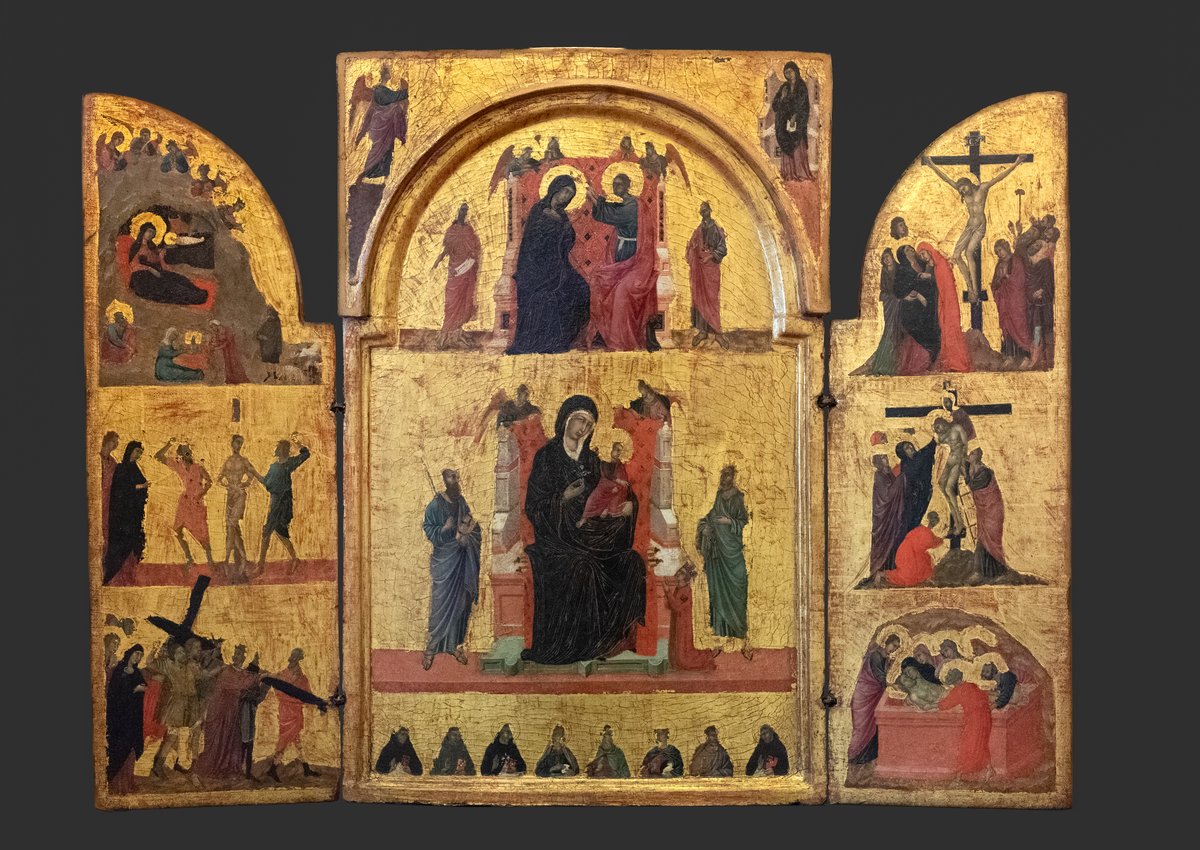
Artworks, religious relics, and processional items illuminate the spiritual traditions of the contrada. The archives contain statutes, Palio records, and correspondence with the Knights of Malta, offering rich material for history enthusiasts.
Interactive Features
Digital archives, video footage, and oral histories provide an immersive glimpse into contrada life and the evolution of the Palio.
Practical Visitor Information and Tips
- Dress Code: Modest attire is recommended, particularly in sacred areas—cover shoulders and knees (fullsuitcase.com).
- Photography: Allowed in most areas, but avoid flash and always request permission in sacred spaces.
- Language: Exhibits are primarily in Italian; English guides are available on request.
- Best Times to Visit: Museums are quieter outside the Palio season, but the weeks before the Palio (July 2 and August 16) offer unique energy—book in advance if visiting then.
- Accessibility: The historic center is pedestrian-only; wear comfortable shoes for cobblestones and hills (mamalovesitaly.com).
- Booking: Advance reservations are advisable, especially during peak periods.
- Facilities: Public restrooms nearby; on-site facilities may be limited.
Nearby Attractions
- Basilica of San Domenico: Houses relics of St. Catherine and offers panoramic city views.
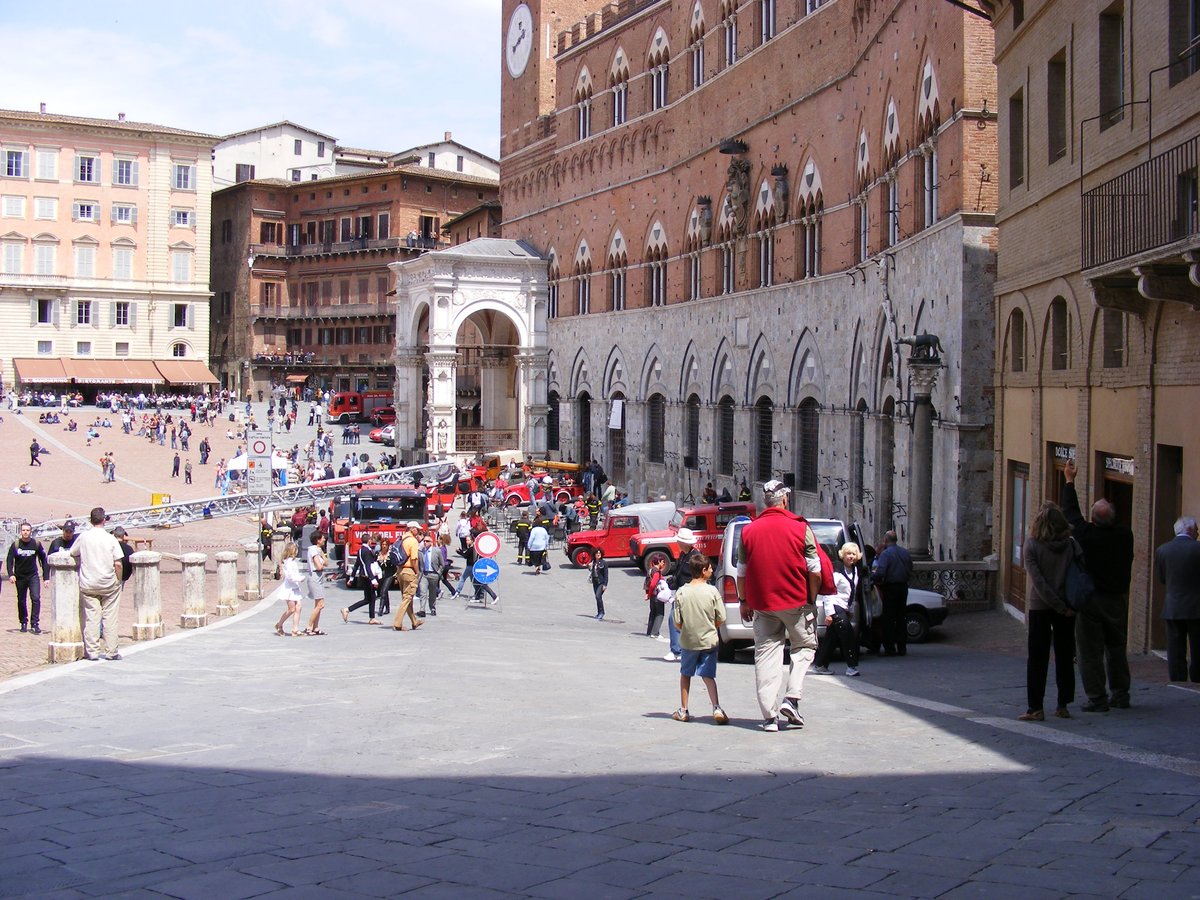
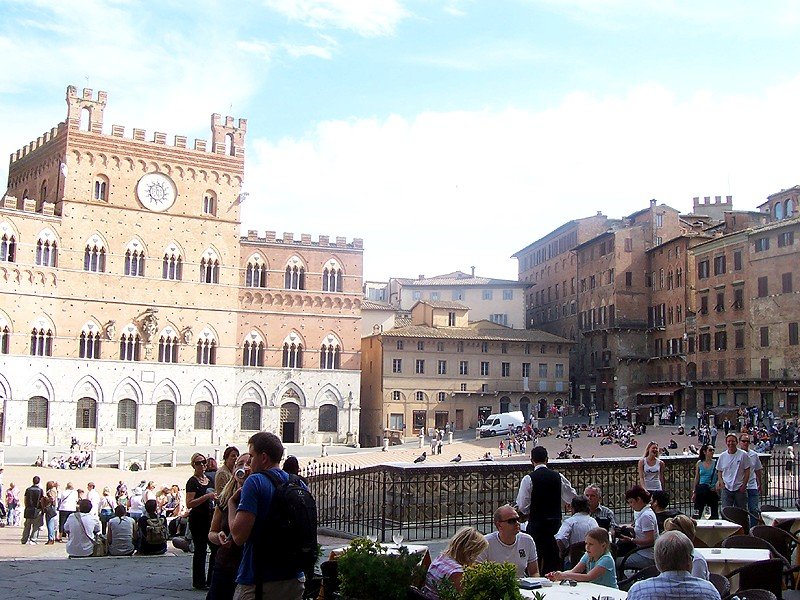
- Piazza del Campo: Siena's iconic square, home to the Palio and the Palazzo Pubblico.
- Siena Cathedral: Renowned for its Gothic architecture and art.
- Local Eateries: Sample Tuscan cuisine at Osteria Le Logge or Il Vinaio (thethinkingtraveller.com).
Frequently Asked Questions (FAQ)
Q: What are the museum’s opening hours?
A: Generally Tuesday–Sunday, 10:00 AM–6:00 PM; closed Mondays. Hours may vary—check ahead.
Q: How do I reserve tickets or tours?
A: Purchase at the entrance or arrange in advance via the contrada’s website or Siena tourist portal.
Q: Is the museum accessible for wheelchair users?
A: Partial accessibility; contact the museum for details.
Q: Are guided tours available in English?
A: Yes, by prior arrangement.
Q: Is photography permitted?
A: Yes, in most areas, but restrictions apply in sacred spaces.
Q: Can I visit during Palio season?
A: Yes, but expect larger crowds and possible access restrictions to some areas.
Listen to the full story in the app
Your Personal Curator, in Your Pocket.
Audio guides for 1,100+ cities across 96 countries. History, stories, and local insight — offline ready.
Audiala App
Available on iOS & Android
Join 50k+ Curators
Sources
- verified
- verified
- verified
- verified
- verified
- verified
- verified
Last reviewed: