Introduction: Unlocking the Living Heritage of Siena’s Lupa District
Situated in the medieval core of Siena, the Museum of the Lupa District (Contrada della Lupa) is a vibrant cultural institution dedicated to preserving the unique traditions, art, and history of one of Siena’s most storied contrade. The city’s social fabric is intricately woven through its 17 Contrade—historic neighborhoods each boasting their own emblem, colors, and centuries-old customs. The Lupa district, named after the legendary she-wolf that nursed the founders of Rome and Siena, stands out for its enduring symbolism and deep ties to local mythology (Terre di Siena, Il Palio Siena).
The museum is far more than a repository of artifacts; it is a focal point for community life, Palio di Siena celebrations, and the preservation of rituals that animate Siena’s urban landscape. Through historical collections and contemporary exhibitions, visitors witness the district’s passion for the Palio, ceremonial costumes, sacred art, and social history. Understanding practical visitor details—such as visiting hours, ticketing, accessibility, and guided tours—ensures a rewarding experience (Visit Tuscany, palazzoravizza.it).
Whether you are a history enthusiast, art lover, or simply curious about Siena’s living traditions, this guide will help you navigate the highlights of the Museum of the Lupa District, practical visitor information, and tips for exploring one of Italy’s most enchanting historical sites.
Siena’s Contrade: A Unique Urban Tradition
The Contrade System: Structure and Community
Siena’s Contrade are not merely administrative districts; they are living communities with their own symbols, churches, headquarters, and museums. Their origins trace back to the Middle Ages, when Siena was divided for military and civic organization. Today, the 17 Contrade serve as custodians of local identity, each with distinctive emblems such as the eagle (Aquila), dragon (Drago), and she-wolf (Lupa) (Terre di Siena, Visit Siena Official).
Belonging to a Contrada is typically inherited, but outsiders can join through active participation and a symbolic protectorate fee. These communities organize social events, charitable initiatives, and the famed Palio horse race (Visit Siena Official).
The Palio di Siena: Rivalry and Pageantry
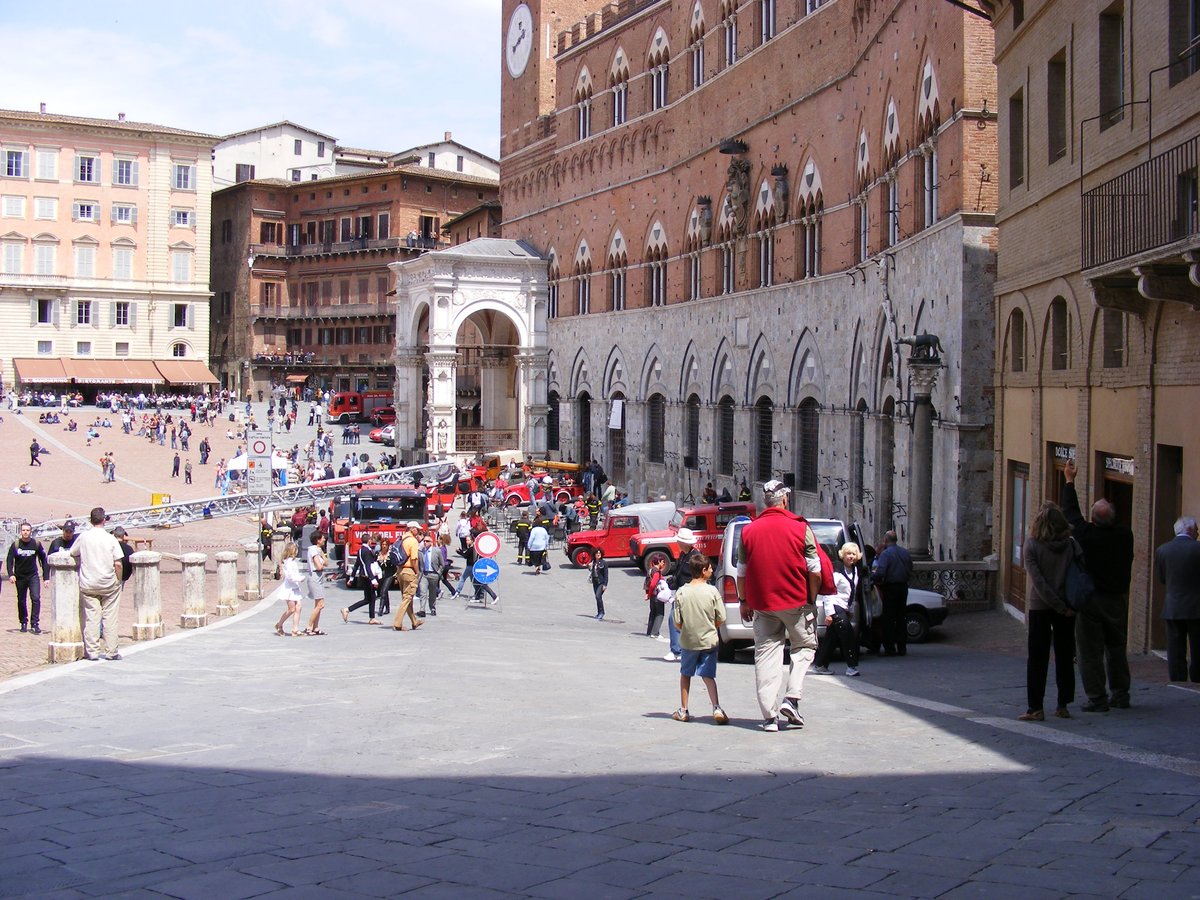
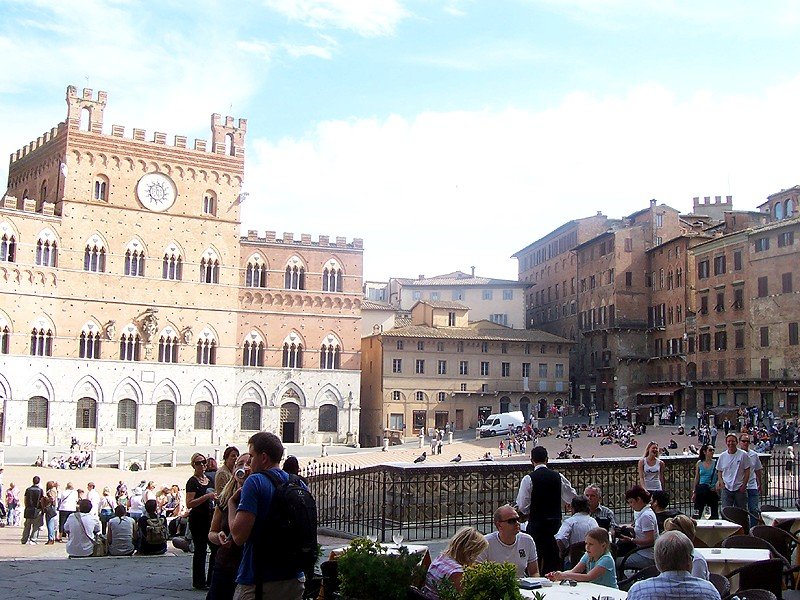
At the heart of Contrada life is the Palio di Siena, a thrilling horse race held twice a year in Piazza del Campo (July 2 and August 16). Only ten Contrade compete in each race, selected by rotation, to ensure fairness. The winner is awarded the coveted "Drappellone," a hand-painted silk banner, which becomes a treasured trophy for the victorious Contrada (Terre di Siena, Visit Siena Official).
Preparation for the Palio involves elaborate rituals: horses are blessed, costumes are donned, and processions animate the city’s streets. The event is a living expression of medieval rivalry, community pride, and artistic pageantry (Siena Guide).
Spotlight: Contrada della Lupa—Symbolism, History, and Heritage
Historical Background
The Lupa Contrada, located in Siena’s Terzo di Camollia, is distinguished by its emblem of a she-wolf nursing twins, echoing Siena’s legendary foundation by the sons of Remus. The district’s church, built in 1512, houses significant 16th-century artworks and is the spiritual heart of the community. The area’s history is intertwined with figures such as Antonio Bazzi (Sodoma) and Sapia Saracini, referenced by Dante (Il Palio Siena).
Symbolism and Emblems
Lupa’s colors—black, white, and orange—frame the motto “Et Urbis et Orbis Custos” (“Guardian of the City and the World”), emphasizing vigilance and guardianship. The she-wolf motif appears on flags, costumes, and Palio banners, linking the Contrada to Etruscan and Roman mythologies (Visit Tuscany).
Visiting the Museum of the Lupa District: Hours, Tickets, and What to Expect
Museum Location and Setting
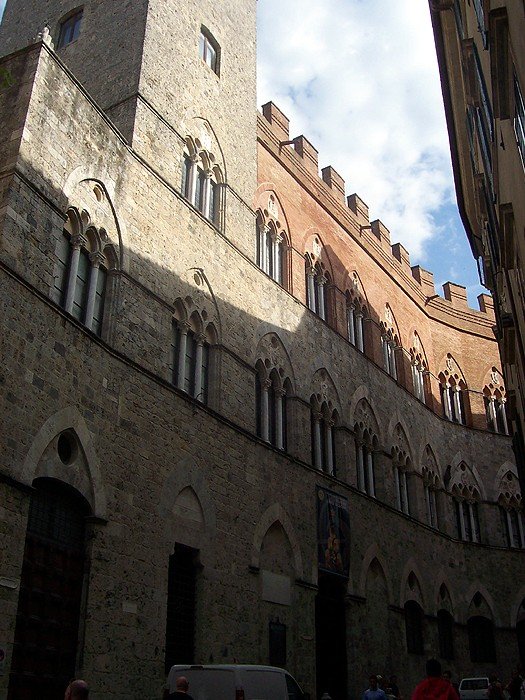
The museum is centrally located at Via Vallerozzi, 71, within easy walking distance of Siena’s main attractions. The building retains original medieval features—stone walls, vaulted ceilings, and period frescoes—creating an immersive atmosphere.
Visiting Hours and Booking
- Standard Hours: Tuesday–Sunday, 10:00 AM–6:00 PM. Closed Mondays. Hours may vary around Palio events; always verify in advance.
- Appointment-Only Access: Some periods, especially outside Palio season, may require booking by appointment. Contact the museum by phone or via its official website to arrange your visit (palazzoravizza.it).
Tickets and Admission
- General Admission: €8 for adults; discounts for seniors and students; free for children under 12.
- Booking: Purchase tickets on-site or online through official tourism portals to secure your spot and avoid queues (Visit Tuscany).
- Donation Policy: Some visits, especially during special events, may be donation-based to support preservation.
Accessibility
The museum’s historic architecture poses some accessibility challenges. While ramps and assistance are available, certain areas may have limited wheelchair access. Contact staff in advance to discuss your needs (Regione Toscana website).
Museum Highlights: Permanent Collections and Special Exhibitions
Key Collections
- Palio Banners and Trophies: The Hall of Victories displays hand-painted Drappelloni, medals, and trophies, providing a vivid record of Lupa’s Palio triumphs (Visit Tuscany).
- Historic Costumes and Regalia: Elegant costumes from the 19th century onwards showcase the Contrada’s pageantry and skilled craftsmanship (Terre di Siena).
- Sacred Art and Religious Objects: The oratory features a fresco cycle on the life of Job by Bernardino Mei and the Manetti brothers, as well as liturgical objects linked to the district’s patronal feast.
- Archival Documents and Photographs: Rare items include a signed photograph of Giuseppe Garibaldi, connecting local history to national events.
- Armory: Ceremonial swords and halberds underline the Contrada’s historical defense role.
Contemporary Art and Rotating Exhibitions
The museum, known as “Museo d’Inverno,” also serves as a contemporary art venue, hosting site-specific installations, temporary exhibitions, and digital art projects that foster dialogue between Siena’s past and present (palazzoravizza.it).
Guided Tours, Language Support, and Events
- Guided Tours: Available in Italian and English upon request, offering deeper context on Contrada traditions and the Palio.
- Educational Programs: School and group tours can be arranged, especially during Palio season and local festivals.
- Special Events: The museum hosts exhibitions, community events, and lectures throughout the year.
Visitor Tips and Nearby Attractions
- Combine Visits: The museum is near Siena’s Piazza del Campo, Cathedral, and other Contrada museums—ideal for a full cultural itinerary.
- Best Time to Visit: During Palio season for vibrant festivities, or off-season for more intimate tours.
- Getting There: Siena’s center is pedestrianized; wear comfortable shoes and use public parking facilities outside the old town.
Frequently Asked Questions (FAQ)
Q: What are the museum’s opening hours?
A: Open Tuesday–Sunday, 10:00 AM–6:00 PM; closed Mondays. Some periods may require prior booking.
Q: How do I book a visit?
A: Book via phone or official website; appointment-only access may apply.
Q: Are guided tours available?
A: Yes, in Italian and English; inquire when booking.
Q: Is the museum accessible for wheelchairs?
A: Some areas have limited access; contact the museum for assistance.
Q: How much is admission?
A: €8 for adults; discounts available; children under 12 enter free.
Q: Can I take photos inside?
A: Photography is allowed in most areas, but flash and tripods are prohibited. Check with staff for restrictions.
Listen to the full story in the app
Your Personal Curator, in Your Pocket.
Audio guides for 1,100+ cities across 96 countries. History, stories, and local insight — offline ready.
Audiala App
Available on iOS & Android
Join 50k+ Curators
Sources
- verified
- verified
- verified
- verified
- verified
Last reviewed: